

Custom Printed Shipping Boxes
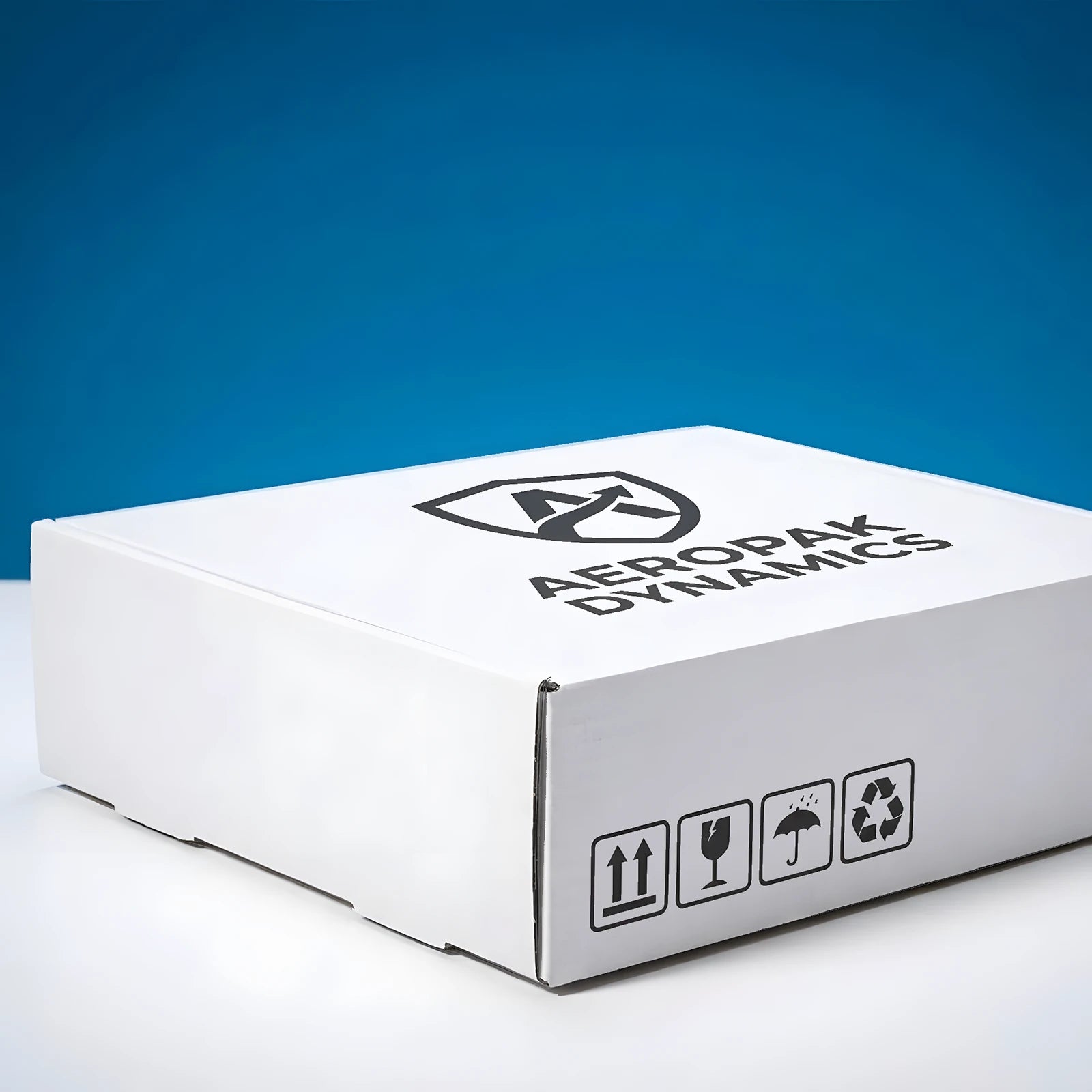
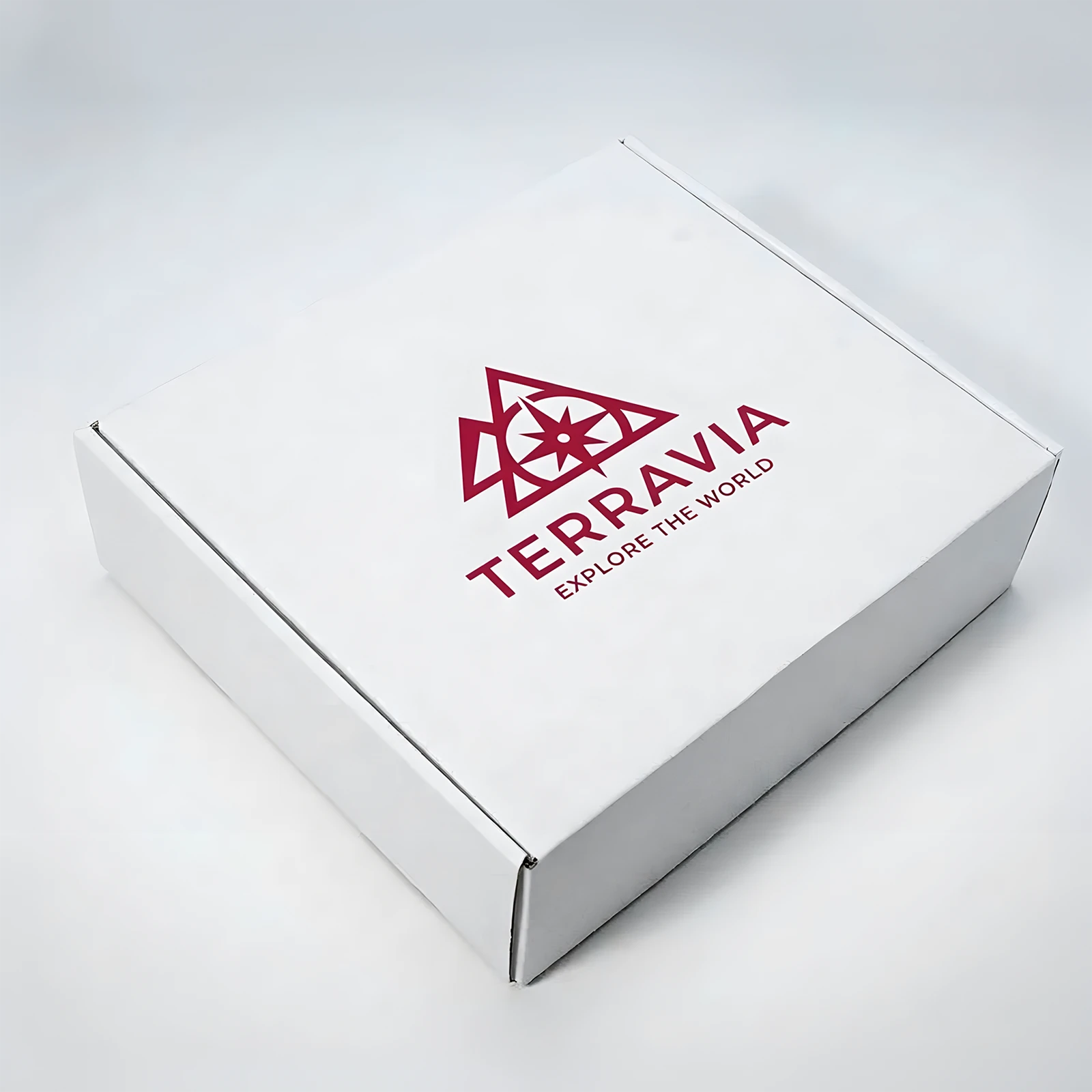
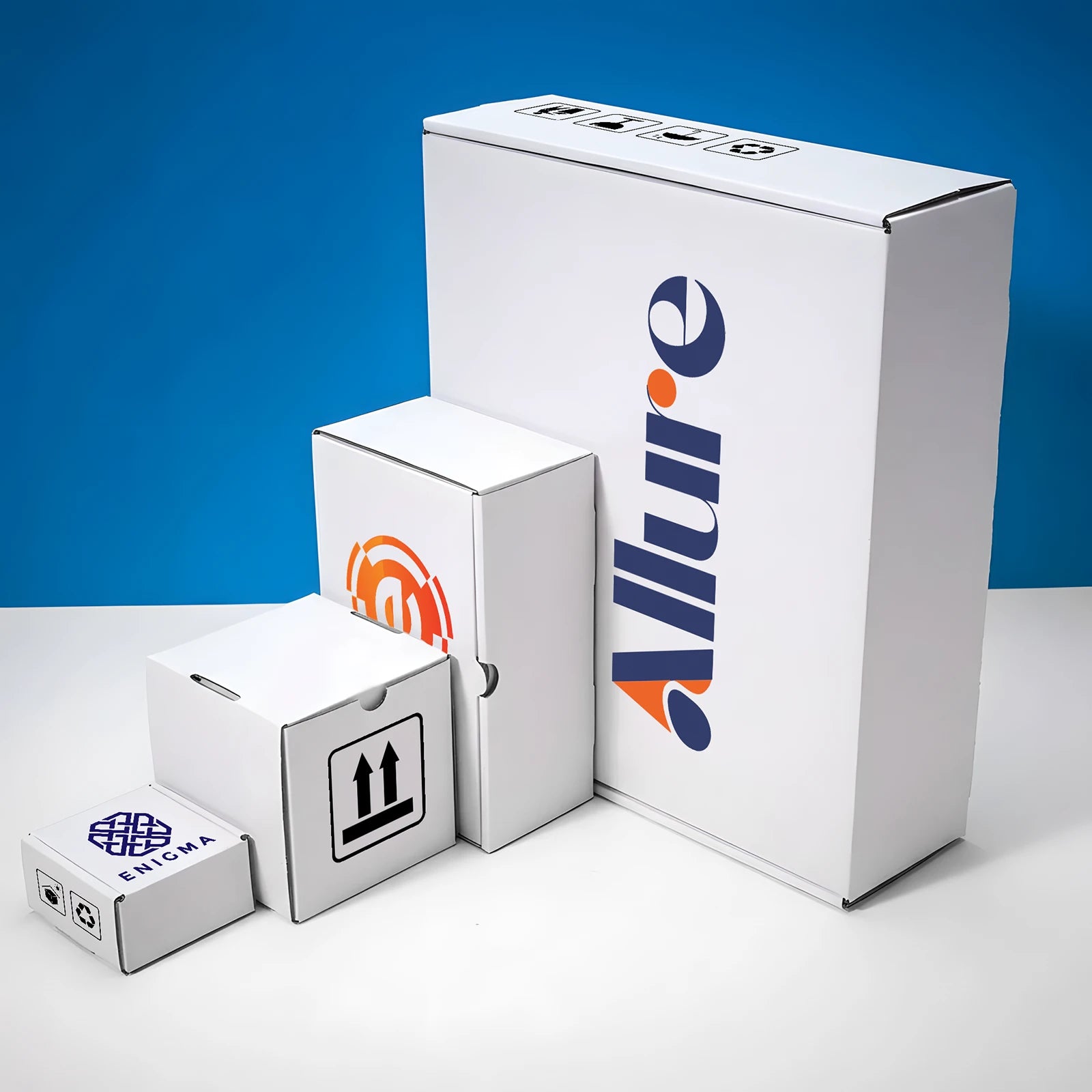
Min. 250 pcs
Free delivery in 21-28 days
Express delivery in 7-10 days
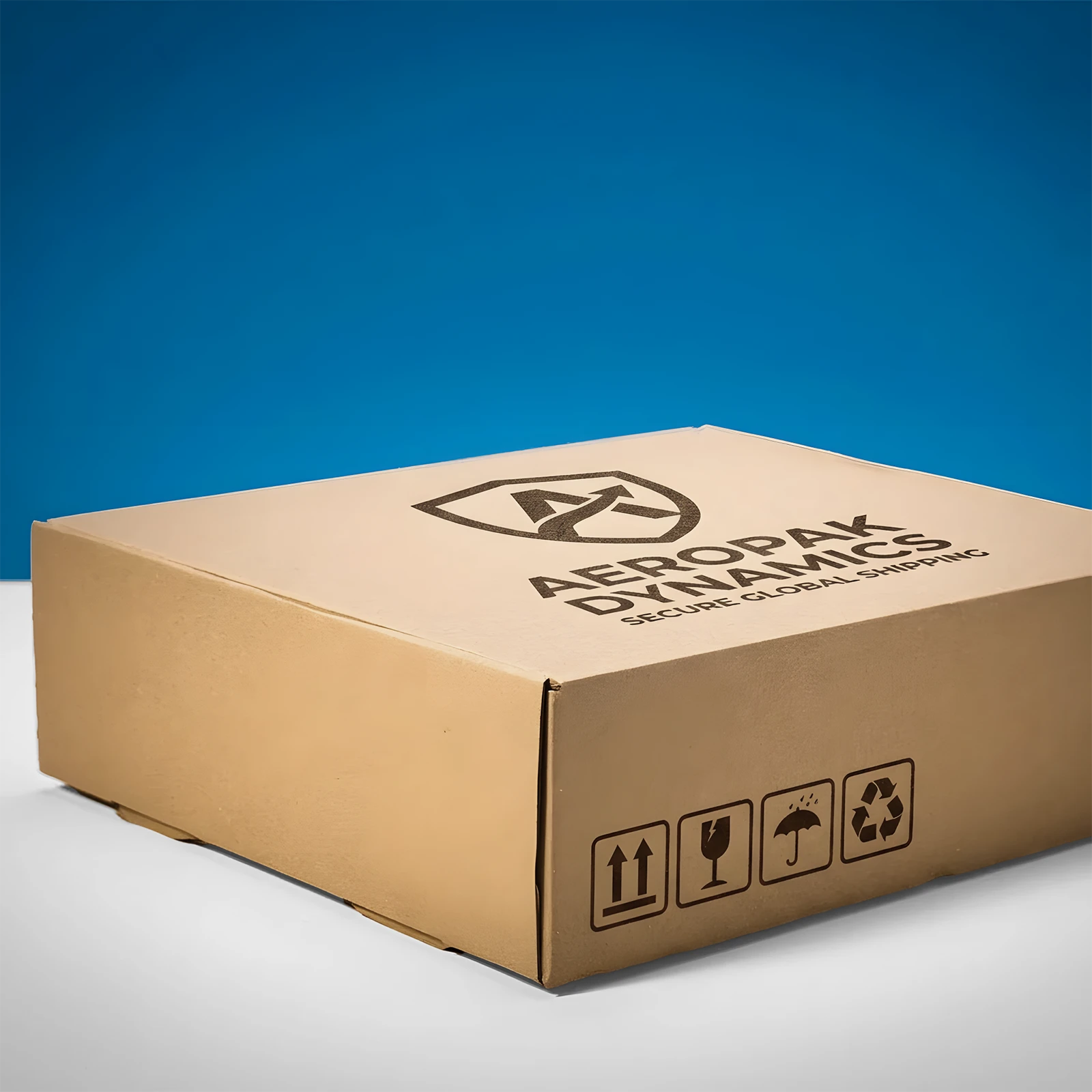
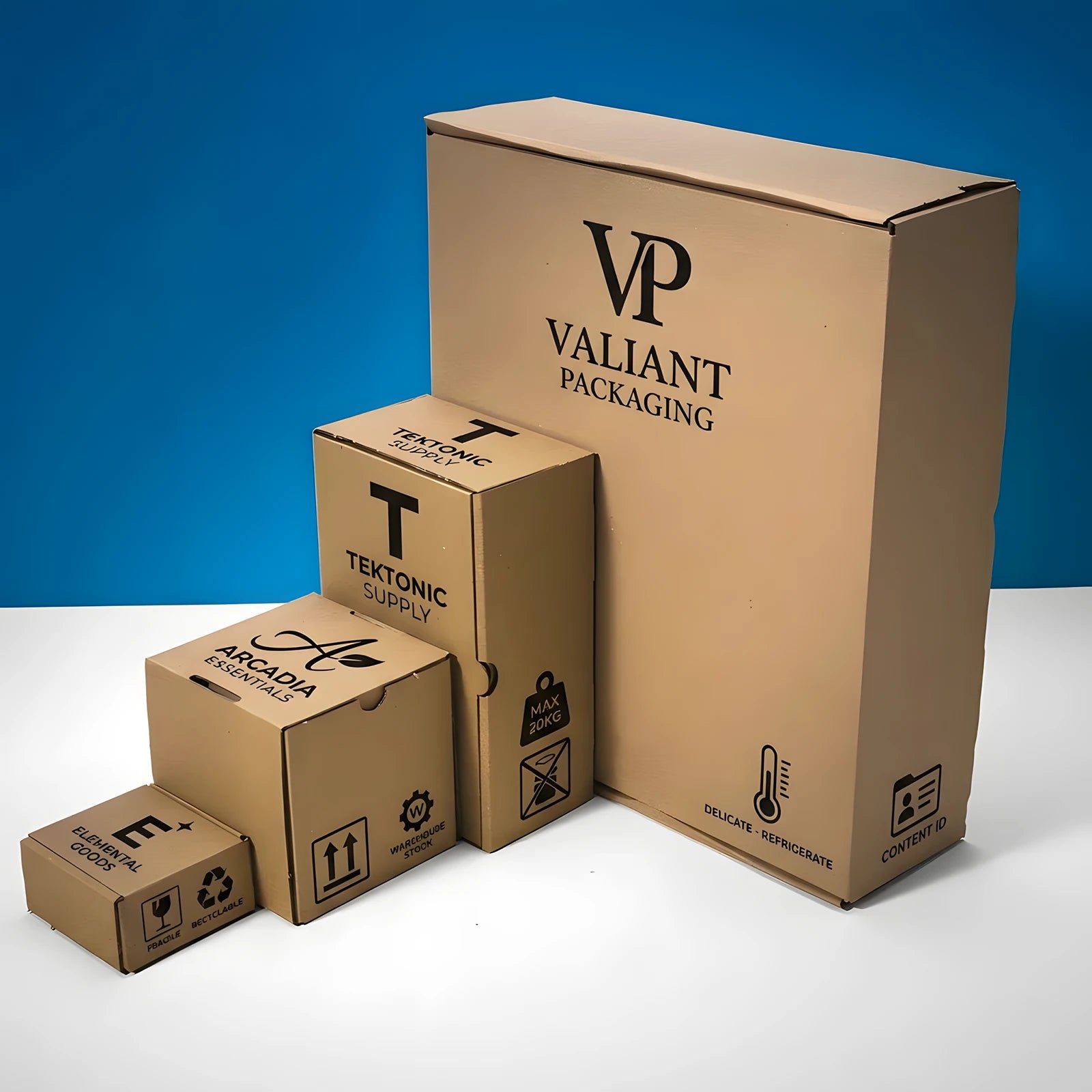
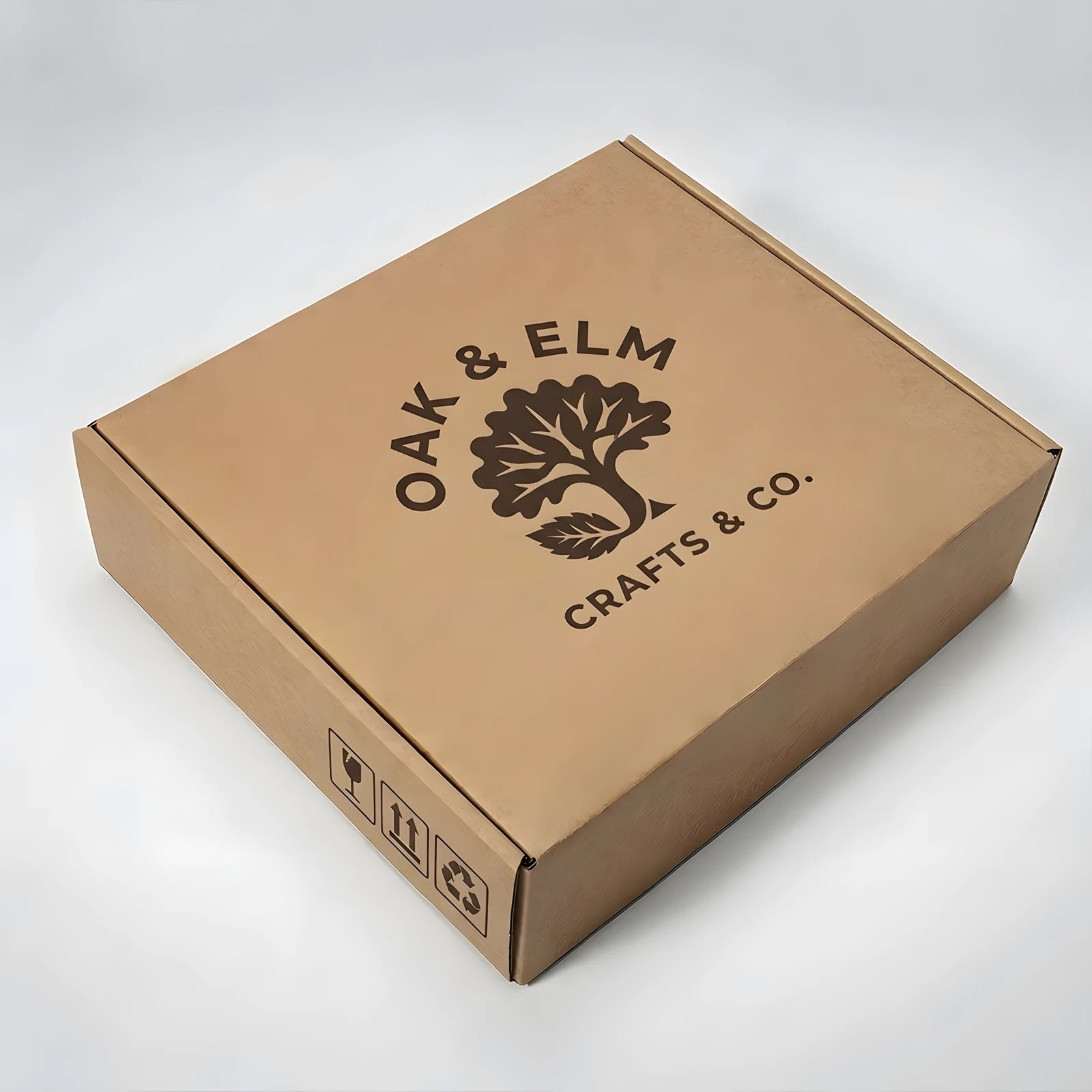
Min. 250 pcs
Free delivery in 14-21 days
Express delivery in 5-10 days
Min. 2000 pcs
Free delivery in 28-35 days
Min. 2000 pcs
Free delivery in 28-35 days
Design your custom takeaway packaging in under a minute with our intuitive online tool. Select your product, size, and quantity, then simply upload your artwork or design directly online. Once you check out, our expert team will collaborate with you to ensure your final packaging perfectly reflects your brand identity.
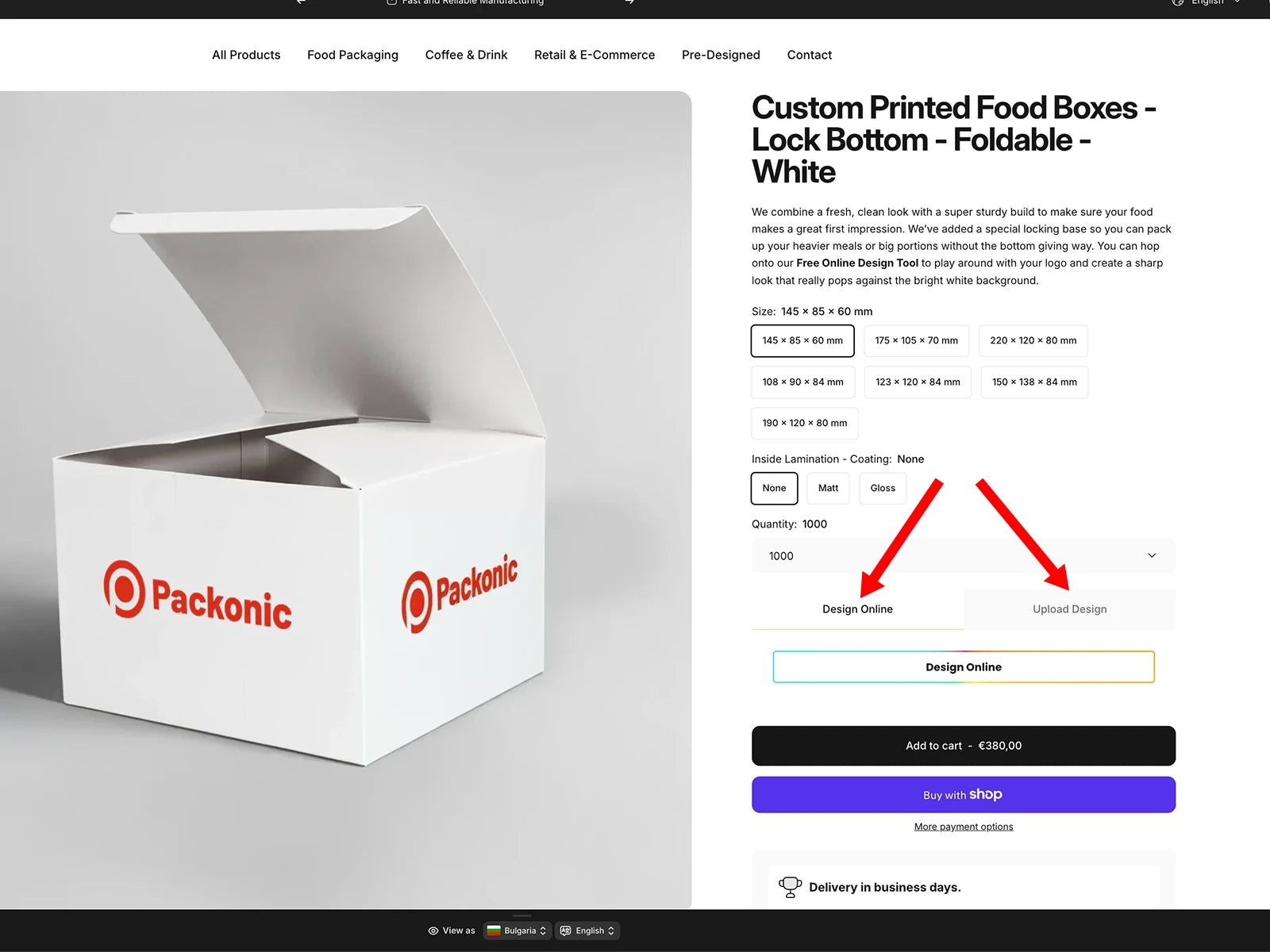
1-Select Your Product
Pick the packaging product you need, choose your size, quantity, and printing options.Go ahead with design online or uplod your design options.
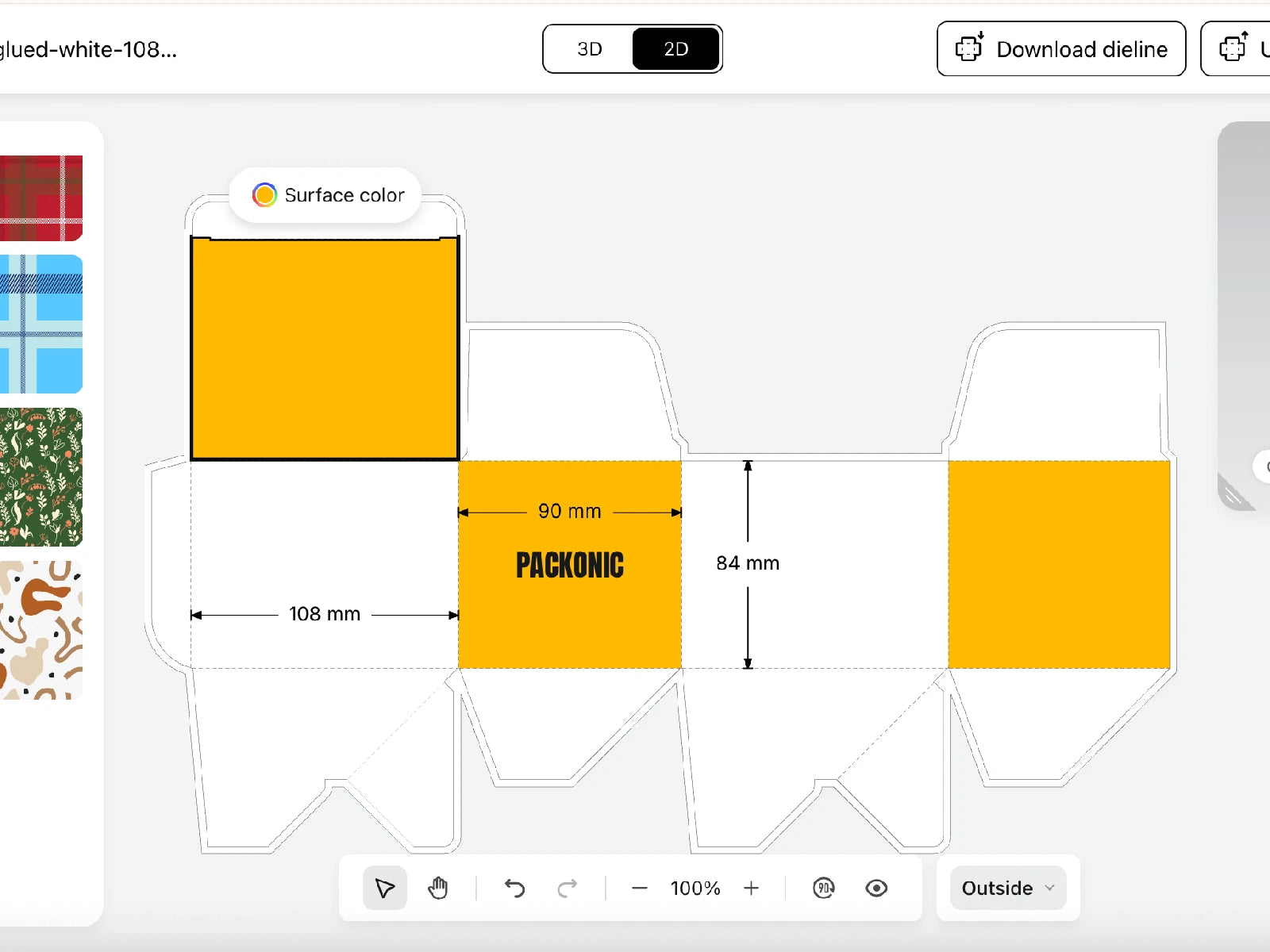
2-Design Online or Upload Your Own Design
Design it yourself or upload your own design. Download the dieline if needed, create your design, then upload it. Save and proceed to checkout.

3 - Checkout & Design Approval
Complete your purchase at checkout. Our design team will then review your artwork and send a final proof for your approval before we begin production.
Custom Printed Shipping Boxes UK for Dispatch, Fulfilment and Delivery
Custom printed shipping boxes are corrugated boxes used to pack, dispatch and deliver products while keeping your branding visible throughout the shipping process. They are suited to ecommerce businesses, online retailers, fulfilment operations and product companies that need practical transit packaging with custom print.
The main purpose of a shipping box is straightforward: to support the movement of an order from packing and dispatch through courier or postal handling to final delivery. Branding can then be added through logos, colours and artwork without changing that primary function.
Packonic offers white and kraft custom shipping boxes UK businesses can order from 250 pieces, with separate wholesale options from 2,000 pieces. Current products use 1.2 mm corrugated E-flute board with digital high-definition printing, UV ink and outside or inside-and-outside print options.
This collection is intentionally focused on shipping, dispatch, fulfilment, courier, postal, parcel and delivery packaging. If the main requirement is ecommerce presentation, subscription packaging or a branded unboxing experience, the separate Mailer Boxes collection is the more relevant starting point.
What Are Custom Shipping Boxes?
Custom shipping boxes are corrugated transit boxes printed with a company logo, colours or artwork and used to send products through fulfilment, courier or postal networks.
They combine two practical requirements: a corrugated structure for order packing and delivery, and a printable surface that allows the business to keep its identity visible while the parcel moves through the shipping process.
Printed shipping boxes can be used by ecommerce businesses, retailers, fulfilment teams, subscription operations and product brands that regularly dispatch goods directly to customers or other business locations.
The exact suitability of any box depends on the packed product, its dimensions, weight, fragility and the delivery conditions it will experience. A shipping box should therefore be selected around the real packed order rather than appearance alone.
Custom Shipping Boxes UK: Product Details at a Glance
The current Packonic shipping box range uses 1.2 mm corrugated E-flute board and is available in white and kraft versions, with standard and wholesale quantities.
Standard Custom Shipping Boxes
Board: Corrugated E-flute, 1.2 mm
Colours: White or Kraft
Minimum order: 250 pcs
Printing: Digital high-definition
Colours: 1–4 colours or CMYK
Ink: UV ink
Print options: Outside only or inside and outside
Material specification: Recycled / recyclable
Wholesale Custom Shipping Boxes
Board: Corrugated E-flute, 1.2 mm
Colours: White or Kraft
Minimum order: 2,000 pcs
Printing: Digital high-definition
Colours: 1–4 colours or CMYK
Ink: UV ink
Print options: Outside only or inside and outside
Use: Larger recurring dispatch and fulfilment volumes
Production and delivery times vary between the selected product and quantity. The individual product page should therefore be checked for the current standard or express delivery option before ordering.
Branded Shipping Boxes with Logo
Branded shipping boxes with logo allow a business to keep its identity visible while products move through packing, dispatch and delivery.
Rather than sending orders in completely generic outer packaging, businesses can print their logo, brand colours or other visual elements directly onto the corrugated box.
This can help create a consistent appearance across regular shipments, particularly where orders leave the same warehouse or fulfilment operation every day.
Shipping boxes with logo are especially relevant for businesses that want functional transit packaging without losing brand recognition during the delivery stage.
Shipping Boxes for Ecommerce Fulfilment
Ecommerce shipping boxes are used to move online orders from the packing area through dispatch and delivery to the customer.
For ecommerce operations, the box becomes part of a wider fulfilment process that can include:
- Order picking
- Product packing
- Adding protective or presentation materials
- Labelling
- Dispatch
- Courier or postal collection
- Transit
- Final delivery
The shipping box needs to fit efficiently into this workflow. A box that is unnecessarily large can create extra empty space, while a box that is too small may make packing difficult or leave insufficient room for any protective material.
Custom ecommerce shipping boxes can also improve consistency when the same product combinations are dispatched repeatedly, because packers can work with known box sizes rather than selecting different packaging for every order.
Fulfilment Boxes for Packing and Dispatch Operations
Fulfilment boxes are shipping boxes selected around repeatable warehouse packing, dispatch and delivery workflows.
For an ecommerce or fulfilment team, consistency can matter as much as appearance. Standardising suitable box sizes can make it easier to organise storage, prepare packing stations and match common order combinations to the correct shipping box.
When choosing order fulfilment boxes, consider:
- The products normally packed together
- Packed product dimensions
- Product weight
- Whether internal protection is required
- How much empty space remains after packing
- How frequently each box size is used
- Storage space at the warehouse or packing area
- Courier or postal requirements relevant to the shipment
The objective is not simply to use one box size for every order, but to build a practical set of shipping sizes around the orders the business actually dispatches.
Courier Shipping Boxes for UK Deliveries
Courier shipping boxes are corrugated boxes used to send packed products through courier delivery networks. The correct box should be chosen according to the contents and the handling conditions expected during the delivery journey.
Products may pass through multiple stages between collection and delivery, including depots, sorting points and delivery vehicles. Appropriate sizing and packing therefore matter alongside the box itself.
A courier box should not be selected only because the outside dimensions fit the product. Any internal movement, protective material and closing method should also be considered before dispatch.
Custom courier boxes can carry branding on the outside while still serving primarily as delivery and transit packaging.
Postal Boxes and Parcel Boxes for Product Dispatch
Postal boxes and parcel boxes are shipping formats used for orders that need to move through postal or parcel delivery services.
Search terms such as custom postal boxes, printed postal boxes, custom parcel boxes, printed parcel boxes and delivery boxes often describe a similar underlying requirement: a box suitable for sending a packed order from one location to another.
However, postal and courier requirements can vary according to parcel dimensions, weight and service. The selected box should therefore be assessed against the actual delivery method being used rather than assuming one format will suit every service.
Packonic’s current shipping boxes are available in several standard dimensions, allowing businesses to choose a closer fit for different order sizes.
What Shipping Box Sizes Are Available?
The current shipping box range is available in eight standard sizes from 110 × 95 × 45 mm to 350 × 300 × 100 mm.
- 110 × 95 × 45 mm
- 150 × 100 × 75 mm
- 150 × 150 × 150 mm
- 175 × 75 × 60 mm
- 250 × 200 × 100 mm
- 260 × 190 × 50 mm
- 350 × 300 × 100 mm
- 350 × 250 × 50 mm
The correct size should be chosen using the dimensions of the packed order, not simply the dimensions of the individual product.
Allow for any tissue, inserts, padding or other protective materials that will be placed inside. At the same time, avoid unnecessary internal space where possible because excessive movement can affect the way products travel inside the parcel.
How Do You Choose the Right Shipping Box Size?
Choose a shipping box that fits the packed product closely enough to limit unnecessary movement while still allowing room for any required protective material.
Before selecting a size, measure the full packed order and consider:
- Length, width and height of the products
- Whether several products are packed together
- Internal protective material
- Product fragility
- Total packed weight
- Whether the order needs inserts or dividers
- Available shipping or courier size bands
For businesses with several common order combinations, using a small range of carefully selected shipping box sizes can be more practical than forcing every shipment into one box format.
Corrugated Shipping Boxes and E-Flute Construction
Packonic shipping boxes use 1.2 mm corrugated E-flute board. Corrugated board contains a fluted layer that gives the material more structure than a single flat sheet of paperboard.
This makes corrugated shipping boxes suitable for many everyday ecommerce and parcel-dispatch applications where products need a structured outer box.
However, not every corrugated box has the same strength. Board grade, flute type, product weight and construction all affect performance.
For particularly heavy, unusually fragile or demanding shipments, do not assume that a standard 1.2 mm E-flute box is automatically a heavy-duty solution. The packed product and shipping conditions should be reviewed before ordering.
Cardboard Shipping Boxes: What Does the Material Mean?
Cardboard shipping boxes are commonly used as a broad term for boxes made from paper-based board, while the current Packonic shipping range specifically uses corrugated E-flute material.
This distinction matters when comparing products. A folding paperboard carton intended primarily for retail presentation is not structurally the same as a corrugated shipping box used as an outer delivery package.
For this collection, the relevant material terminology is therefore corrugated shipping boxes, printed corrugated boxes and custom cardboard shipping boxes in a shipping and transit context.
White or Kraft Shipping Boxes: Which Should You Choose?
White shipping boxes provide a clean printing base, while kraft shipping boxes retain a natural brown-board appearance.
Both use the same 1.2 mm E-flute specification in the current range. The choice is therefore primarily about the presentation of the printed shipping box rather than one colour automatically being more suitable for transit.
White can provide stronger contrast for bright or colourful artwork. Kraft may suit branding designed around a natural brown substrate or a more understated appearance.
The artwork should always be reviewed against the selected material because print appearance can vary between white and kraft surfaces.
Can Shipping Boxes Be Printed Inside and Outside?
Yes. Current Packonic shipping boxes can be printed outside only or on both the inside and outside.
For a shipping-led use case, exterior print is often the most important because it keeps branding visible during dispatch and delivery.
Inside printing can still be used where a business wants an additional branded surface after the parcel is opened, but it should be treated as an optional presentation feature rather than the defining purpose of a Shipping Boxes category.
This is one of the key distinctions from the Mailer Boxes category, where inside presentation and unboxing carry greater importance within the search intent.
Shipping Boxes vs Mailer Boxes: What Is the Difference?
Shipping boxes are selected primarily for dispatch, fulfilment, courier handling and transit, while mailer boxes place greater emphasis on ecommerce presentation and the unboxing experience.
The physical product can overlap. The same corrugated box may be capable of carrying an order and presenting it to the customer. The distinction is therefore about the primary reason the buyer is choosing the packaging.
Choose Shipping Boxes when your main priorities are:
- Dispatch
- Order fulfilment
- Courier delivery
- Postal or parcel shipping
- Warehouse packing
- Transit packaging
- Repeat shipping operations
Choose Custom Printed Mailer Boxes when your primary priorities are ecommerce branding, D2C presentation, subscription packaging and unboxing.
This keeps the categories distinct even when the same underlying corrugated product appears in both collections.
Shipping Boxes vs Packaging Boxes: What Is the Difference?
Shipping boxes protect and carry a packed order through dispatch and delivery, while packaging boxes focus more broadly on packaging and presenting the product itself.
A product packaging box may be designed mainly around retail presentation, shelf appeal or individual product branding. A shipping box sits further along the fulfilment journey and is selected around getting the packed order from the sender to its destination.
For retail and product-presentation intent, use Custom Packaging Boxes.
For the broader family of box formats before deciding which type you need, visit the Custom Printed Boxes hub.
Dispatch Boxes for Regular Order Processing
Dispatch boxes are shipping boxes used as part of the process of preparing completed orders for collection and delivery.
Businesses handling regular daily shipments can benefit from choosing box sizes around common order profiles. This can make it easier for packing teams to identify which box to use and reduce unnecessary variation at the packing station.
Custom dispatch boxes also allow company branding to remain consistent across outgoing orders without changing the basic warehouse workflow.
For high-volume operations, standardising appropriate shipping packaging can support a more predictable process from packing through to courier collection.
Shipping Packaging for Warehouses and Fulfilment Operations
Shipping packaging used in warehouses needs to fit efficiently into storage, packing and dispatch workflows.
The box should be practical to store before use, straightforward for packing staff to prepare and suitable for the product combination being shipped.
When selecting shipping packaging boxes for operational use, businesses should consider not only branding but also:
- How many box sizes need to be stocked
- How frequently each size is used
- Available storage space
- Average products per order
- Packing speed
- Protective material requirements
- Expected monthly shipping volume
These factors become increasingly important as ecommerce and fulfilment volume grows.
Wholesale Shipping Boxes for Higher Order Volumes
Wholesale shipping boxes are intended for businesses that need larger recurring quantities of the same printed transit packaging.
The standard white and kraft shipping products currently begin from 250 pieces, while separate wholesale custom shipping boxes begin from 2,000 pieces.
Wholesale ordering can be particularly relevant for ecommerce businesses, warehouses and fulfilment operations that repeatedly use the same box sizes and branding.
When comparing shipping boxes wholesale, consider the quantity together with the selected size, print coverage and expected ongoing usage. The lowest unit cost alone should not determine the box if the dimensions are not suitable for the orders being shipped.
Are Custom Shipping Boxes Suitable for Every Product?
No single shipping box is suitable for every product or delivery condition. Suitability depends on the packed weight, dimensions, fragility and the handling expected during transit.
The current Packonic shipping boxes use 1.2 mm E-flute corrugated board, which should be evaluated against the actual contents of the parcel.
Products that are especially heavy, highly fragile, unusually shaped or exposed to demanding logistics conditions may require additional protection or a different box specification.
Where there is uncertainty, the product and shipping requirements should be reviewed before placing a larger wholesale order.
How Do You Order Custom Printed Shipping Boxes?
To order custom printed shipping boxes, choose the board colour, size, quantity and print option, then create your design online or upload prepared artwork for approval.
- Select the box: Choose white or kraft and standard or wholesale ordering.
- Choose the size: Match the box to the full packed order.
- Select quantity: Standard quantities begin from 250 pieces and wholesale from 2,000 pieces.
- Choose print coverage: Outside only or inside and outside.
- Add artwork: Design online or upload your own artwork.
- Complete checkout: Confirm the selected specification and order.
- Approve the design: Artwork is reviewed and a final proof is sent for approval before production.
If artwork is prepared externally, use the dieline for the exact selected size rather than designing from estimated dimensions.
What Should You Check Before Ordering Shipping Boxes?
Before ordering shipping boxes, confirm the packed size, product weight, transit requirements, box quantity and print configuration.
- Contents: What products will be shipped?
- Weight: What is the total packed weight?
- Size: Which box gives an appropriate fit?
- Protection: Does the order require padding, tissue, inserts or dividers?
- Transit: How will the parcel be collected and delivered?
- Volume: How many shipments use this size each month?
- Branding: Is exterior printing sufficient or is inside printing also required?
- Quantity: Is the standard 250-piece route or 2,000-piece wholesale option more suitable?
- Storage: Is there enough warehouse space for the selected quantity?
This keeps the decision focused on the primary role of custom shipping boxes: reliable and consistent packaging for packing, dispatch and delivery.
Custom Printed Shipping Boxes for a More Consistent Dispatch Process
Custom printed shipping boxes combine corrugated transit packaging with brand visibility across fulfilment and delivery. They allow ecommerce businesses and product brands to standardise the packaging used for outgoing orders while keeping logos and visual identity visible on the parcel.
Packonic’s current white and kraft custom shipping boxes use 1.2 mm E-flute corrugated board, offer outside or inside-and-outside digital printing and begin from 250 pieces, with separate wholesale options from 2,000 pieces.
Use this collection when your priority is custom printed shipping boxes, branded shipping boxes, shipping boxes with logo, ecommerce shipping boxes, courier boxes, postal boxes, parcel boxes, dispatch boxes, fulfilment boxes, corrugated shipping boxes or wholesale shipping boxes.
For ecommerce presentation and unboxing-led packaging, use Custom Printed Mailer Boxes. For product and retail presentation, use Custom Packaging Boxes. For the broad box family, start with Custom Printed Boxes.