

Custom Printed Boxes
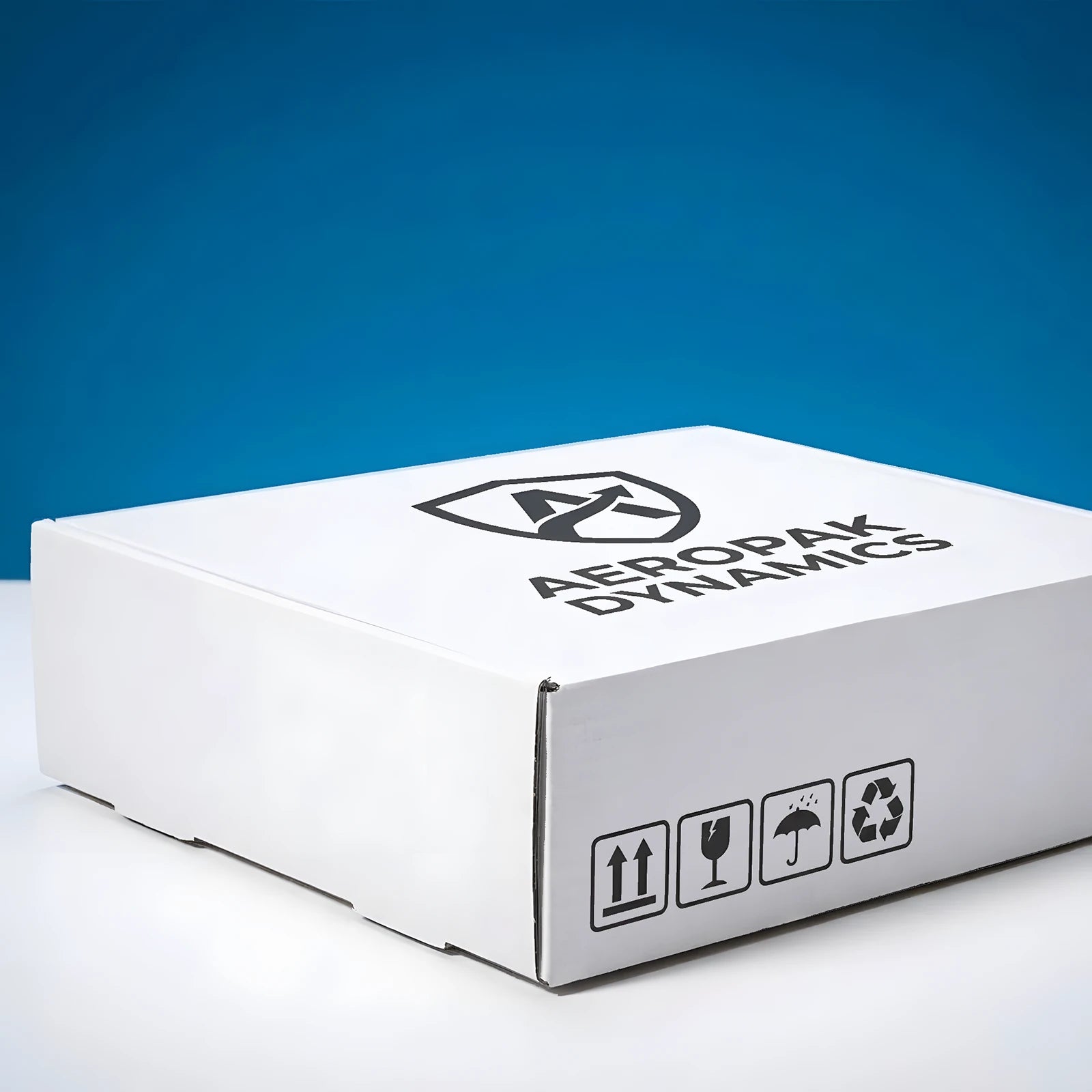
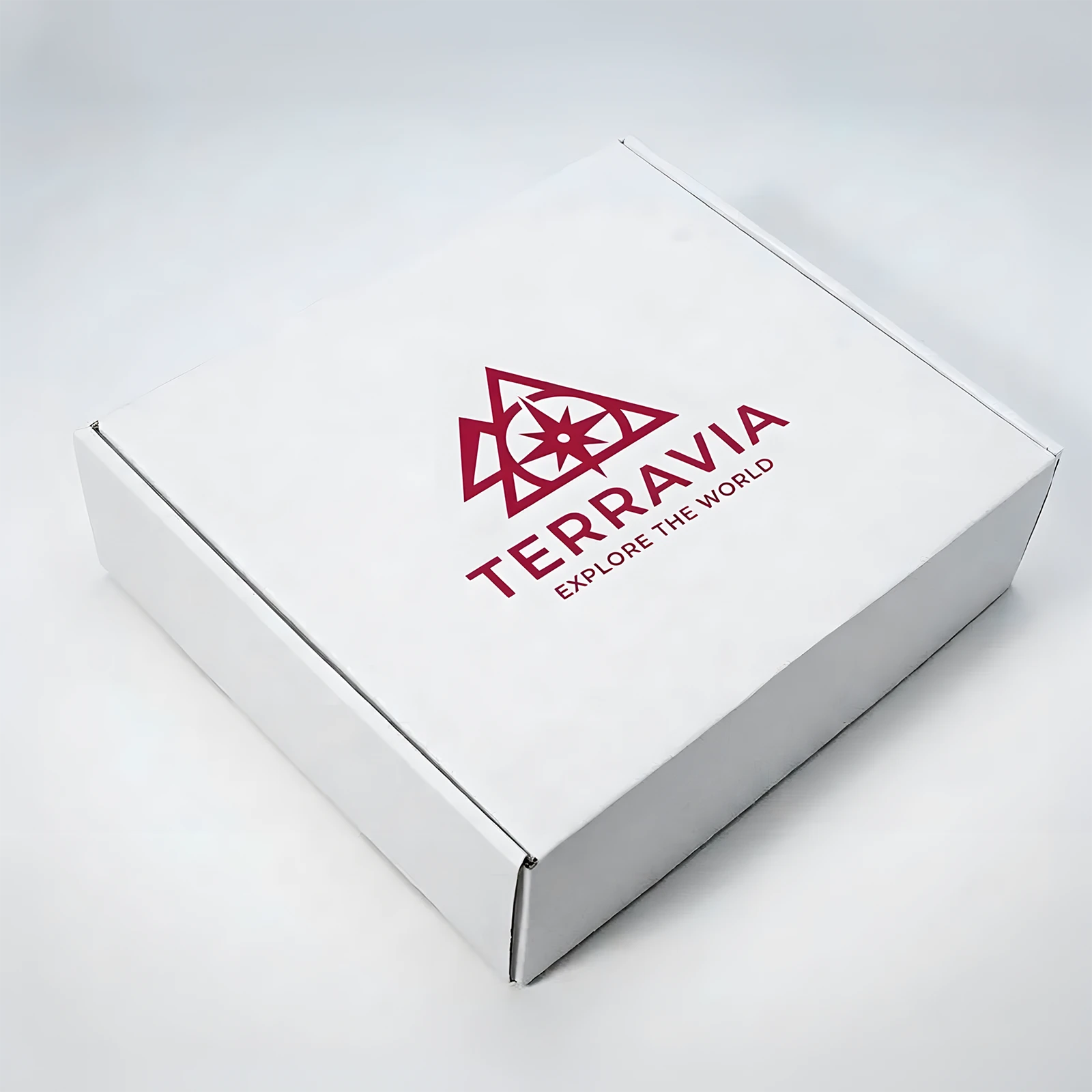
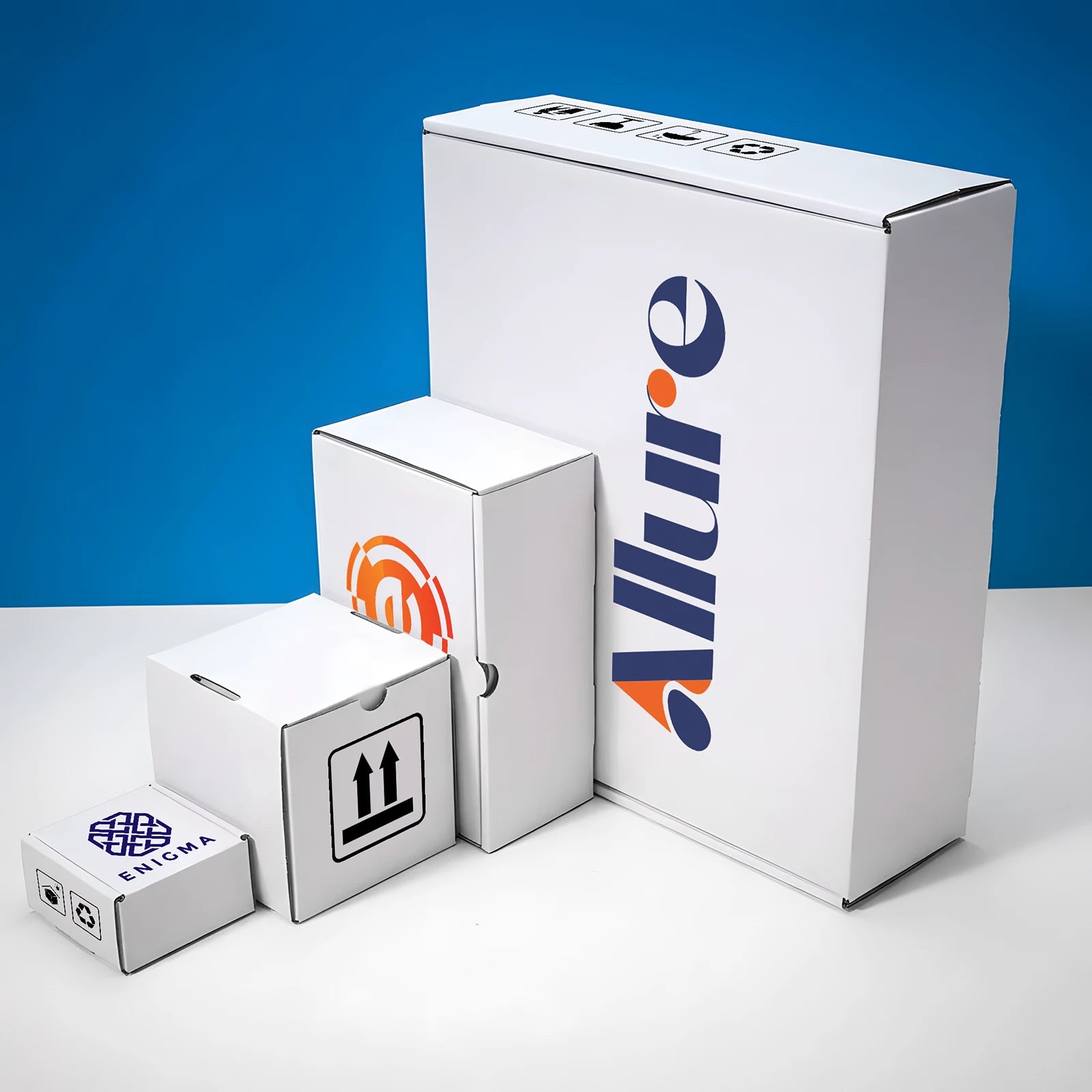
Min. 250 pcs
Free delivery in 21-28 days
Express delivery in 7-10 days
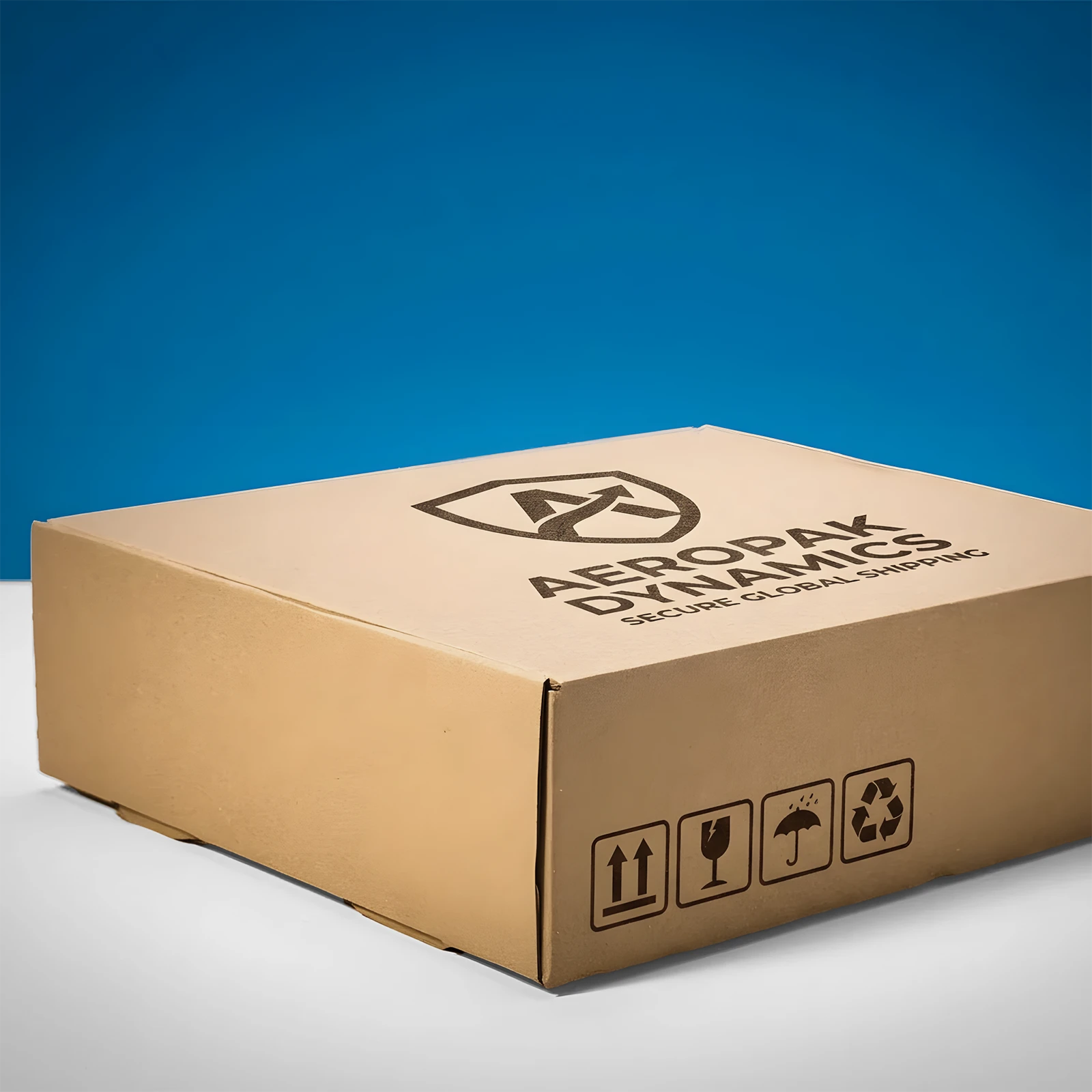
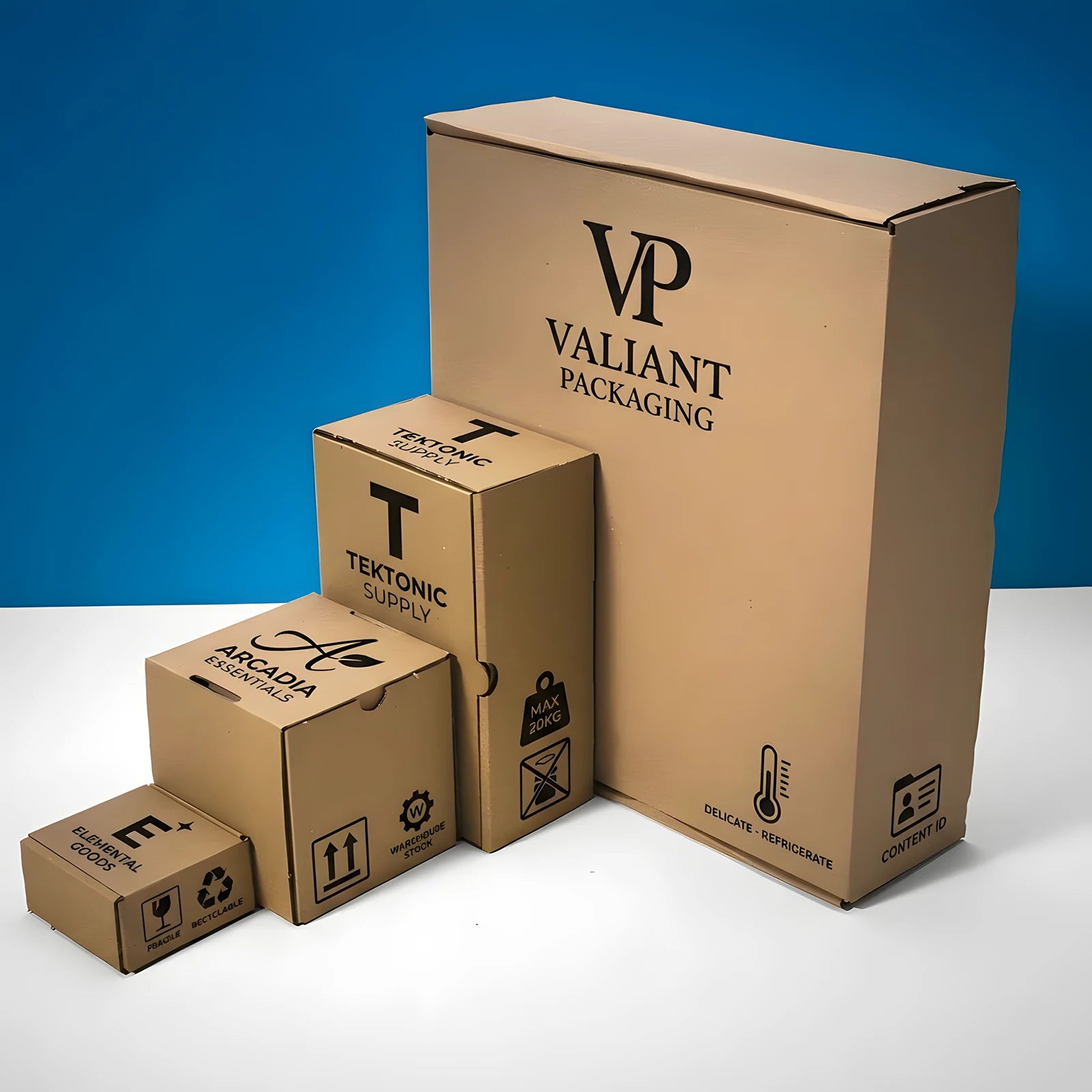
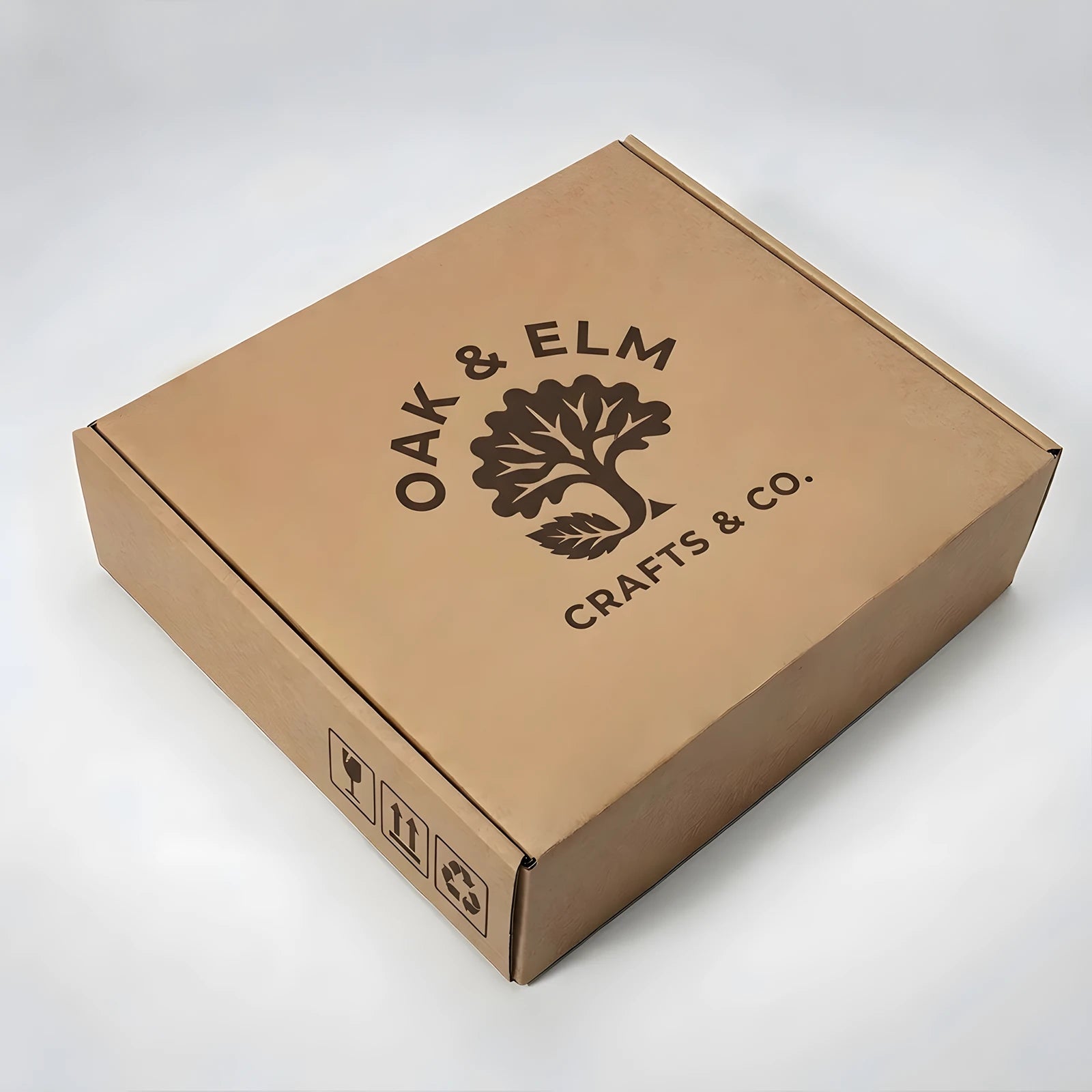
Min. 250 pcs
Free delivery in 14-21 days
Express delivery in 5-10 days
Min. 2000 pcs
Free delivery in 28-35 days
Min. 2000 pcs
Free delivery in 28-35 days
Design your custom takeaway packaging in under a minute with our intuitive online tool. Select your product, size, and quantity, then simply upload your artwork or design directly online. Once you check out, our expert team will collaborate with you to ensure your final packaging perfectly reflects your brand identity.
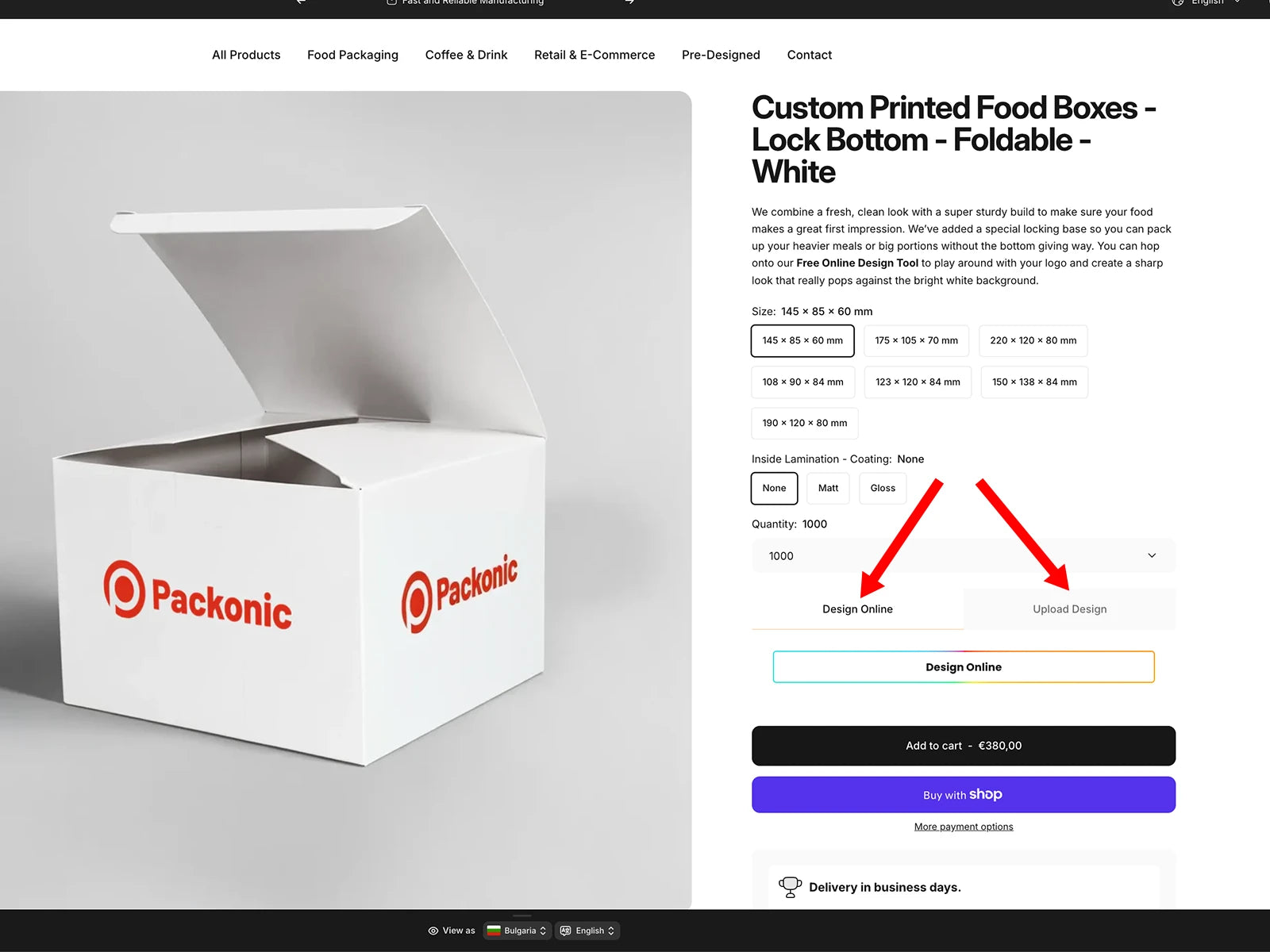
1-Select Your Product
Pick the packaging product you need, choose your size, quantity, and printing options.Go ahead with design online or uplod your design options.
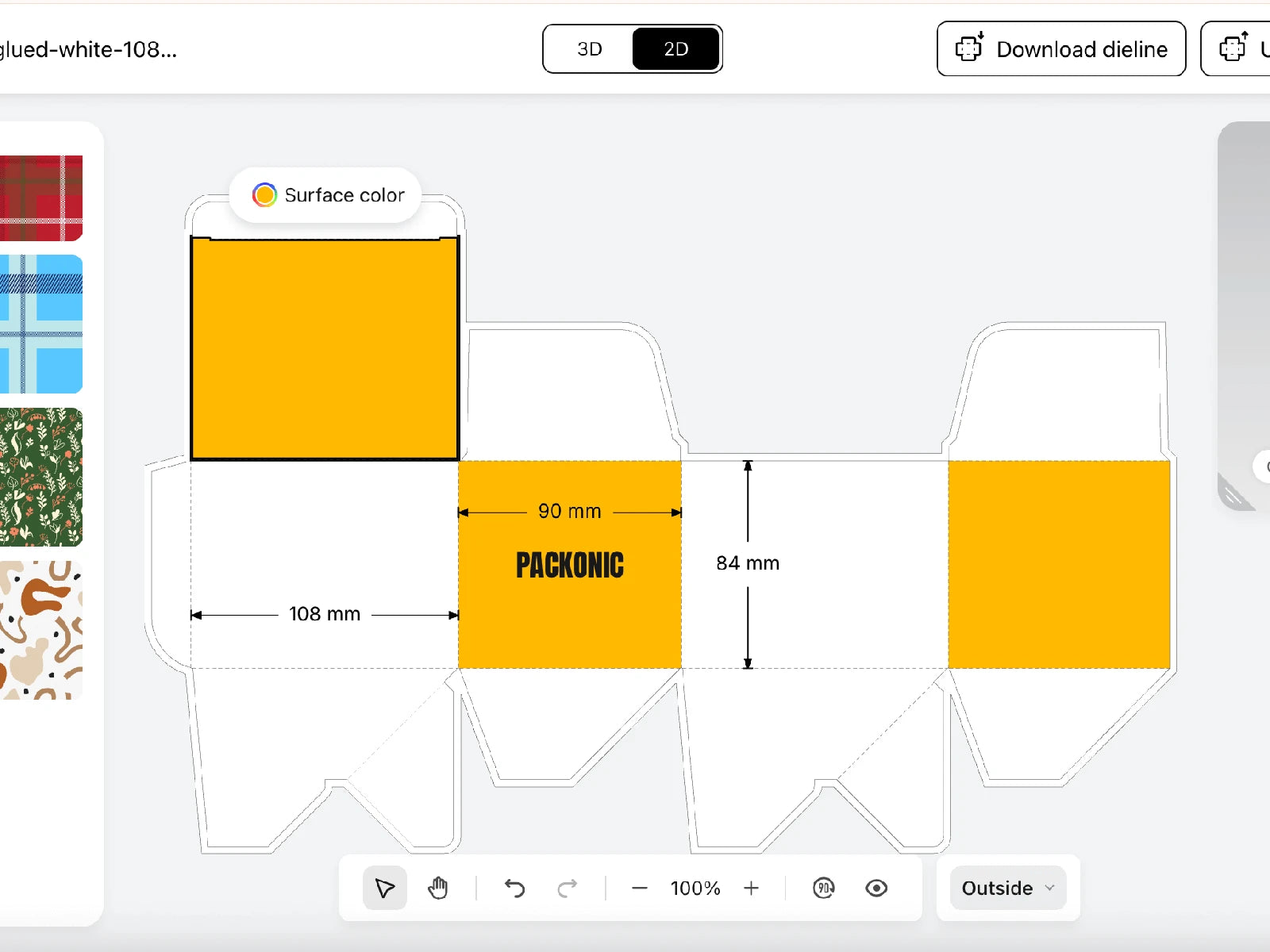
2-Design Online or Upload Your Own Design
Design it yourself or upload your own design. Download the dieline if needed, create your design, then upload it. Save and proceed to checkout.

3 - Checkout & Design Approval
Complete your purchase at checkout. Our design team will then review your artwork and send a final proof for your approval before we begin production.
Custom Printed Boxes for UK Brands, Retailers & Ecommerce Businesses
Custom printed boxes give businesses a way to combine practical packaging with consistent brand presentation across retail, ecommerce, delivery and food service. From products being packed for an online order to branded boxes used for customer delivery, the right box should protect what is inside while fitting naturally into the way the business operates.
Packonic's Boxes collection acts as the main starting point for UK businesses comparing different types of custom boxes. The wider range includes packaging boxes for product presentation, mailer boxes for branded ecommerce orders, shipping boxes for fulfilment and delivery, and food boxes for takeaway and food service.
Rather than treating every printed box as the same product, this hub helps businesses identify which box family suits their actual use before moving into the relevant specialist collection.
What Are Custom Printed Boxes?
Custom printed boxes are boxes personalised with a business logo, colours, artwork or other visual elements instead of being supplied as completely plain packaging.
Depending on the application, customisation may be used to:
- Display a logo or brand name
- Create a recognisable ecommerce delivery experience
- Present products in retail
- Support shipping and fulfilment
- Package takeaway or delivered food
- Keep packaging visually consistent across different sales channels
The important distinction is that the print itself is only one part of the decision. Box structure, size, material, assembly method and intended use need to be appropriate before branding is added.
Custom Boxes vs Printed Boxes vs Branded Boxes
Custom boxes, printed boxes, branded boxes and personalised boxes are often used to describe closely related packaging requirements, but each term can place emphasis on a different part of the buying decision.
- Custom boxes is the broadest term and can refer to boxes selected or produced around a particular product, size, design or business requirement.
- Custom printed boxes specifically highlights printing and artwork applied to the box.
- Branded boxes focuses on maintaining a recognisable business identity through logos, colours and design.
- Personalised boxes is commonly used when packaging is customised for an individual company, campaign, product range or design.
For most UK businesses, these requirements overlap. The best solution is usually a box that performs its practical role correctly and carries the branding needed for that particular stage of the customer journey.
Which Type of Custom Box Do I Need?
The right box depends primarily on what is being packed and what needs to happen to it next.
A product sitting on a retail shelf has different packaging requirements from an ecommerce order travelling through a courier network. Likewise, a takeaway food box has different material and food-contact requirements from a box used to ship clothing or accessories.
Packonic's main box categories can be separated into four broad uses:
- Packaging Boxes: for product presentation, retail and general branded packaging
- Mailer Boxes: for ecommerce orders and branded unboxing
- Shipping Boxes: for delivery, fulfilment, dispatch and logistics
- Food Boxes: for takeaway, delivery and food service
Choosing the correct family first helps avoid comparing products that may look similar but are designed for very different jobs.
Custom Packaging Boxes for Products & Retail
Custom packaging boxes are suited to businesses that need a box primarily for product presentation and branded packaging rather than focusing only on shipping.
They may be used by ecommerce brands, retailers, fashion businesses, beauty brands, gift companies and other product-focused businesses where the box forms part of how the product itself is presented.
The key considerations usually include:
- Product dimensions
- How the item will sit inside the box
- Whether the packaging will be visible before purchase
- The level of branding required
- Whether another outer shipping package will also be used
For detailed product-packaging intent, visit Custom Packaging Boxes.
Custom Printed Mailer Boxes for Ecommerce & Unboxing
Mailer boxes are closely associated with ecommerce because their structure works well for products being packed and presented directly to customers.
For online brands, the box can become one of the first physical touchpoints after a digital purchase. This makes mailer packaging particularly relevant to businesses that care about both fulfilment and the unboxing experience.
Typical uses can include:
- Ecommerce orders
- D2C products
- Subscription orders
- Fashion and accessories
- Beauty and lifestyle products
- Gift sets
- Influencer and promotional packs
Because mailer-related keywords carry their own strong commercial intent, businesses specifically looking for this structure should continue to the dedicated Custom Printed Mailer Boxes collection.
Custom Printed Shipping Boxes for Delivery & Fulfilment
Shipping boxes are primarily selected around delivery, product protection, warehouse handling and fulfilment.
They are particularly relevant to businesses sending products through courier or postal networks where packaging needs to work reliably through packing, storage, dispatch and transit.
A shipping box may also carry branding, but its role begins with logistics.
Businesses comparing shipping packaging should consider:
- Product weight and dimensions
- How much protection is required
- Box strength and construction
- Available warehouse space
- Packing speed
- Courier and delivery conditions
- Order volume
Packonic's current shipping-box range includes corrugated options with different sizes and order quantities. Detailed shipping specifications belong in the dedicated Custom Printed Shipping Boxes collection.
Custom Food Boxes for Takeaway, Delivery & Food Service
Custom food boxes form a separate branch of the Boxes range because packaging that comes into contact with food needs to be selected around the food being served as well as its shape and service method.
Restaurants, takeaways, cafés, bakeries, delivery businesses and other food operators may require boxes for:
- Prepared meals
- Burgers and fast food
- Takeaway orders
- Food delivery
- Bakery and dessert products
- Grab-and-go food
Food boxes can also provide a strong branding surface, but food suitability, structure and handling requirements should come before artwork decisions.
For food-specific formats, quantities and specifications, visit Custom Food Boxes.
Mailer Boxes vs Shipping Boxes: What Is the Difference?
Mailer boxes and shipping boxes can overlap in ecommerce use, but they should not automatically be treated as identical packaging.
Mailer boxes generally place more emphasis on the combination of ecommerce fulfilment, presentation and unboxing. Shipping boxes place greater emphasis on transit, dispatch and logistical performance.
A useful way to think about the distinction is:
- Mailer box: customer-facing ecommerce packaging where presentation is an important part of the experience
- Shipping box: delivery-focused packaging where handling, dispatch and product protection are central considerations
The right option depends on the product and delivery process rather than which term sounds more premium.
Packaging Boxes vs Shipping Boxes: Which Should I Choose?
If the primary purpose of the box is product presentation, start with packaging boxes. If the box needs to travel through a courier, fulfilment or distribution process, shipping requirements become more important.
Some businesses use both.
For example, a retail product may have its own branded product box and then be placed inside separate shipping packaging for ecommerce delivery. In another business, a suitably designed mailer may serve as both the branded presentation and delivery format.
There is no need to add a second box purely for branding if the first packaging format already performs the required practical and presentation roles.
Food Boxes vs General Packaging Boxes
Food boxes should be selected as food packaging rather than treated as ordinary product boxes.
The intended food, serving temperature, handling method and any food-contact requirements can affect the correct material and box construction.
A box used for clothing, cosmetics or retail products should therefore not automatically be assumed suitable for takeaway food simply because the dimensions appear appropriate.
This separation is important both for users and search engines: the general Boxes hub can explain the relationship, while the specialist Food Boxes collection owns the detailed food packaging buying intent.
Branded Boxes With Logo for UK Businesses
Branded boxes with logo allow businesses to carry their identity onto a packaging format customers physically interact with.
Depending on the box and product, branding may include:
- Company logo
- Brand colours
- Typography
- Patterns
- Website or social details
- Campaign artwork
- Instructions or supporting messages
The most effective box design does not necessarily use every available surface. A clear logo, appropriate colour treatment and well-spaced artwork can often produce a stronger result than filling the entire box with visual information.
Custom Cardboard Boxes for Retail & Ecommerce
Custom cardboard boxes are widely used across retail and ecommerce because paper-based board and corrugated structures can be adapted to different packaging requirements.
However, “cardboard box” is a broad description rather than one technical specification.
The correct construction can vary depending on:
- Box type
- Product weight
- Size
- Whether the box is for presentation or transit
- Required rigidity
- Printing method
For this reason, businesses searching for printed cardboard boxes should first identify whether they actually need a packaging box, mailer box, shipping box or food box.
Corrugated Boxes for Ecommerce & Shipping
Corrugated boxes are particularly relevant to ecommerce and shipping applications because the fluted structure can provide greater rigidity than simpler paperboard formats.
Packonic's current shipping-box products use corrugated E-flute board, making corrugated construction especially relevant to the dedicated shipping and mailer ranges. Product-specific board thicknesses and materials should still be confirmed on the selected product page before ordering.
Businesses that specifically require delivery and fulfilment packaging should use the Shipping Boxes or Mailer Boxes collections rather than treating every box in the wider hub as corrugated shipping packaging.
White or Kraft Custom Boxes?
White and kraft are common starting points for many types of custom printed boxes, but the best choice depends on the individual product and the visual direction of the brand.
White boxes can provide a clean, neutral printing surface and may suit businesses using bright or varied artwork.
Kraft boxes create a more natural brown-board appearance and can work particularly well with simpler branding and darker print.
Not every box family necessarily offers identical material, colour or print options, so white and kraft availability should be confirmed within the relevant specialist collection.
Custom Boxes for Ecommerce Businesses
For ecommerce businesses, the box needs to work across several stages before the customer ever opens it.
A typical journey may involve:
- The empty packaging being stored
- A team member assembling the box
- The product being packed
- The order being labelled and dispatched
- Courier handling
- Delivery to the customer
- The customer opening the order
The best ecommerce boxes therefore balance packing efficiency, protection, storage and presentation.
Brands that place particular emphasis on customer-facing unboxing may prefer a mailer format, while businesses prioritising delivery and fulfilment may begin with the shipping-box range.
Custom Boxes for Retail Products
Retail packaging has a different priority from shipping because the box may be part of the product presentation before the item has even been purchased.
Custom product boxes can help connect the physical product with the brand customers already recognise from a shop, website or advertising.
Retail businesses should consider:
- Product fit
- How the box appears when displayed
- How easy it is to open and close
- The amount of printed information required
- Whether another outer package is needed for ecommerce
Detailed product-box requirements belong in Custom Packaging Boxes, allowing the main Boxes hub to remain broad enough to serve all box buyers.
Custom Boxes for Small Businesses
Custom boxes for small businesses need to balance branding with practical purchasing considerations such as minimum quantities, available storage and how quickly packaging will actually be used.
A growing brand should avoid ordering several highly specific box formats before understanding which products and sizes generate the majority of orders.
A useful starting approach is to:
- Identify the most frequently sold products
- Group products that can use the same box size where practical
- Determine whether presentation or shipping is the main requirement
- Choose the box family before choosing artwork
- Estimate realistic monthly usage
- Leave enough flexibility for product-range changes
Once sales become more predictable, the packaging system can become more specialised.
Custom Boxes for Growing & Multi-Site Businesses
As businesses grow, packaging requirements often become less about choosing one attractive box and more about creating a repeatable packaging system.
Growing ecommerce, retail and hospitality businesses may need to standardise:
- Core box formats
- Box dimensions
- Artwork files
- Brand colours
- Product-to-box matching
- Reordering specifications
- Packaging quantities
This helps ensure that the same brand presentation can be reproduced by different staff members, fulfilment teams or business locations.
Wholesale Custom Printed Boxes for Higher Volumes
Wholesale custom boxes can become relevant once a business has stable packaging requirements and predictable order volumes.
Larger quantities may reduce the effective cost per box on selected products, but ordering volume should be based on actual consumption rather than unit price alone.
Before moving into higher-volume packaging, consider:
- Monthly usage
- Storage capacity
- Product changes
- Upcoming rebrands
- Seasonal demand
- How long the stock may take to use
Packonic's specialist categories include different starting quantities depending on the exact box product, so there is no single minimum order quantity that should be applied across the entire Boxes hub.
How Do I Choose the Right Box Size?
The right custom box size should be determined around the product and any internal packaging rather than simply choosing the nearest standard dimension.
Measure:
- Product length
- Product width
- Product height
- Any internal wrapping or protective materials
- Whether several products will be packed together
A box that is much larger than necessary can increase empty space, reduce presentation quality and create unnecessary material use. A box that is too tight may make packing difficult or fail to provide the required product protection.
The correct balance depends on whether the box is primarily a retail package, mailer, shipping box or food container.
How Should a Business Choose Between Several Box Sizes?
A business with several products does not necessarily need a unique box size for every SKU.
Where practical, products can sometimes be grouped into a smaller number of packaging formats. This can simplify:
- Storage
- Stock counting
- Staff training
- Packing
- Reordering
However, standardisation should not create excessive empty space or compromise product protection simply to reduce the number of box sizes.
The most effective system uses enough variation to package products properly without creating unnecessary complexity.
Inside or Outside Printing on Custom Boxes
Printing position can influence how customers experience branded boxes.
External printing makes branding visible before the box is opened, while internal printing can introduce additional artwork during the opening process.
Some Packonic box products provide outside-only or inside-and-outside print configurations, but these options vary by individual product and should not be assumed to apply to every box in the collection.
The design decision should also reflect the purpose of the box. Shipping packaging may benefit from clear external branding, while an ecommerce mailer may use both exterior presentation and an internal unboxing design where the selected specification supports it.
Custom Printed Boxes for Subscription Businesses
Subscription businesses use packaging repeatedly with the same customer, making consistency particularly important.
A subscription box needs to work operationally for regular fulfilment while remaining recognisable when each new order arrives.
Businesses should consider:
- Whether products change size between deliveries
- How frequently boxes are dispatched
- Whether one box size can cover several subscription configurations
- How much branding is needed on every shipment
- How long printed stock will remain current
For subscription businesses where presentation and unboxing are central, the dedicated Mailer Boxes category is the more relevant next step.
Custom Printed Boxes for D2C Brands
Direct-to-consumer businesses depend heavily on packaging because a customer may never visit a physical shop before receiving the product.
For a D2C brand, the box can connect the digital buying journey to the physical product.
This makes the relationship between:
- Product protection
- Fulfilment
- Brand recognition
- Unboxing
- Repeat ordering
particularly important.
The most suitable box may be a branded packaging box, mailer or shipping box depending on how the product is sold and delivered.
Boxes for Fashion, Beauty, Gifts & Lifestyle Products
Fashion, beauty, jewellery, gift and lifestyle businesses often place greater emphasis on box presentation because the packaging contributes to how customers perceive the product.
For these businesses, the correct packaging may depend on whether the box is:
- The product's primary retail package
- A gift box
- An ecommerce mailer
- An outer shipping container
Those roles should not automatically be combined. A product box that presents an item beautifully may still need separate outer packaging before entering a courier network.
Boxes for Takeaway & Food Delivery Businesses
Food businesses have a different set of packaging priorities. Boxes must suit the type of food, packing workflow and service method while maintaining brand presentation.
A restaurant or takeaway should consider:
- The food being packed
- Portion dimensions
- Whether the food is collected or delivered
- Assembly speed during busy service
- Food-contact material requirements
- How the box works with bags and other takeaway packaging
These requirements are handled more specifically within Custom Food Boxes, where food-box formats can be compared without forcing general ecommerce box terminology into food packaging searches.
Designing Custom Printed Boxes With Your Logo
Artwork for custom boxes with logo should be developed around the three-dimensional package rather than treated like a flat advertising graphic.
Important design considerations include:
- Which panel is seen first
- Where the logo remains visible after assembly
- How folds affect artwork
- Whether small text will remain readable
- Brand colour consistency
- How several box sizes will work together
- Whether internal printing is needed on the selected product
Packonic's current ordering process allows customers to select a product and configuration, upload or prepare artwork and review a final proof before production.
Should Every Side of a Custom Box Be Printed?
No. More print coverage does not automatically create stronger packaging.
For many brands, one strong logo panel and a restrained supporting design can create a clearer identity than placing large graphics across every available surface.
The correct level of print depends on:
- Brand style
- Box format
- Customer-facing surfaces
- Print options available for the selected product
- Whether the packaging will also carry courier labels
The objective should be recognisable and practical packaging rather than maximum artwork coverage.
How Custom Boxes Support Brand Recognition
Packaging can reinforce brand recognition because customers repeatedly encounter the same colours, logo and design elements when receiving or purchasing products.
This is particularly relevant to ecommerce, where the physical box may be one of relatively few offline interactions between the business and customer.
Consistent printed boxes can help connect:
- Website design
- Social media
- Retail presentation
- Delivery
- The physical product
The packaging does not need to communicate every brand message. Its main job is to remain identifiable while fulfilling its practical purpose.
Custom Boxes & the Unboxing Experience
Unboxing refers to the experience of opening an order and discovering the product inside.
A considered unboxing experience does not require excessive packaging layers. It can be created through:
- An appropriately sized box
- Neat product placement
- Clear branding
- A logical opening sequence
- Consistent internal presentation
Mailer boxes are particularly closely associated with branded ecommerce unboxing, while shipping boxes may place greater emphasis on delivery performance.
Keeping those distinctions clear allows each specialist category to rank for its own buyer intent without the broad Boxes page attempting to own every long-tail query.
How Can Businesses Avoid Over-Packaging?
A strong box does not need to be surrounded by unnecessary packaging.
Businesses can review their packaging system by asking:
- Is the box significantly larger than the product?
- Is an additional outer box genuinely necessary?
- Could several similar products use one common format?
- Are decorative layers adding meaningful value?
- Is the packaging appropriate for the delivery method?
Using the correct format and size can help create a cleaner packing process while avoiding unnecessary complexity.
Custom Printed Boxes & FSC-Certified Manufacturing
Packonic's UK website states FSC Certified Manufacturing. Because the Boxes hub includes several different packaging formats, boards and intended applications, product-specific certification and material information should still be checked against the exact item being ordered.
The same applies to terms such as recyclable, recycled or other sustainability claims. Different box products can have different specifications, so these attributes should not automatically be applied to every item simply because they sit within the same collection.
How Much Custom Box Packaging Should I Order?
The correct order quantity depends on the individual box product, business volume and available storage.
When planning an order, consider:
- Average monthly box consumption
- Number of products using the same format
- Seasonal sales changes
- Warehouse or stockroom capacity
- Expected packaging redesigns
- New product launches
- Frequency of repeat orders
Minimum quantities vary substantially between Packonic's different box families and products. For that reason, the exact MOQ should be taken from the relevant specialist collection or product page rather than using one figure for the entire Boxes category.
How to Build a Complete Custom Box Packaging System
A business with several packaging requirements can build its box system in a logical order:
- Identify the product: Measure what needs to be packed and determine its protection requirements.
- Define the purpose: Retail presentation, ecommerce, shipping or food service?
- Choose the correct box family: Packaging, mailer, shipping or food box.
- Select the size: Match the box to the product and any required internal packaging.
- Plan the branding: Decide which surfaces need logos, colours or artwork.
- Estimate volume: Base quantities on actual usage and available storage.
- Test the workflow: Make sure staff can assemble and pack the chosen format efficiently.
- Standardise successful formats: Keep proven dimensions and artwork consistent for repeat ordering.
This creates a packaging structure built around real business requirements rather than selecting boxes individually without considering how they relate to one another.
Which Custom Box Category Should I Choose?
If you already know what the box needs to do, move into the relevant specialist collection for detailed specifications and buying information:
- For general product presentation and branded product packaging: Custom Packaging Boxes
- For ecommerce presentation, D2C orders and branded unboxing: Custom Printed Mailer Boxes
- For fulfilment, courier delivery and dispatch: Custom Printed Shipping Boxes
- For restaurants, takeaways, delivery and food service: Custom Food Boxes
If you are still deciding, start with the purpose of the box rather than the name. Determine whether your priority is product presentation, ecommerce unboxing, shipping performance or food service, then compare the products inside the relevant specialist category.
Custom Printed Boxes for a Complete UK Packaging Strategy
Custom printed boxes UK businesses use can serve very different purposes, from presenting a product on a retail shelf to carrying an ecommerce order through a delivery network or serving food to a takeaway customer.
That is why the strongest packaging strategy does not treat every box as interchangeable. A custom packaging box, mailer box, shipping box and food box each has its own role, buyer intent and technical requirements.
The Boxes collection provides the broad starting point for custom boxes, printed boxes, branded boxes, personalised boxes and custom cardboard boxes, while Packonic's specialist collections provide the deeper product information required once the intended use is known.
By choosing the structure first and branding second, UK businesses can build box packaging that supports product protection, efficient operations and a more consistent customer experience without forcing one packaging format to perform every job.