Custom Retail Packaging for UK Brands, Shops & Ecommerce Businesses
Custom retail packaging brings together the packaging elements that shape how a product is presented, purchased, carried home or received through ecommerce. For UK retailers, independent brands and online businesses, packaging is no longer limited to one box or bag; it can include product packaging, tissue, labels, tags, ecommerce packaging and other branded elements working together as one system.
Packonic's retail packaging UK range is designed as a broader starting point for businesses building that system. Whether products are sold from a high-street shop, independent boutique, ecommerce store, marketplace, pop-up or through a combination of online and physical retail, the aim is to create packaging that supports the product while keeping the brand recognisable from purchase to unboxing.
Rather than treating every packaging item as an isolated purchase, a strong retail packaging strategy considers how each element works together across product presentation, checkout, fulfilment, delivery and the final customer experience.
What Is Custom Retail Packaging?
Custom retail packaging is packaging created around a retailer's product, brand identity and sales environment rather than relying entirely on generic unbranded packaging.
It can include the packaging immediately surrounding the product, branded details added at the point of sale and outer packaging used when an order is shipped to the customer.
A typical retail packaging system may involve:
- Product boxes
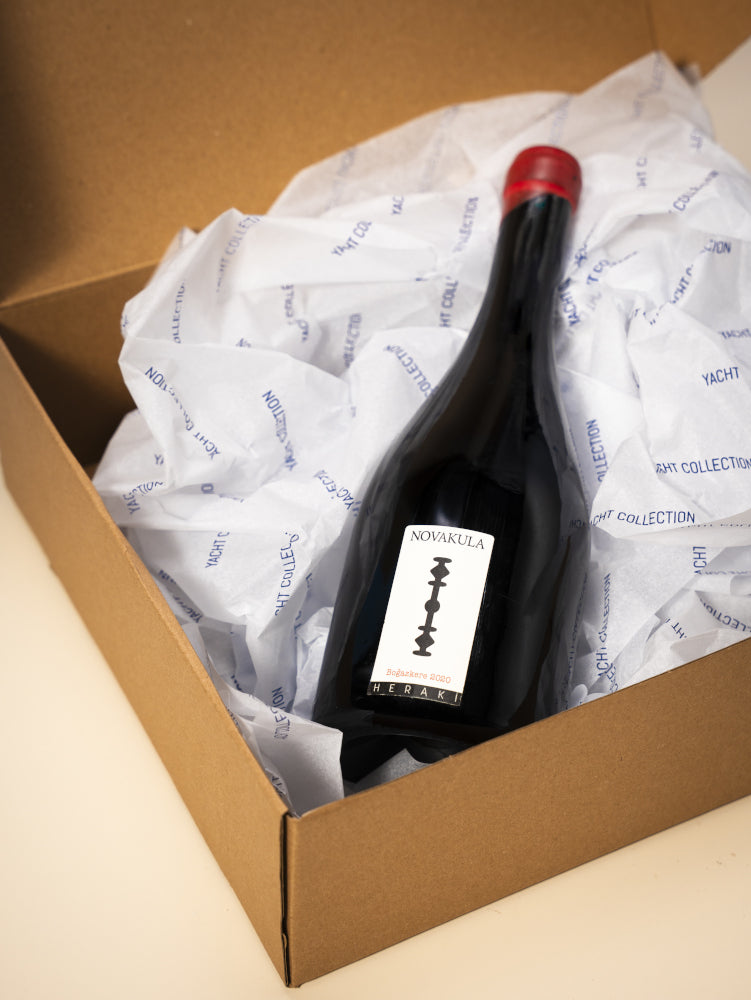
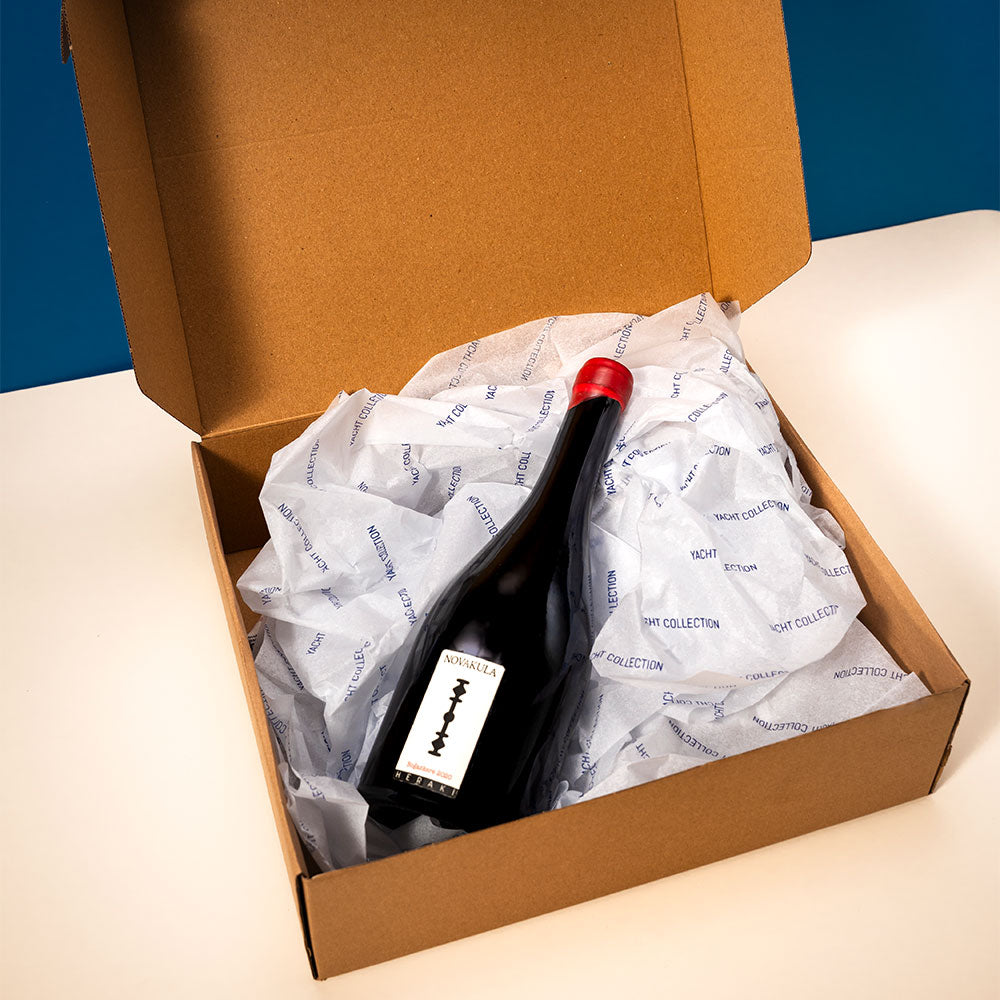
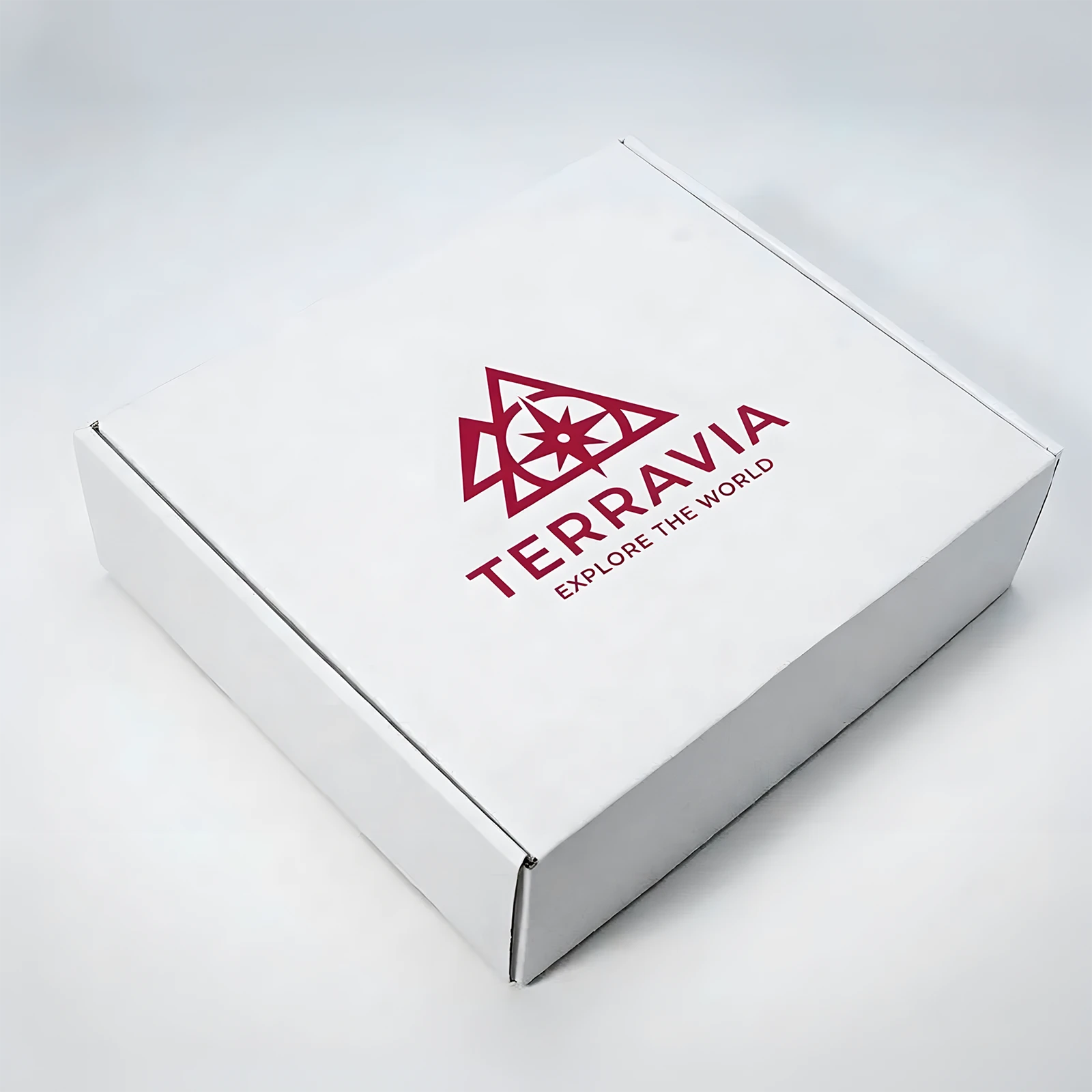
- Ecommerce or mailer packaging
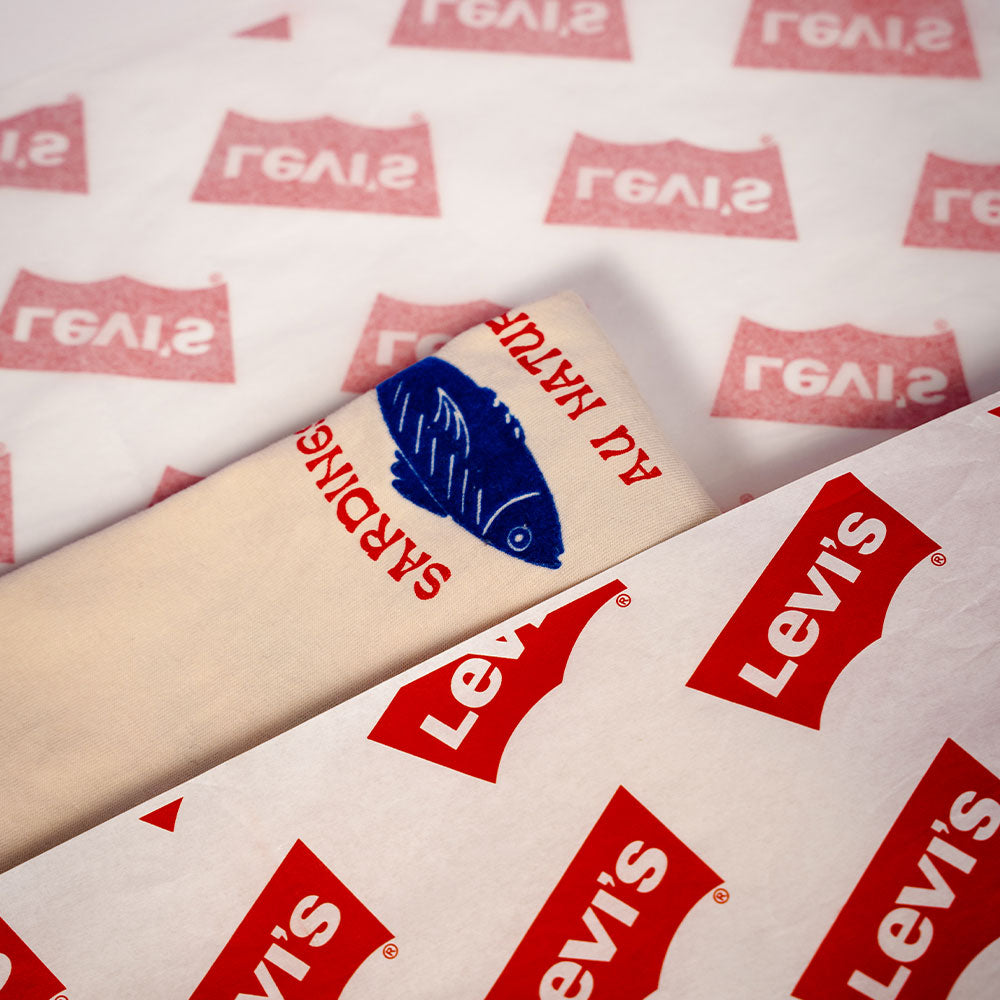
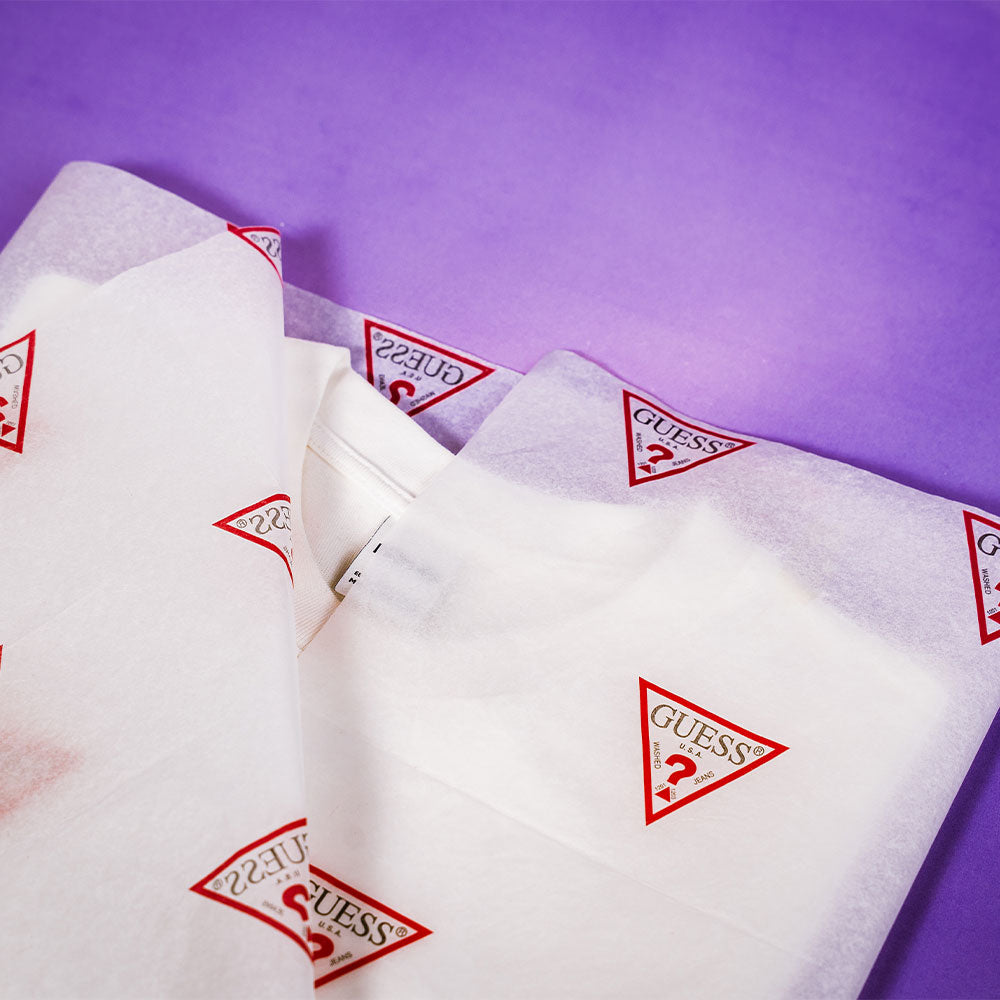
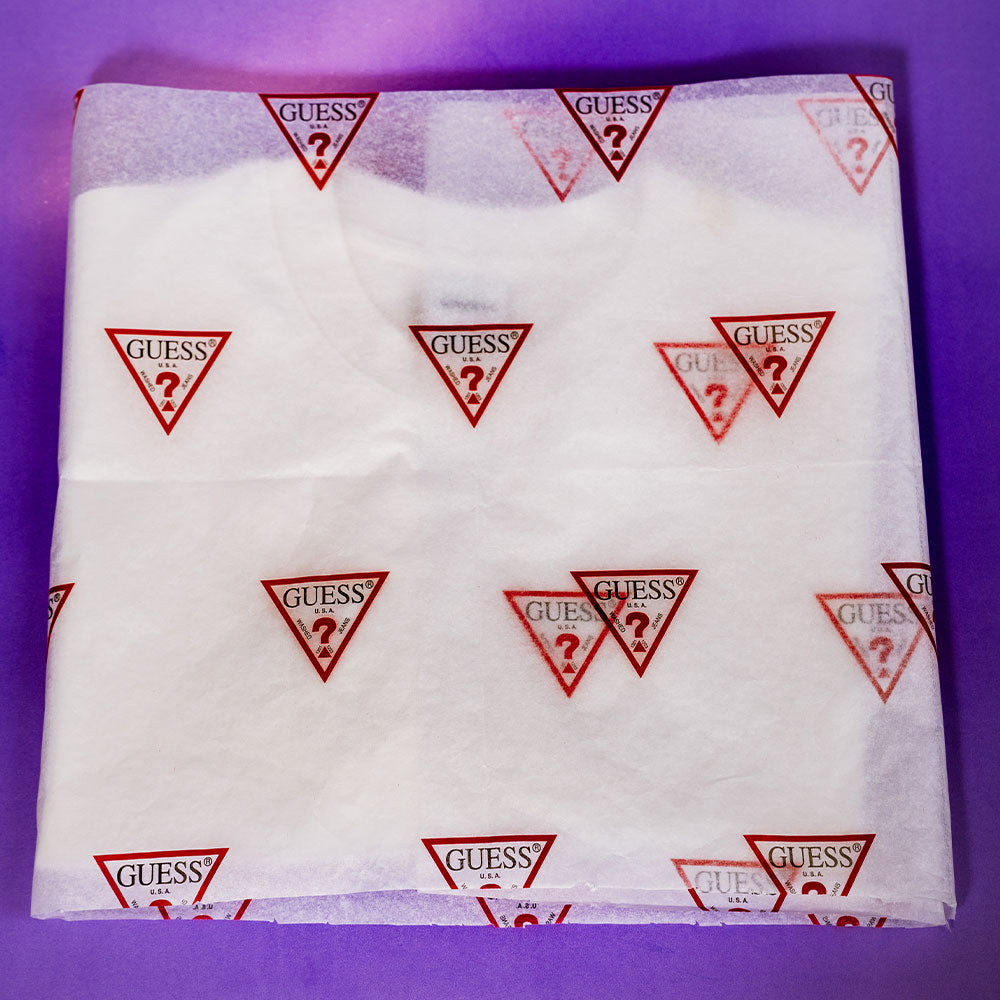
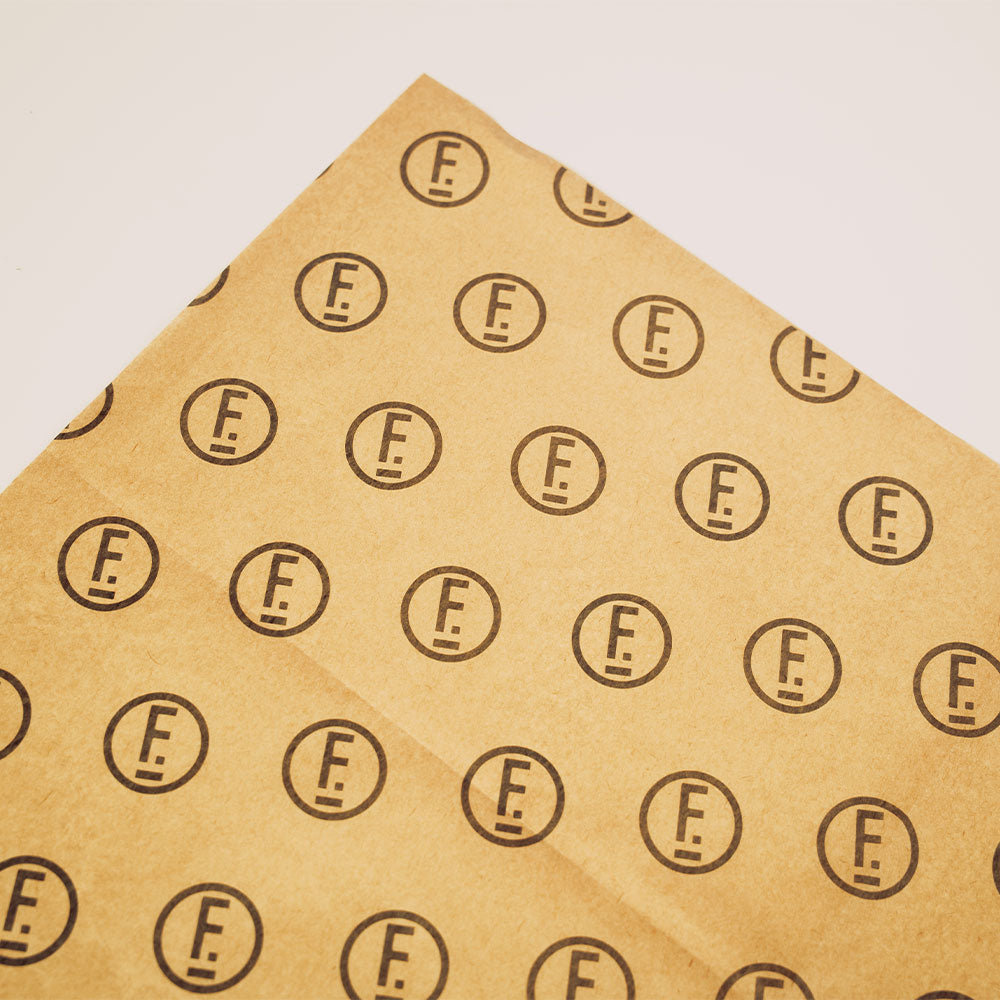
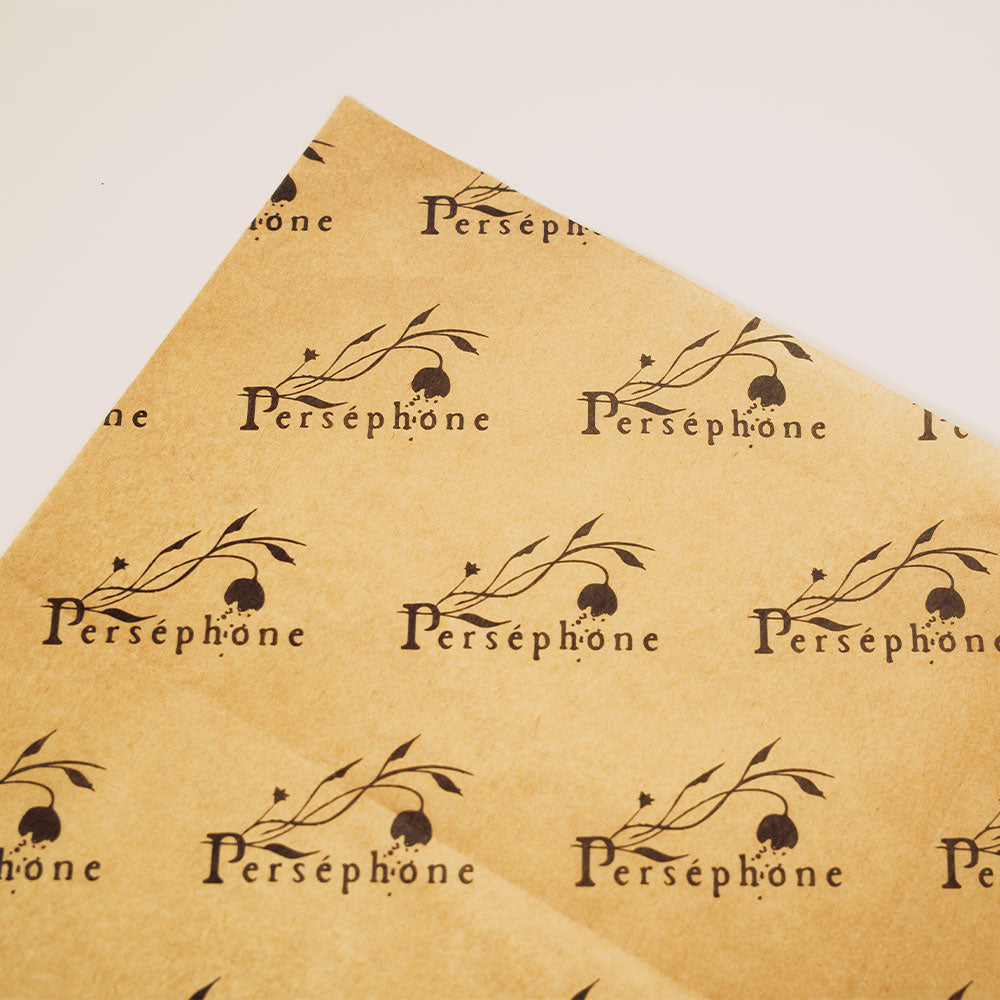
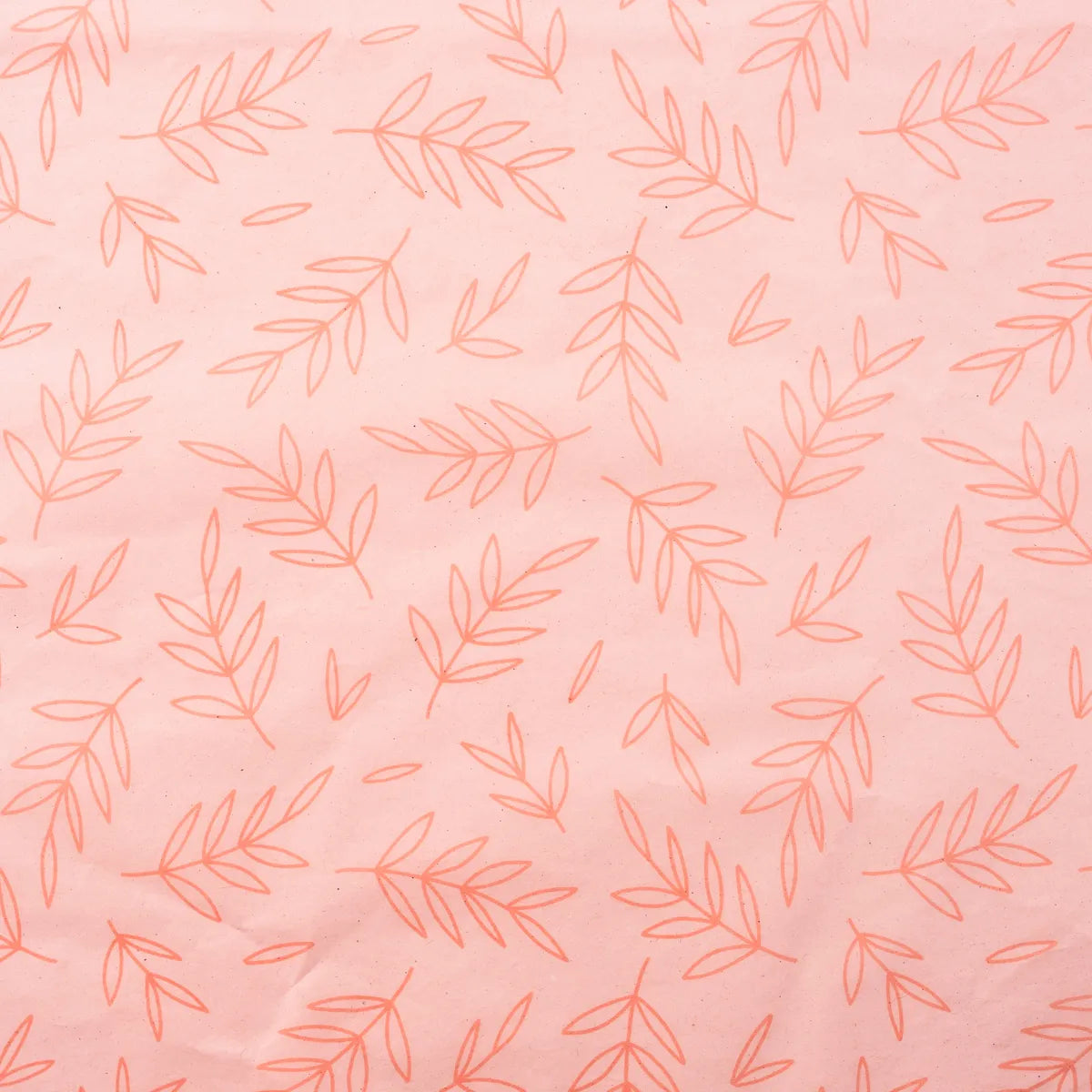
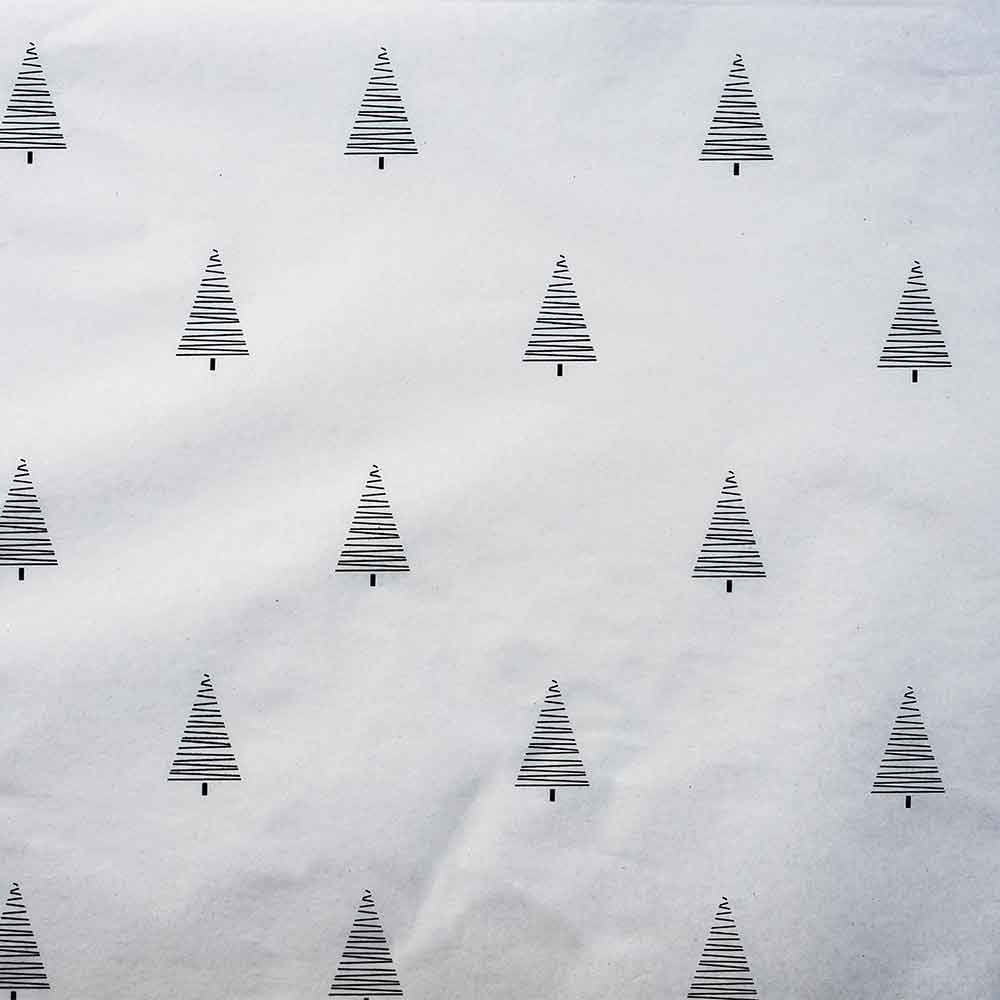
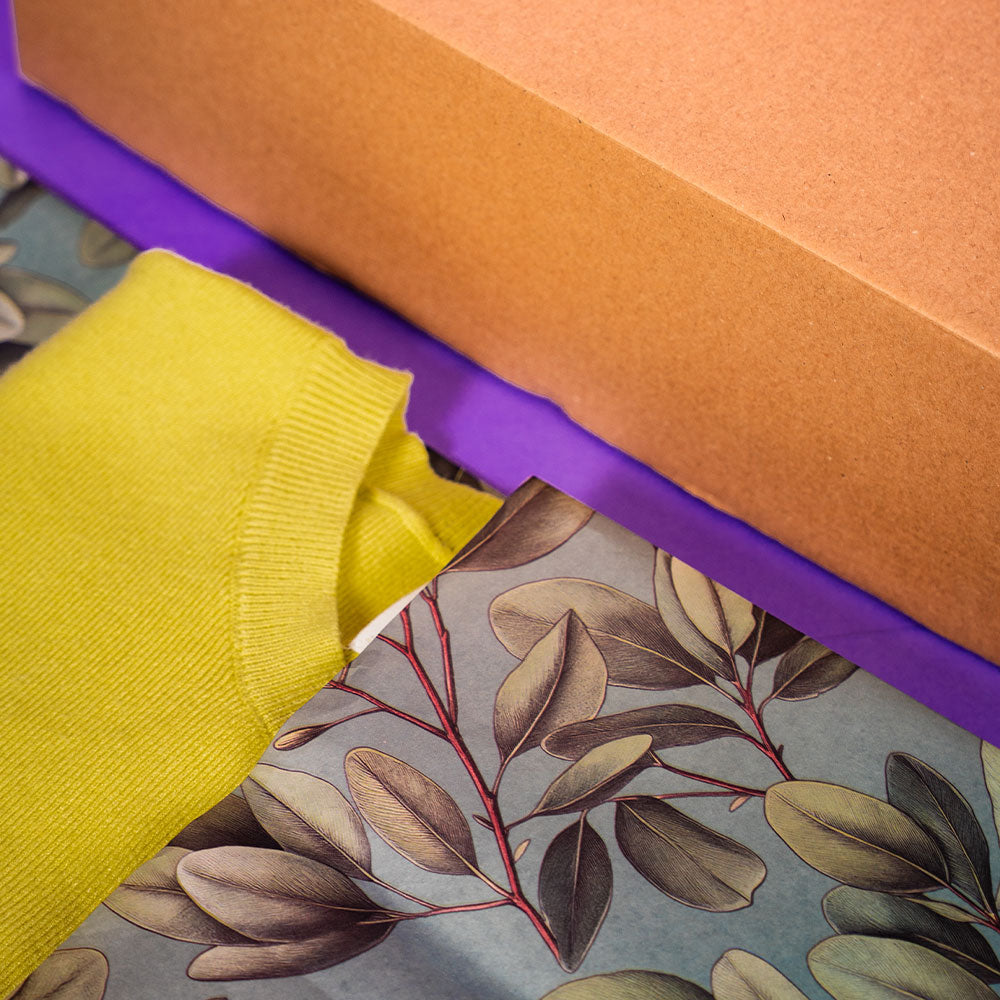
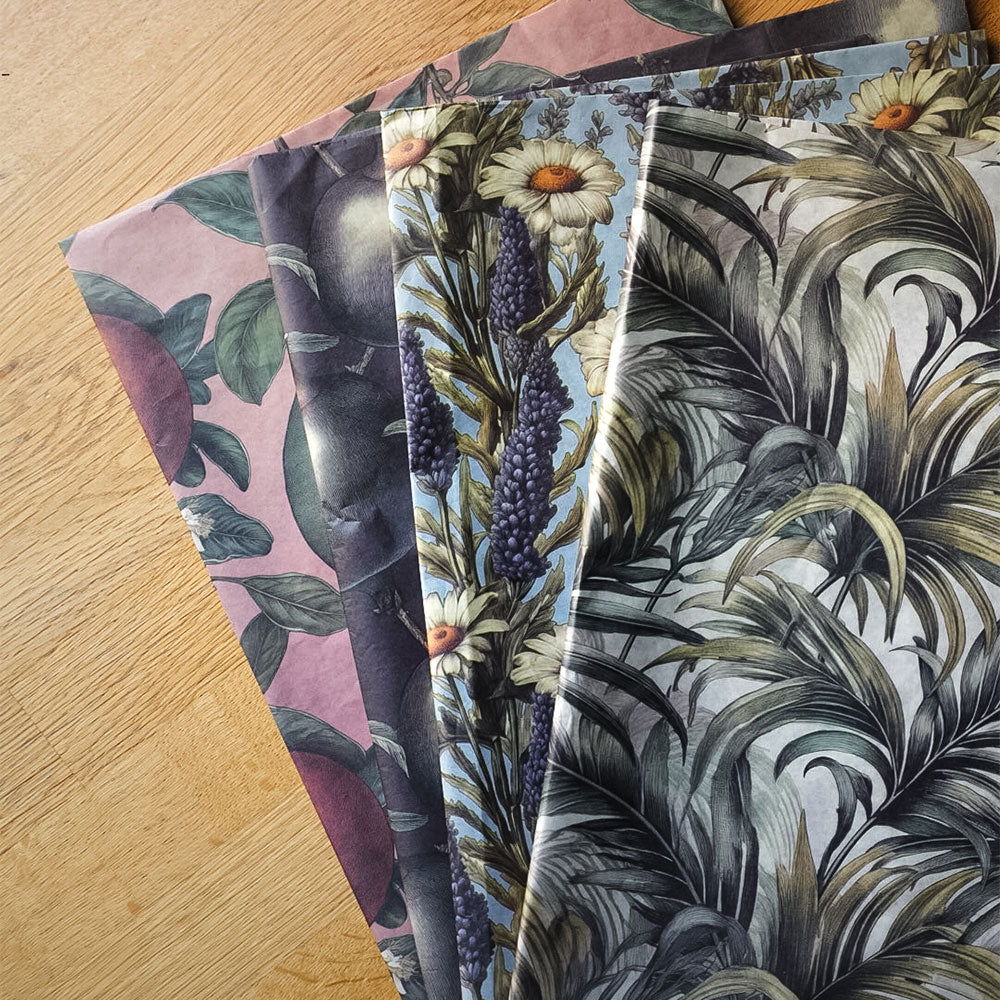
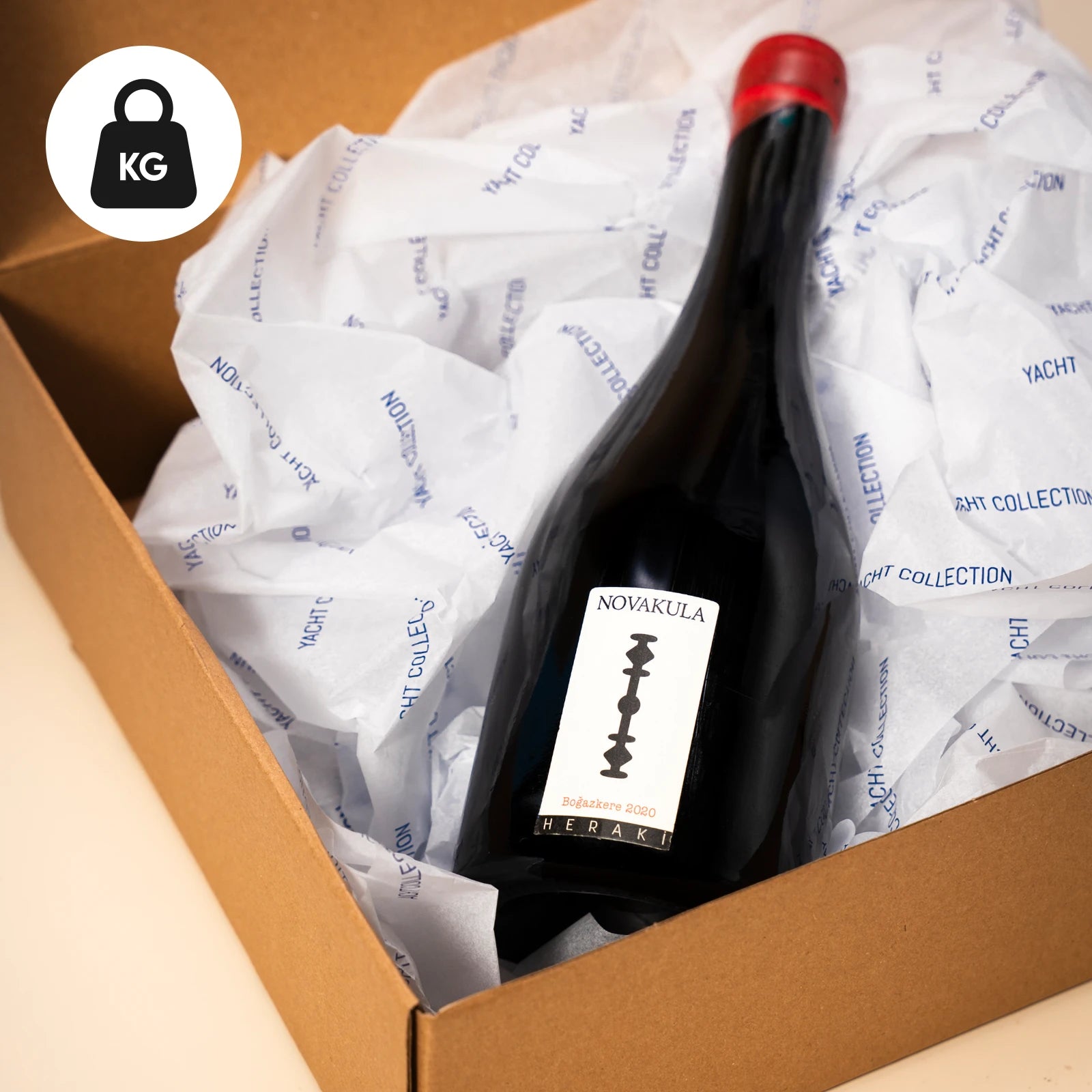
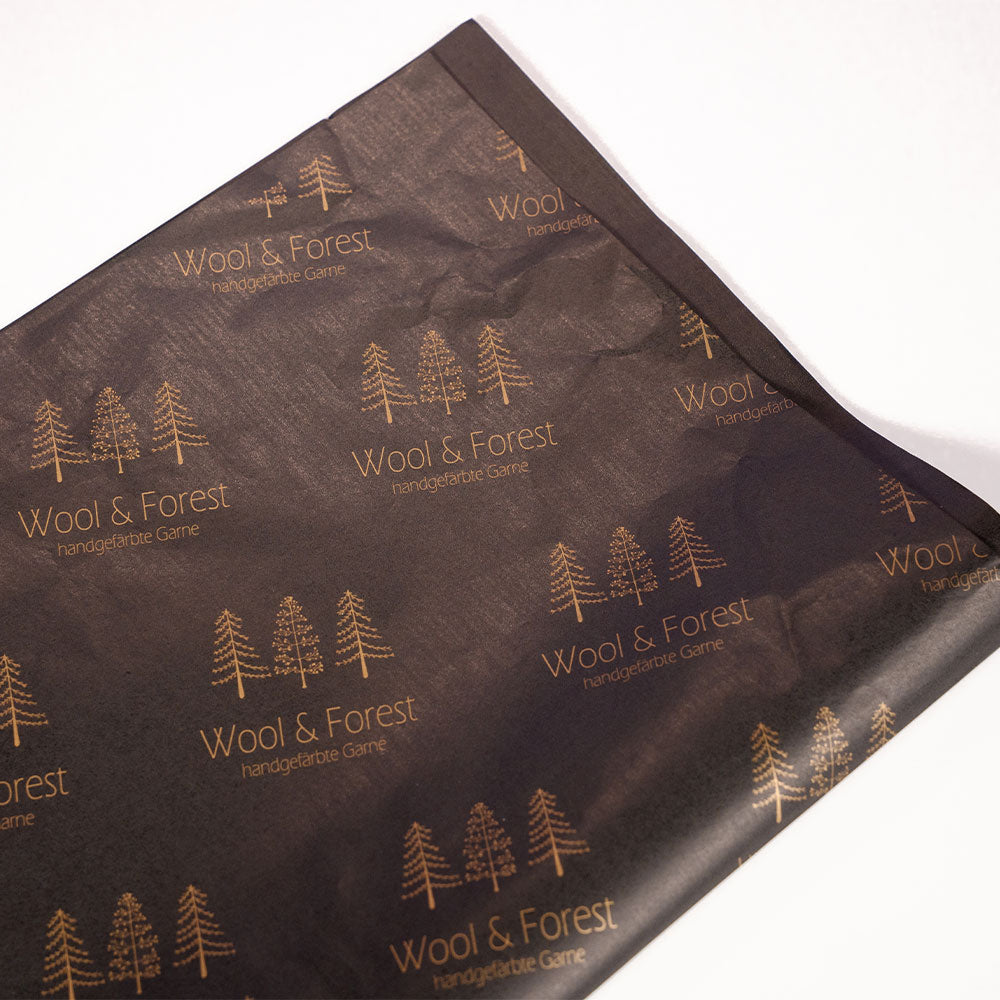
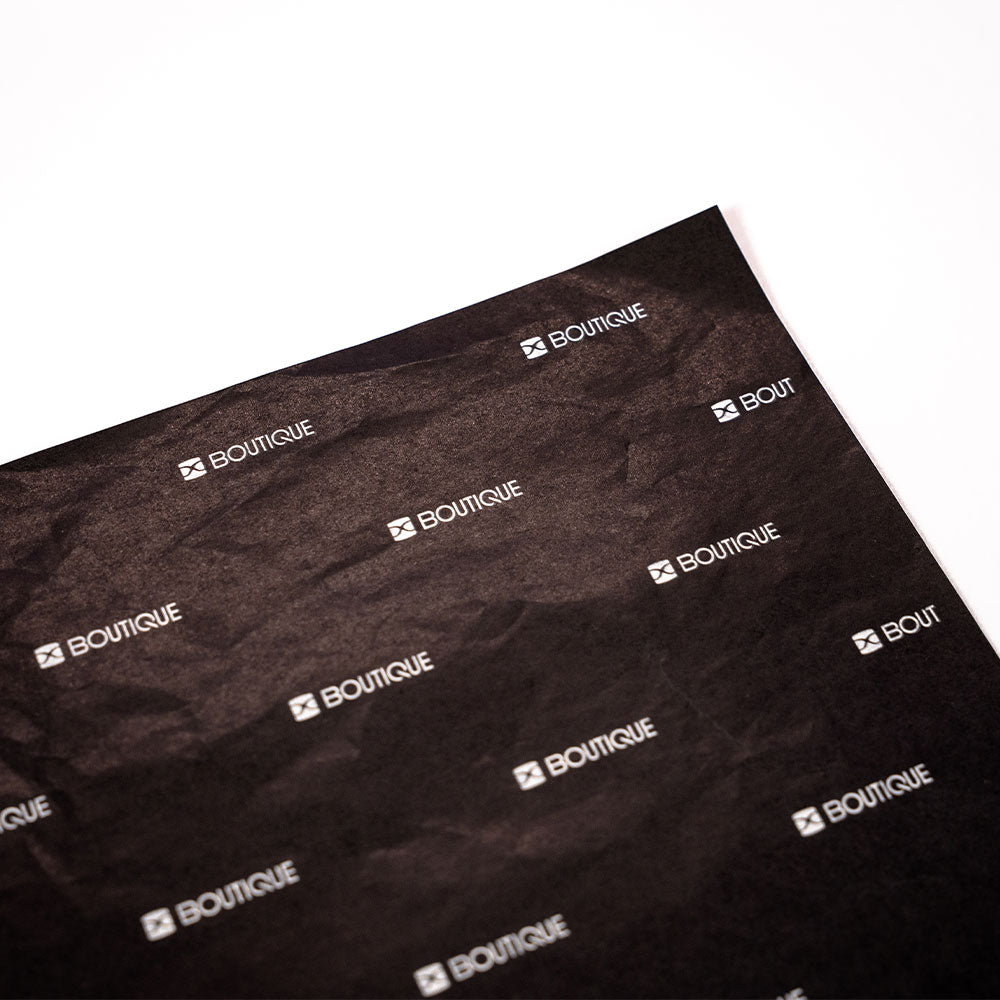
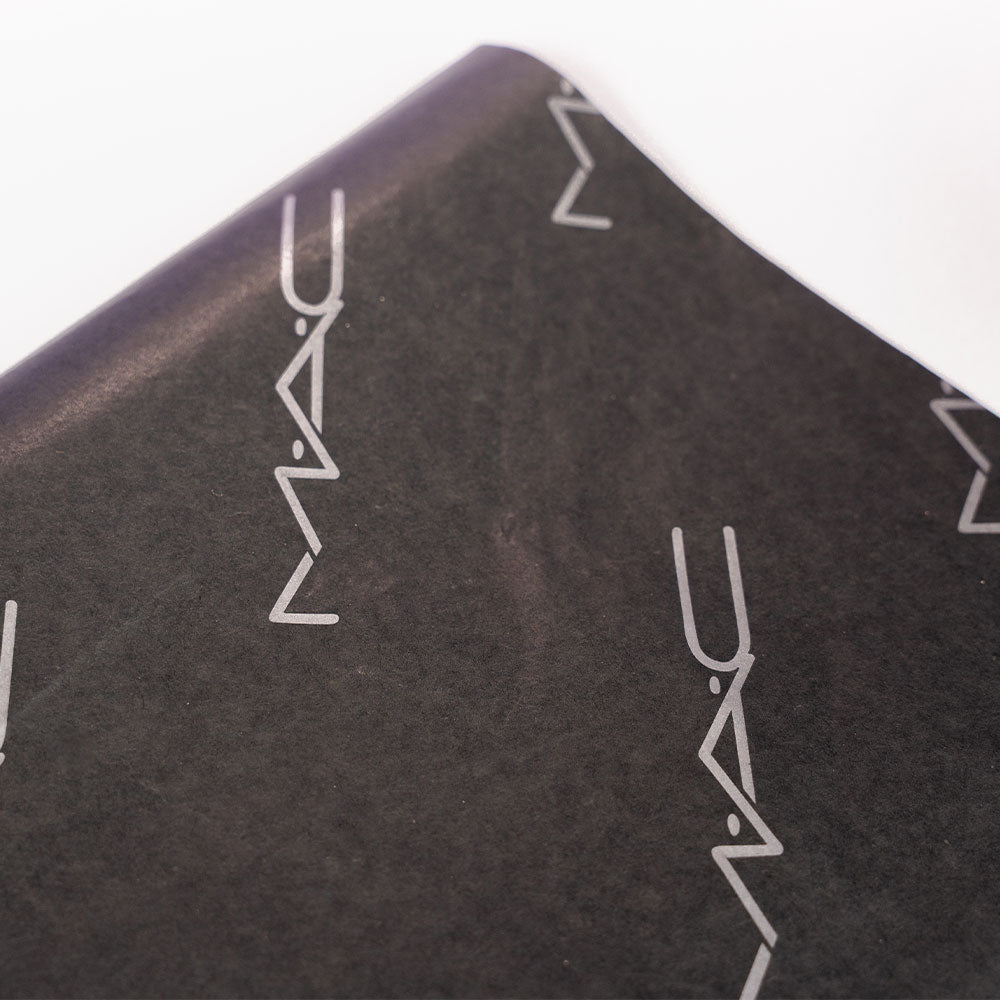
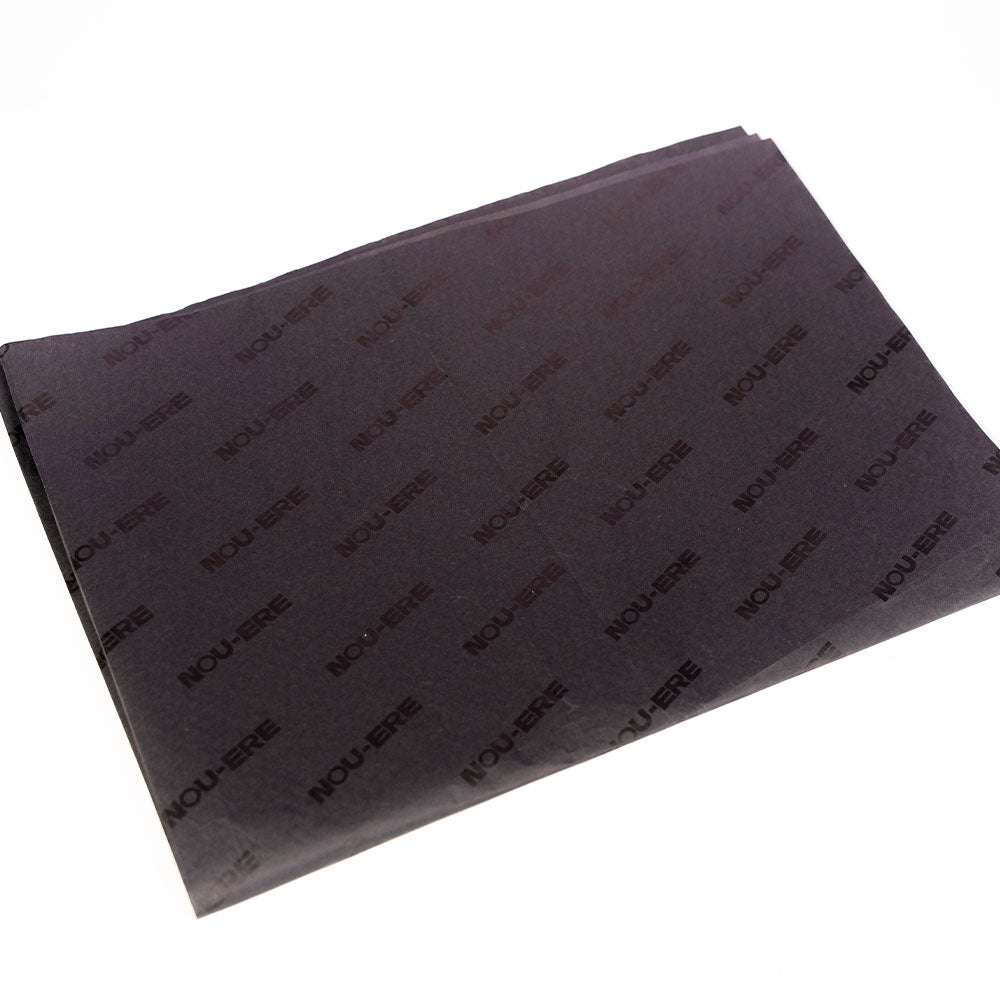
- Tissue paper
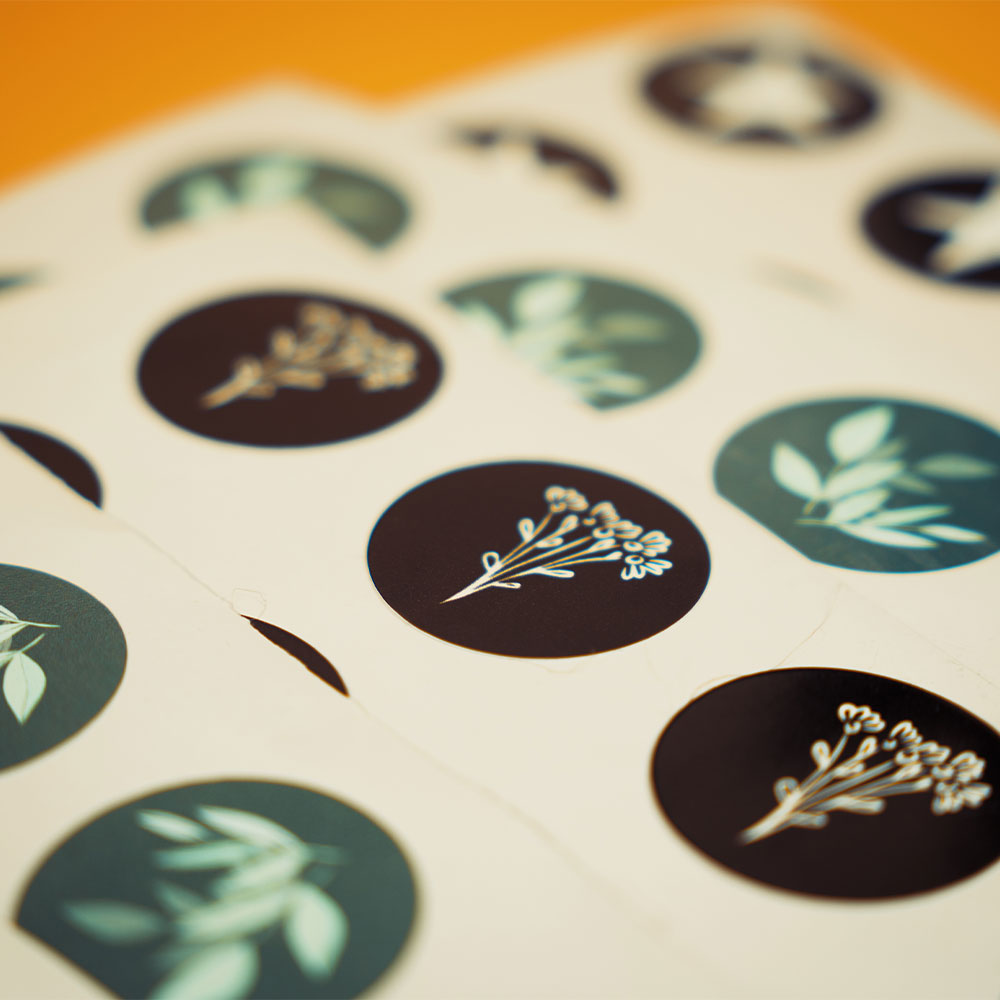
- Stickers and labels
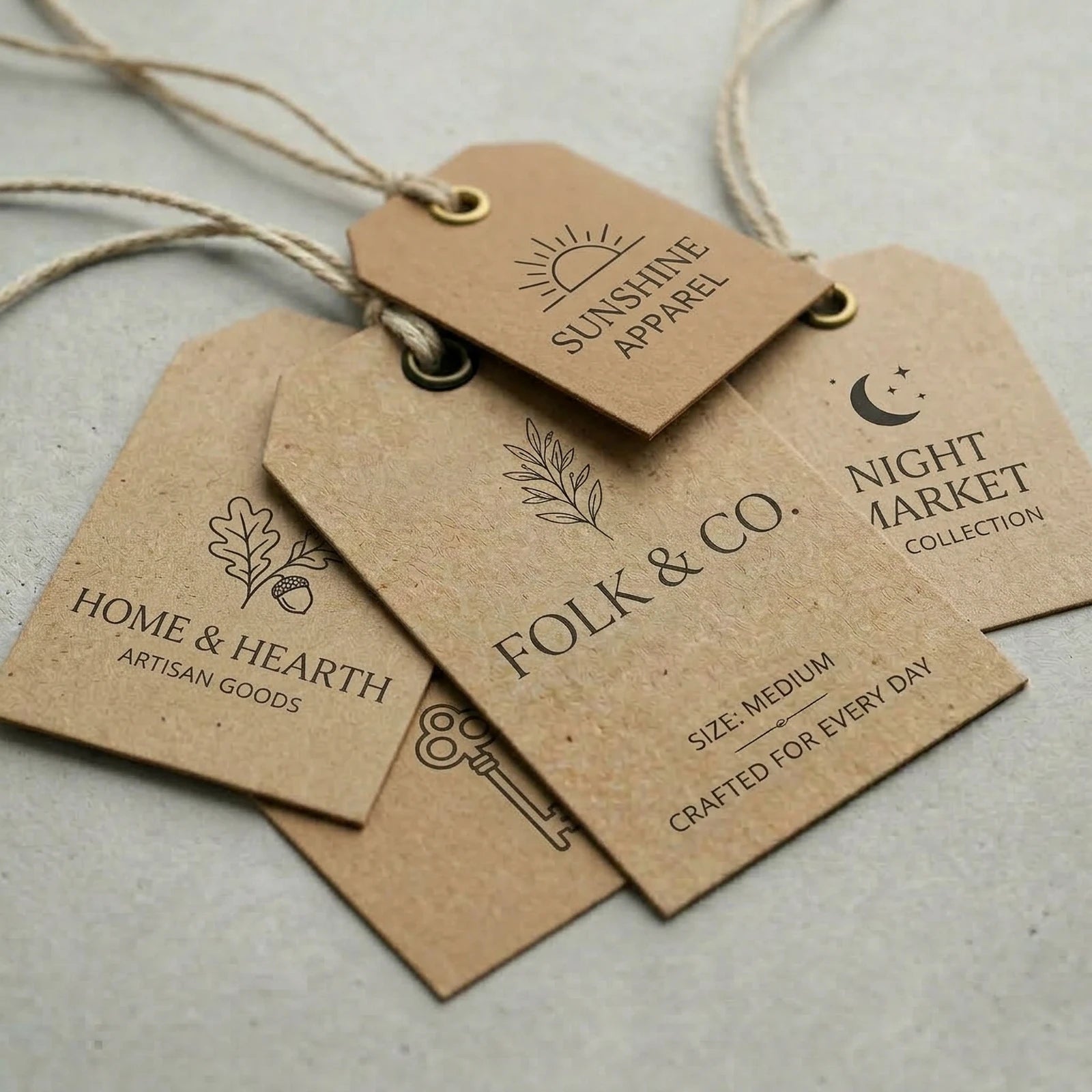
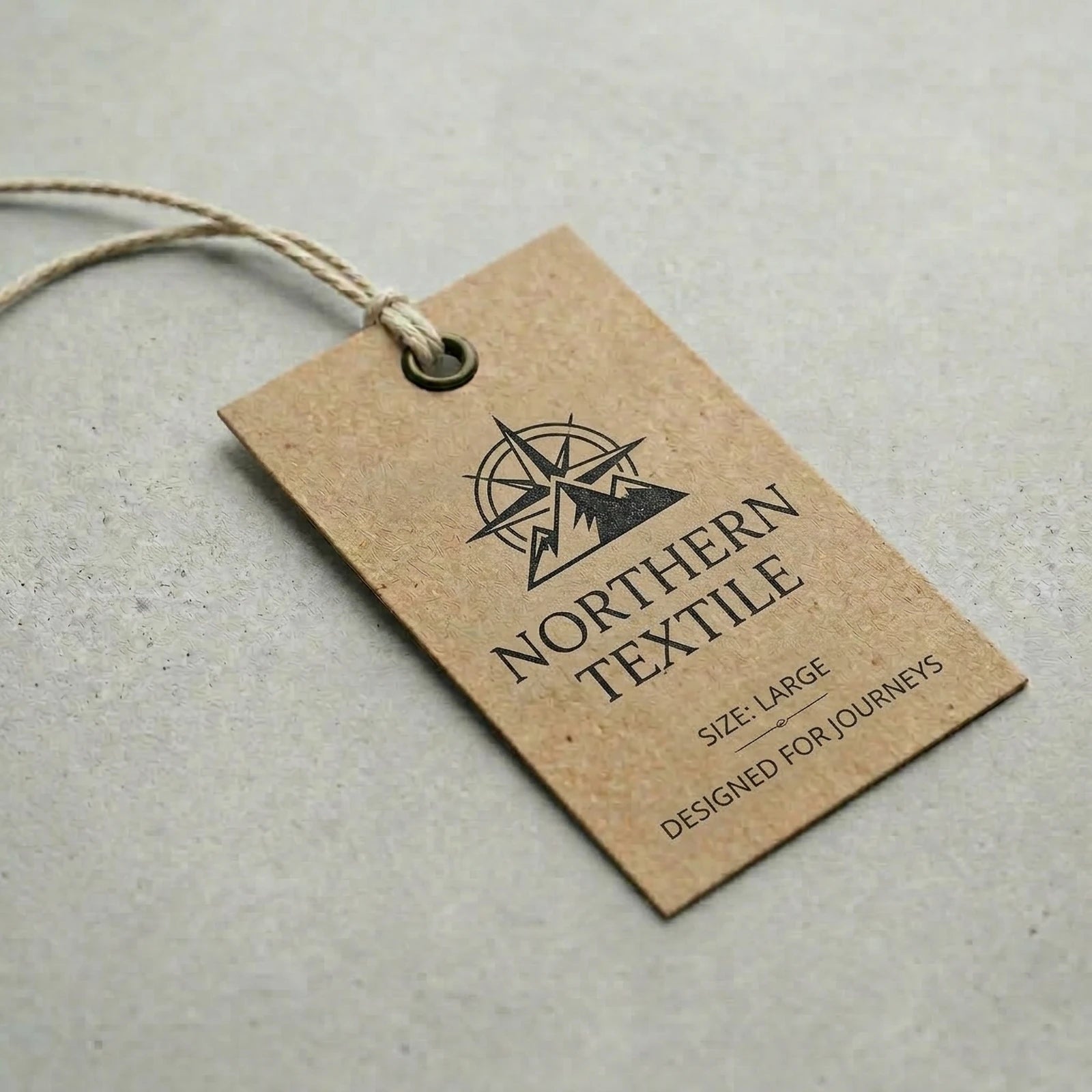
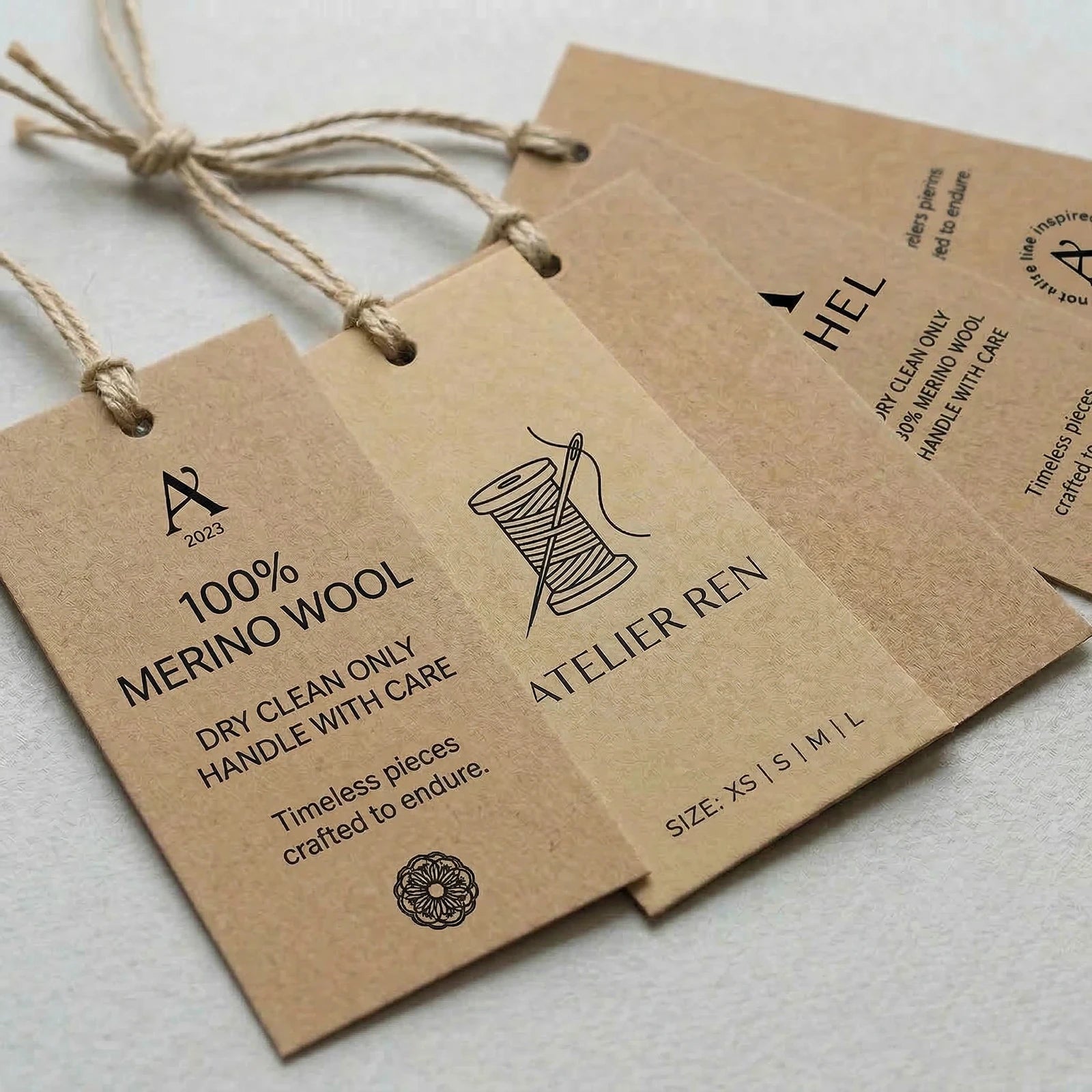
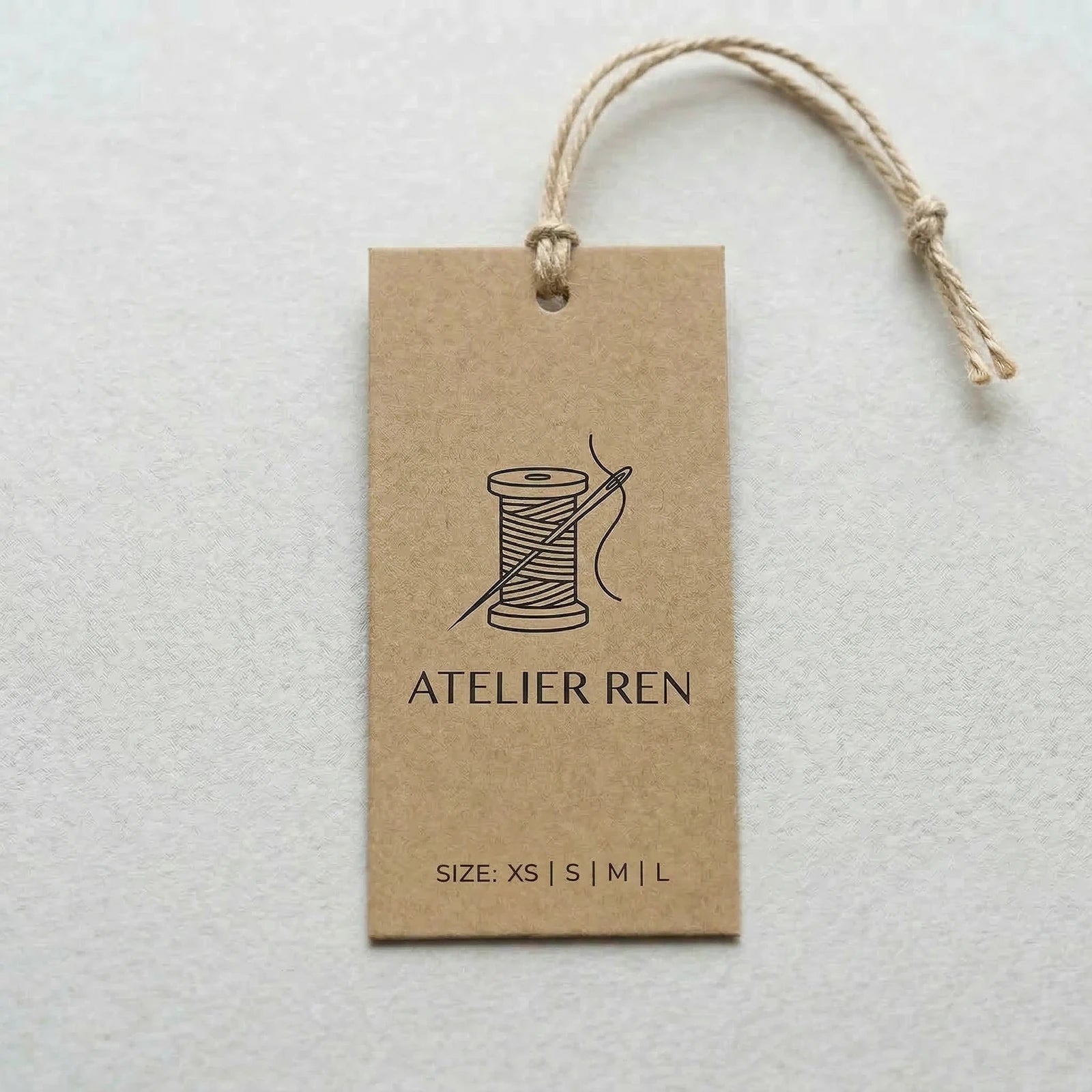
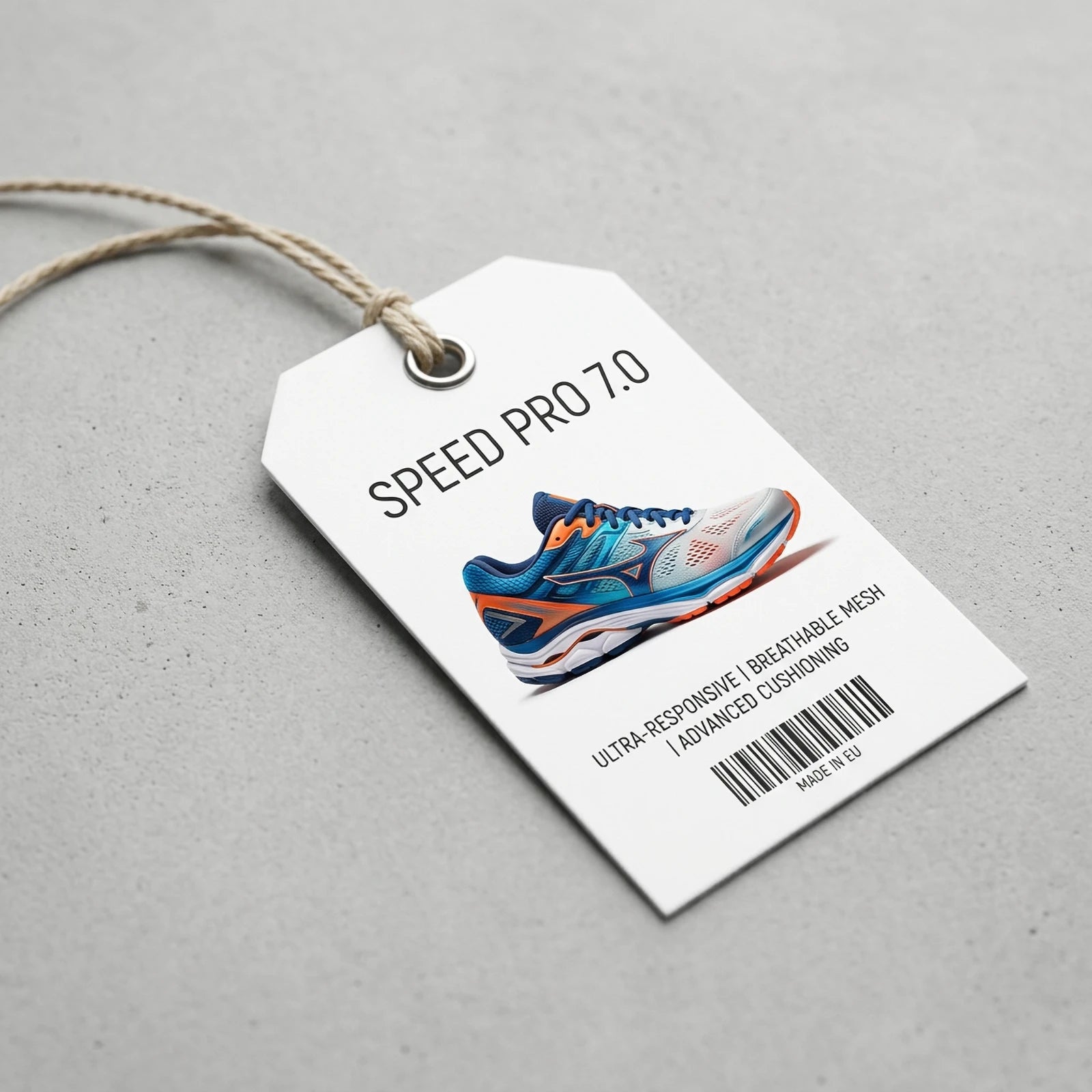
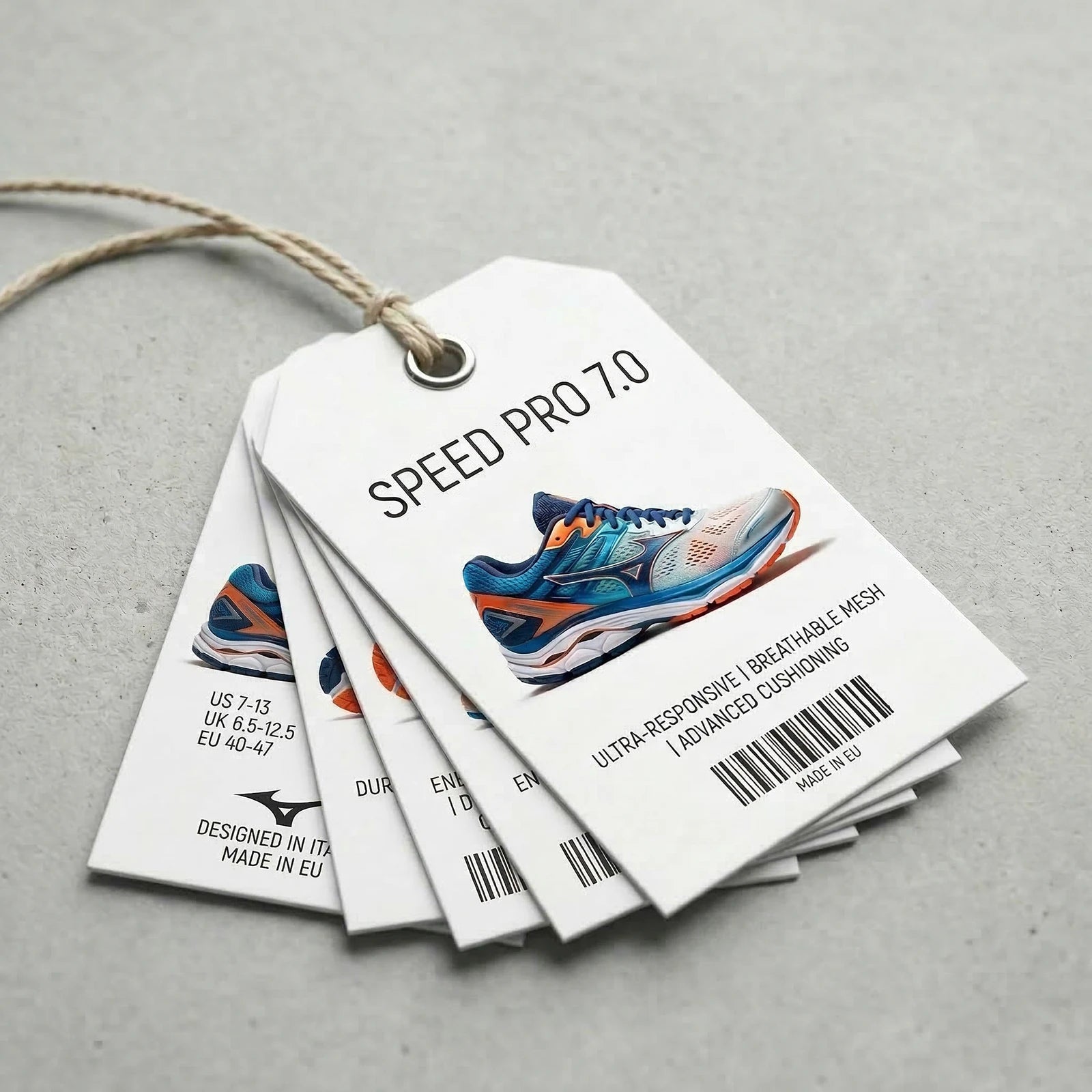
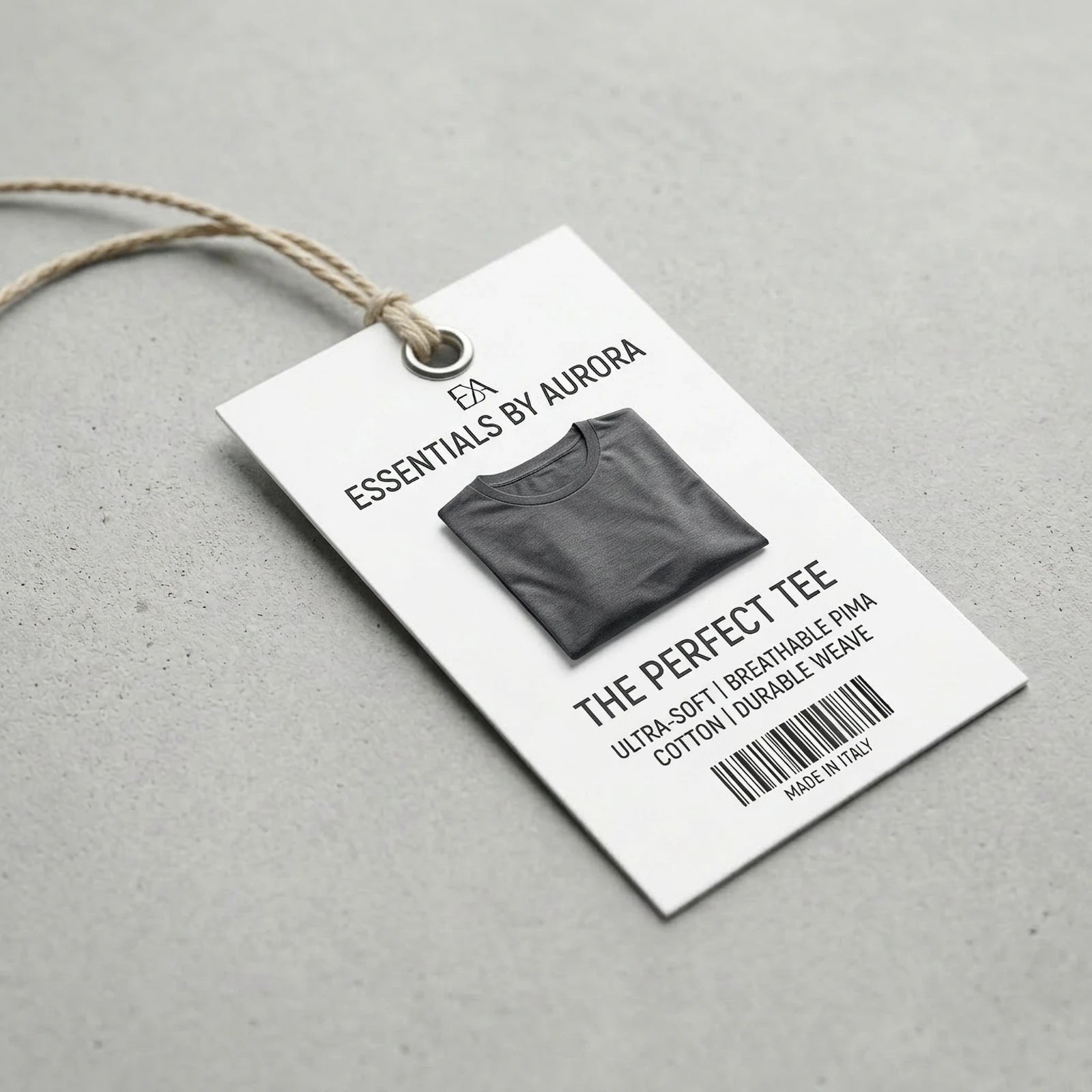
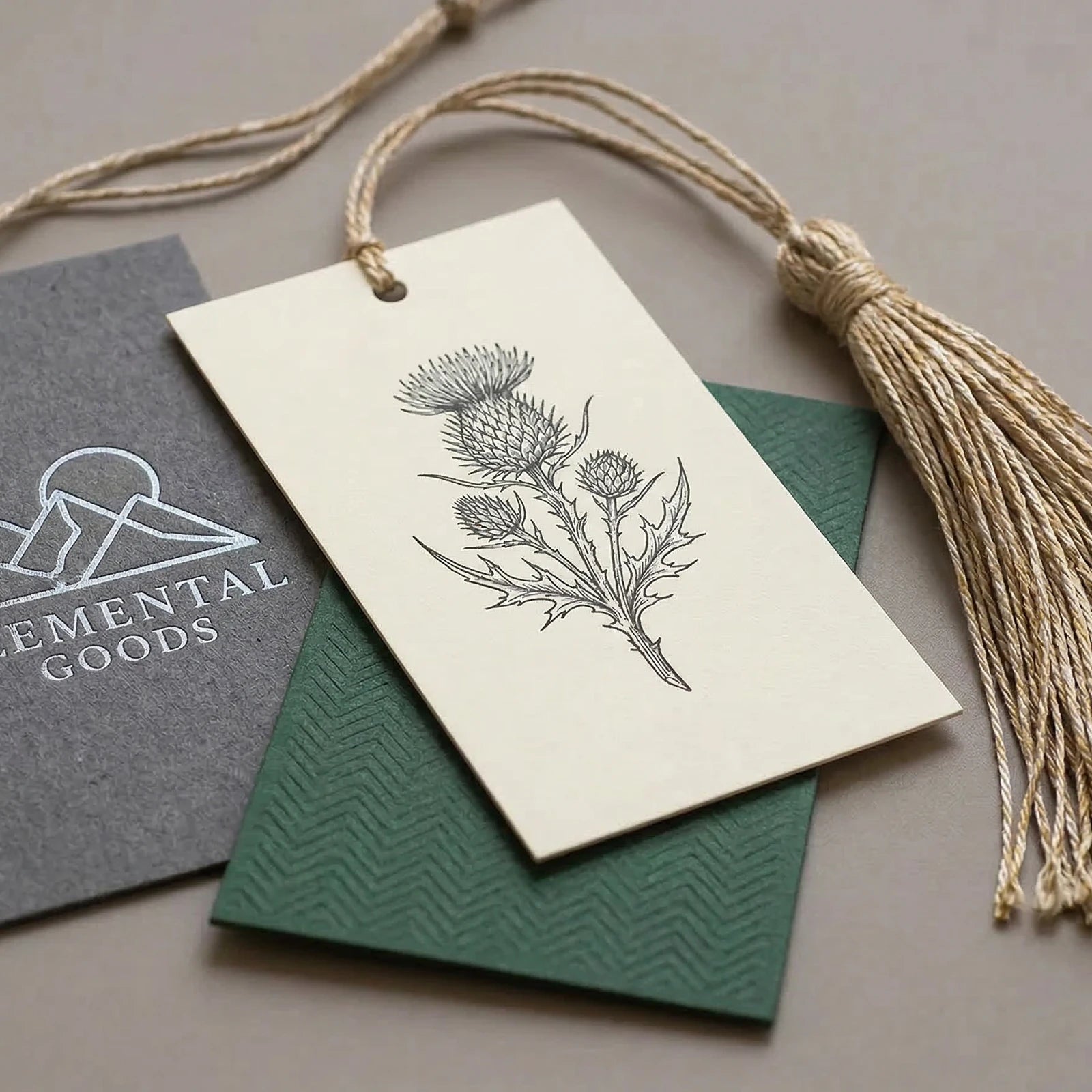
- Hang tags
- Paper retail packaging
- Shopping and carrier packaging
- Branded inserts and finishing elements
Not every business needs every component. The right combination depends on the product, how it is sold, how customers receive it and which parts of the packaging provide useful branding or functional value.
Custom Retail Packaging vs Branded Retail Packaging
Custom retail packaging and branded retail packaging are closely related terms, but they can describe slightly different priorities.
Custom packaging focuses on adapting the packaging to the requirements of the product and business. This may involve format, size, quantity, print or presentation.
Branded packaging places greater emphasis on visual identity: logos, brand colours, typography, patterns and other elements that help customers recognise the business.
In practice, effective retail packaging often combines both. The packaging should work for the product first, then carry the branding in a way that feels consistent with the wider customer experience.
Retail Packaging vs Ecommerce Packaging: What Is the Difference?
Retail packaging is a broad category covering packaging used throughout the retail customer journey. Ecommerce packaging focuses more specifically on products being packed and delivered to customers after an online order.
In a physical store, packaging may need to support shelf presentation, product identification, gifting and the way an item is handed to the customer.
For ecommerce, the priorities can shift towards:
- Protecting products through fulfilment and delivery
- Efficient packing
- Appropriate box sizing
- Clear brand presentation when the parcel is opened
- A consistent unboxing experience
Many modern UK brands operate across both environments, so their packaging needs to work as part of a connected retail and ecommerce system rather than being planned separately for every sales channel.
Branded Packaging for UK High-Street Retail
In a physical retail environment, customers interact with packaging before, during and after the purchase. Product presentation can influence how an item looks on display, while the packaging handed over at checkout becomes part of how the customer remembers the store.
Branded retail packaging UK businesses use can help create continuity between shop interiors, merchandising, products and the final purchase.
This is particularly relevant to:
- Independent boutiques
- Fashion retailers
- Beauty and skincare businesses
- Jewellery and accessories brands
- Gift shops
- Homeware retailers
- Lifestyle brands
- Pop-up shops
- Seasonal retail concepts
The aim is not simply to place a logo everywhere. Good retail packaging uses branding selectively so the final presentation feels recognisable without becoming visually overloaded.
Retail Packaging for Ecommerce & D2C Brands
For ecommerce and direct-to-consumer businesses, packaging may be the first physical interaction a customer has with the brand.
A shopper can discover a product through search, social media or an online marketplace without ever seeing a physical store. When the order arrives, the packaging becomes the point where the digital brand becomes a physical experience.
This gives branded ecommerce packaging several roles:
- Support delivery and product presentation
- Make orders easier to recognise
- Maintain visual consistency with the online store
- Create a considered opening experience
- Present several products as one coordinated order
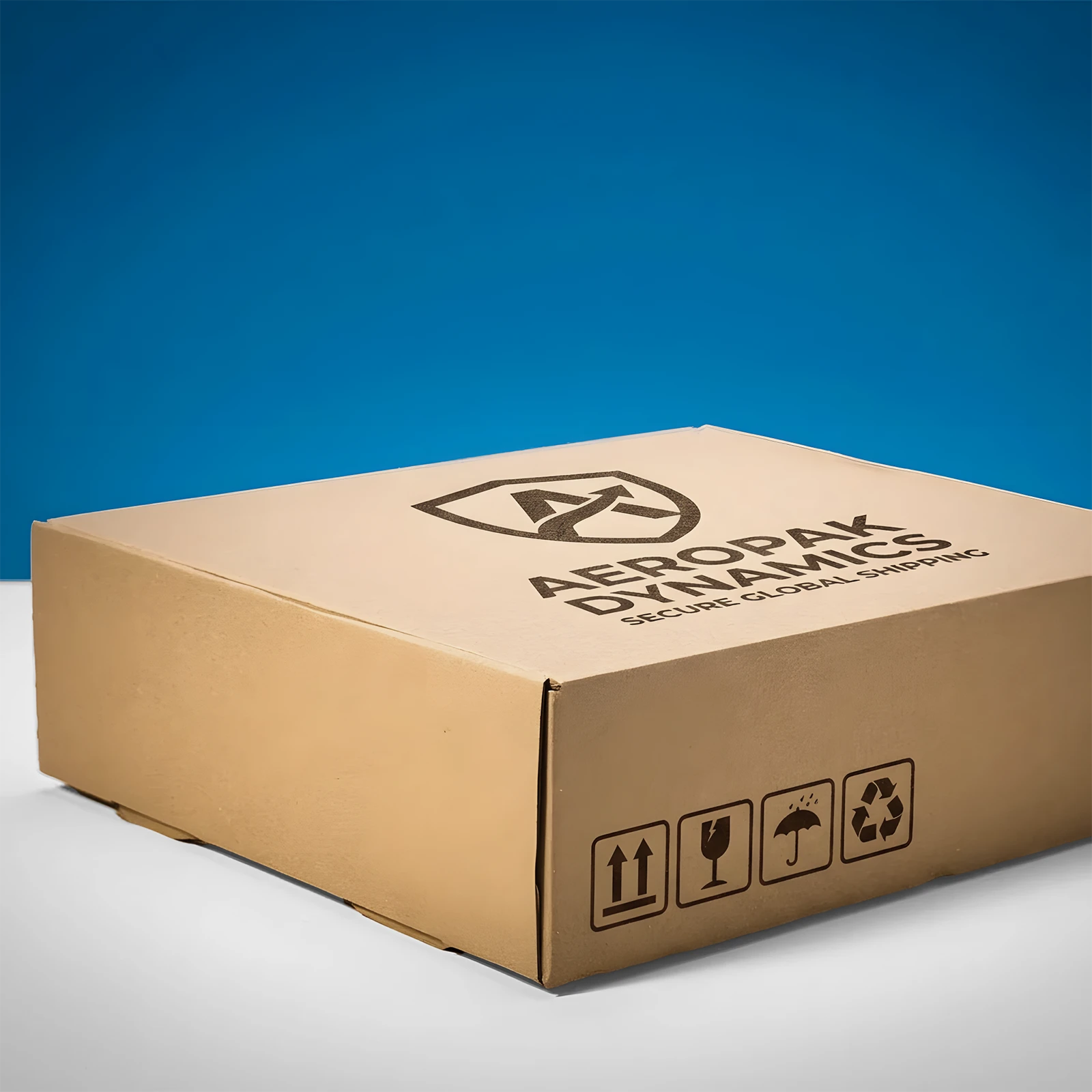
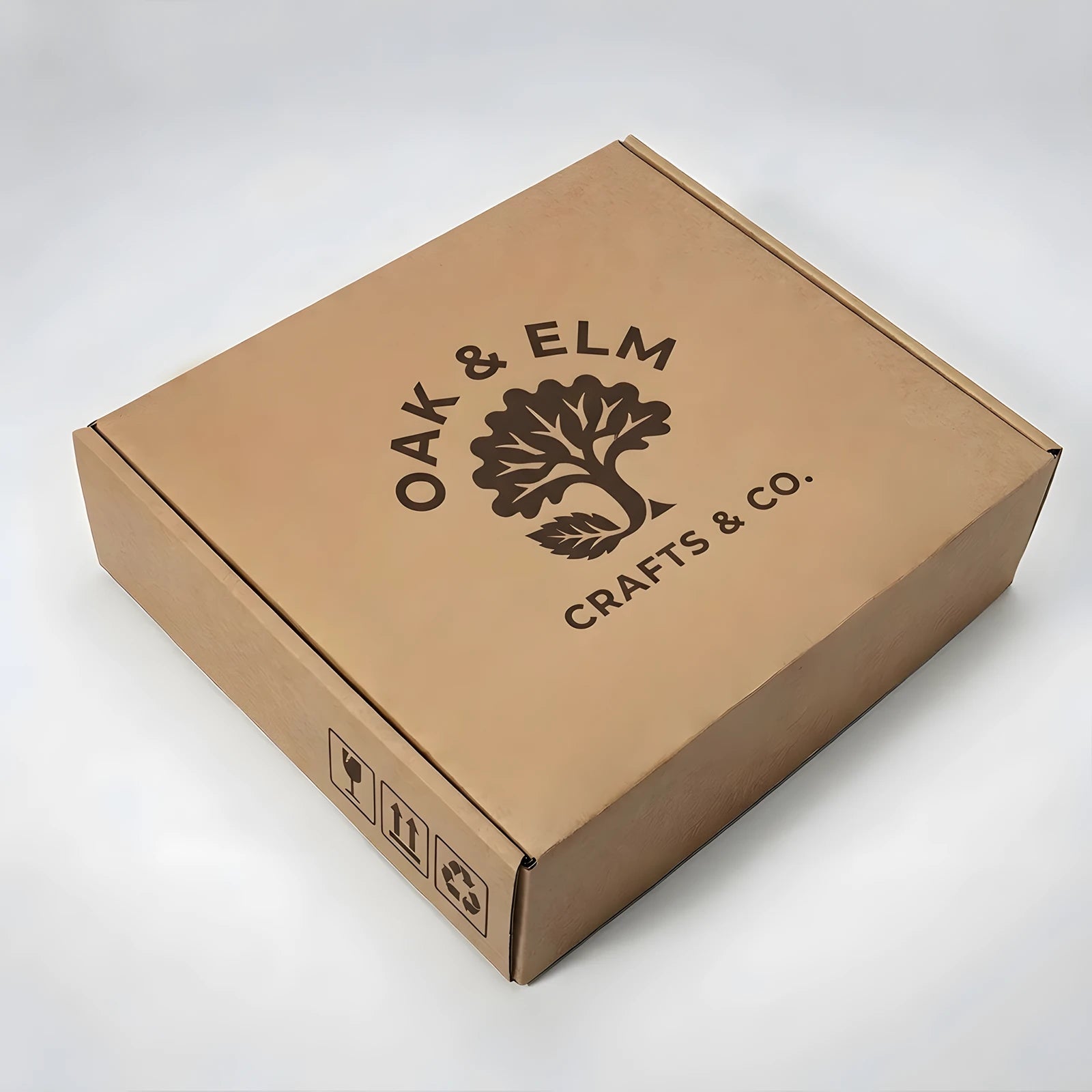
Businesses specifically choosing ecommerce shipping formats can explore Packonic's Custom Printed Mailer Boxes collection for the more detailed mailer-box buying intent.
Retail Packaging for Omnichannel Brands
Many UK businesses now sell through more than one channel. A brand may operate its own website, sell through marketplaces, supply independent retailers, attend events and maintain a physical shop at the same time.
For these businesses, retail and ecommerce packaging should ideally share the same visual language even when the physical packaging formats differ.
A product purchased in-store does not necessarily need the same outer packaging as a product shipped across the country, but both can still use the same logo, typography, colours and supporting packaging elements.
This creates a more coherent brand experience without forcing every sales channel into one packaging format.
Personalised Retail Packaging for Independent Brands
Personalised retail packaging is particularly useful to independent businesses that want their products to feel distinct from generic retail presentation.
Personalisation can be as simple as adding a logo sticker to tissue paper or as developed as coordinating boxes, labels, tags and internal packaging around one visual identity.
For smaller brands, a modular approach can be practical. Rather than customising every packaging component immediately, businesses can identify the most visible elements first and expand the branded system as order volume grows.
This can help create a professional presentation without introducing unnecessary packaging complexity at an early stage.
Retail Packaging for Small Businesses
Retail packaging for small businesses needs to balance presentation with practical considerations such as quantities, storage space, product range and how quickly packaging stock is used.
A growing UK retailer may not need the same packaging structure as a national multi-site operation.
Small businesses should consider:
- Which products generate the majority of orders
- How many packaging sizes are genuinely needed
- Which items benefit most from custom branding
- How much packaging can be stored comfortably
- Whether stock can be used across several product lines
- How often branding or seasonal designs change
A smaller, well-planned packaging range is often easier to manage than a large number of highly specific formats with low usage.
Boutique Packaging for Fashion & Lifestyle Brands
Boutique packaging often places greater emphasis on presentation because packaging becomes part of the way customers perceive clothing, accessories, jewellery, beauty products and lifestyle goods.
Fashion and boutique retailers may build their packaging around several layers: the product itself, a tag or label, tissue wrapping and an outer box or retail package.
The exact combination varies by product, but the visual relationship between those layers matters. Logo size, paper colour, box style, tag design and sticker placement can all influence whether the final order feels coherent.
For brands selling both online and in-store, these elements can also help carry the same identity across two very different purchasing experiences.
Retail Packaging for Clothing & Fashion Brands
Fashion packaging needs to accommodate products that vary considerably in size, shape and value, from small accessories to folded garments.
A clothing brand may use tags to identify or present individual items, tissue to wrap garments and ecommerce packaging for online orders.
Rather than making the hub page compete with those individual product categories, the important decision here is how the different packaging elements work together.
A fashion retailer should consider:
- How garments are folded or presented
- Whether tissue wrapping is needed
- Where product and brand information should appear
- Whether a hang tag forms part of the product presentation
- How in-store and ecommerce orders should differ
For product-specific tag options, visit Custom Printed Hang Tags.
Retail Packaging for Beauty, Skincare & Cosmetics
Beauty and skincare products often rely heavily on presentation because several visual layers can be visible before the customer reaches the product itself.
Retail packaging for cosmetics may therefore combine product boxes, labels, tissue and ecommerce packaging according to how the products are sold.
The most important principle is consistency. A minimalist beauty brand may need a very different packaging language from a colourful cosmetics business, even when both use similar packaging formats.
Colour, typography, logo scale and the amount of information visible on each packaging element should therefore reflect the positioning of the individual brand rather than following one universal style.
Retail Packaging for Jewellery & Accessories
Jewellery and accessories often involve smaller products where packaging contributes significantly to perceived presentation.
A large outer box is not always necessary. Instead, brands can build the experience through proportionate packaging combined with tissue, tags, labels or a suitable outer ecommerce format.
For products that may also be purchased as gifts, the opening sequence becomes more important: the customer should be able to understand where the product is, how it is presented and how the brand identity connects the different packaging layers.
Retail Packaging for Gifts, Homeware & Lifestyle Products
Gift and lifestyle retail can cover a particularly wide range of products, so packaging needs to adapt without losing brand consistency.
A homeware brand selling several product sizes may require multiple outer packaging formats but can maintain consistency through common printed elements such as tissue, labels and branded inserts.
Gift retailers may place more emphasis on presentation and the order in which the customer sees each element when the packaging is opened.
In these situations, a coordinated custom retail packaging system can provide flexibility while keeping products visually connected.
What Should Be Included in a Retail Packaging System?
There is no universal list of packaging every retailer should order. A better approach is to build the system around the customer journey.
Think about the sequence:
- The product: Does it need its own box, label, tag or protective packaging?
- Presentation: Will tissue, a sticker or another branded element improve how the product is presented?
- Checkout: How will the product leave a physical shop?
- Ecommerce fulfilment: How will online orders be packed and shipped?
- Unboxing: What will the customer see first when the order is opened?
- Repeatability: Can staff recreate the same presentation consistently?
This helps businesses choose packaging because it has a clear role rather than simply adding more components to an order.
Using Tissue Paper Within Retail Packaging
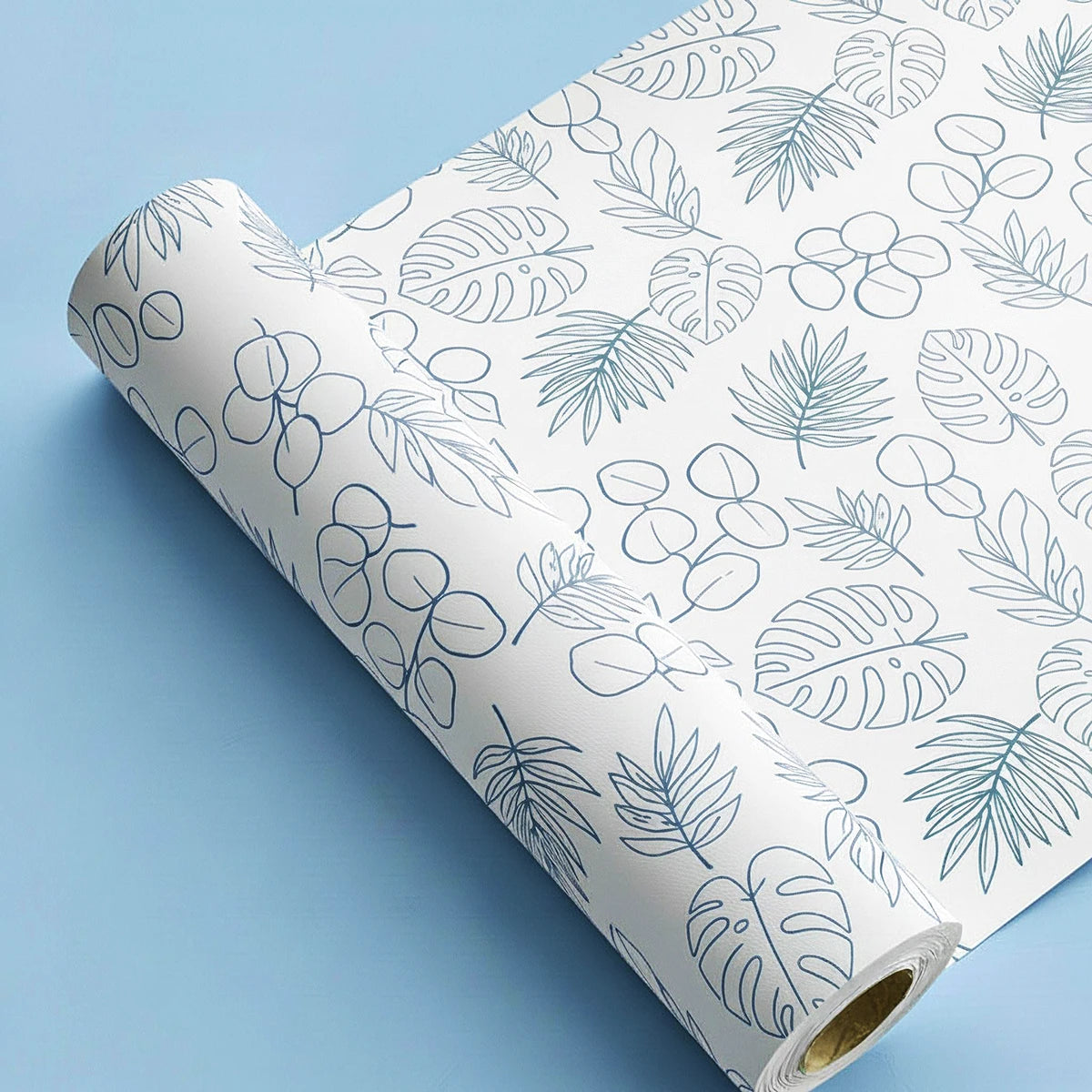
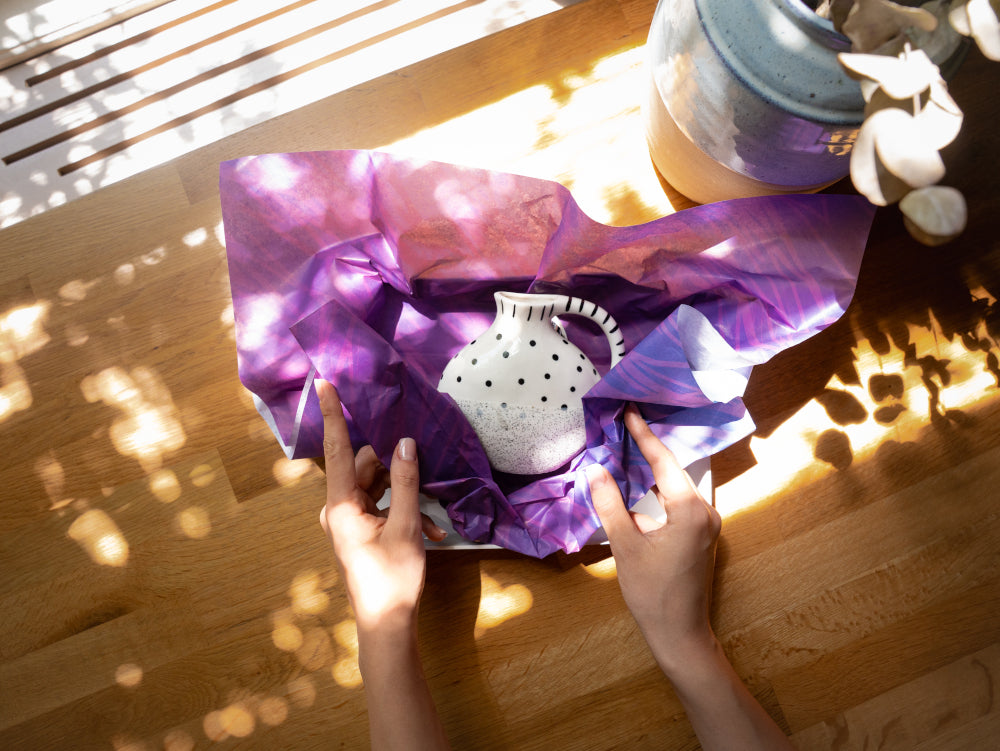
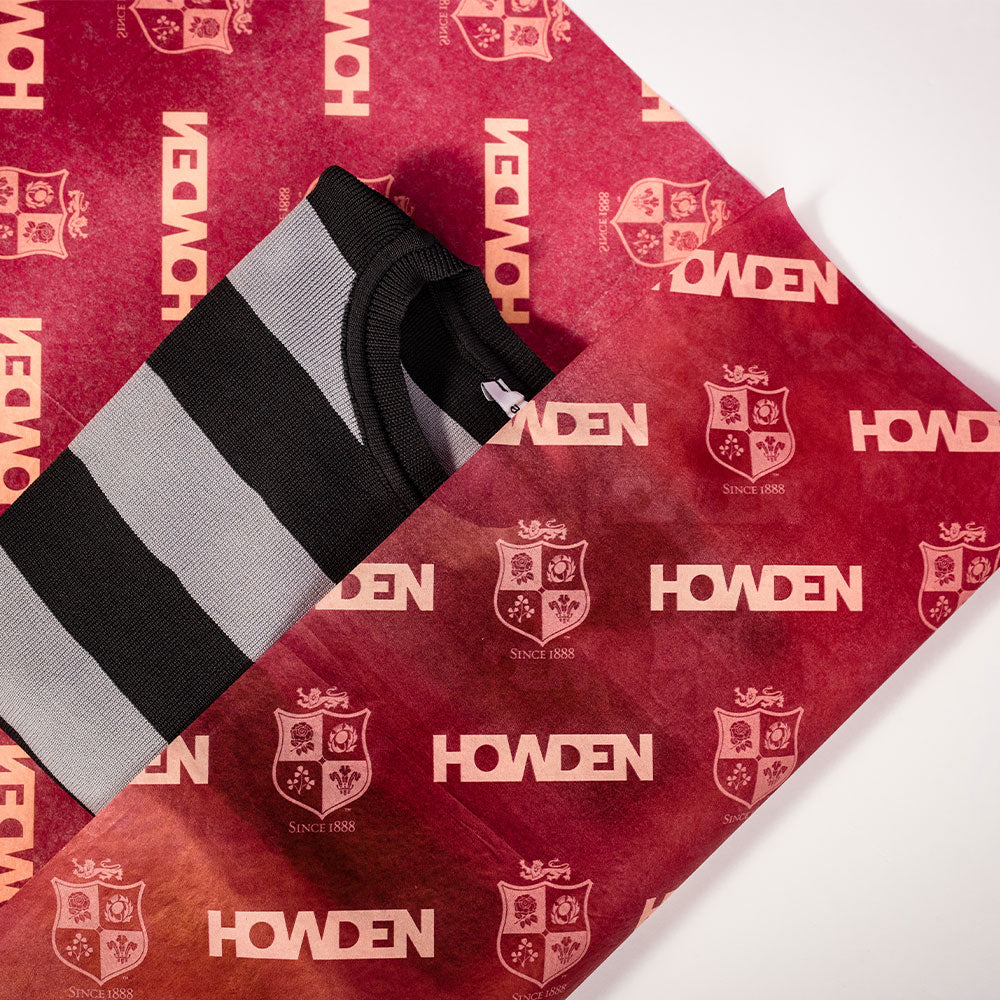
Tissue paper can provide an internal presentation layer between the product and its outer packaging. It can be used around garments, accessories, gifts and ecommerce orders where a softer wrapping layer suits the product.
It can also carry branding without requiring the outer box itself to contain extensive printing.
Businesses specifically comparing paper weights, colours, printing options, sheets, rolls and quantities should use the dedicated Custom Printed Tissue Paper collection, allowing this retail hub to remain focused on the wider packaging system.
Using Stickers & Labels Within Retail Packaging
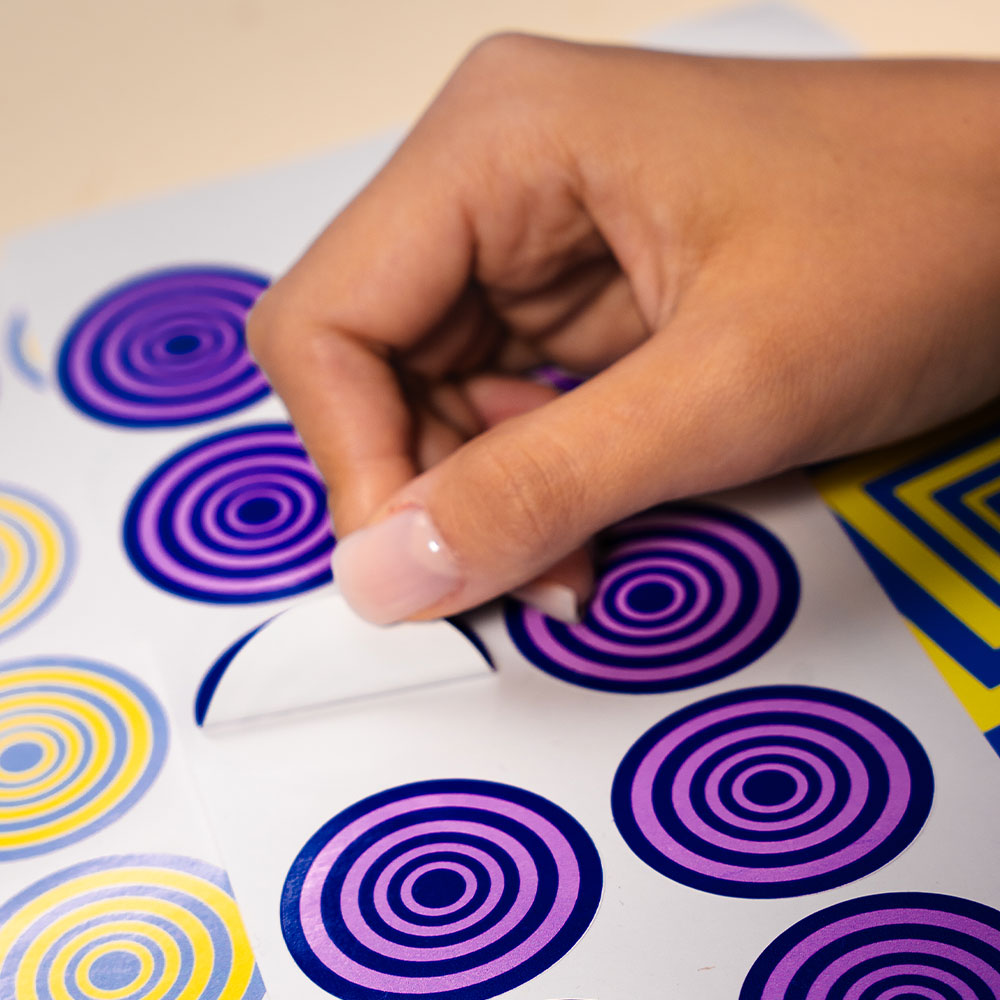
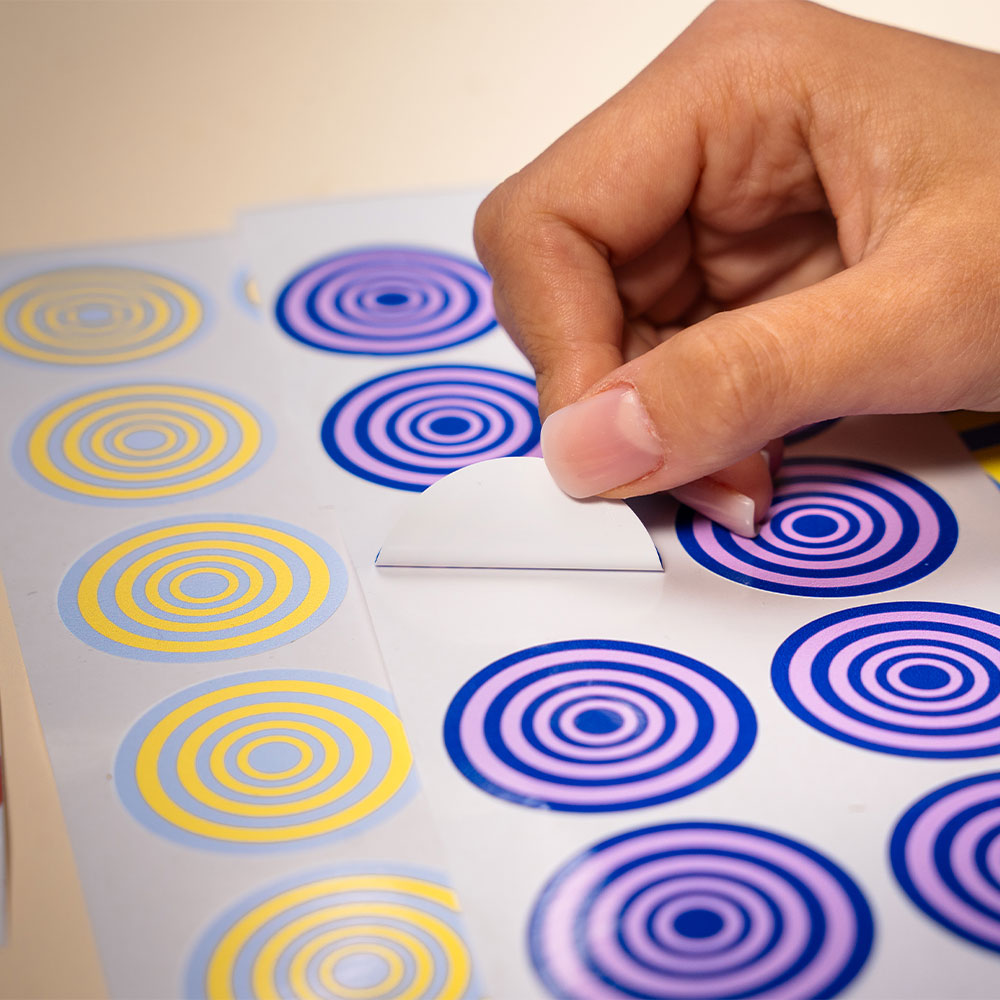
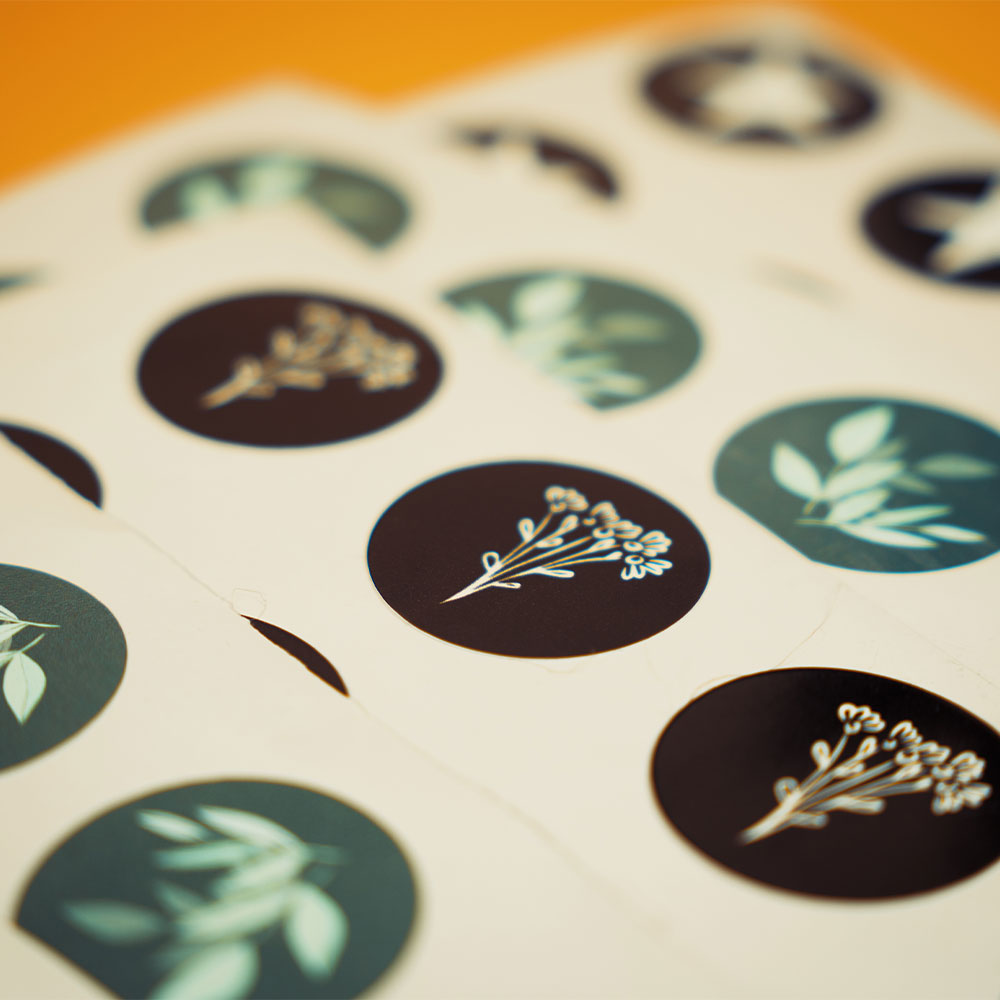
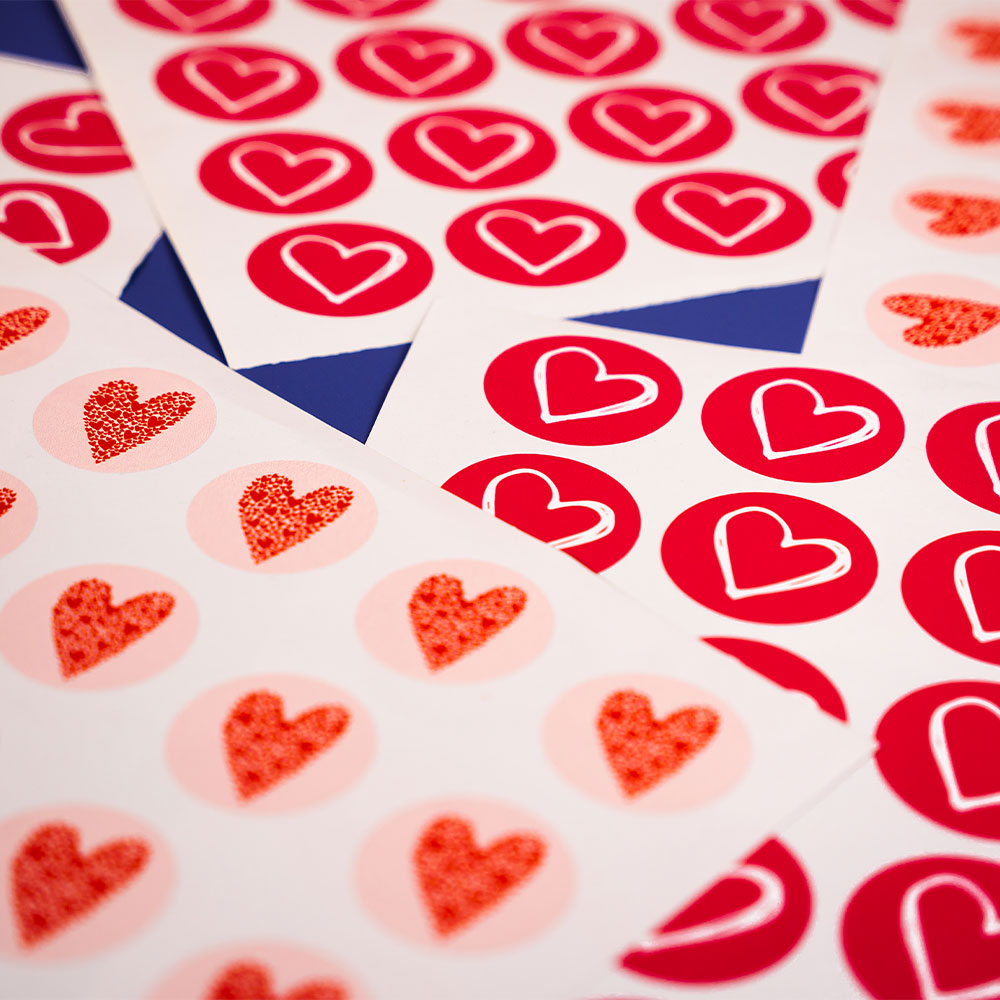
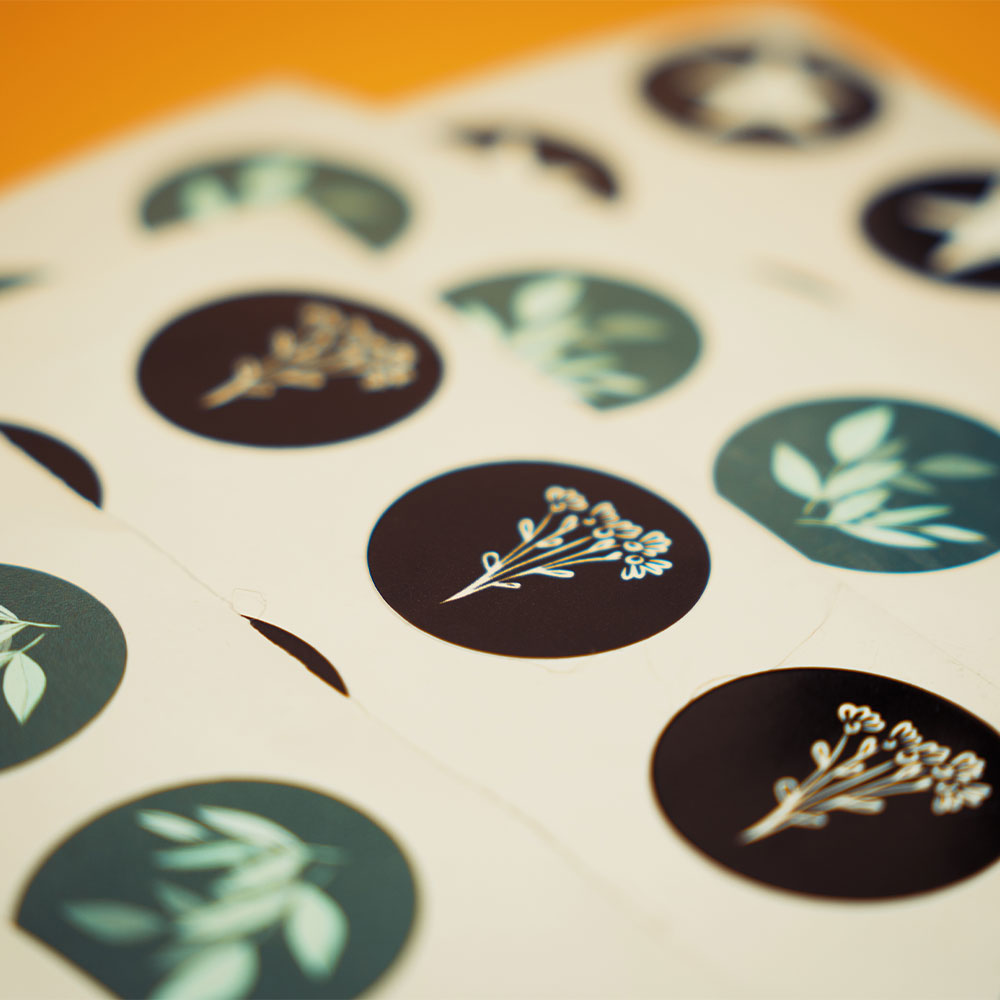
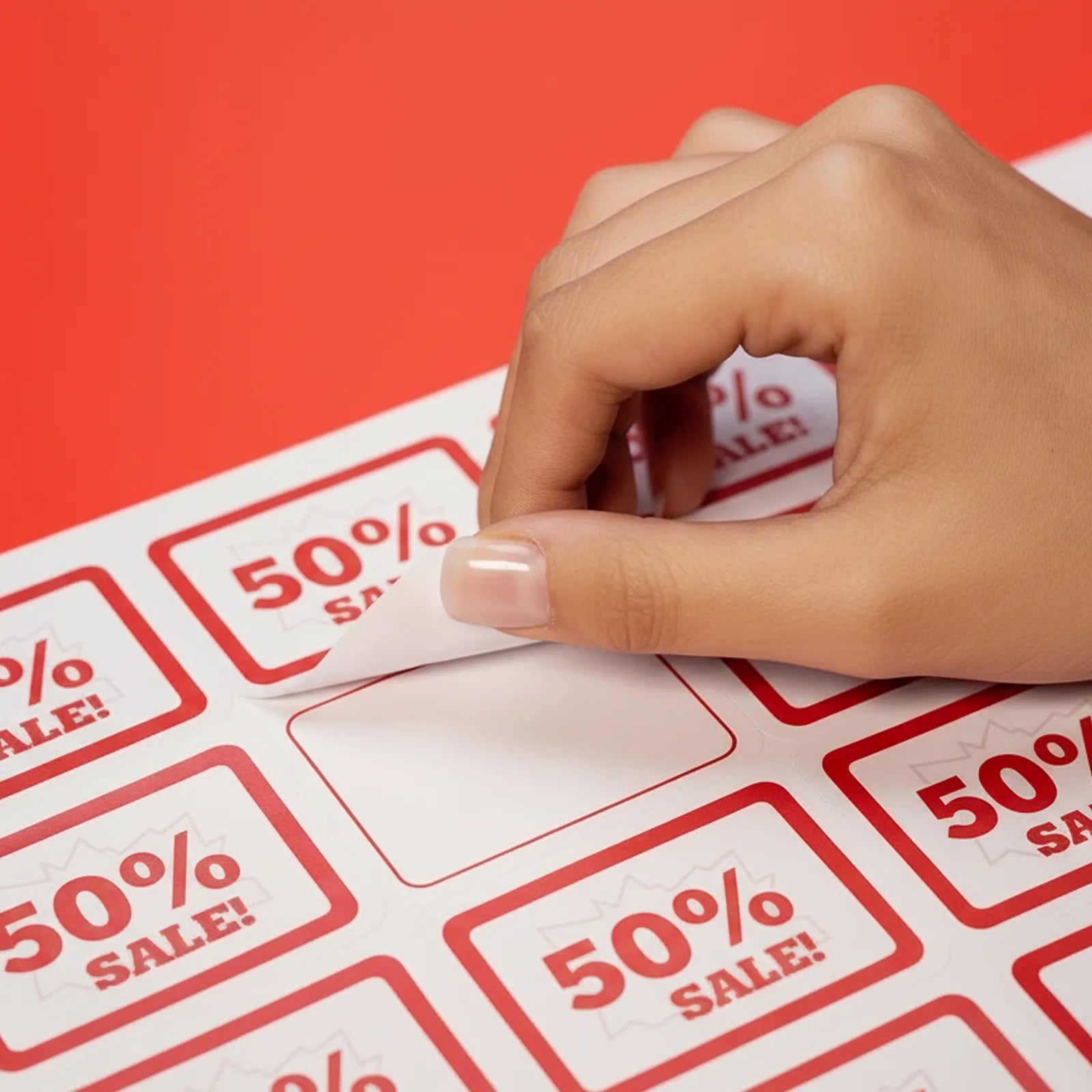
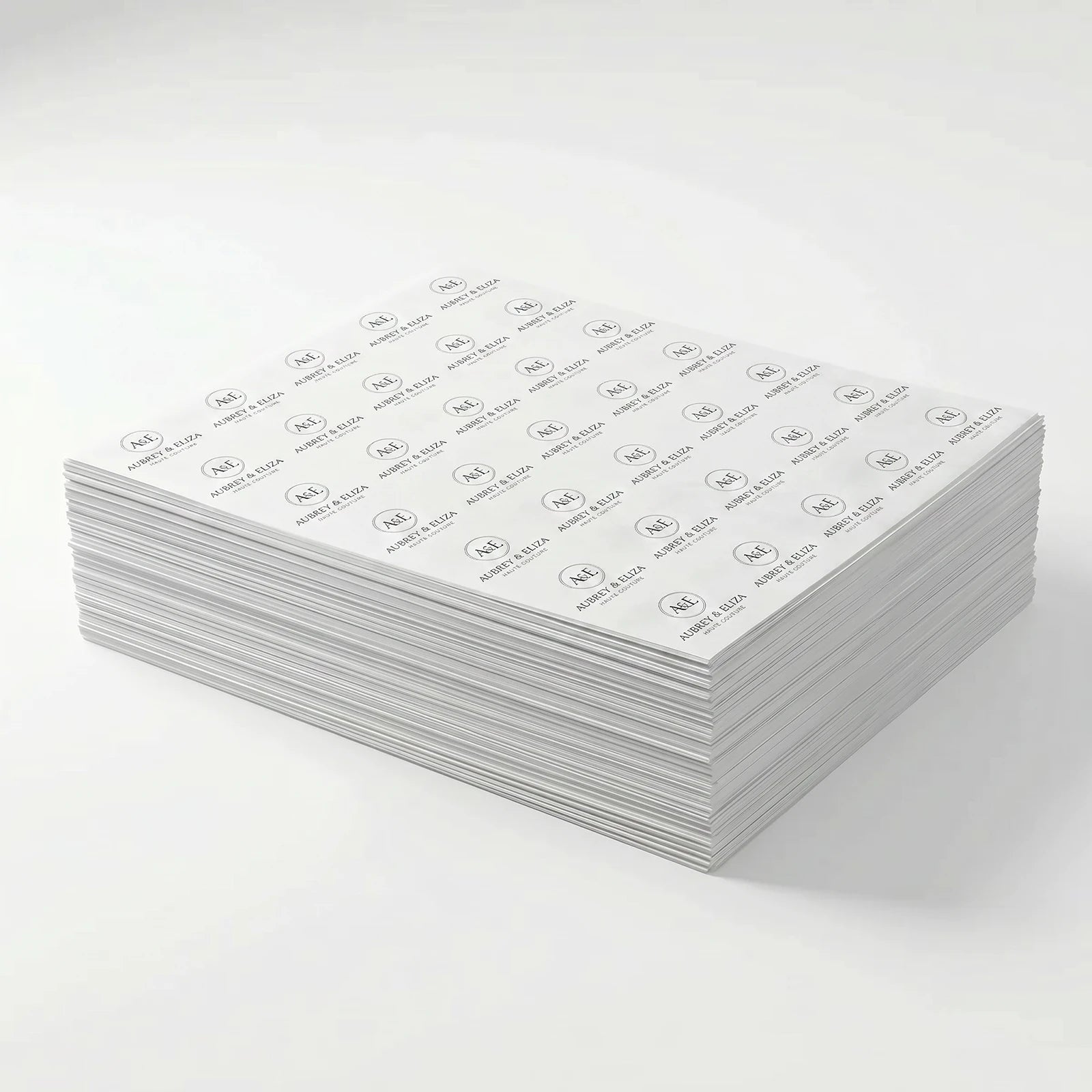
Stickers and labels can perform several different roles within a retail packaging system. They may close tissue, add a logo to otherwise simple packaging or provide another branded surface on an order.
The value of a sticker often comes from flexibility. A retailer can combine it with different packaging formats while maintaining a consistent visual identity.
For detailed sticker shapes, printing and product-specific options, visit Custom Printed Stickers & Labels.
Using Hang Tags Within Retail Packaging
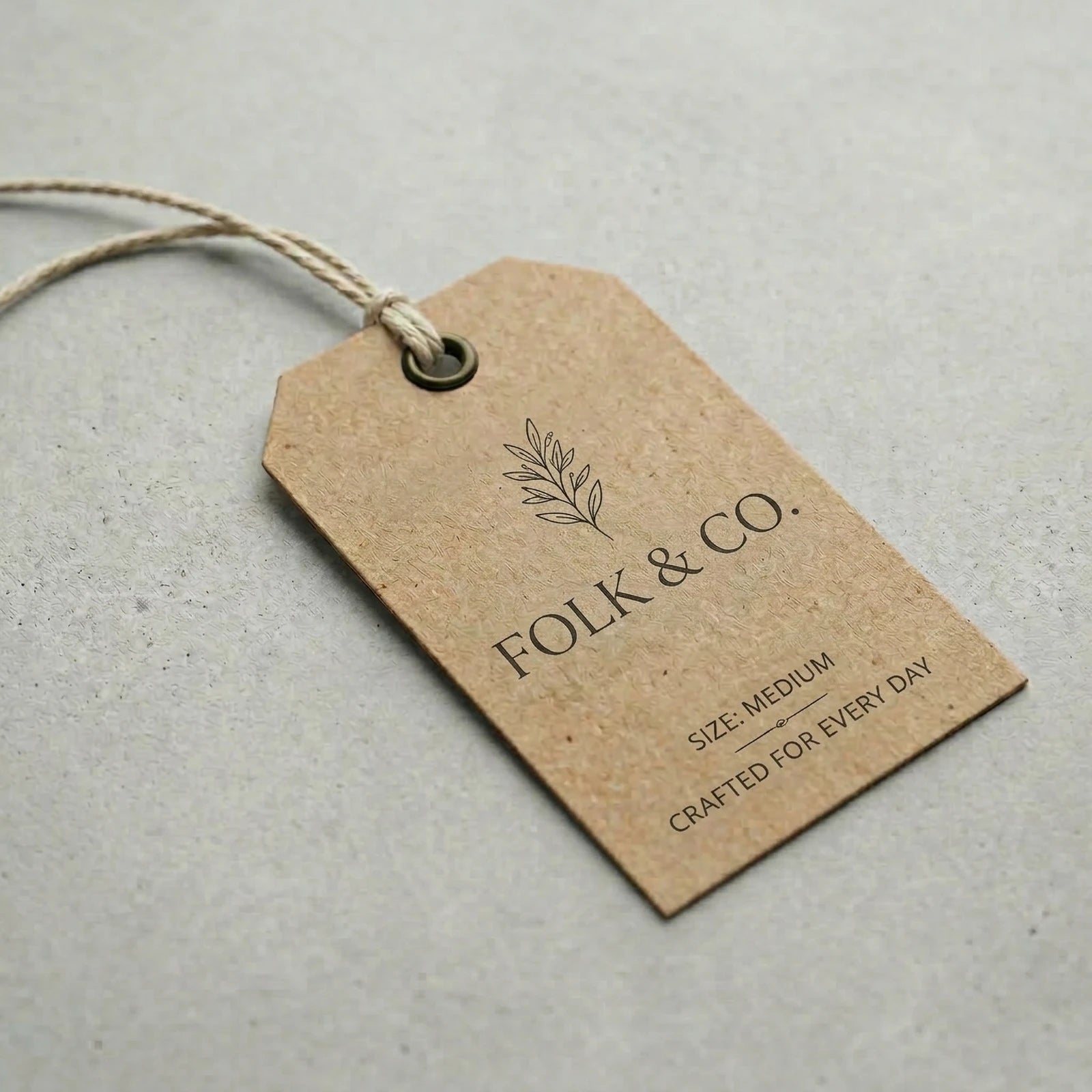
Hang tags connect branding more directly to the individual product. They are commonly associated with fashion, clothing, accessories, gifts and other retail products where a tag forms part of the presentation before purchase.
A tag can carry the brand visually while helping a product feel connected to the wider packaging system.
Detailed tag formats and options belong in the specialist Custom Printed Hang Tags category rather than being duplicated across this hub.
Using Boxes Within a Retail Packaging System
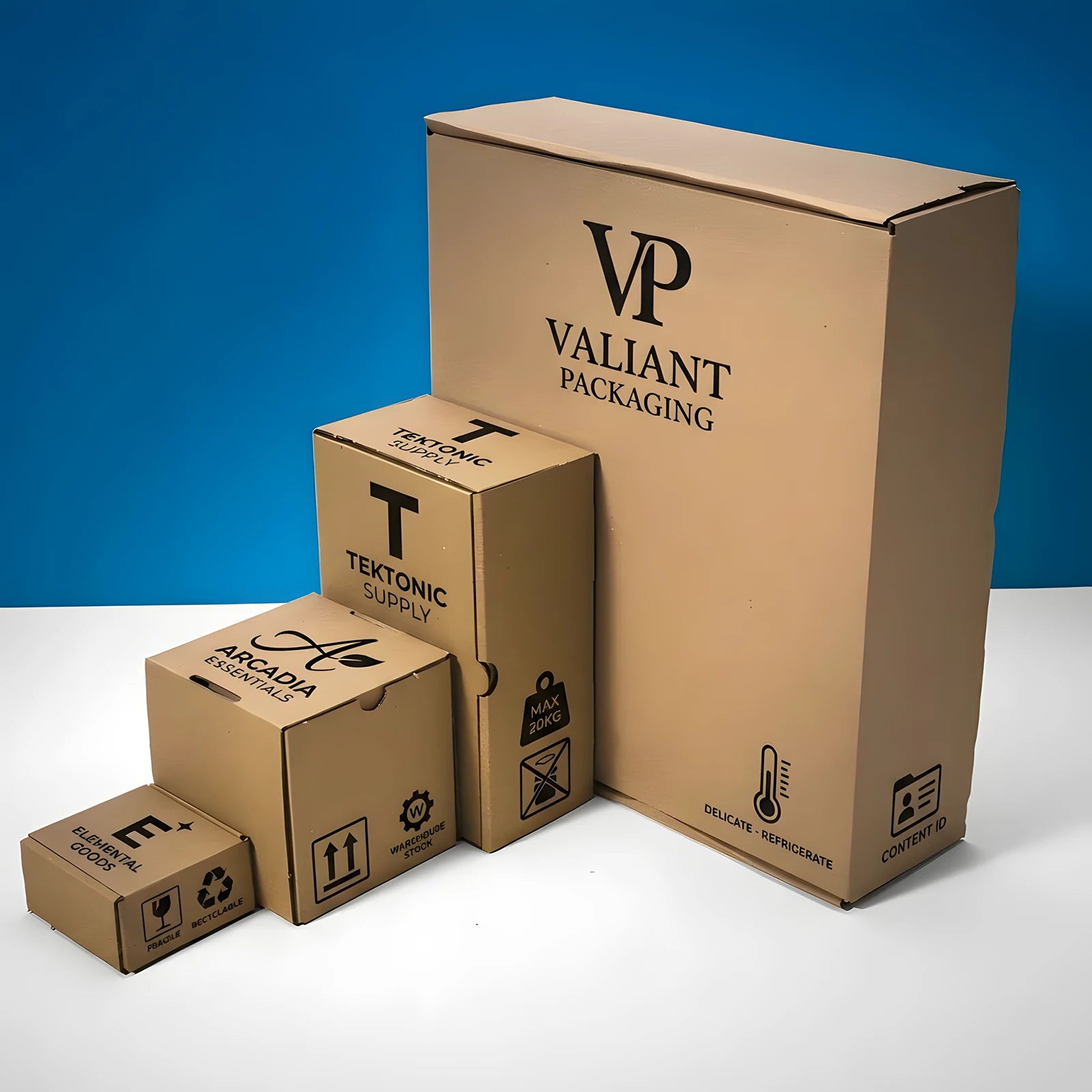
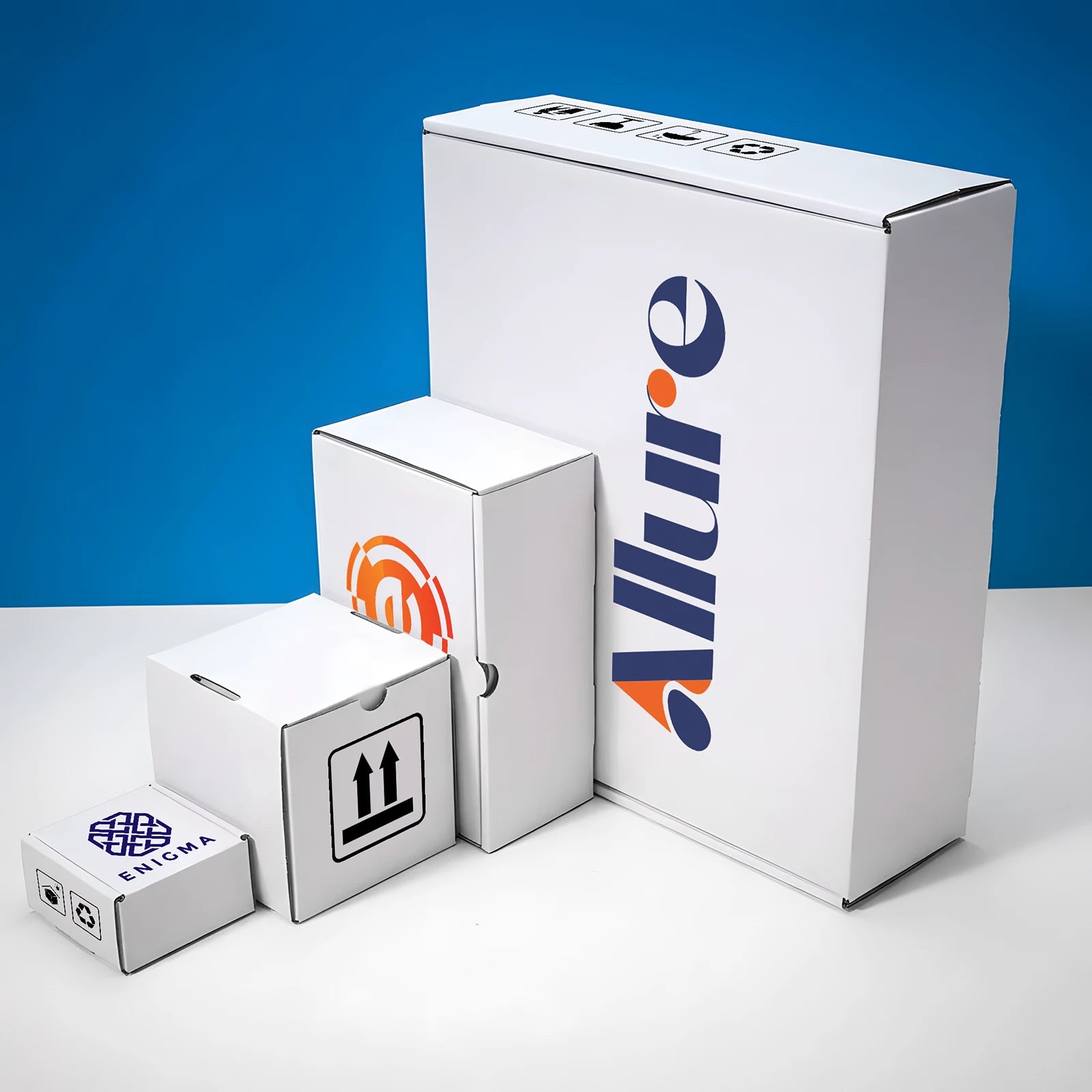
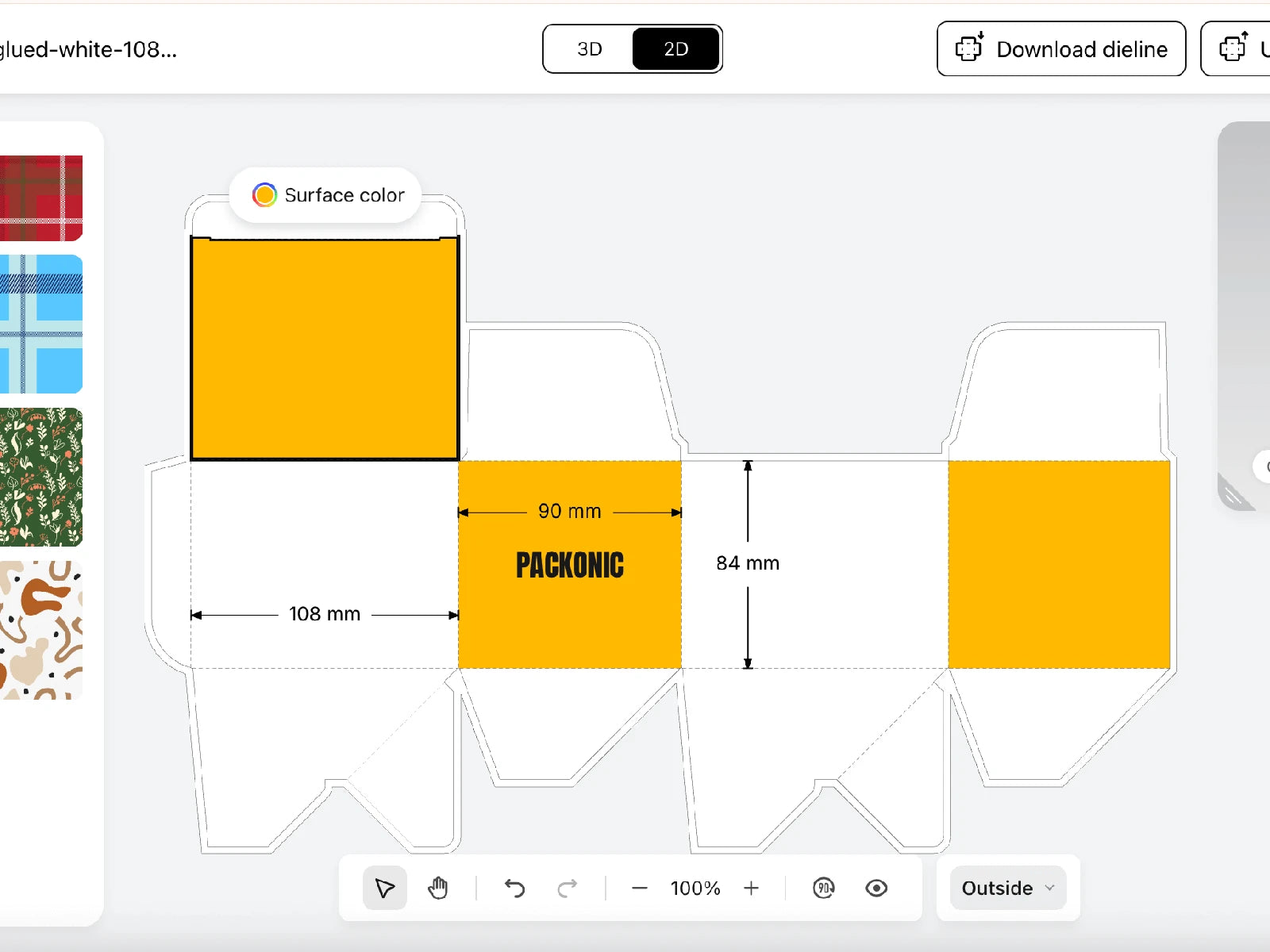
Boxes can serve several different purposes across retail: product presentation, ecommerce fulfilment, gift packaging or general branded packaging.
The correct box depends on where it appears in the customer journey.
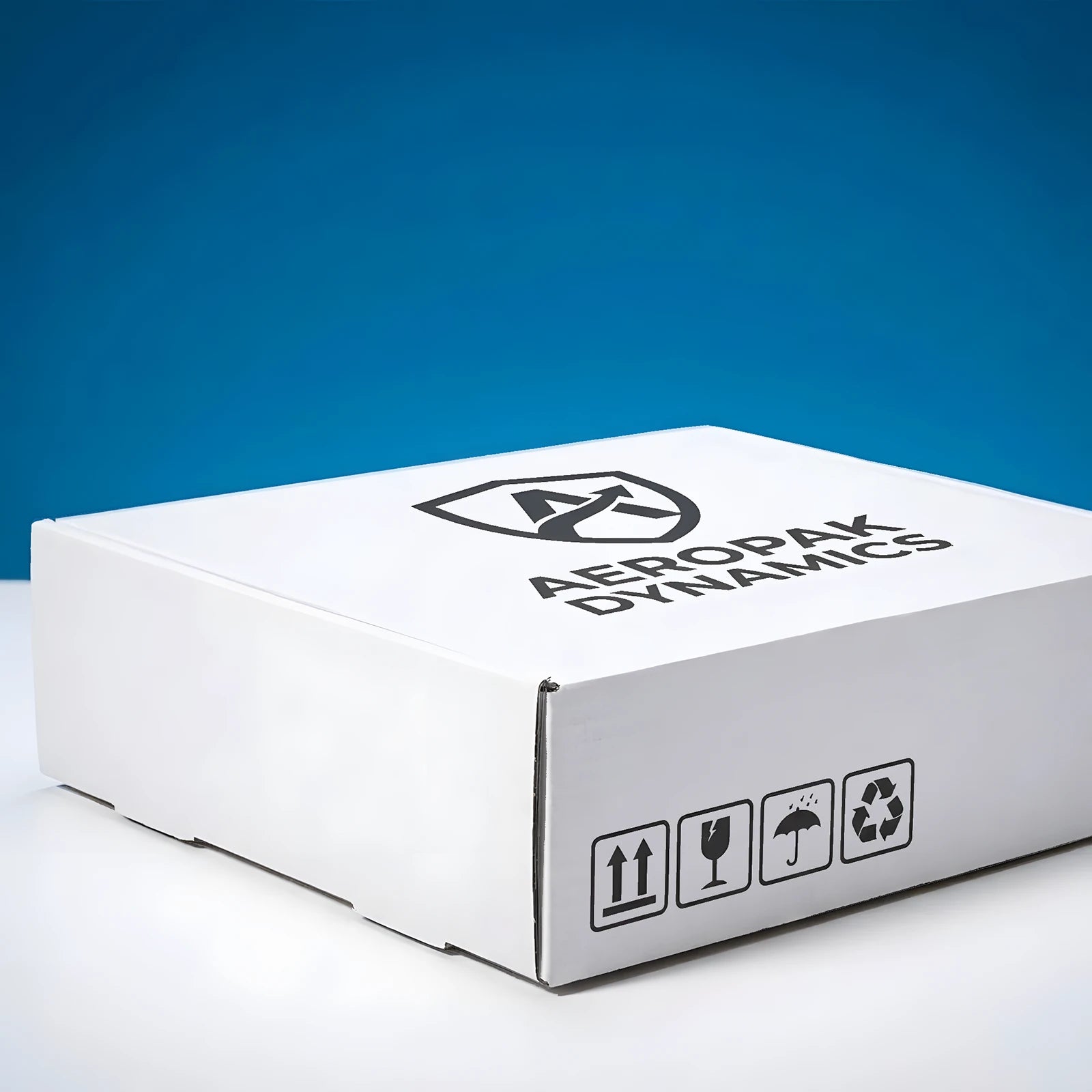
A box designed primarily to present a product is not necessarily the same packaging required for postal delivery. Likewise, a large ecommerce mailer can be unnecessary if the product already has suitable protective packaging and only needs an appropriate shipping layer.
Businesses comparing broader product and presentation box formats can explore Custom Packaging Boxes, while businesses specifically looking for branded ecommerce delivery formats can use the Custom Printed Mailer Boxes collection.
How to Choose the Right Custom Retail Packaging
The right custom packaging for retail should be selected around the product and sales process before design decisions are made.
Consider the following:
- Product type: Clothing, jewellery, beauty, gifts, homeware or another retail product?
- Product size: Are products similar in size or highly varied?
- Sales channel: Physical retail, ecommerce or both?
- Protection: What needs to happen before the product reaches the customer safely?
- Presentation: Which packaging layer will the customer see first?
- Branding: Where does the logo or visual identity add the most value?
- Volume: How much packaging is used each month?
- Storage: How much space is available for packaging stock?
- Seasonality: Will the design remain usable throughout the year?
These questions help separate packaging that is necessary from packaging that is simply decorative.
Retail Packaging Size: Why Product Fit Matters
Packaging size affects presentation, protection, storage and fulfilment.
Packaging that is significantly larger than the product can create unnecessary empty space and make the order feel poorly proportioned. Packaging that is too small can make packing difficult or fail to provide the intended presentation.
Retailers should therefore consider:
- Actual product dimensions
- Whether products are packed individually or together
- Additional tissue or internal packaging
- The amount of movement inside the packaging
- Storage and packing-space requirements
- How several sizes will be managed operationally
The goal is not always the smallest possible package, but a format that makes sense for the product and the way it is handled.
How Packaging Supports the Retail Unboxing Experience
The unboxing experience is the sequence through which a customer discovers the product after opening an ecommerce order or gift package.
It does not require excessive layers or complicated presentation. A strong experience can be created simply by ensuring that the order feels intentional, organised and recognisably connected to the brand.
Useful questions include:
- What does the customer see first?
- Is the product presented neatly when the packaging opens?
- Is the branding immediately recognisable?
- Are there unnecessary packaging layers?
- Can the same presentation be repeated consistently across orders?
For ecommerce brands, these considerations are particularly important because opening the parcel may be the customer's main physical interaction with the business.
Branded Packaging Without Over-Packaging
Creating a strong brand experience does not mean every item needs several printed packaging layers.
A retailer might use a relatively simple outer box combined with custom tissue and a branded sticker. Another may use a strongly branded product box and keep the surrounding materials minimal.
The important point is to give each component a purpose.
A practical packaging system can often create stronger brand consistency than one containing many unrelated printed items.
Retail Packaging Design & Brand Consistency
Branded retail packaging should visually connect with the identity customers already recognise from the business.
When developing a packaging system, consider:
- Logo placement
- Brand colours
- Typography
- Pattern use
- White space
- Print legibility
- How designs work across different packaging sizes
- How several components look together
Not every packaging item needs to use the complete brand identity. One element may carry the primary logo while another uses only a pattern or secondary colour.
This hierarchy can help the overall packaging feel more deliberate and easier to recognise.
Custom Packaging for Product Launches
Product launches often introduce packaging decisions before reliable sales data exists.
Businesses should therefore be careful about creating too many product-specific formats at the beginning of a new launch.
Where possible, packaging that can work across several SKUs or future product variations may provide more flexibility while the range develops.
Once order patterns become clearer, the packaging system can be refined around the products and sizes customers actually purchase most frequently.
Retail Packaging for Seasonal Collections
Christmas, gifting periods, launches and limited collections can create a reason to change packaging temporarily.
Before ordering seasonal branded packaging, UK retailers should estimate:
- Expected seasonal order volume
- How long the campaign will run
- Whether the packaging can be used after the campaign
- Storage requirements for unused stock
- Which packaging component needs the seasonal design
A seasonal sticker, tissue design or tag may sometimes create enough variation without requiring every part of the packaging system to be replaced.
Retail Packaging for Growing & Multi-Site Businesses
As a retail business grows, packaging needs can shift from flexibility towards repeatability and stock control.
A multi-site retailer may need the same visual presentation across several shops, while an ecommerce operation may need packaging that can be reordered consistently for fulfilment.
Growing businesses should consider standardising:
- Core packaging dimensions
- Brand artwork
- Common packaging formats
- Product-to-package matching
- Reordering specifications
This makes it easier for different team members or locations to produce a consistent customer experience.
Wholesale Retail Packaging & Higher-Volume Ordering
Wholesale retail packaging becomes relevant when a business uses the same packaging consistently at higher volumes.
Larger orders may make sense for established designs and packaging formats with predictable usage, but volume should not be considered in isolation.
Before increasing quantities, businesses should evaluate:
- Average monthly use
- Storage capacity
- Expected brand or artwork changes
- Product range changes
- Seasonal demand
- How quickly the stock is likely to be consumed
A larger quantity can support consistency, but holding too much packaging with outdated artwork or dimensions can create unnecessary stock.
Retail Packaging for Click & Collect
Click-and-collect sits between physical retail and ecommerce. The order is placed digitally but collected directly from the business.
This means packaging may not require the same delivery structure as a postal ecommerce order, yet presentation still matters because the customer receives a pre-packed purchase.
Retailers should consider whether their in-store packaging can also handle collection orders or whether the order requires a separate outer format for easier transport.
Keeping the system flexible can prevent the business from maintaining completely separate packaging inventories for each sales channel.
Retail Packaging for Marketplace Sellers
Businesses selling through marketplaces may have less control over the digital shopping environment, making the physical product and packaging particularly important once the order arrives.
Packaging can help ensure customers recognise which brand actually produced or supplied the product rather than remembering only the marketplace through which it was purchased.
Consistent product packaging, labels, tags and ecommerce presentation can therefore help marketplace sellers build an identity beyond the platform itself.
Packaging for Subscription & Repeat Orders
Subscription and repeat-purchase businesses should think differently about packaging because the same customer may receive it many times.
A design that feels distinctive on the first order also needs to remain practical and repeatable over time.
For these businesses, consistency can be more important than constantly changing the packaging. Seasonal or campaign variations can then be introduced selectively rather than redesigning the entire system for every delivery.
How Much Retail Packaging Should a Business Order?
There is no single ideal order quantity for custom retail packaging. The correct amount depends on sales volume, storage, product range and how stable the branding is.
A useful starting point is to estimate packaging consumption using actual order data.
For example, consider:
- Average weekly or monthly orders
- Number of packaging units used per order
- Seasonal peaks
- Existing packaging stock
- Storage limits
- How frequently the business wants to reorder
Businesses testing a new packaging system may prefer greater flexibility, while established brands with stable product ranges may be better positioned for larger recurring orders.
FSC-Certified Manufacturing & Retail Packaging Decisions
Packonic's UK website states FSC Certified Manufacturing. Because a broad retail packaging range can include different papers, boards, labels and packaging constructions, sustainability and certification details should still be checked against the exact product being ordered.
Businesses with formal procurement requirements should distinguish between site-wide manufacturing credentials and the specification or certification documentation required for a particular product.
The same principle applies to recyclability and material claims: the correct information should come from the individual product specification rather than being assumed across every type of retail packaging.
How Can Retailers Reduce Unnecessary Packaging?
One of the simplest ways to reduce unnecessary packaging is to review whether every component has a clear purpose.
Retailers can consider:
- Using fewer core packaging sizes
- Avoiding oversized outer packaging
- Choosing branded elements that work across several products
- Removing decorative layers that do not improve presentation or protection
- Using one component for several sales channels where appropriate
- Planning quantities around real order volume
A more efficient packaging system can also be easier to store, pack and reorder.
How to Build a Complete Retail Packaging System
A complete retail packaging system can be built step by step rather than selecting every product at once.
- Start with the product: Define dimensions, protection requirements and presentation.
- Identify the sales channels: Store, ecommerce, marketplace, events or a combination.
- Choose the primary packaging: Determine what directly holds or presents the product.
- Add supporting elements: Tissue, labels, tags or other branded details where they have a purpose.
- Plan ecommerce packaging: Add suitable outer packaging for products that need to be shipped.
- Coordinate the artwork: Make sure the different elements share a recognisable identity.
- Estimate quantities: Use real sales data where possible.
- Standardise successful formats: Make repeat ordering easier as the business grows.
This approach keeps the system focused on how the business actually sells and fulfils orders.
Which Retail Packaging Category Should I Choose?
If you already know which packaging element you need, use the relevant specialist collection for detailed product information rather than relying on the broader Retail Packaging hub:
If you are still planning the overall system, use this Retail Packaging collection to decide which packaging layers are actually required for your products, sales channels and customer journey before moving into the individual specialist categories.
Custom Retail Packaging for a Consistent UK Brand Experience
Custom retail packaging UK businesses use effectively is not defined by the number of printed items in an order. It is defined by whether the packaging works for the product, suits the way the business sells and presents the same recognisable brand identity across each customer touchpoint.
For physical retail, this can mean connecting product presentation with the experience at checkout. For ecommerce, it means turning fulfilment and delivery into a continuation of the brand customers already experienced online. For businesses operating across both, it means creating a system flexible enough to work across several channels without losing consistency.
By planning product packaging, branded details and ecommerce packaging as one connected system, retailers can build a more organised approach to branded retail packaging, personalised packaging and ecommerce packaging while leaving each specialist product category to handle its own detailed buying requirements.