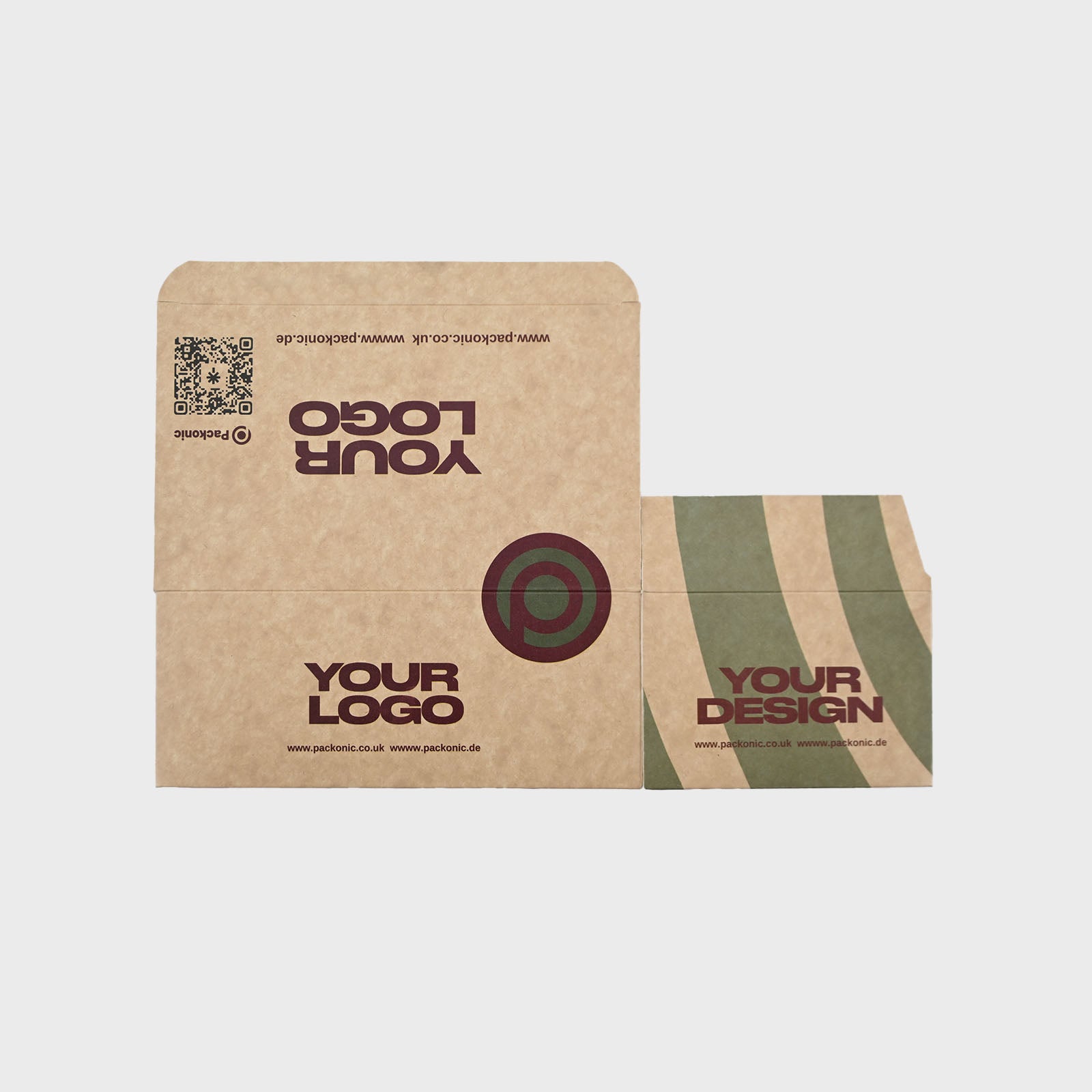
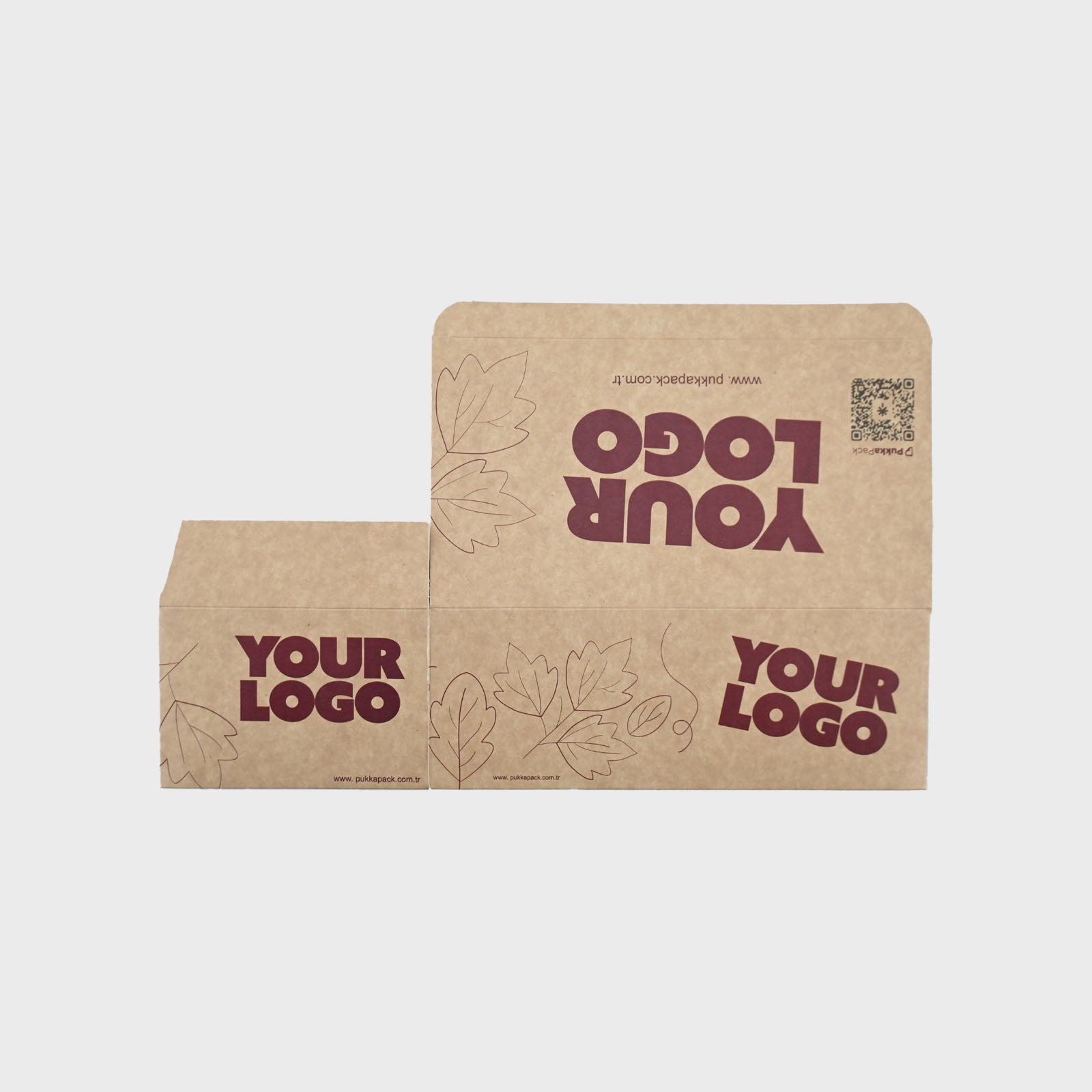
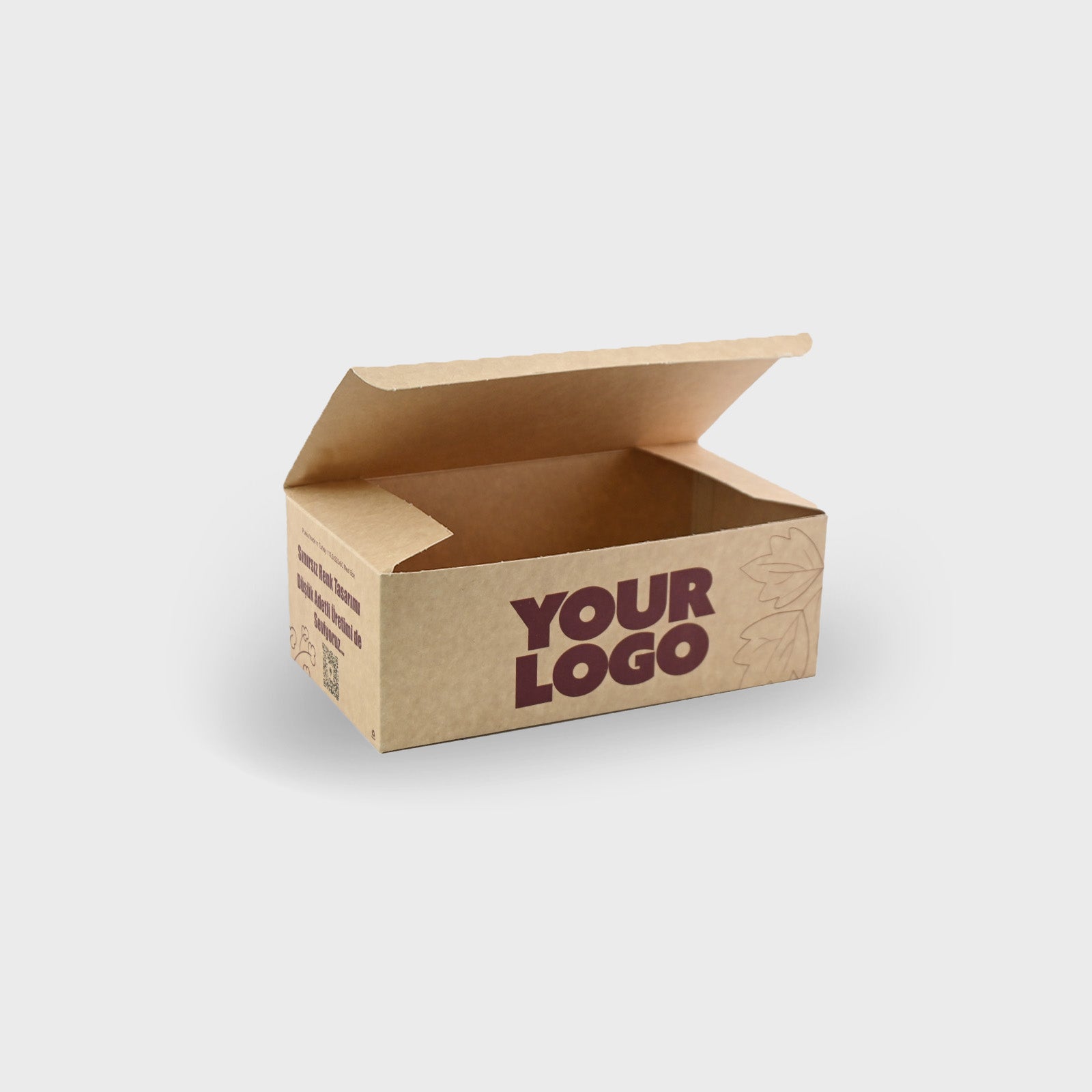
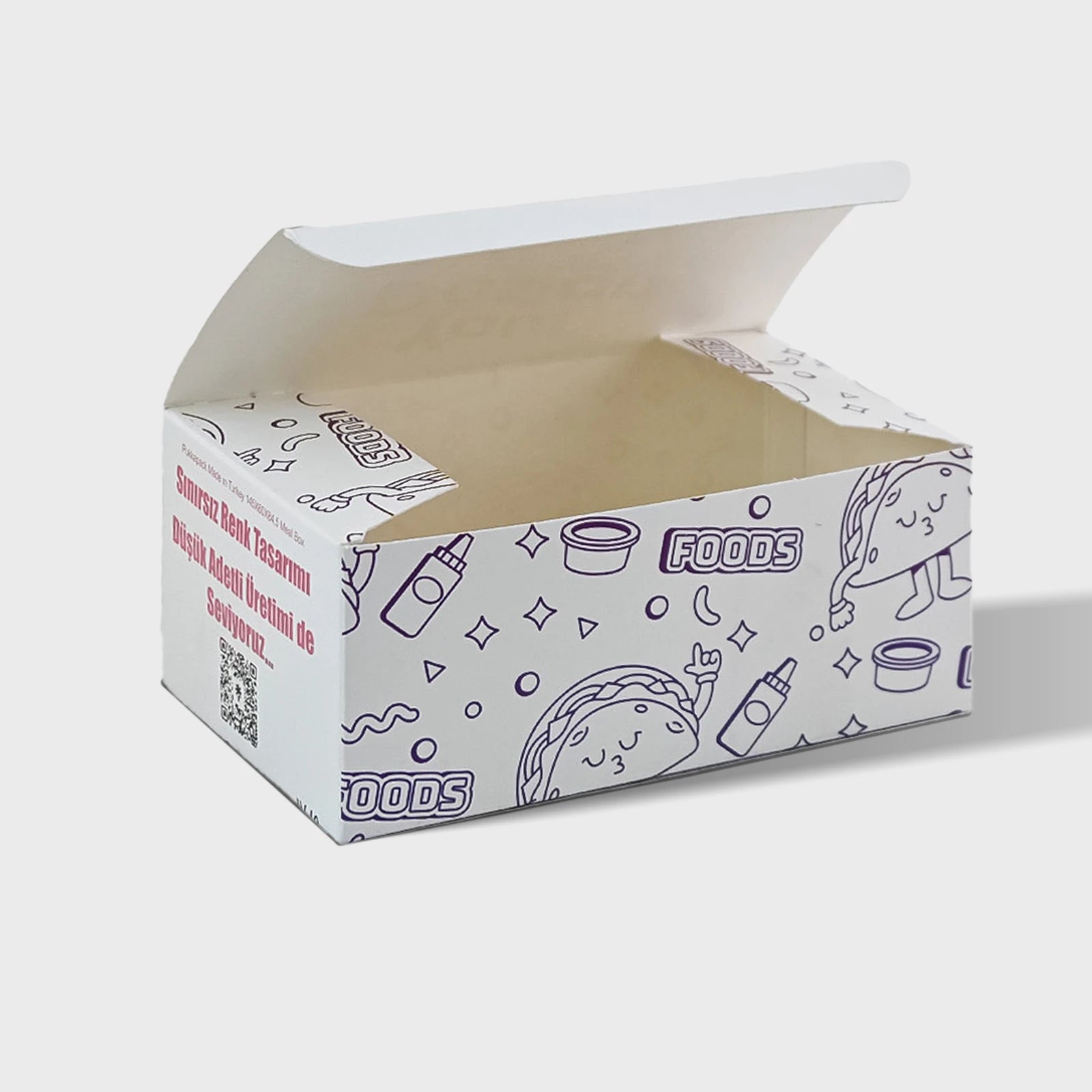
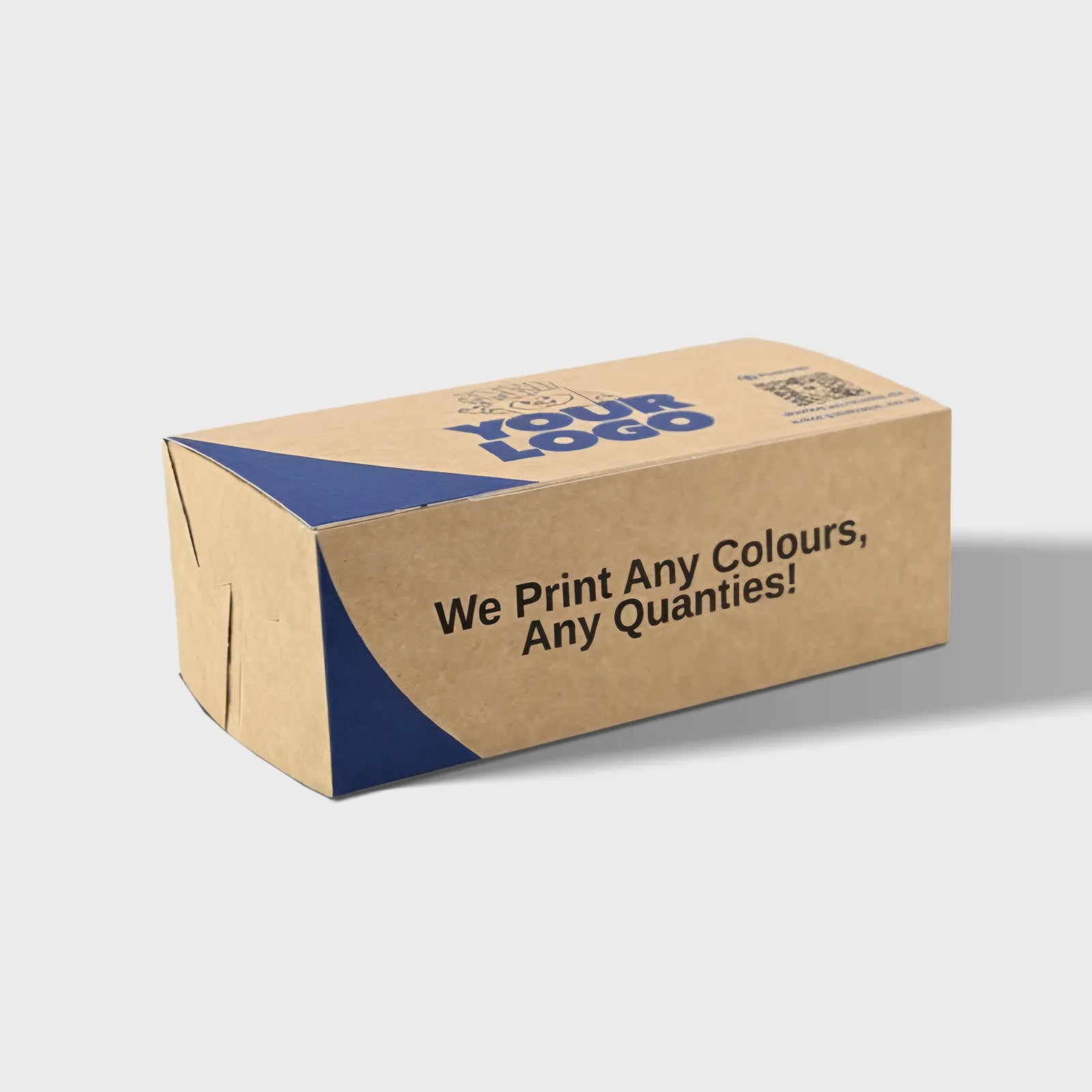
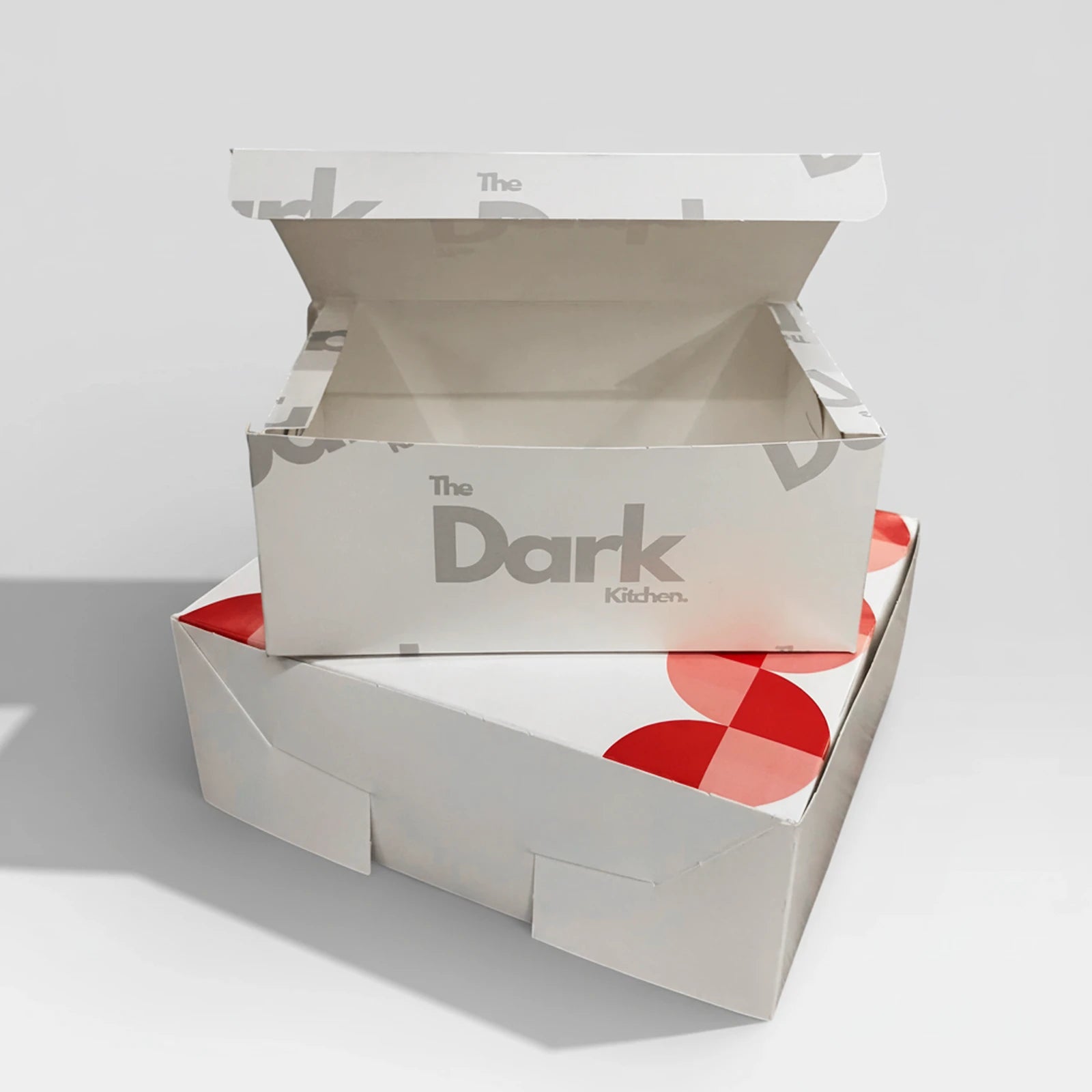
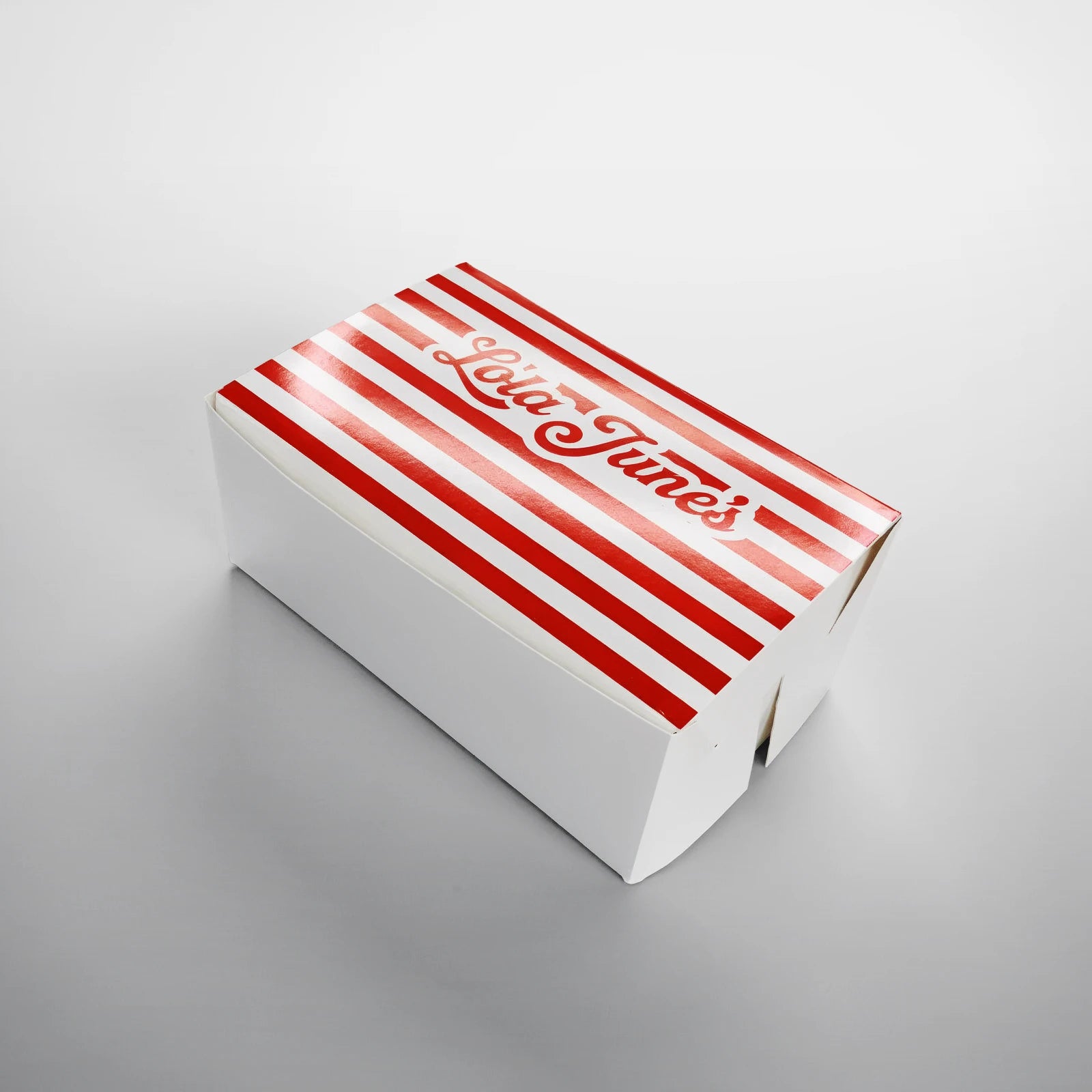
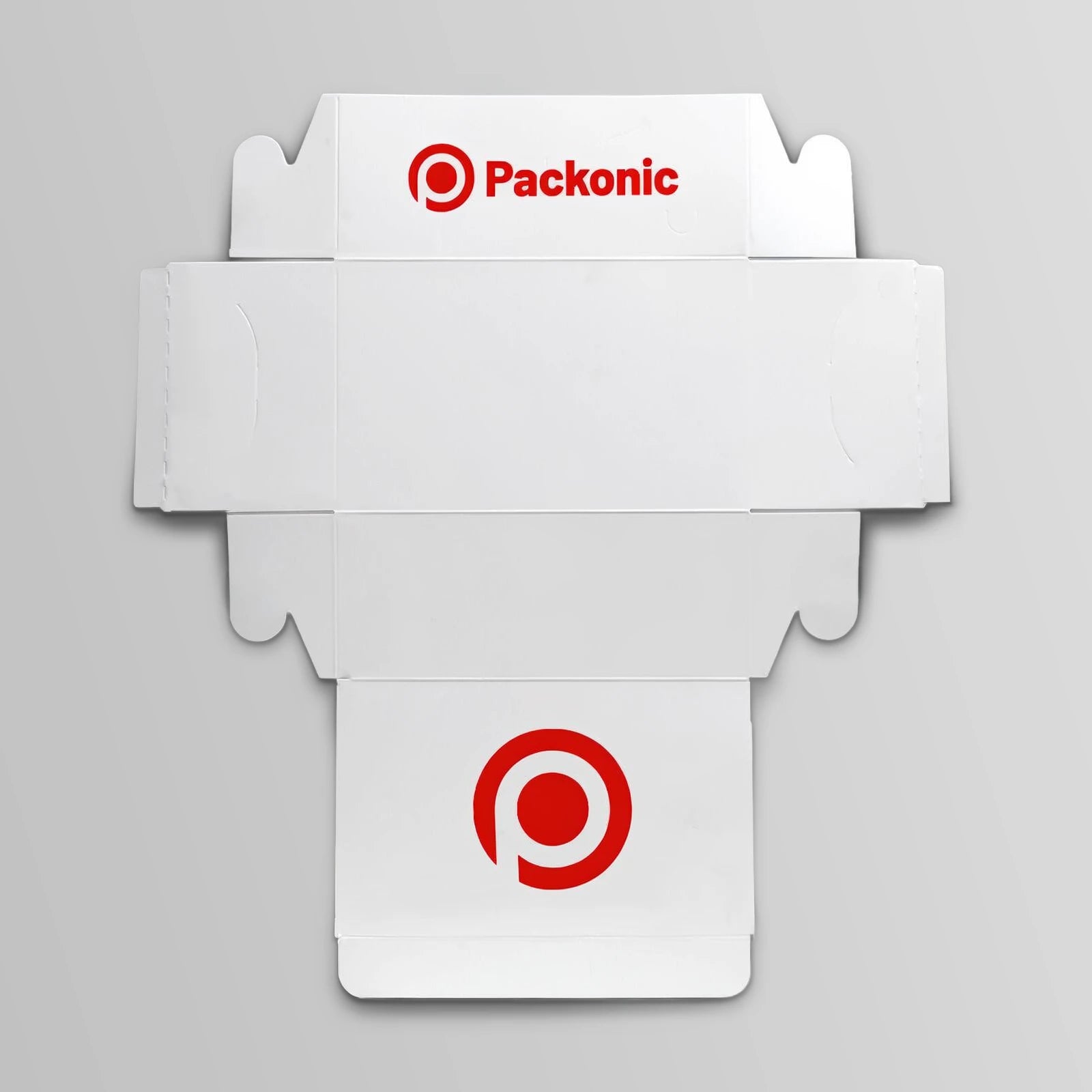
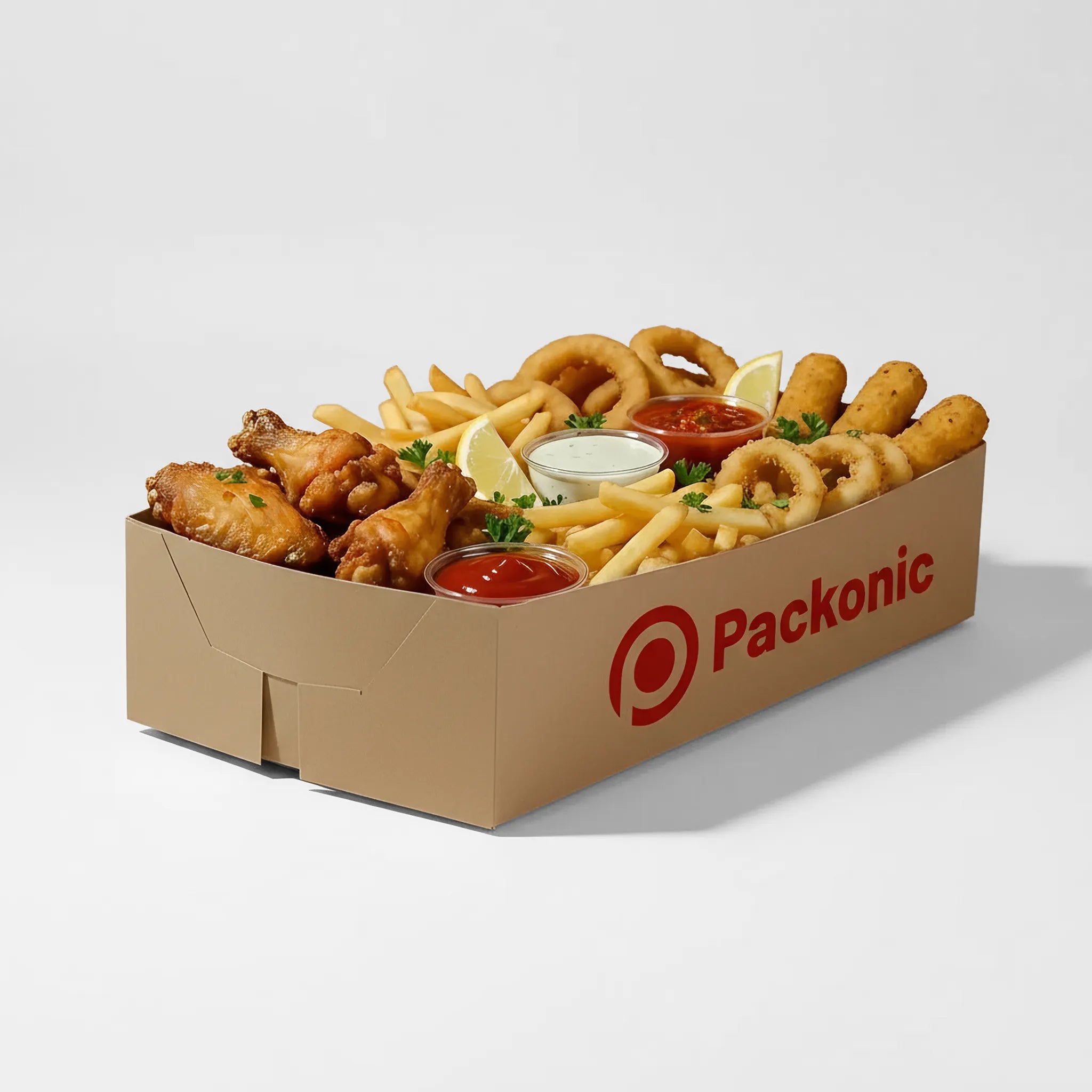
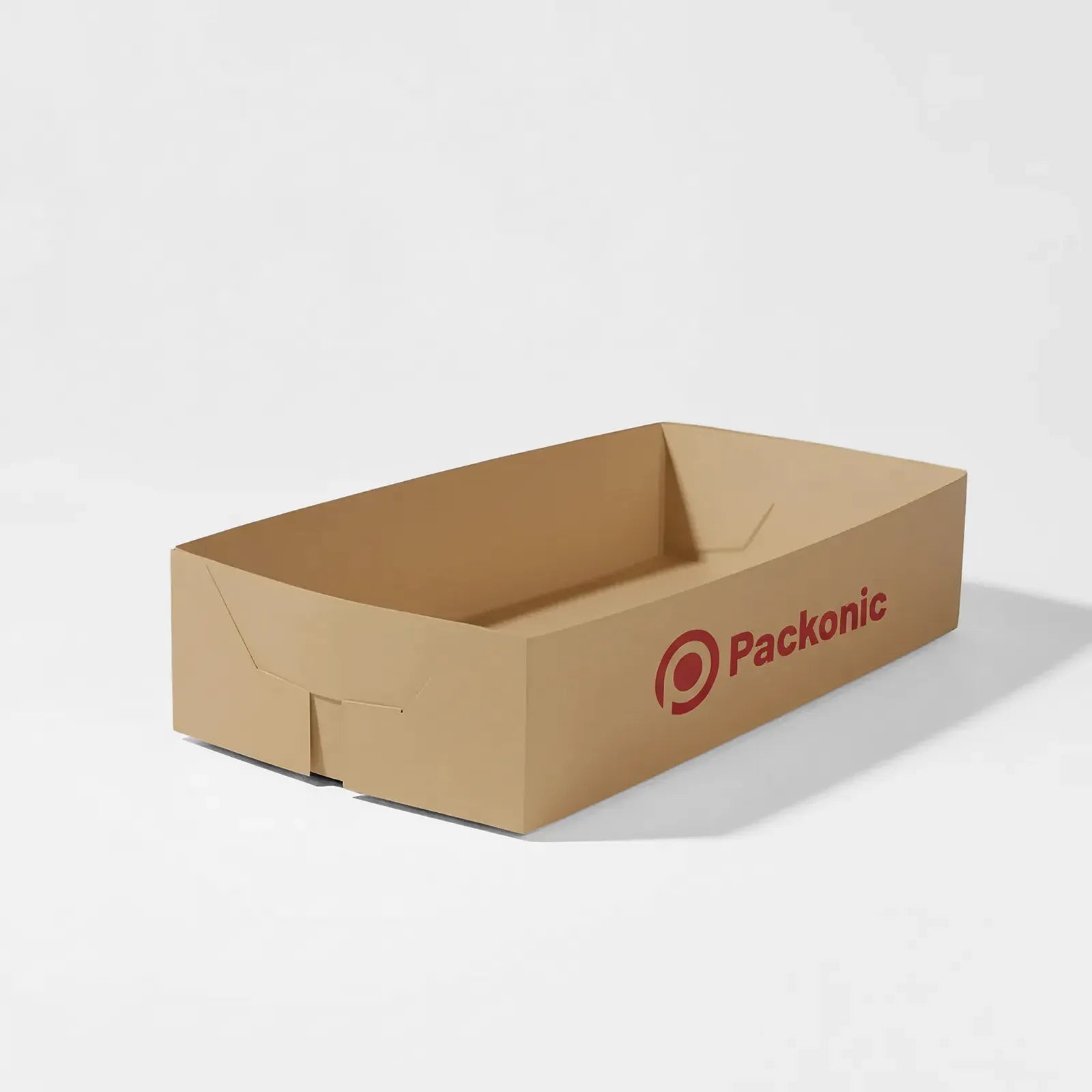
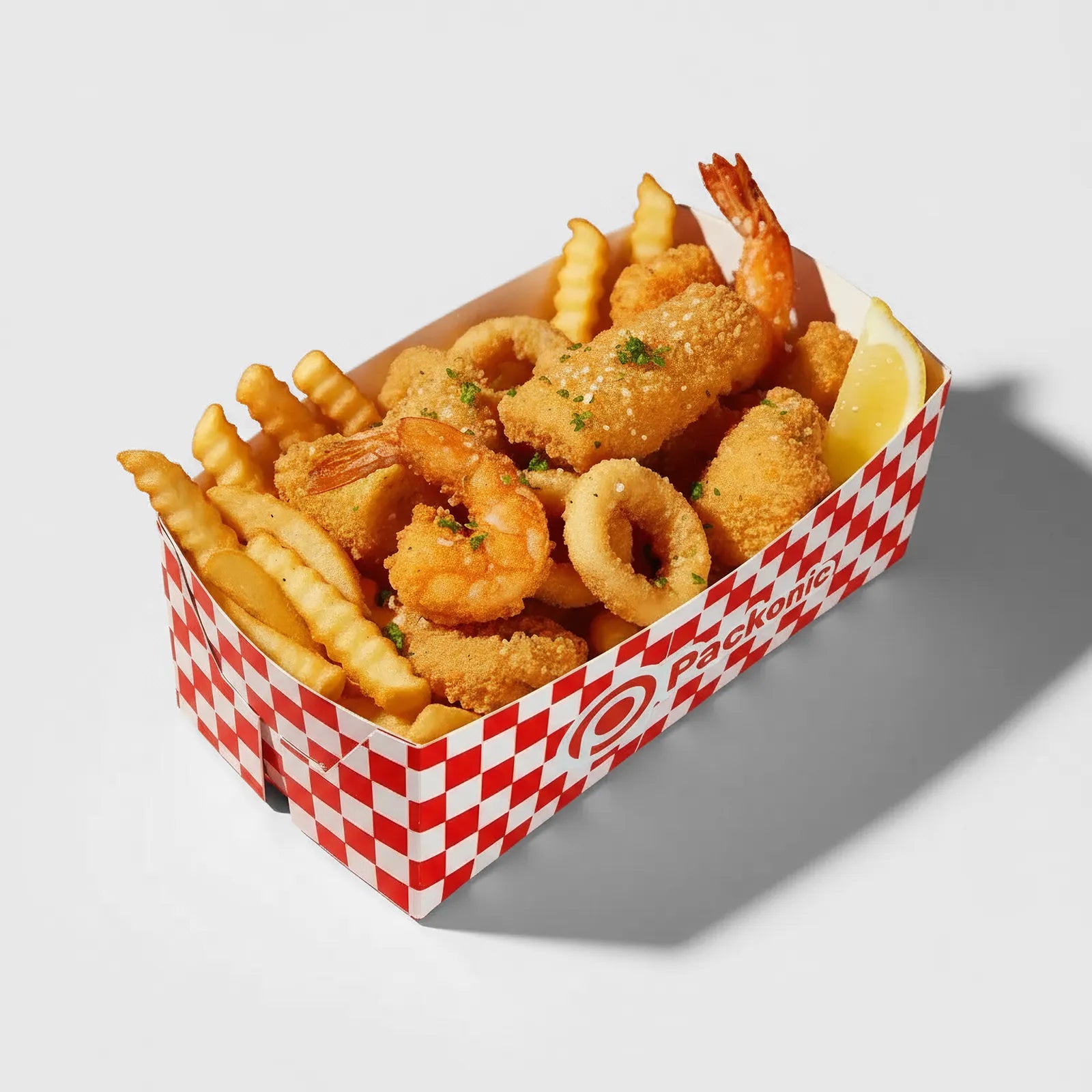
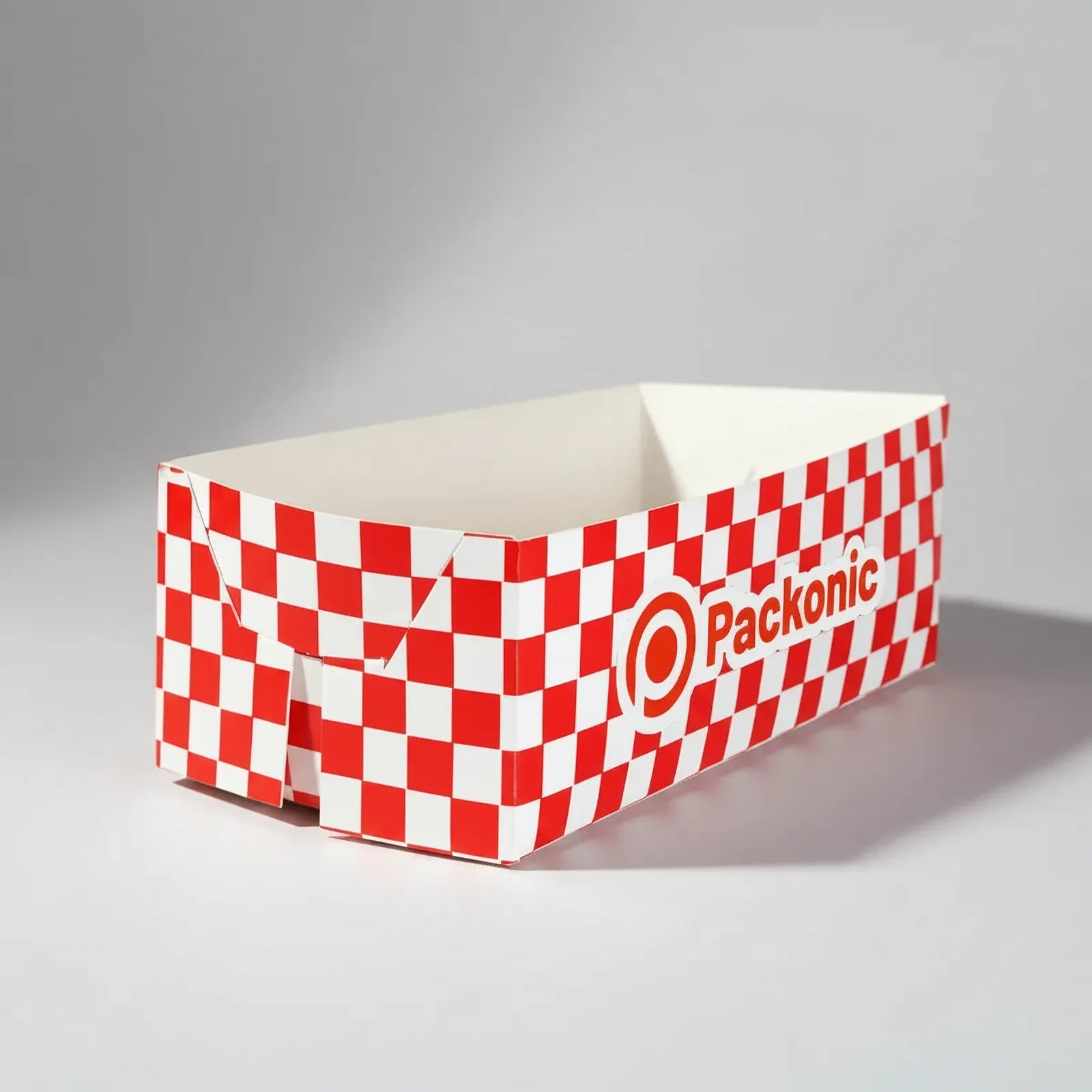
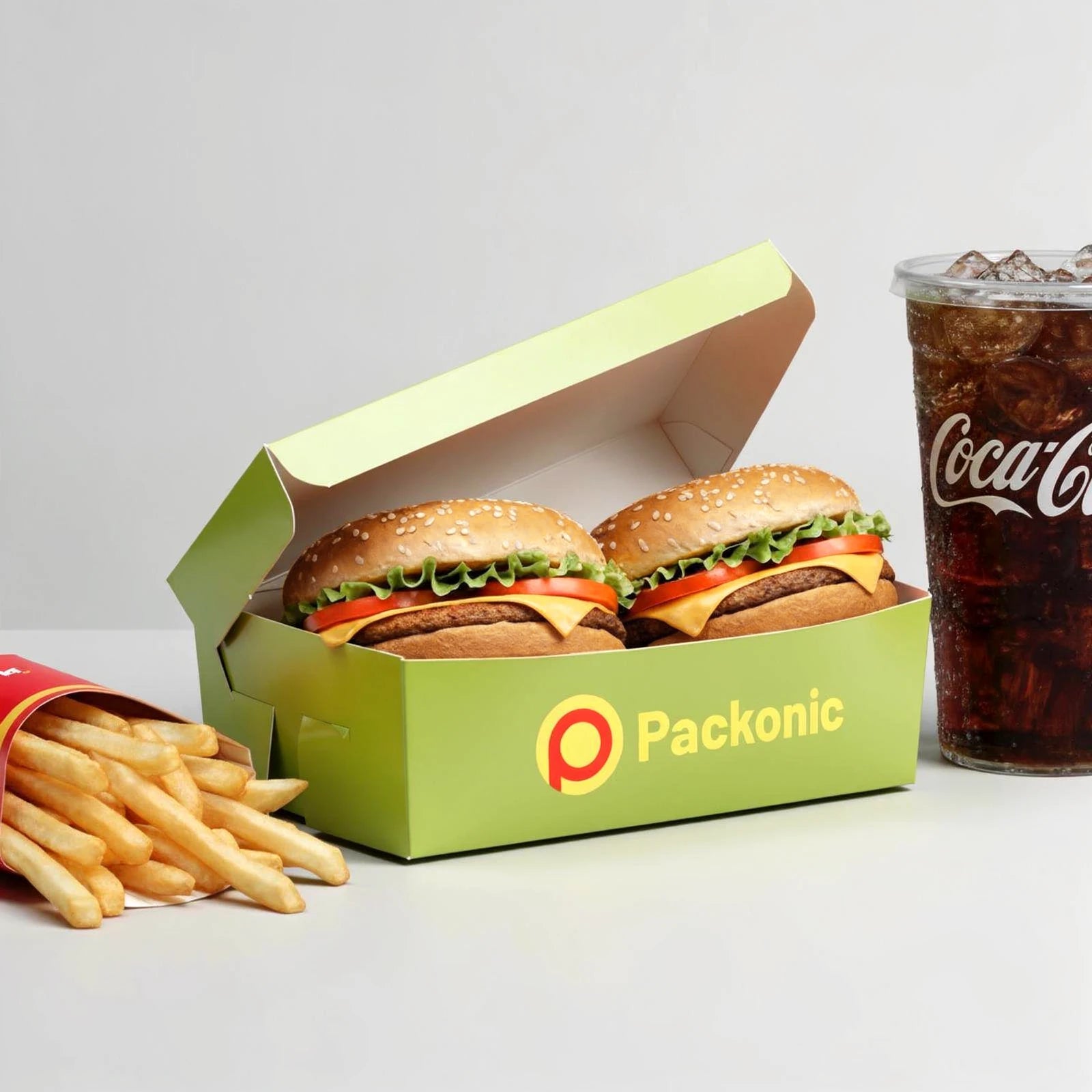
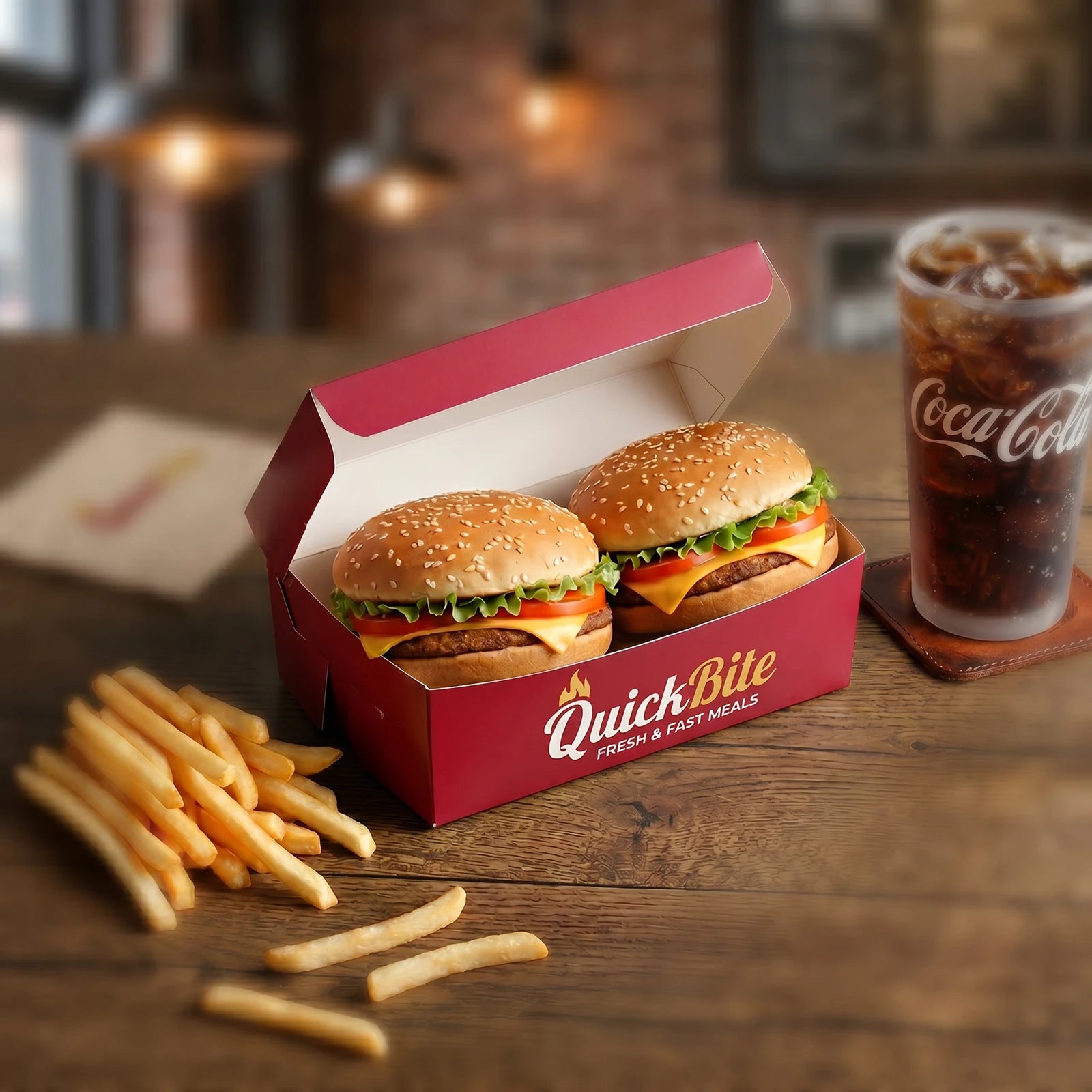
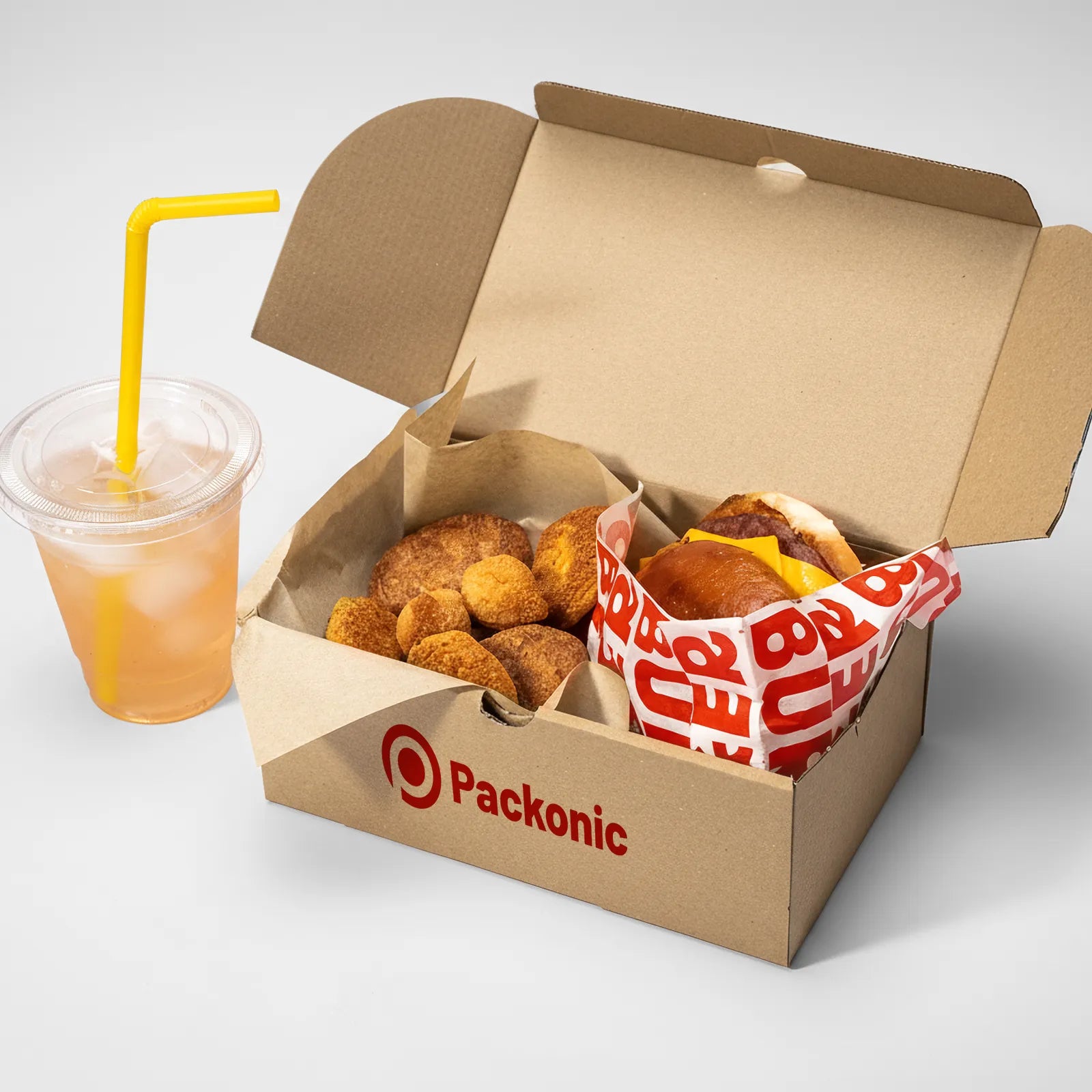
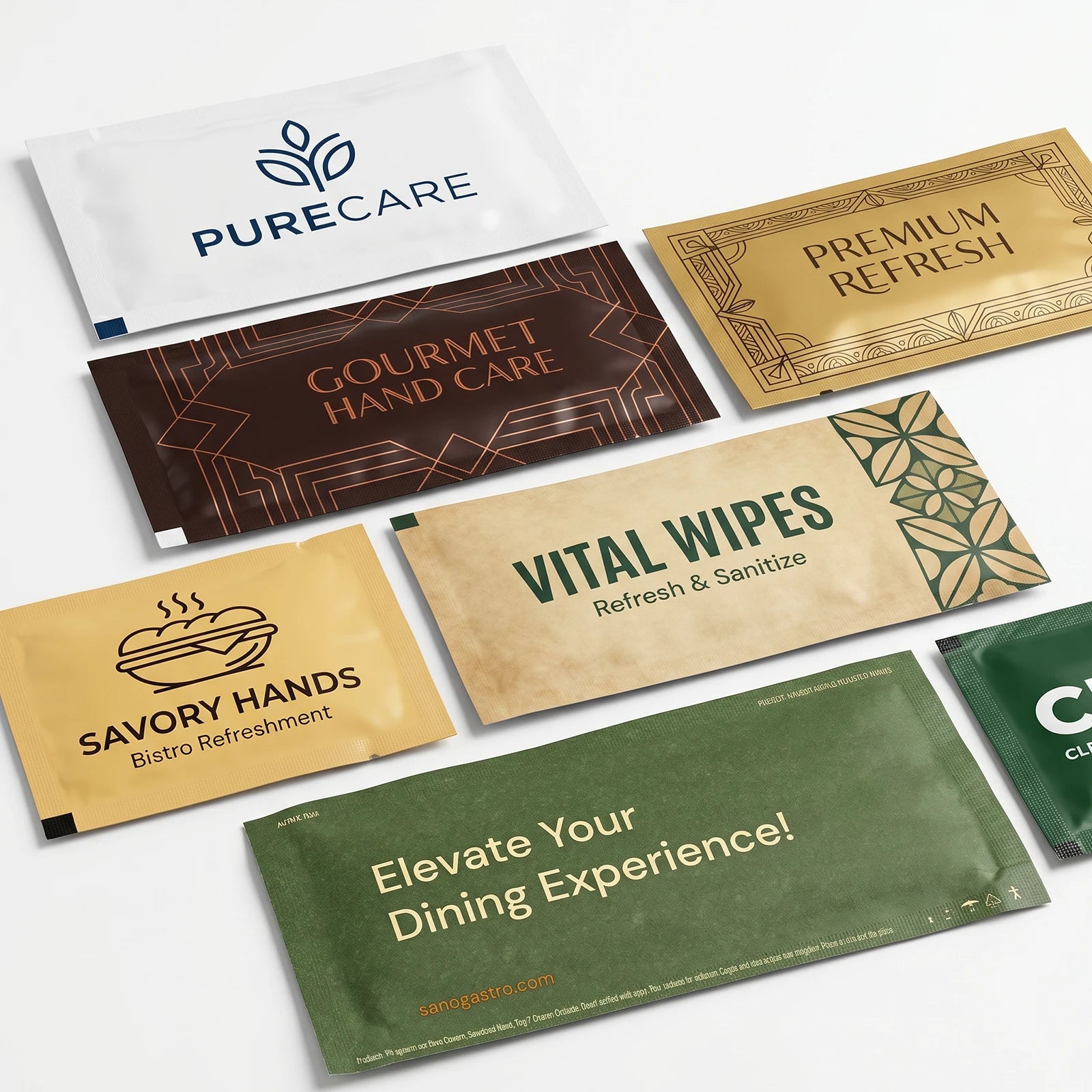
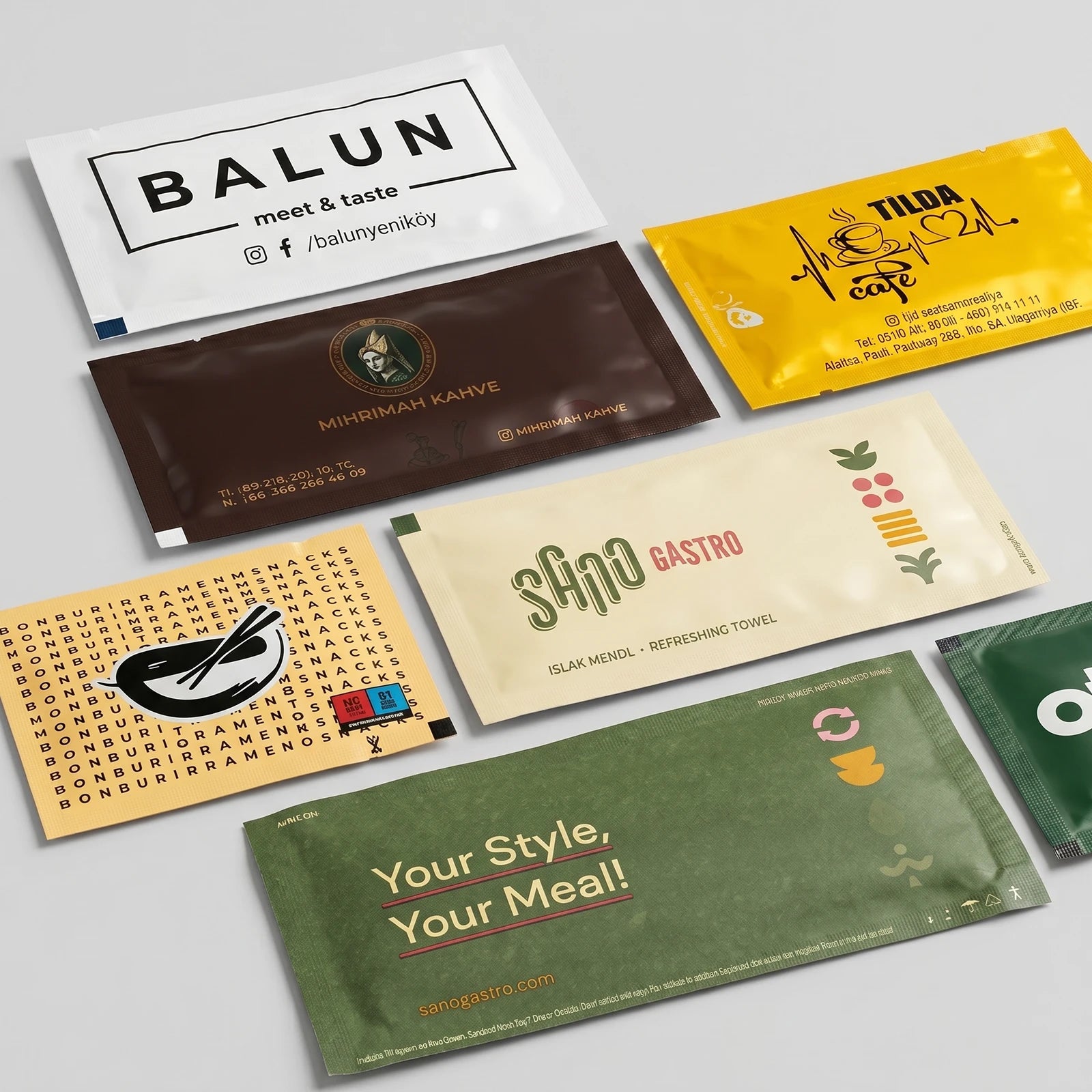
Custom Food Packaging for UK Restaurants, Takeaways & Food Brands
Custom food packaging brings together the boxes, wraps, pouches, trays, bags and supporting packaging used to serve, present and transport food under a consistent brand identity. For UK restaurants, takeaways, cafés, bakeries, fast food businesses, delivery kitchens and growing food brands, the right packaging system needs to work during real service while making the business recognisable beyond the counter.
Packonic's custom food packaging UK collection acts as the main starting point for businesses comparing different food packaging formats. It includes solutions for hot food, takeaway, delivery, grab-and-go service, burgers, pizza, sandwiches, bakery products and other food-service applications, with specialist collections available once the exact packaging type has been identified.
The purpose of this hub is not to treat every box, sheet or pouch as the same product. Different foods create different requirements for grease resistance, structure, handling, portion size, delivery and presentation. The strongest packaging system starts with the food and service model first, then adds the appropriate branding.
What Is Custom Food Packaging?
Custom food packaging is packaging selected and branded around a food business, its products and the way those products are served. Depending on the format, this can include a business logo, colours, artwork, patterns or other visual elements while the packaging itself performs a practical food-service function.
A complete food packaging system may include:
- Food boxes
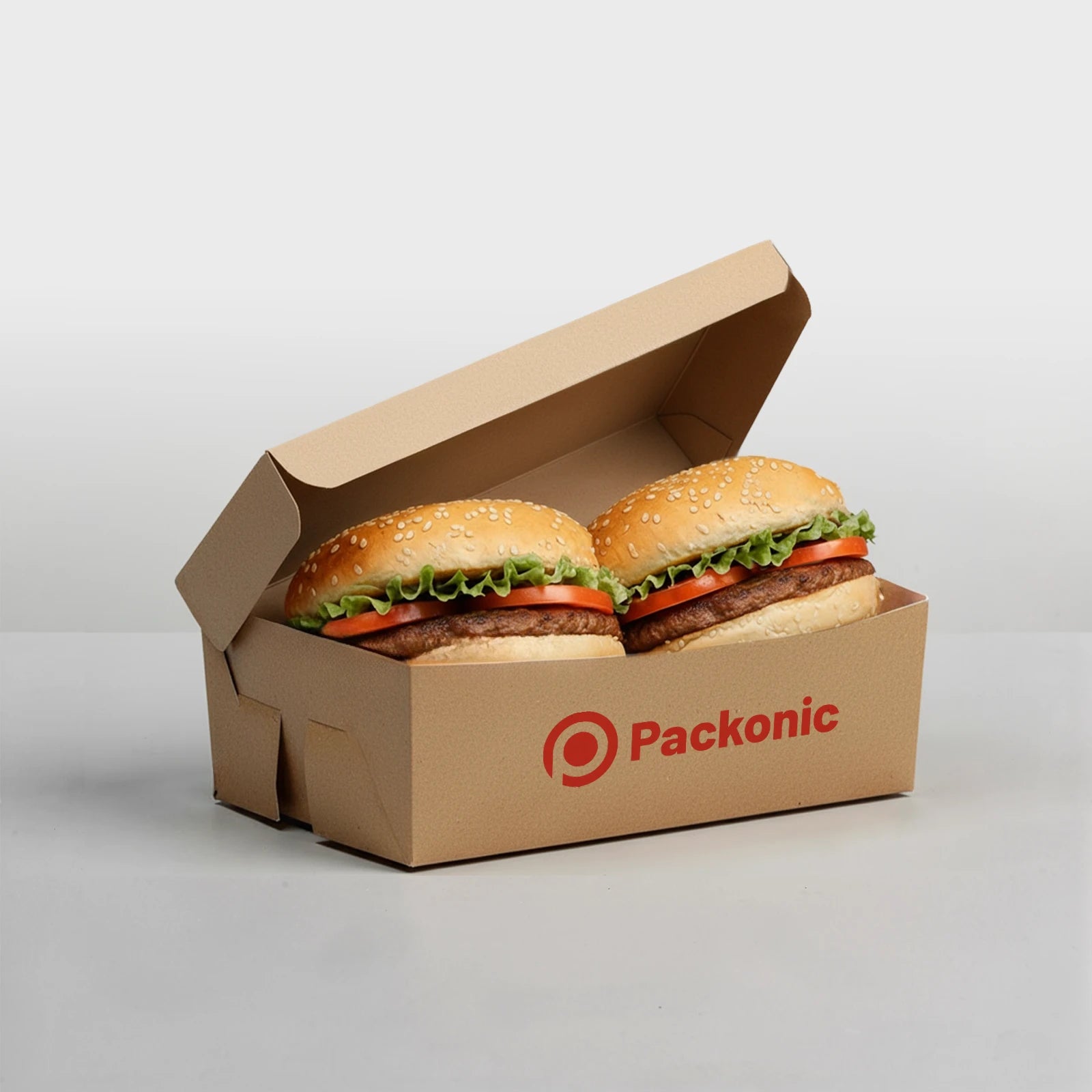
- Burger boxes and burger bags
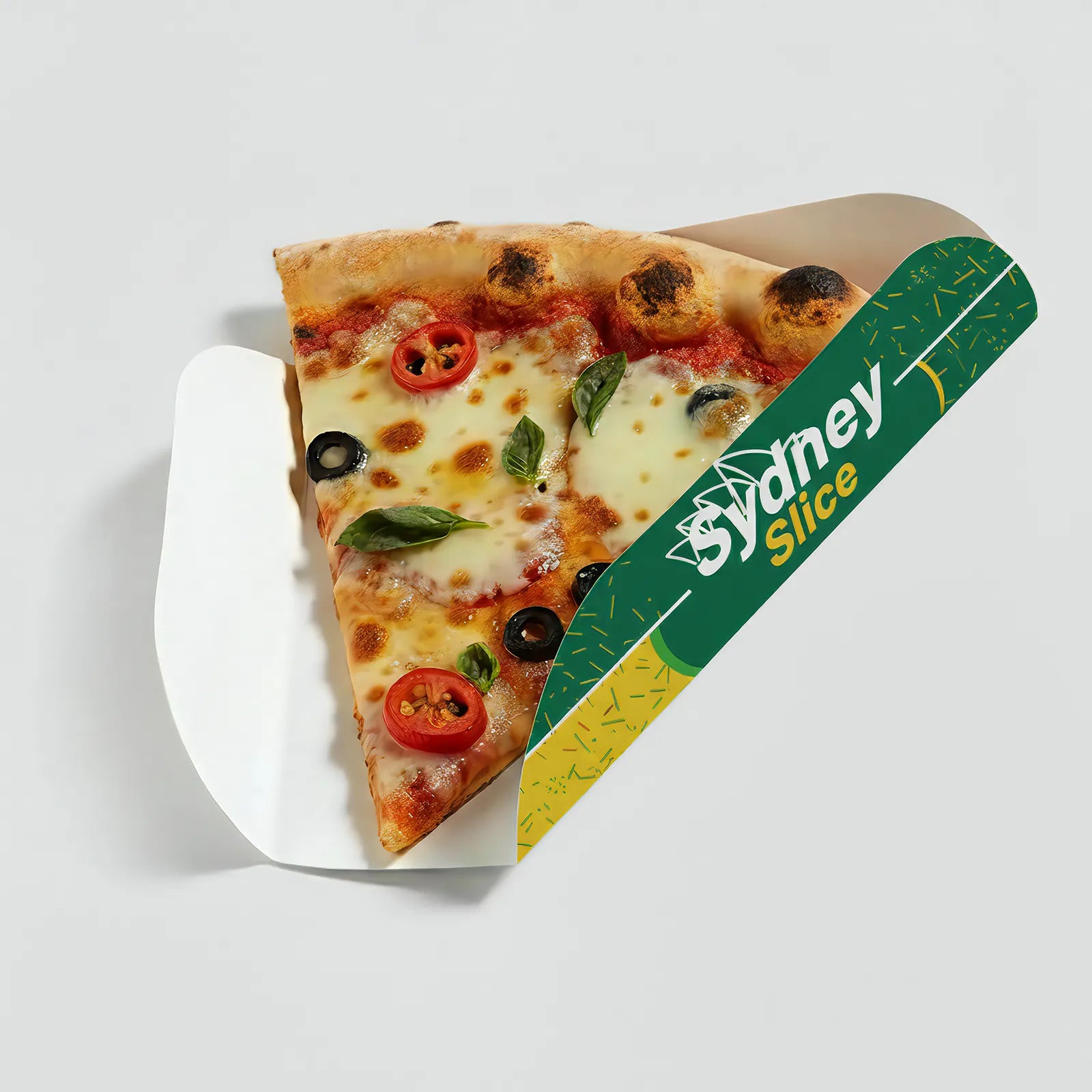
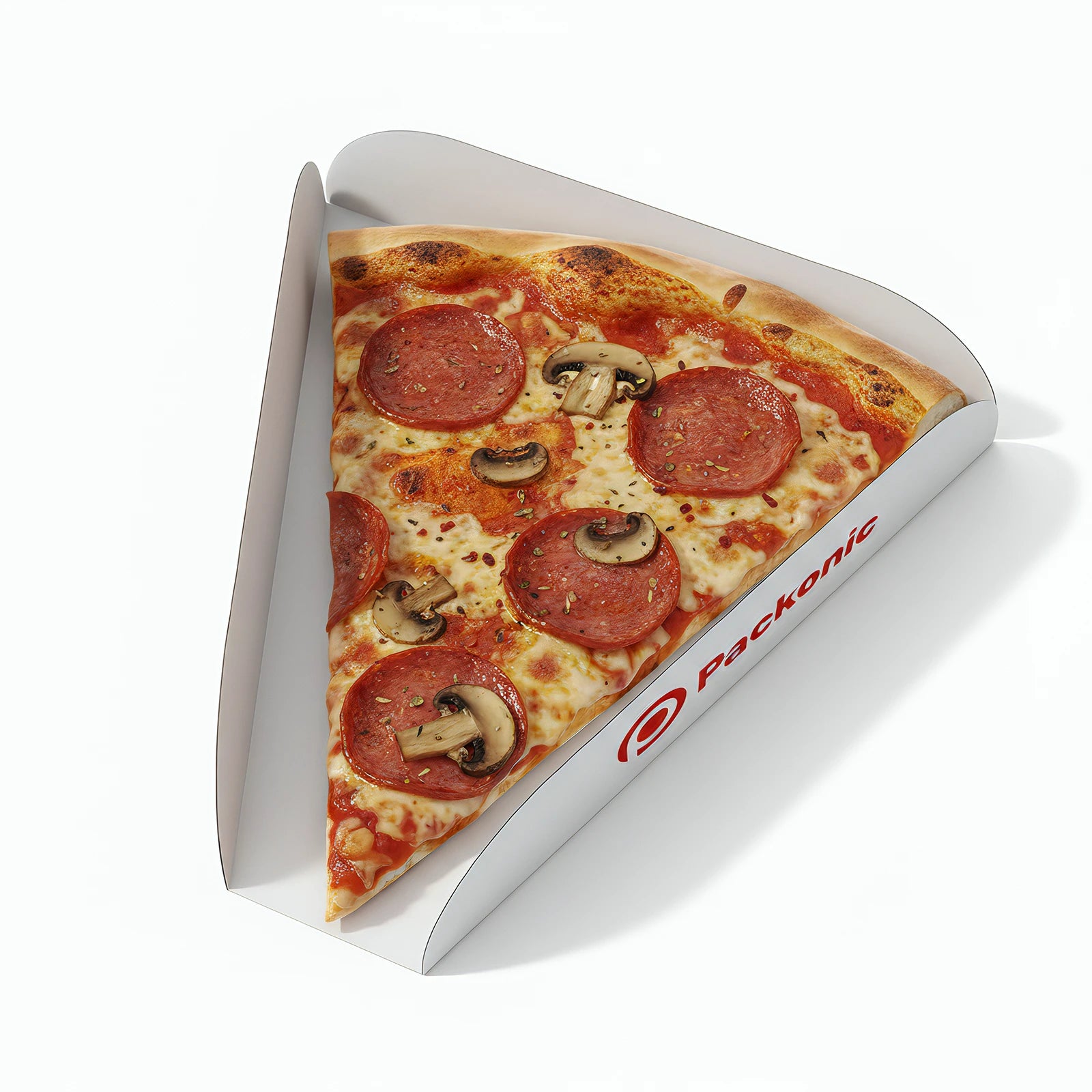
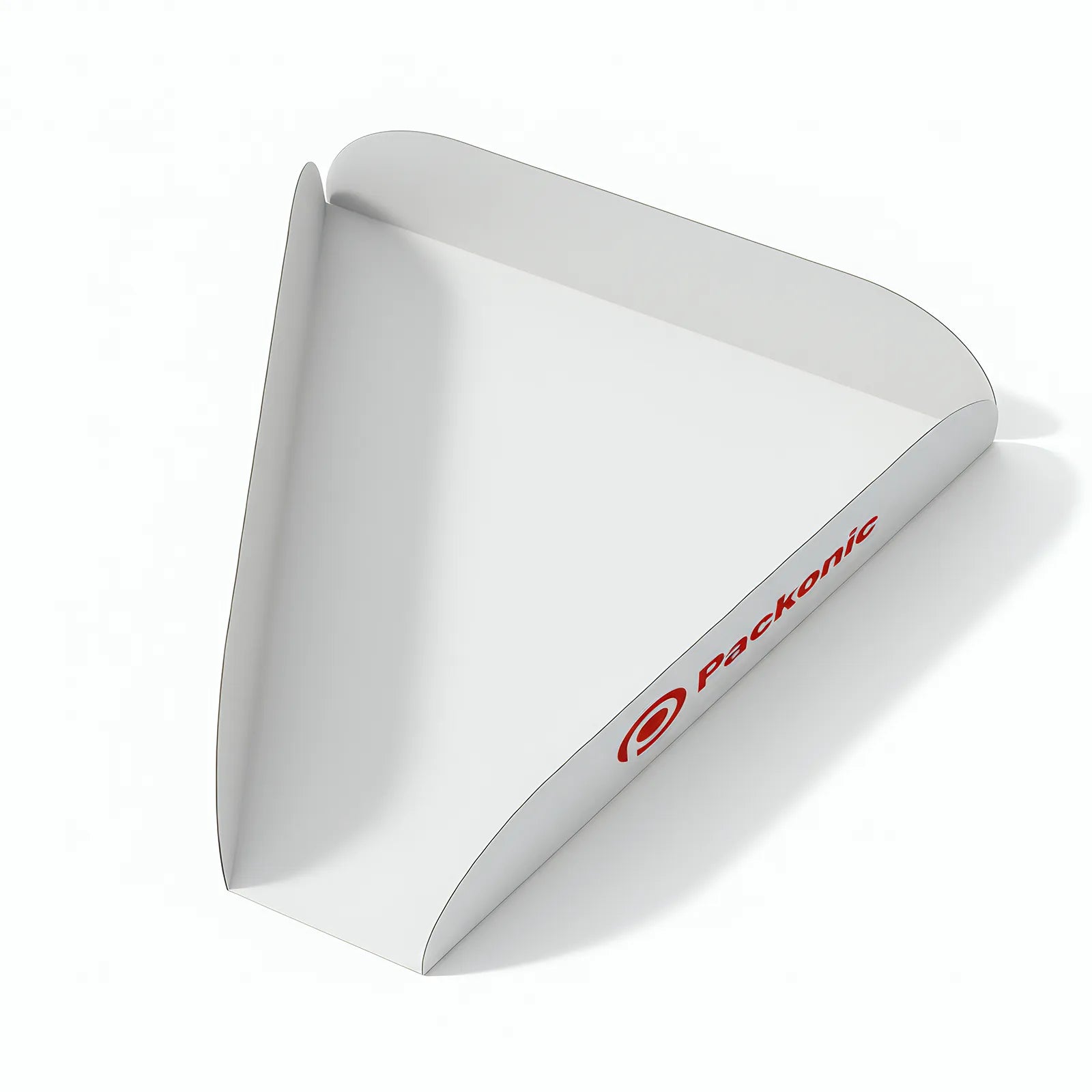
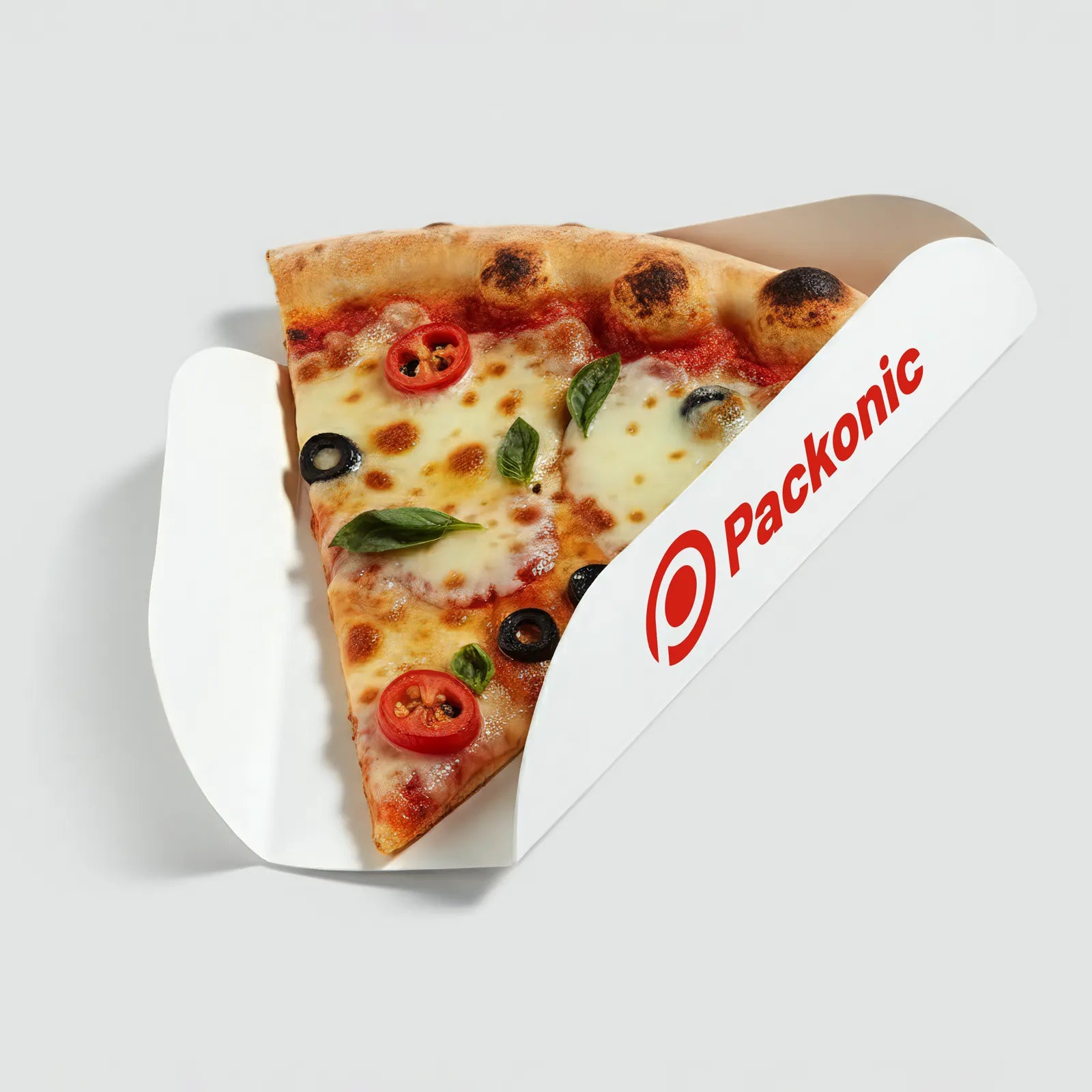
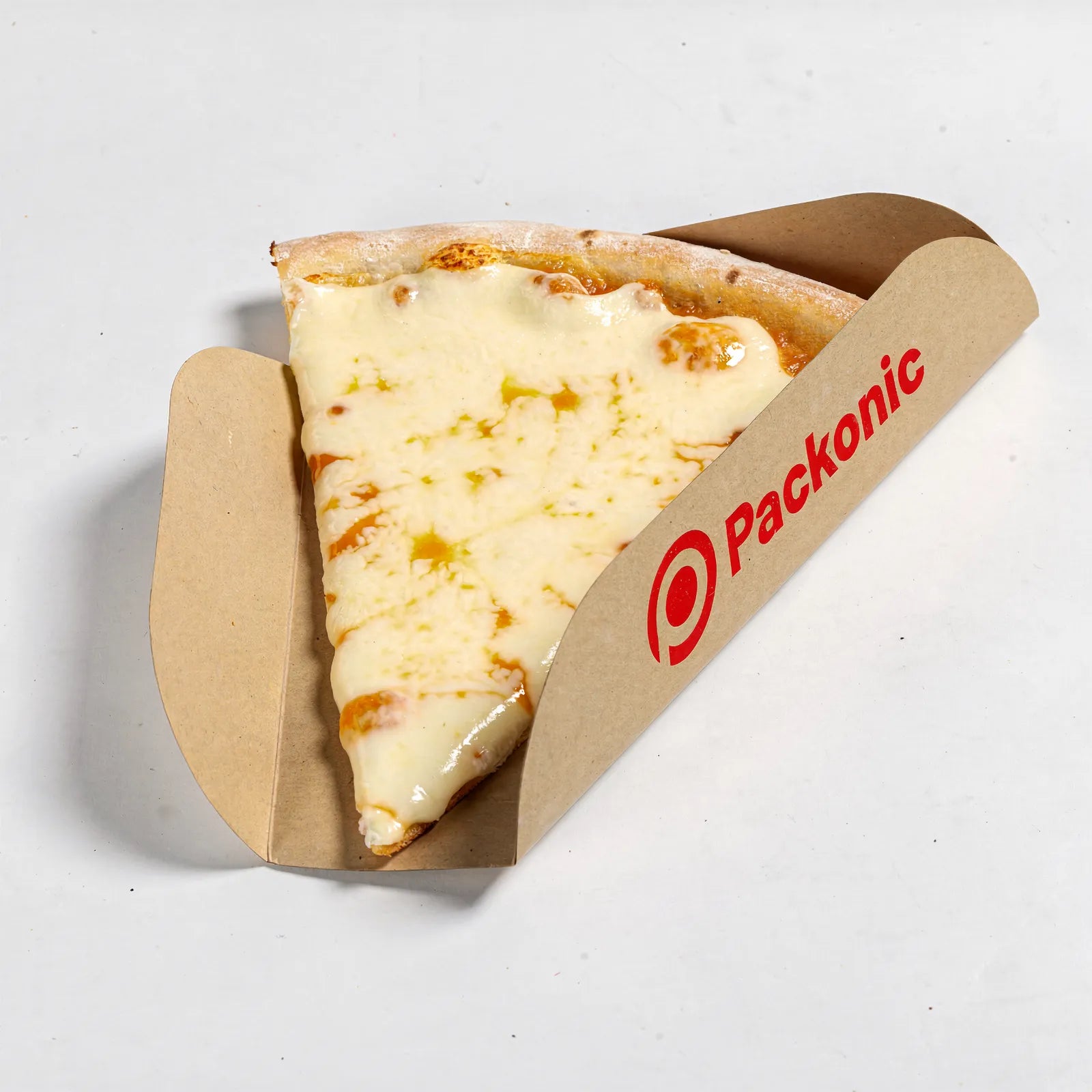
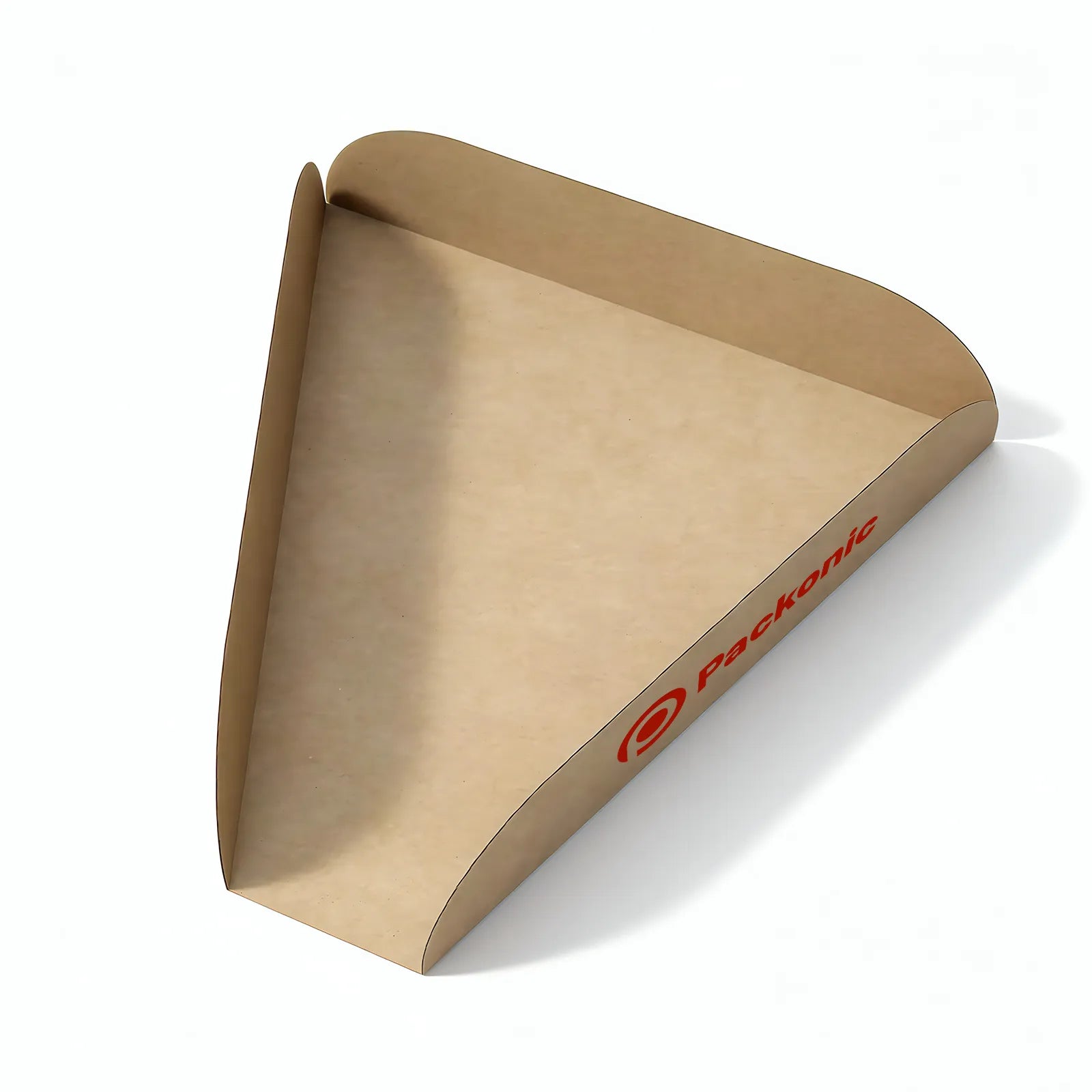
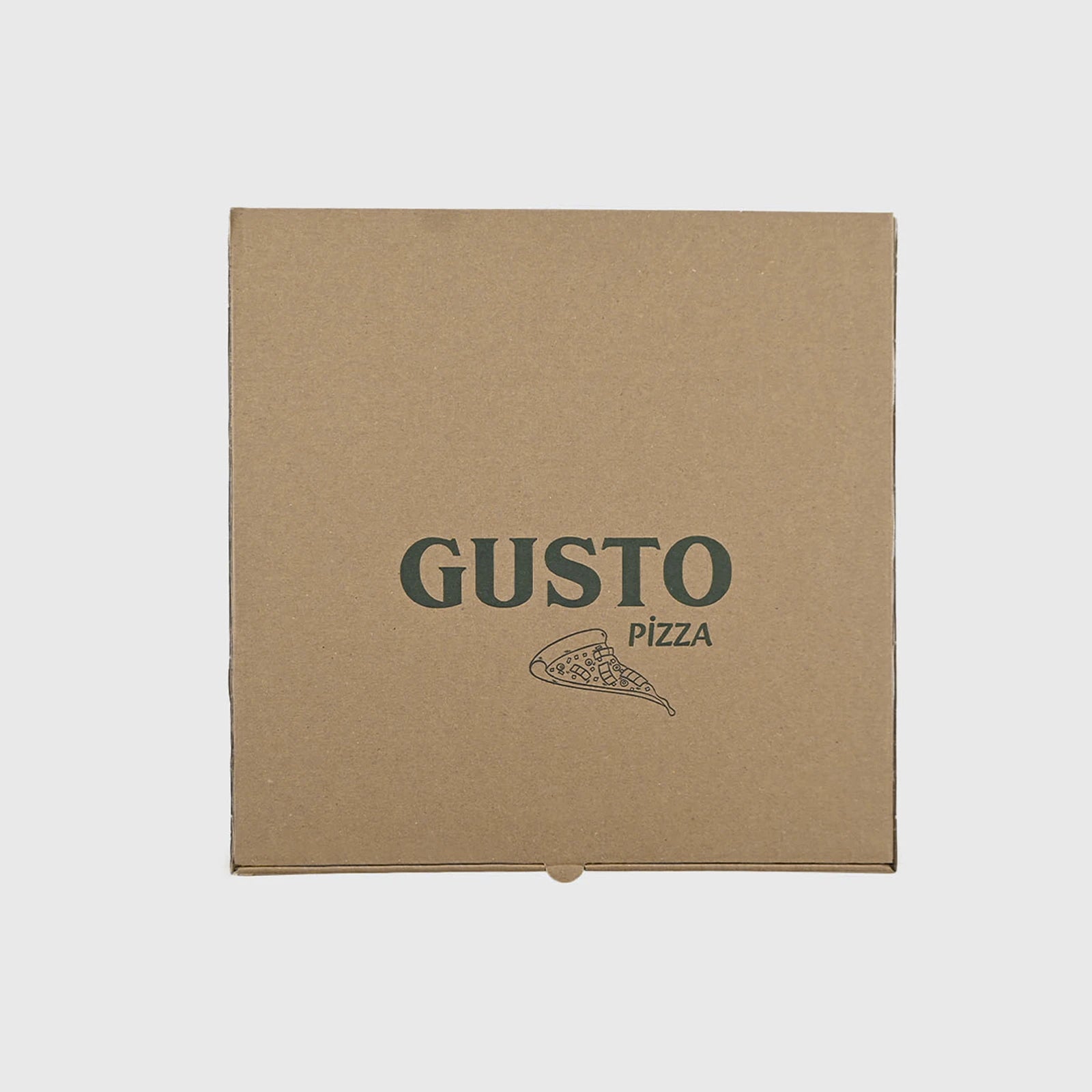
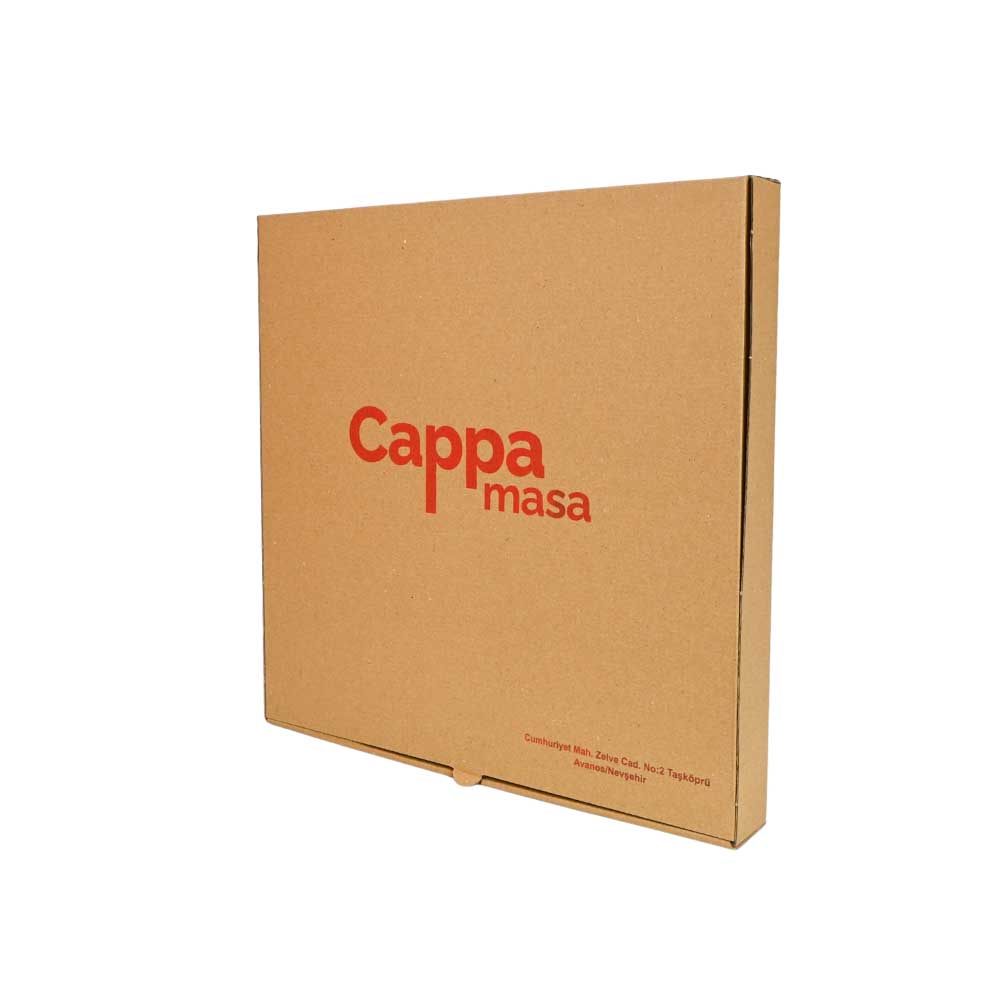
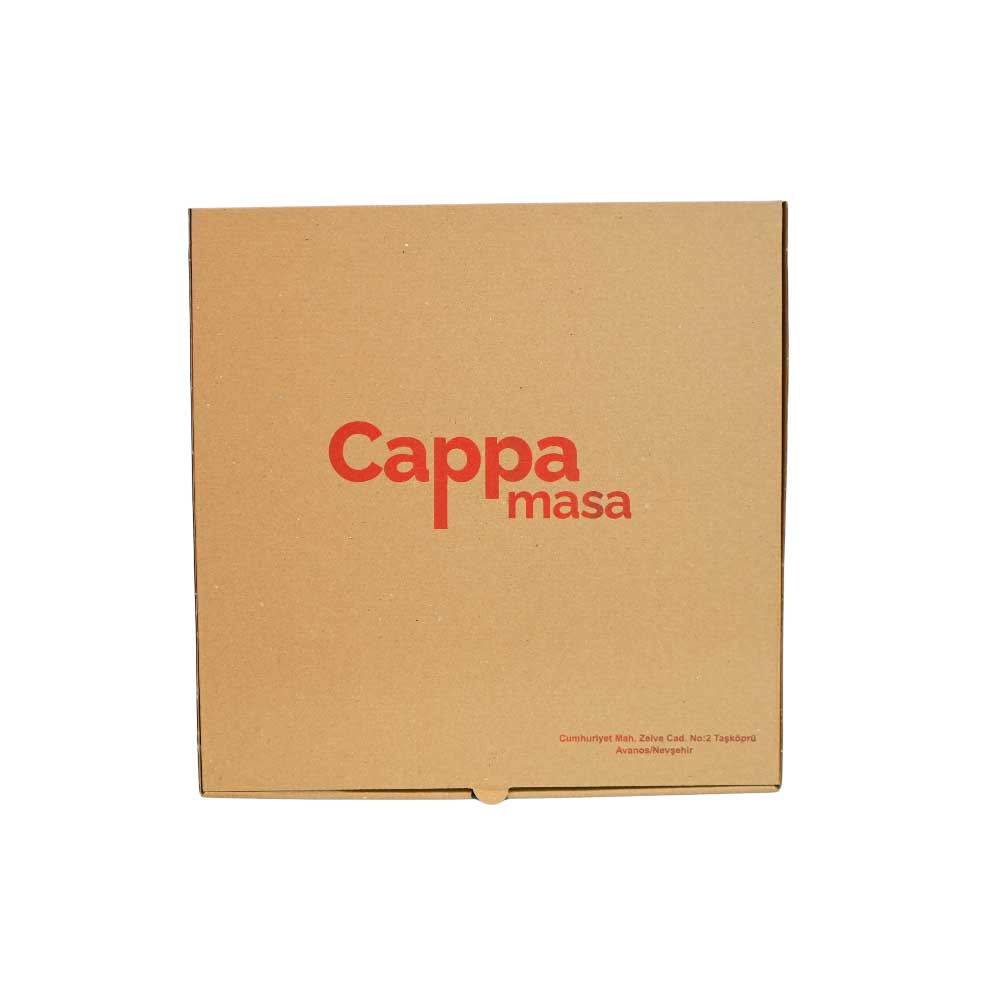
- Pizza boxes and slice packaging
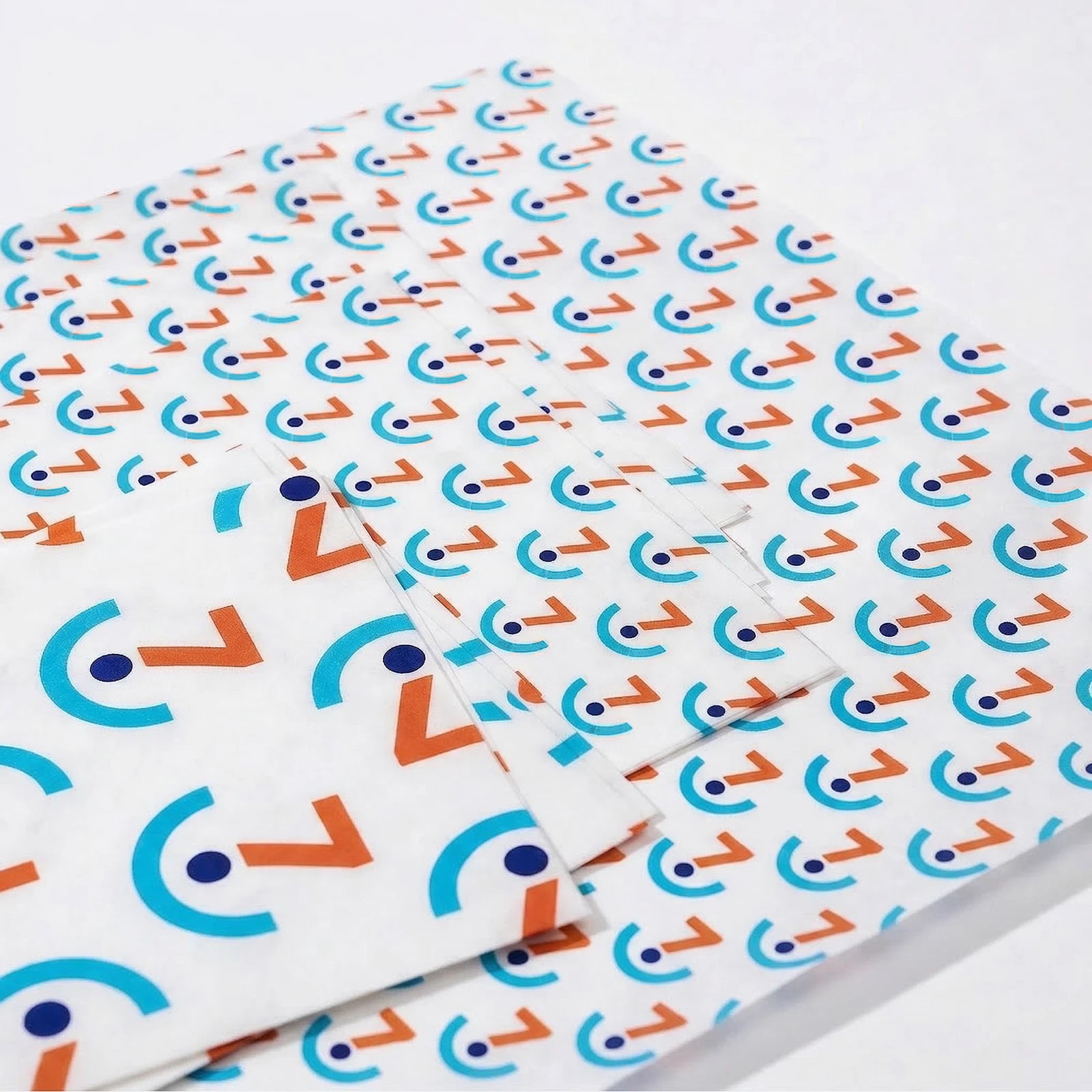
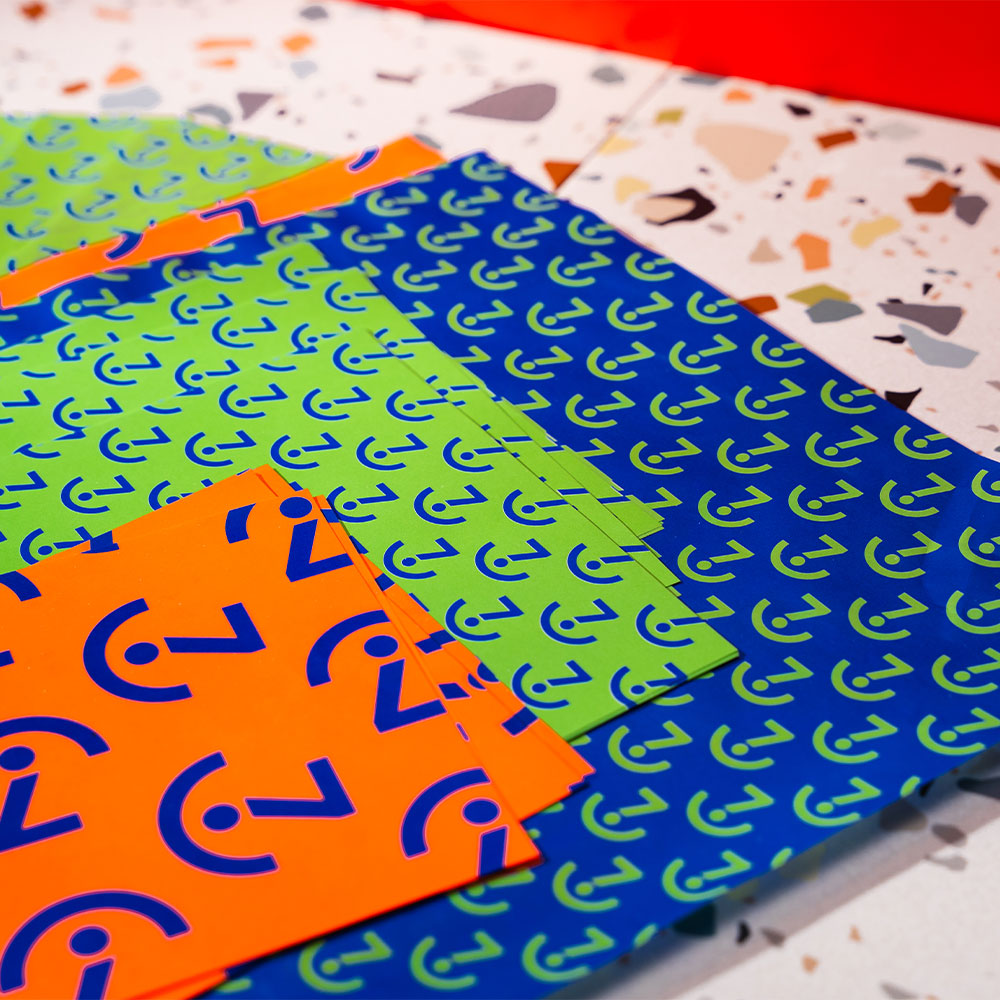
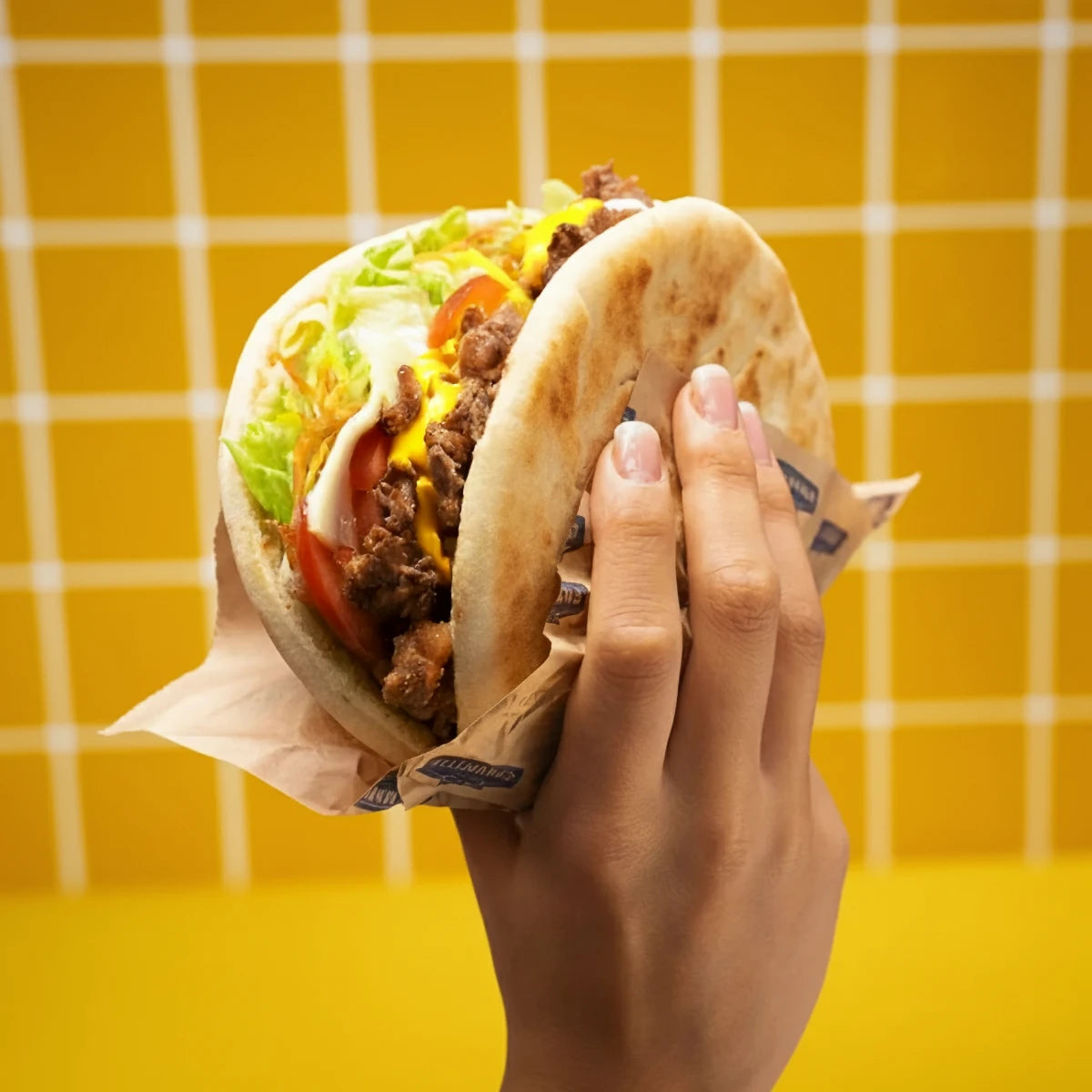
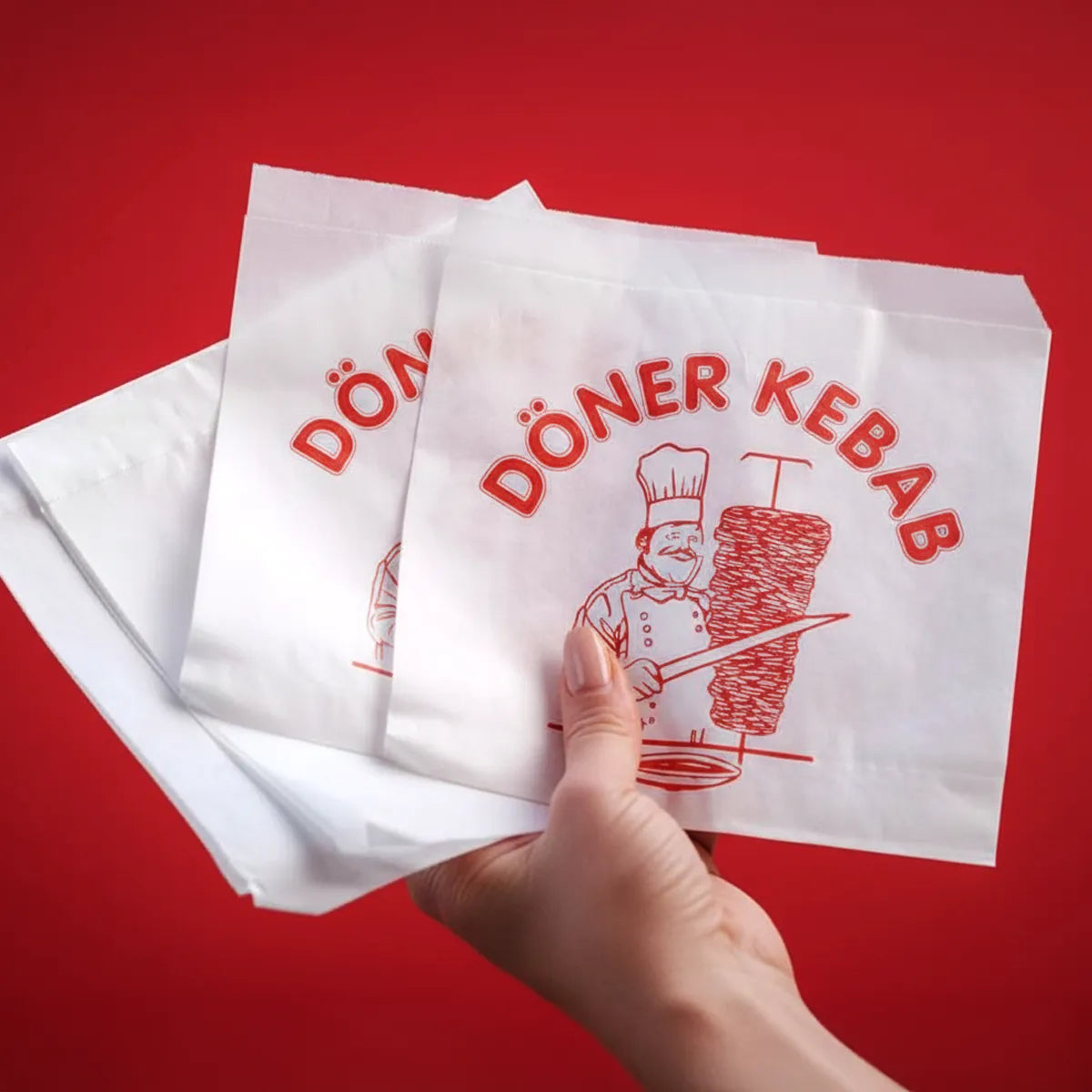
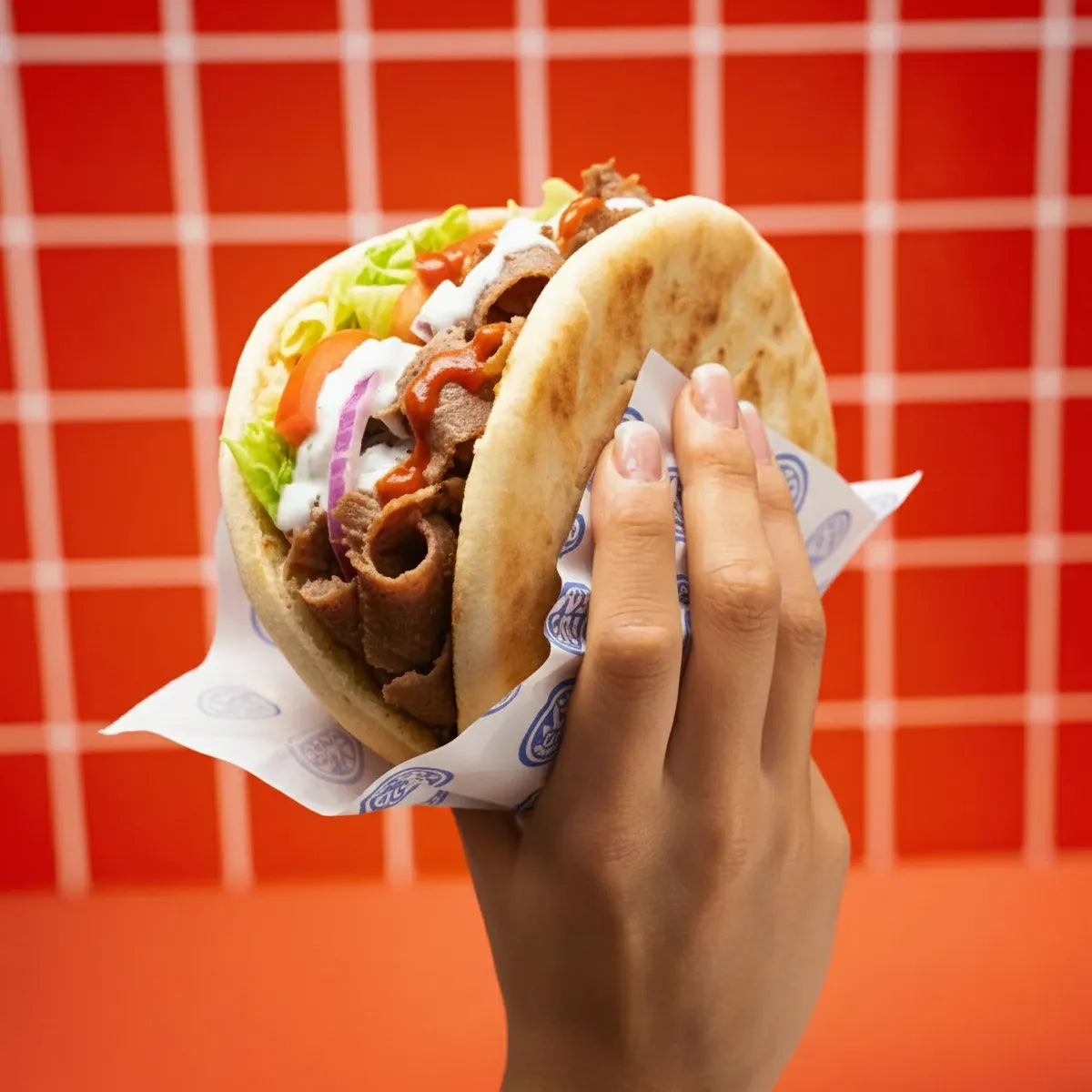
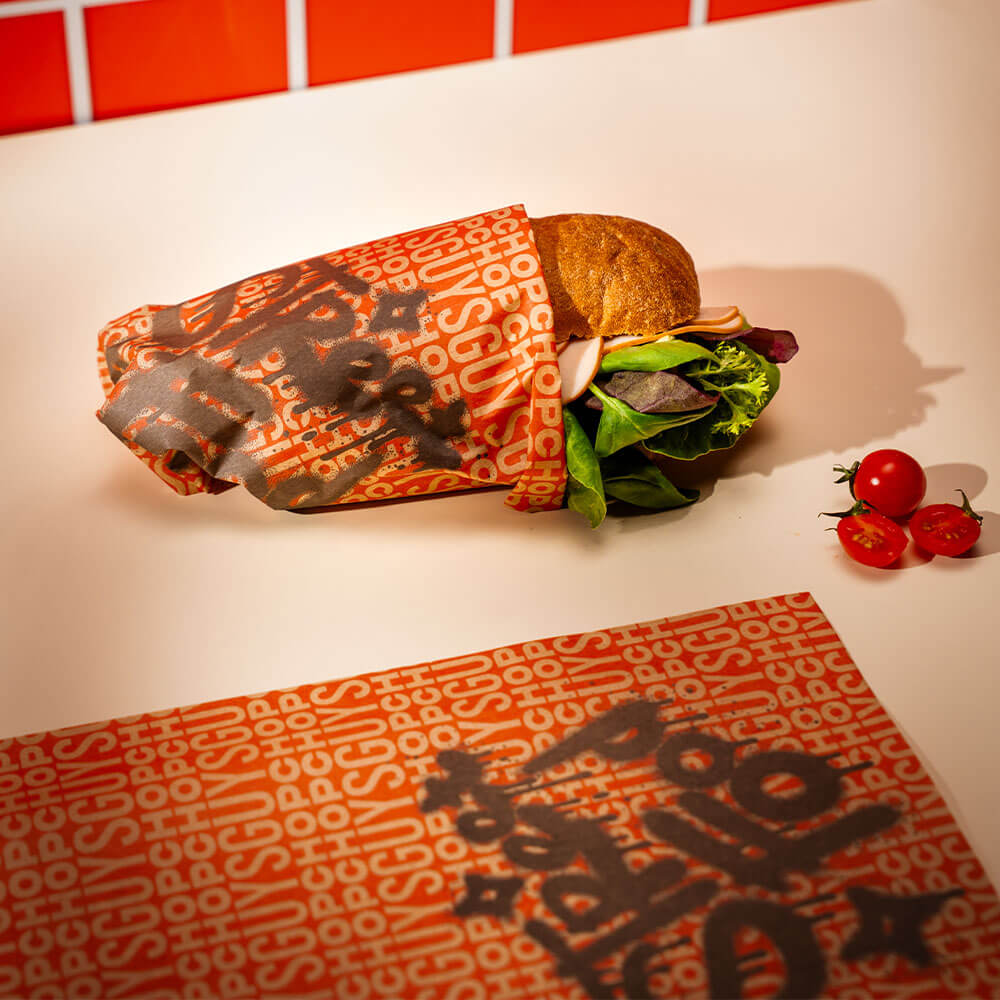
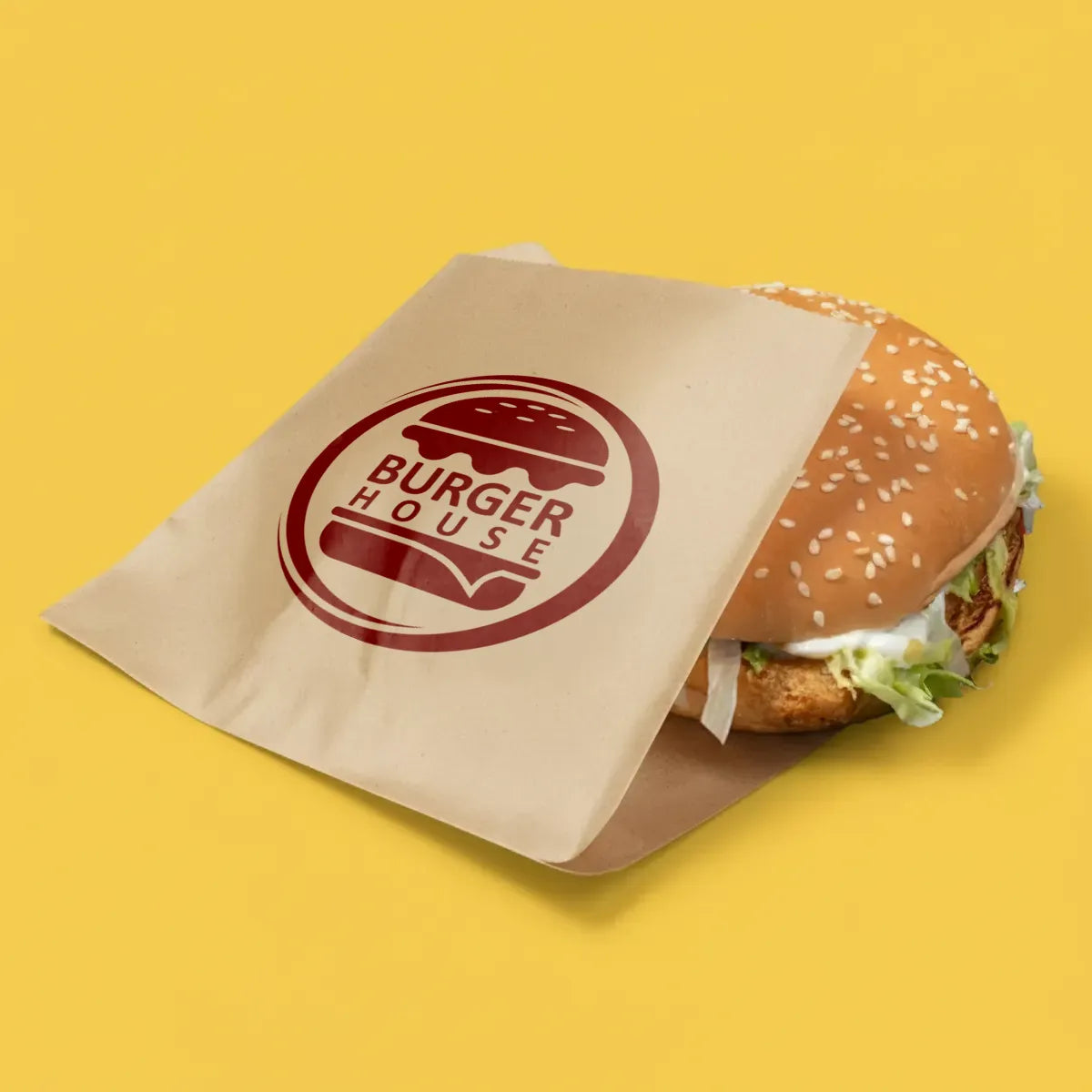
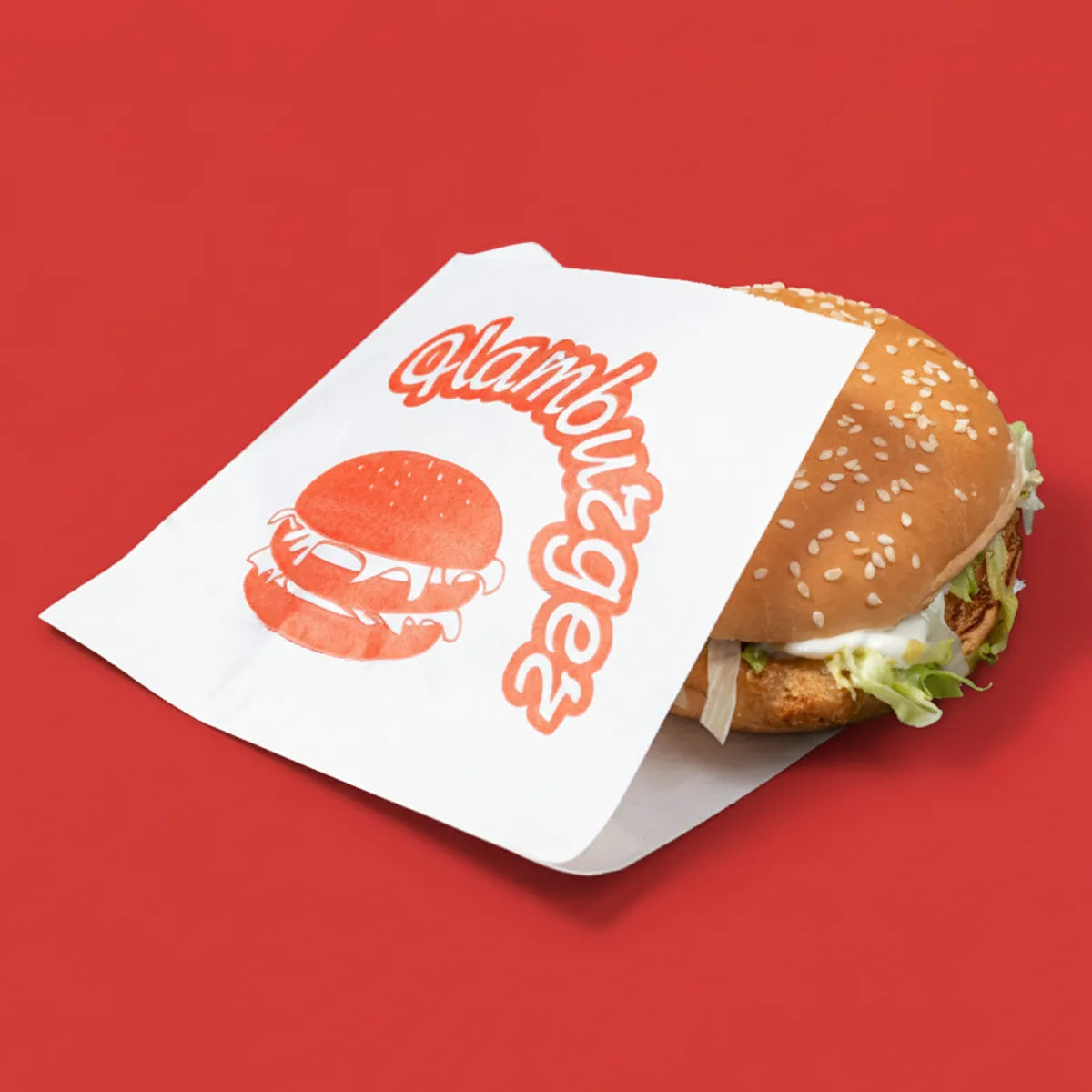
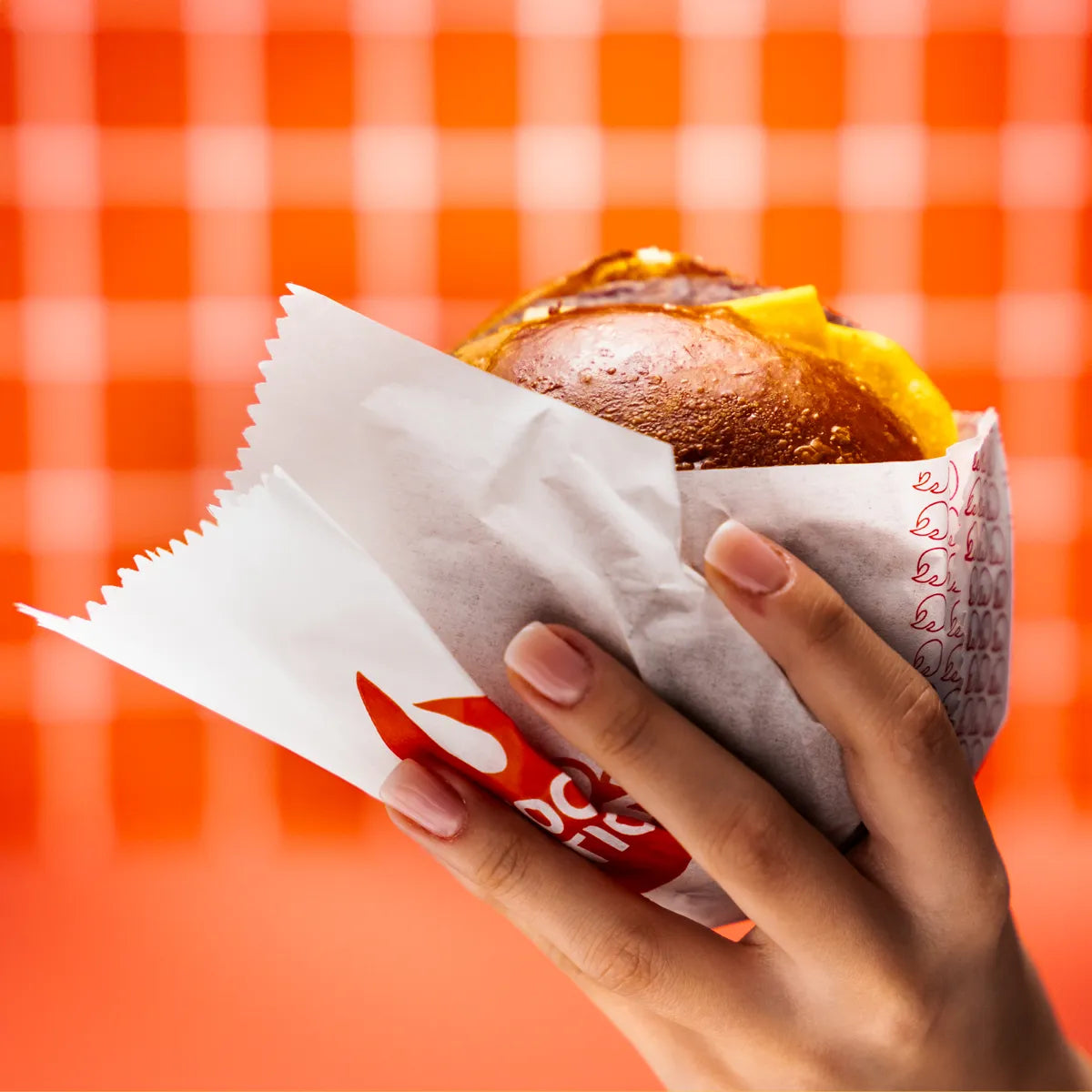
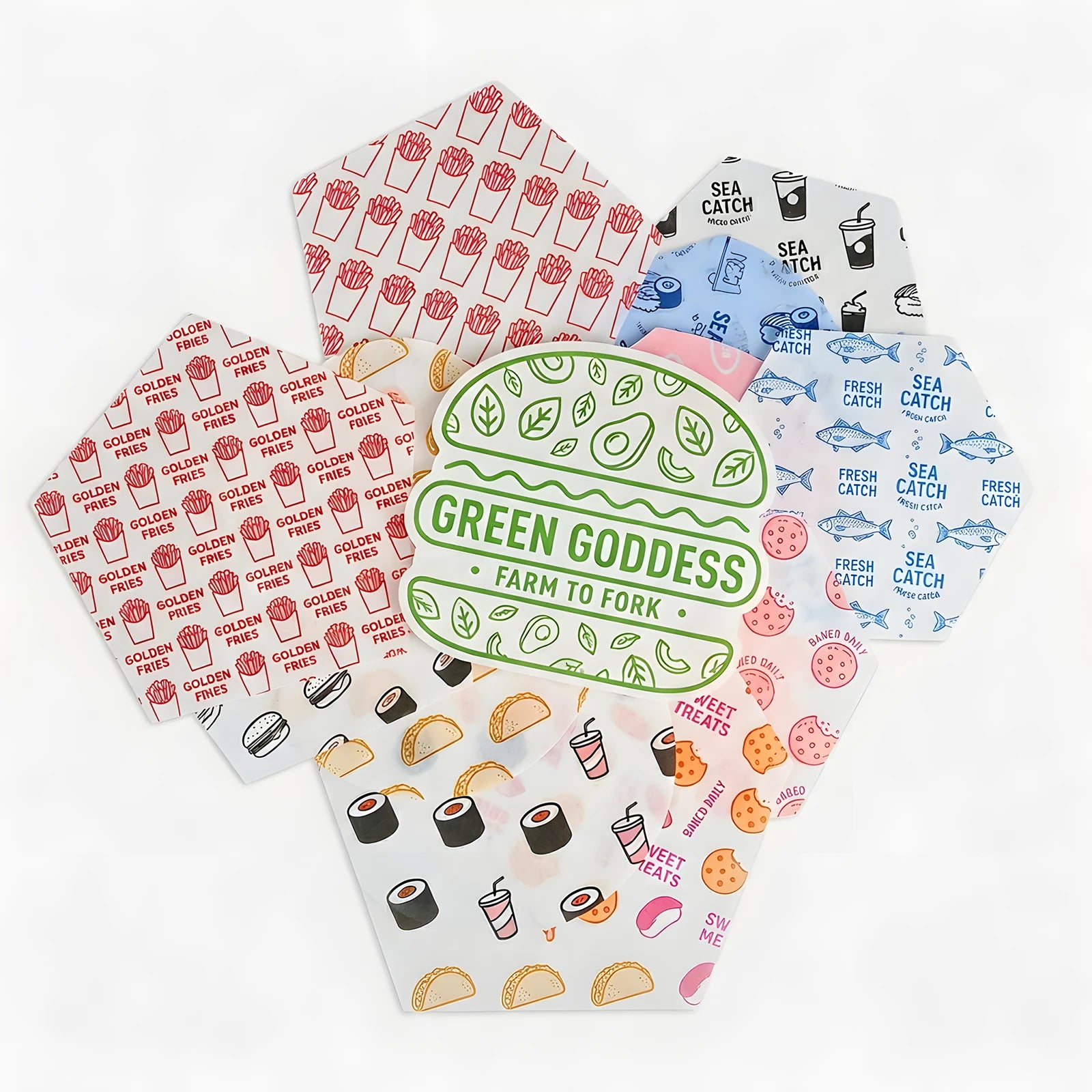
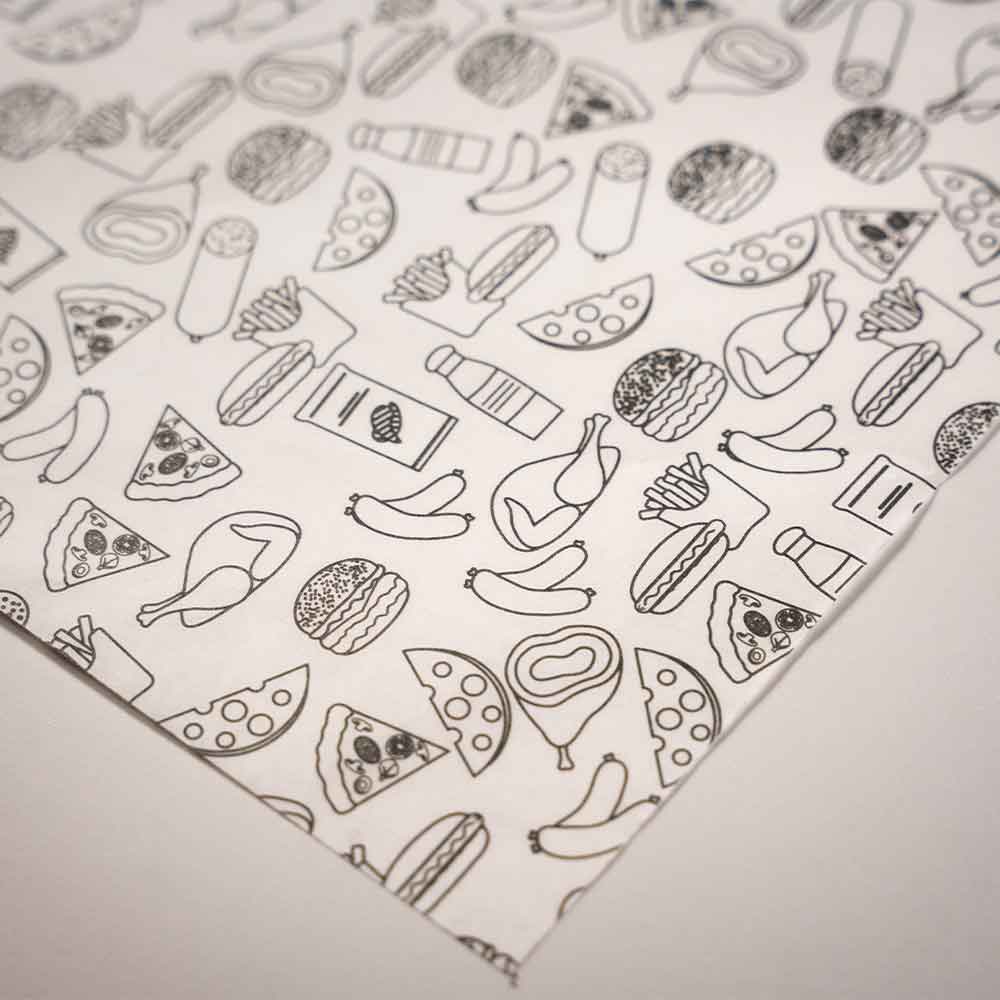
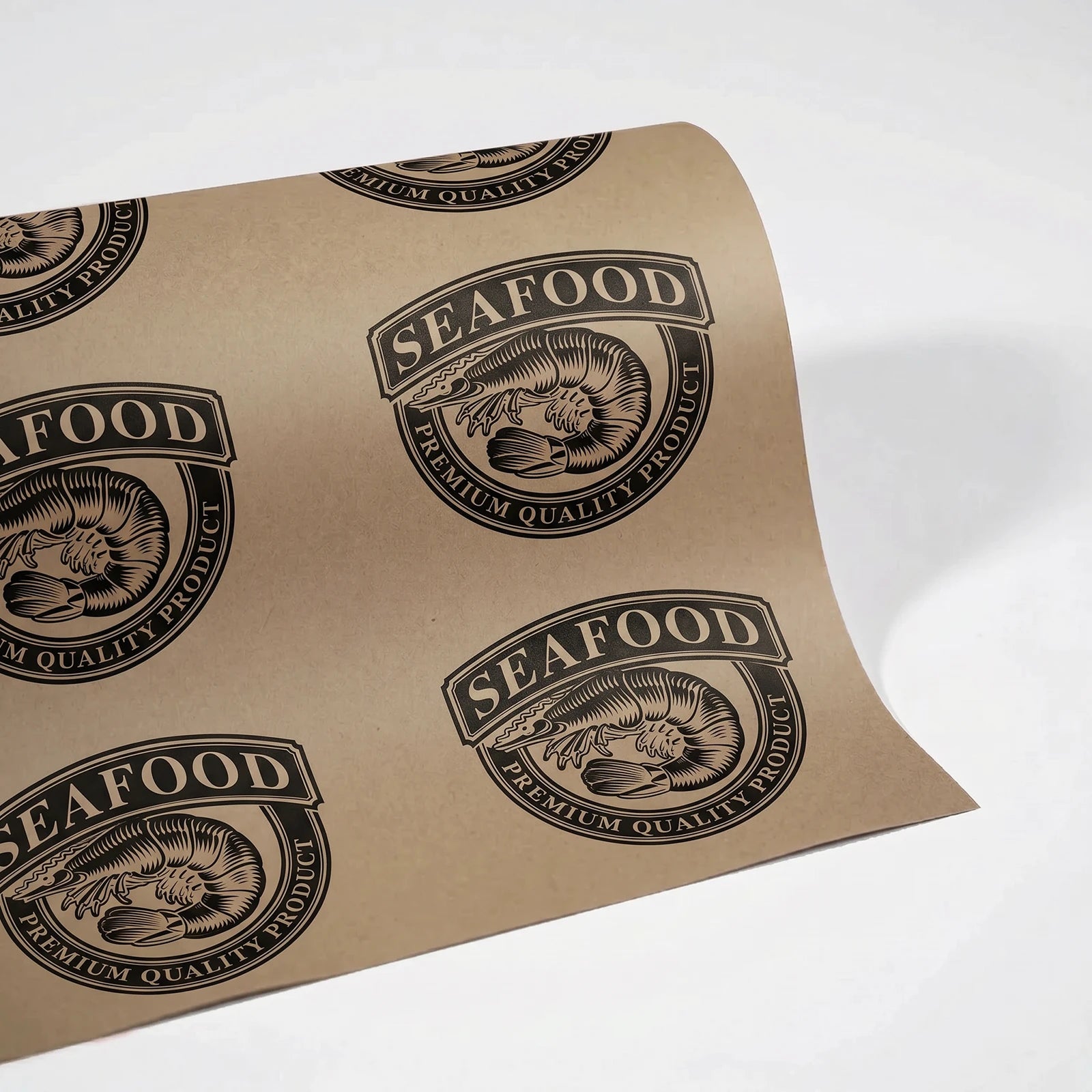
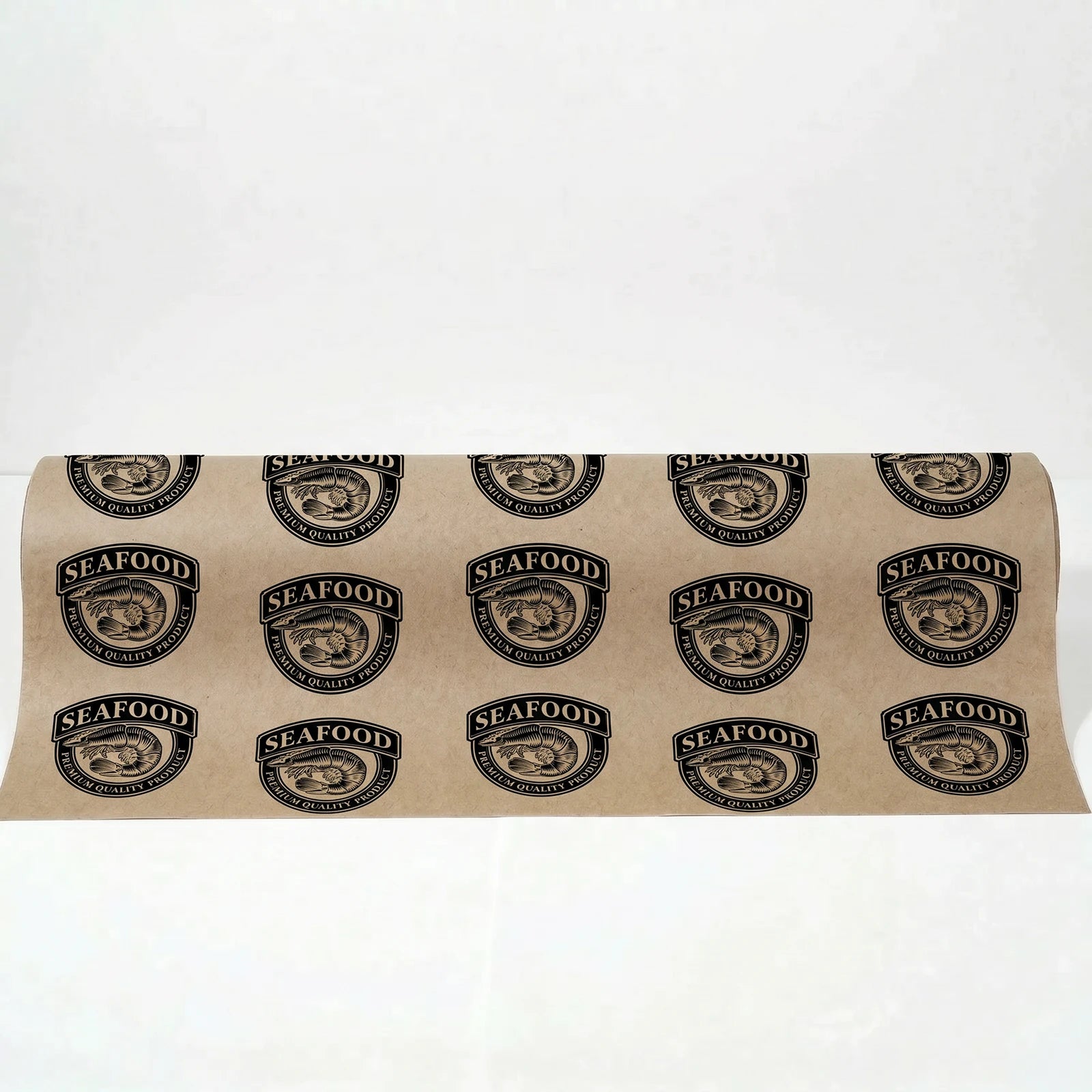
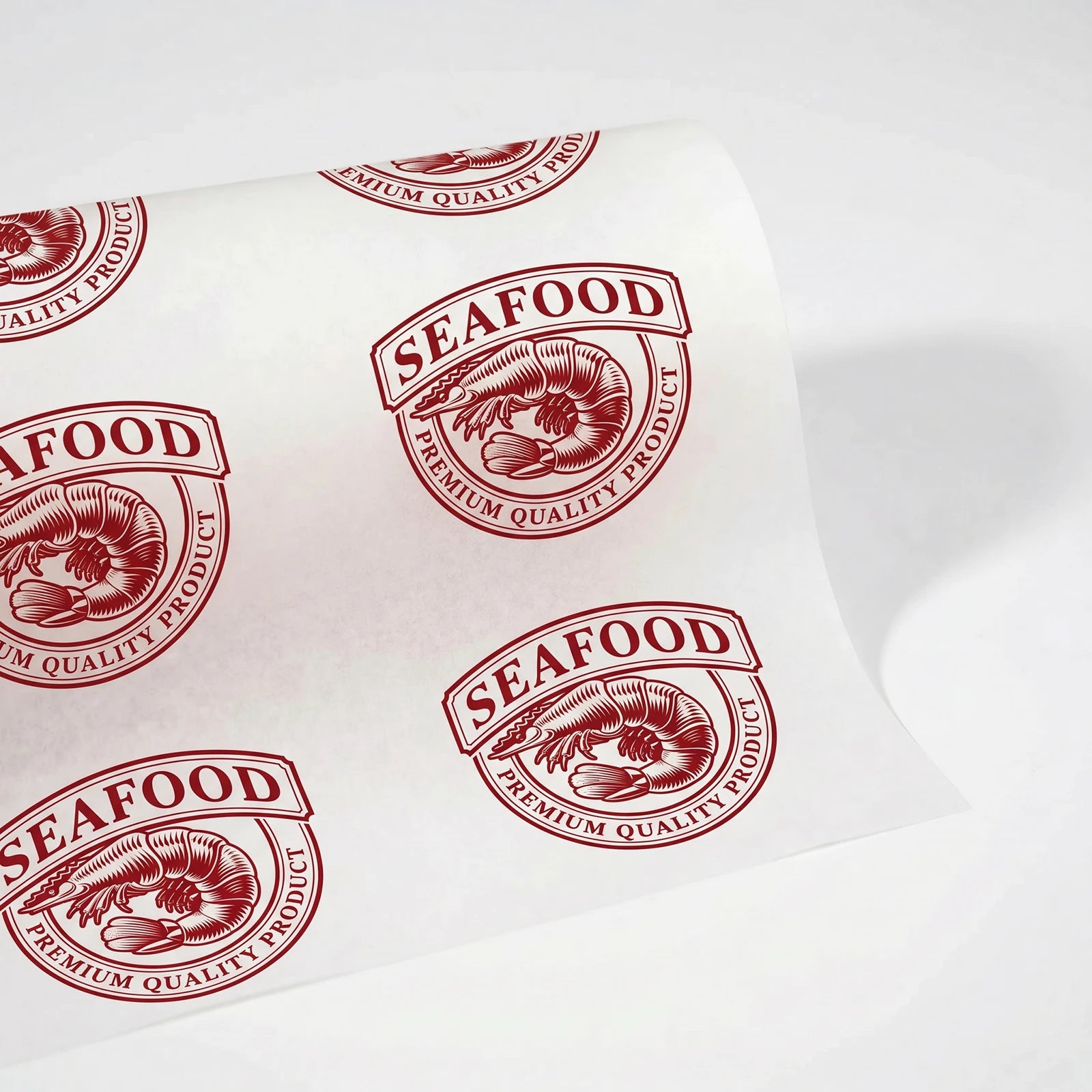
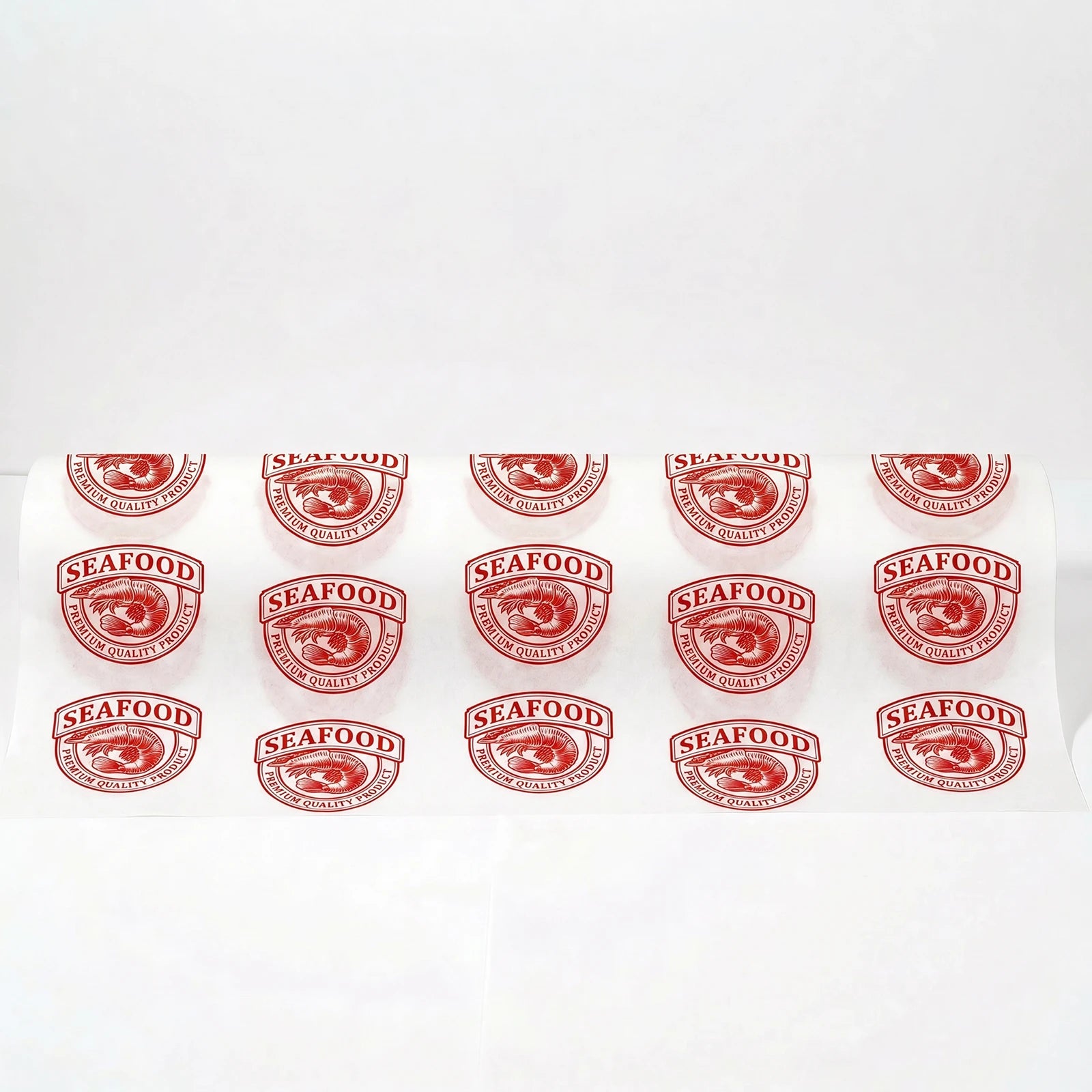
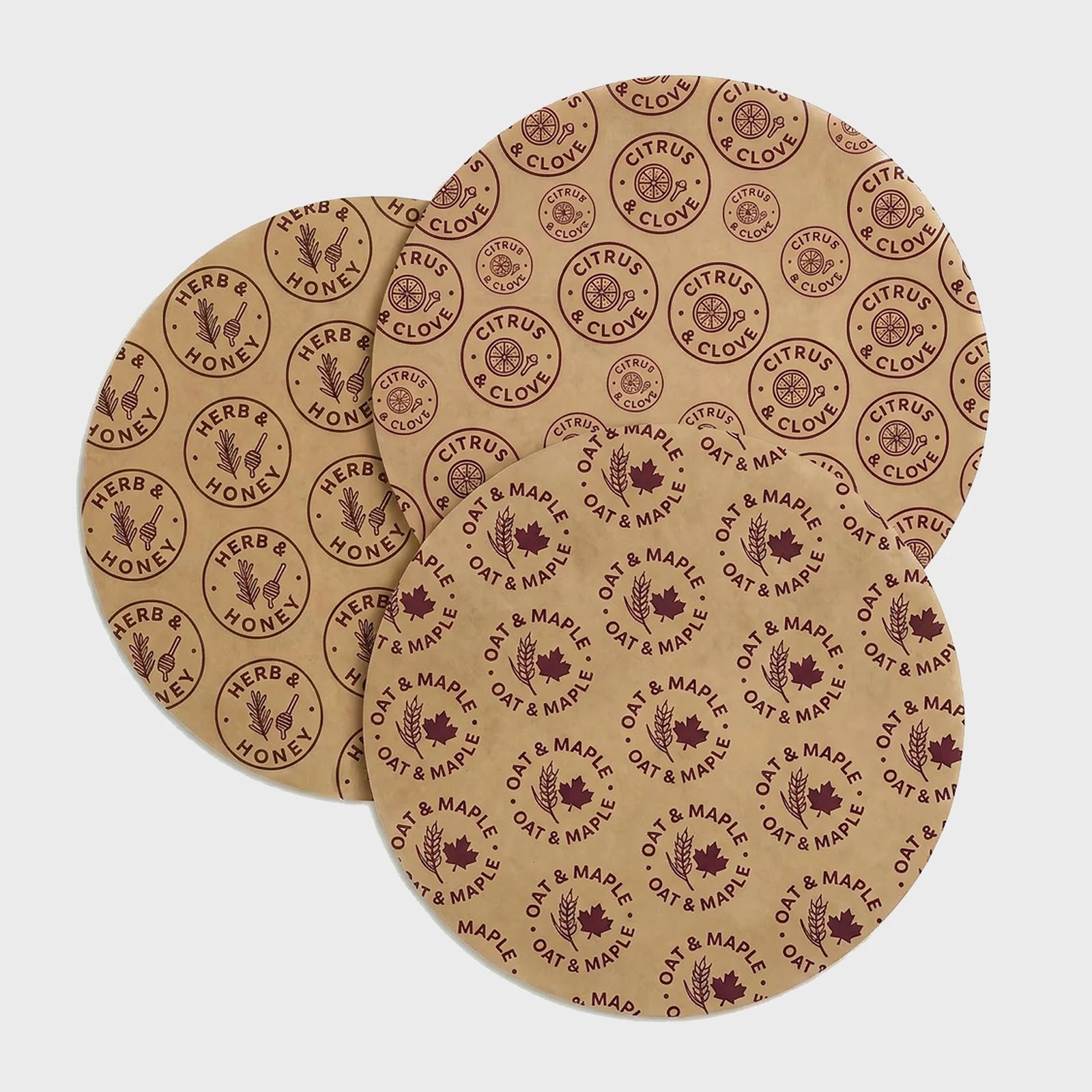
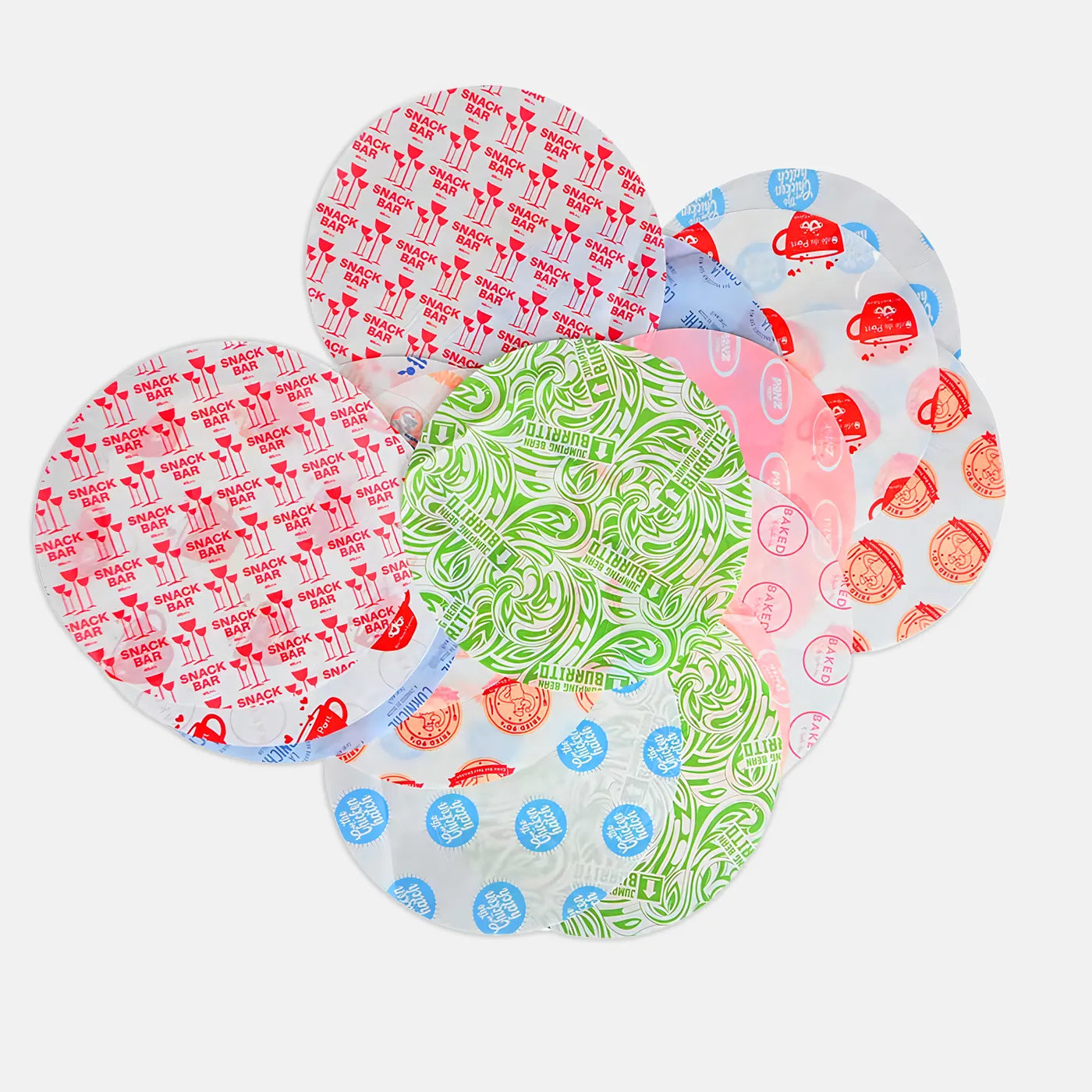
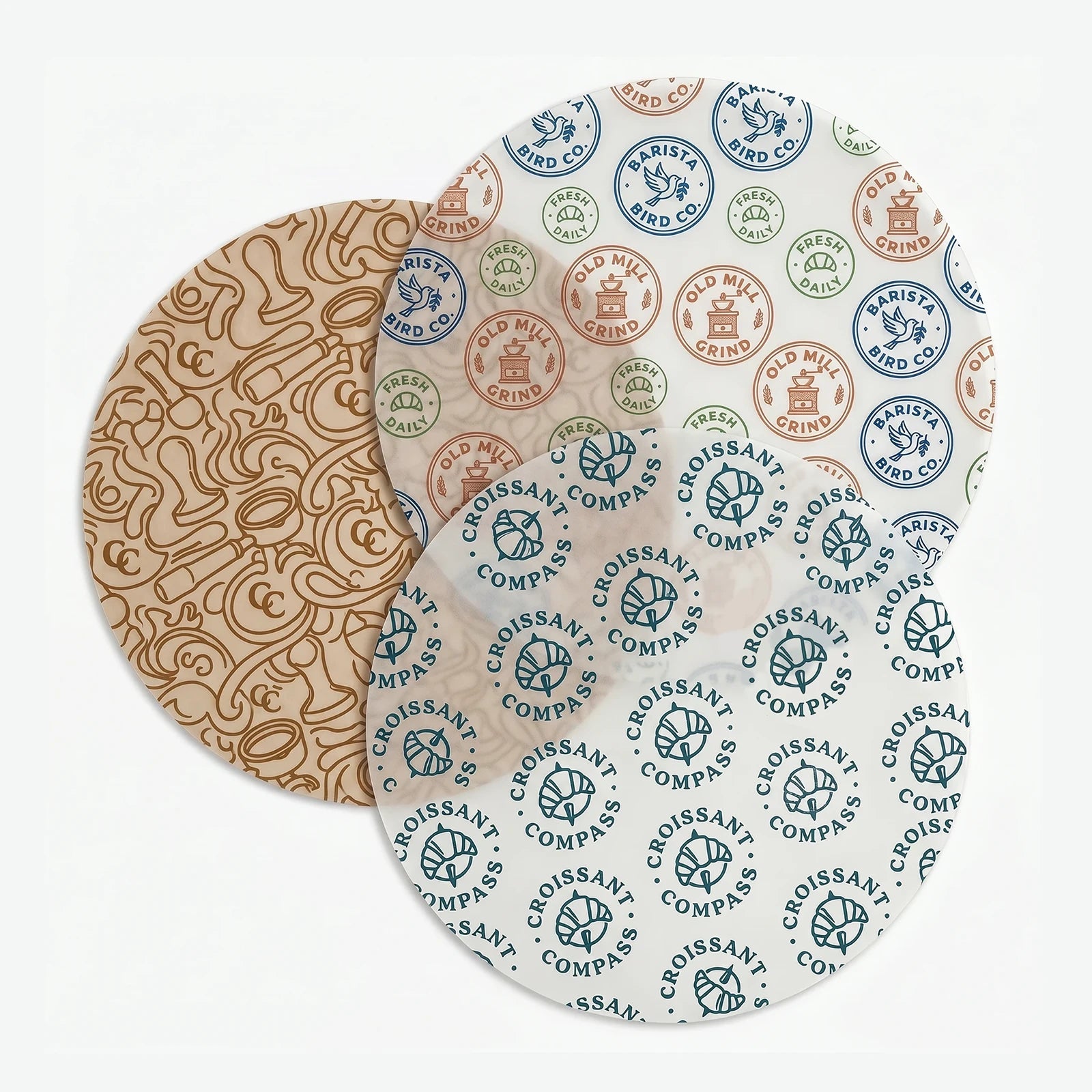
- Greaseproof paper and food wrapping paper
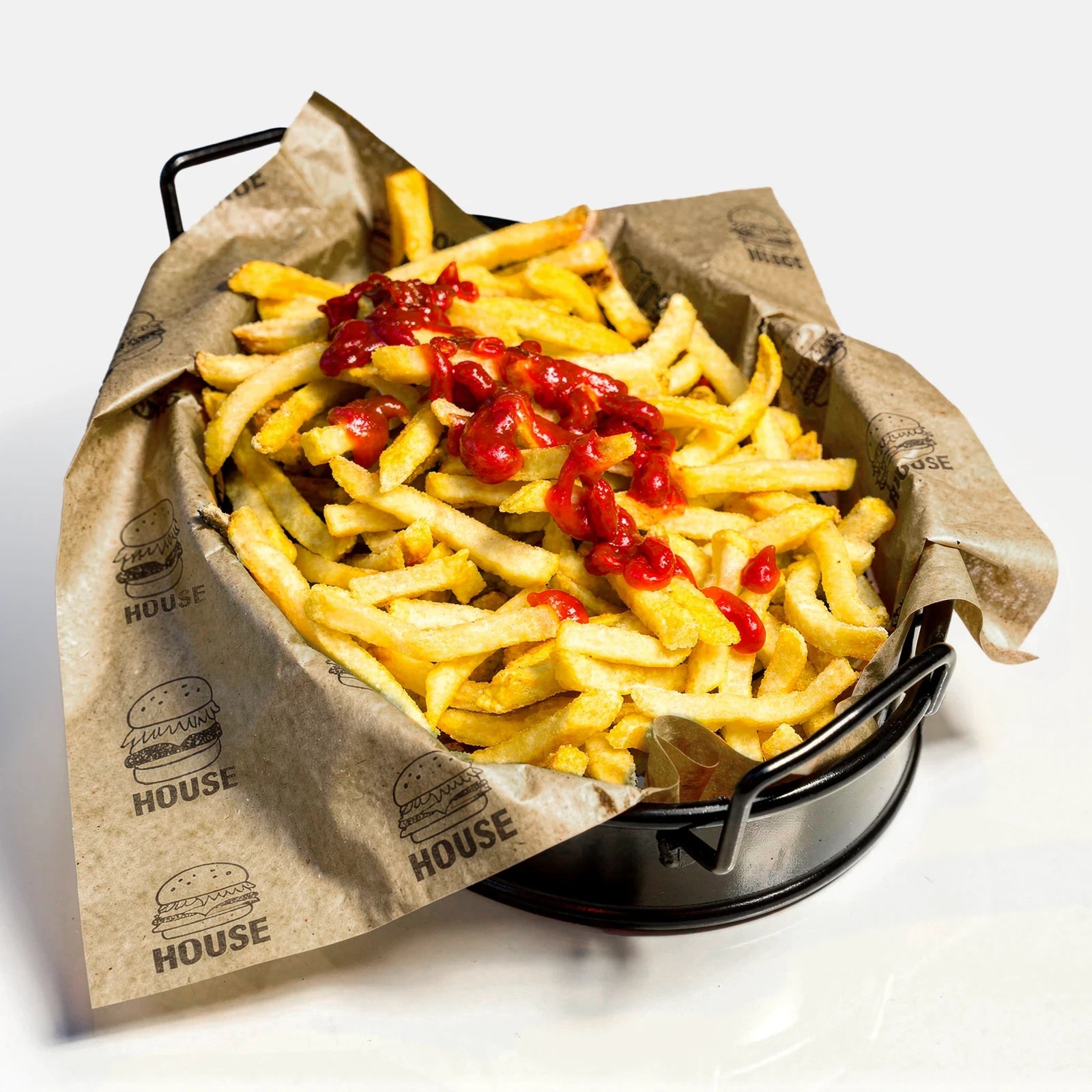
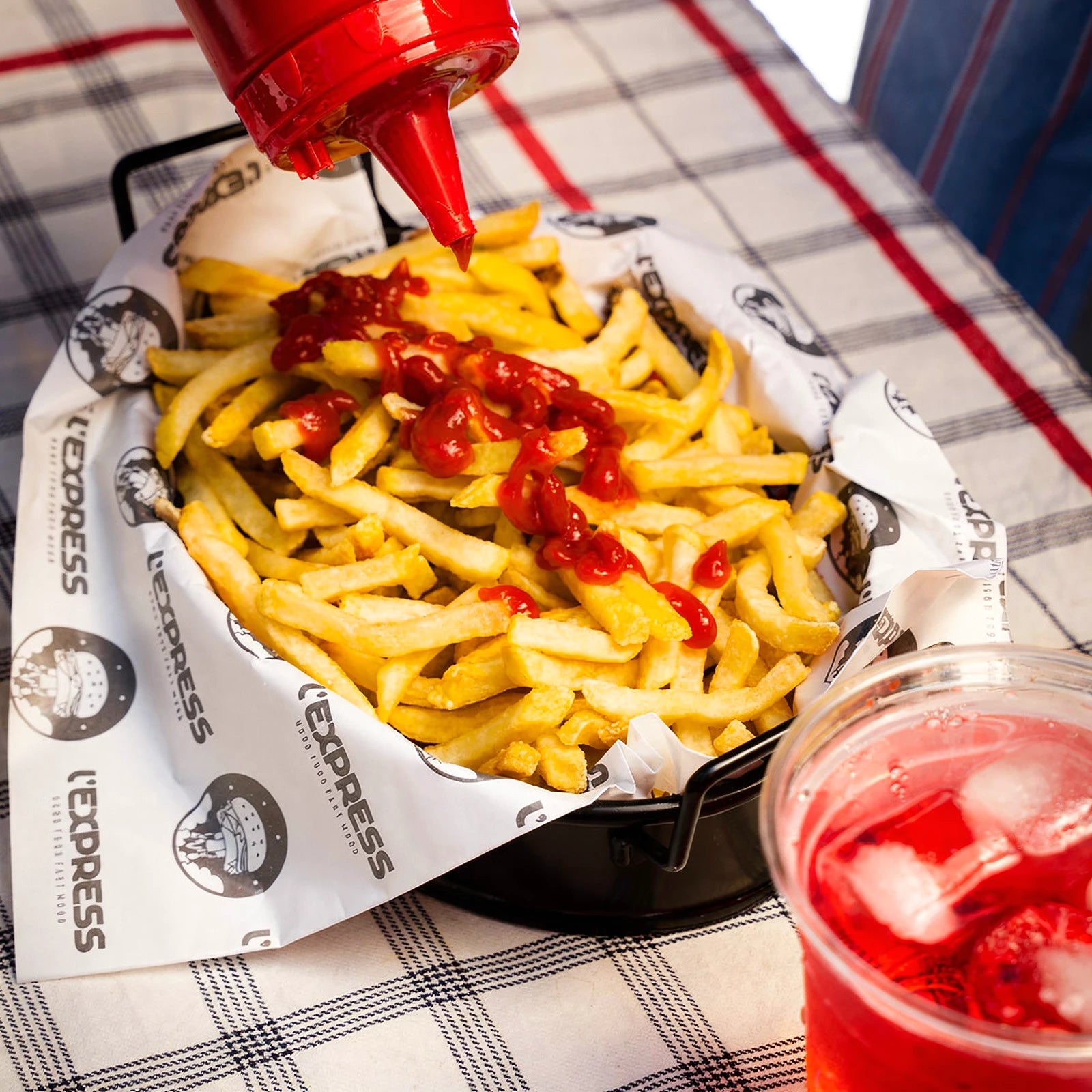
- Food trays and basket liners
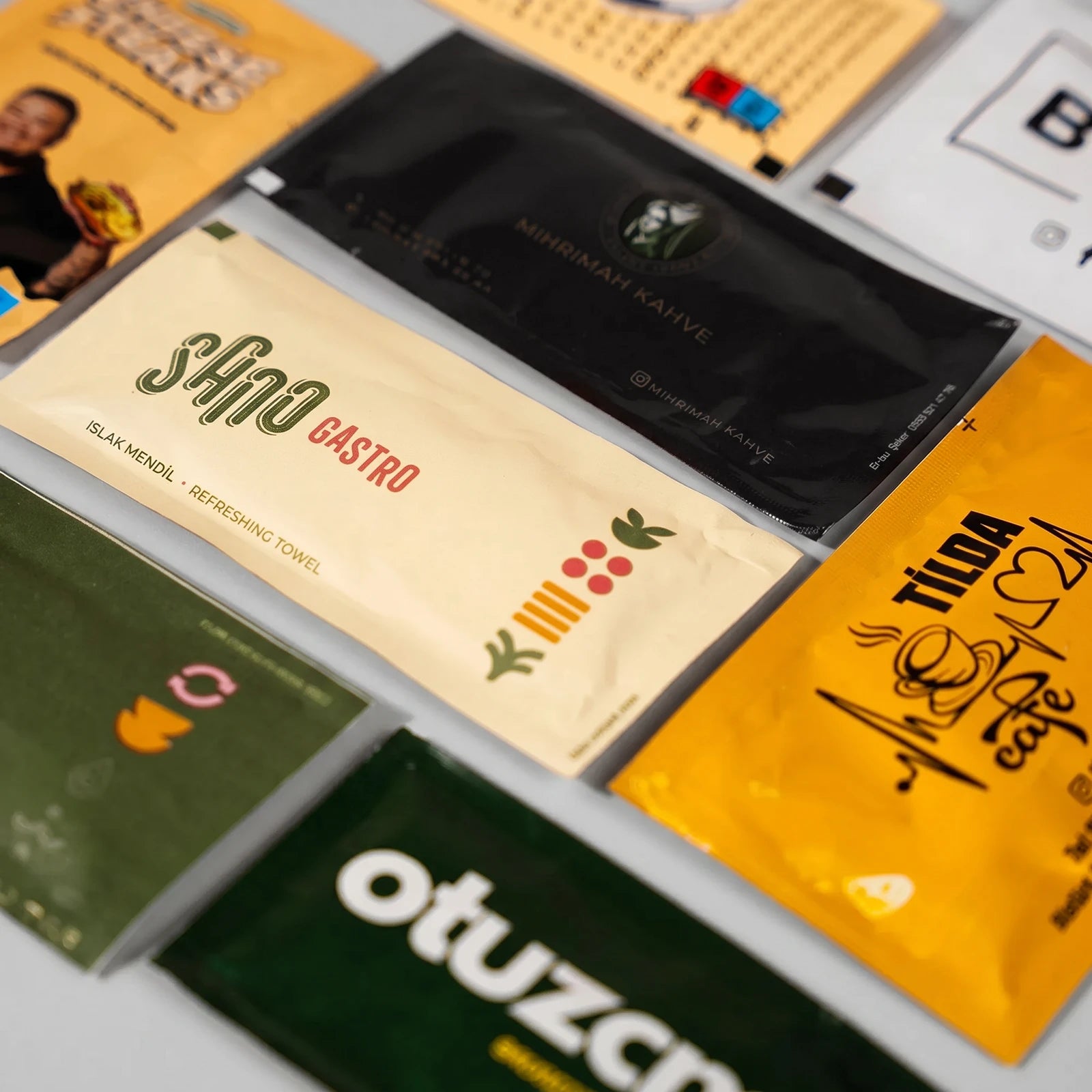
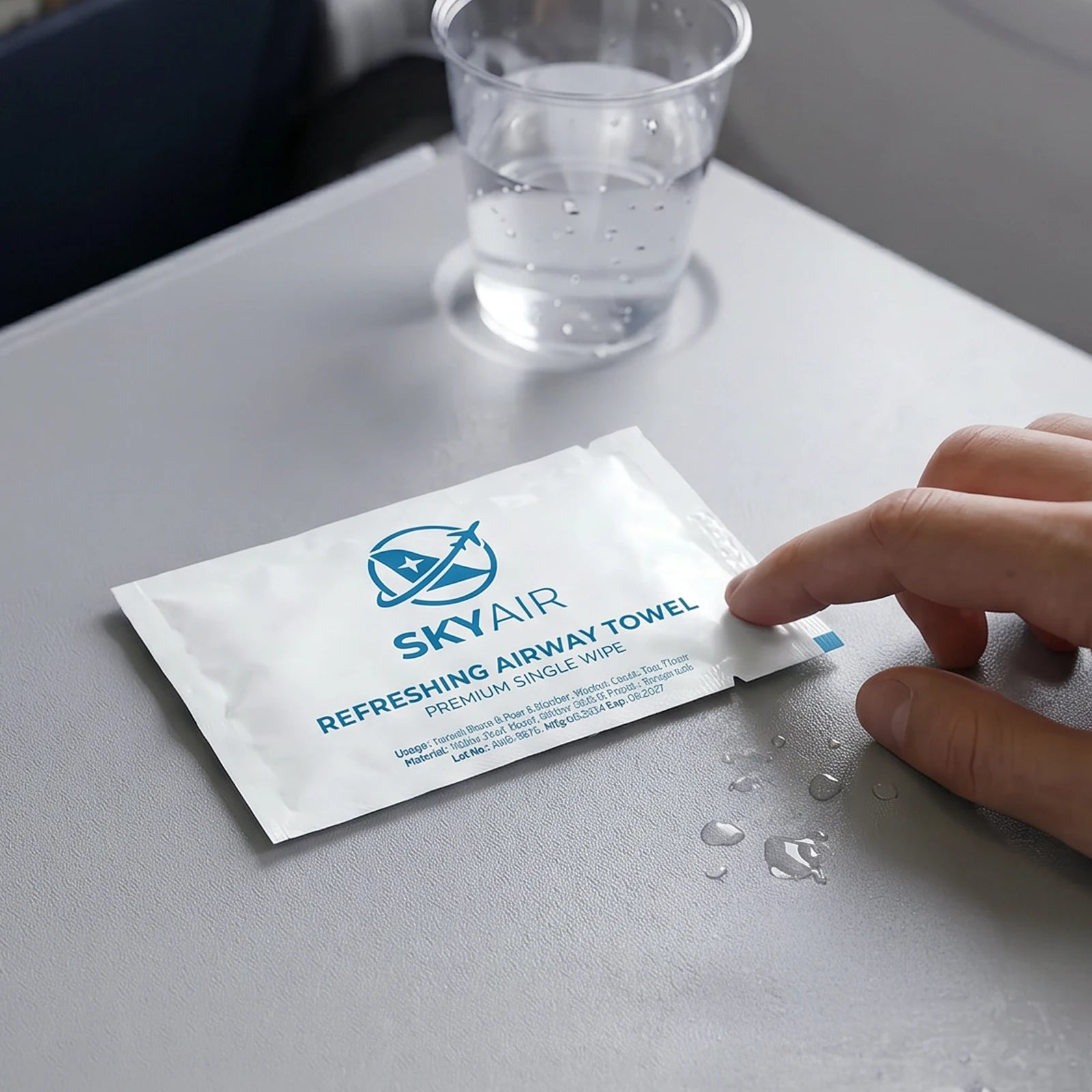
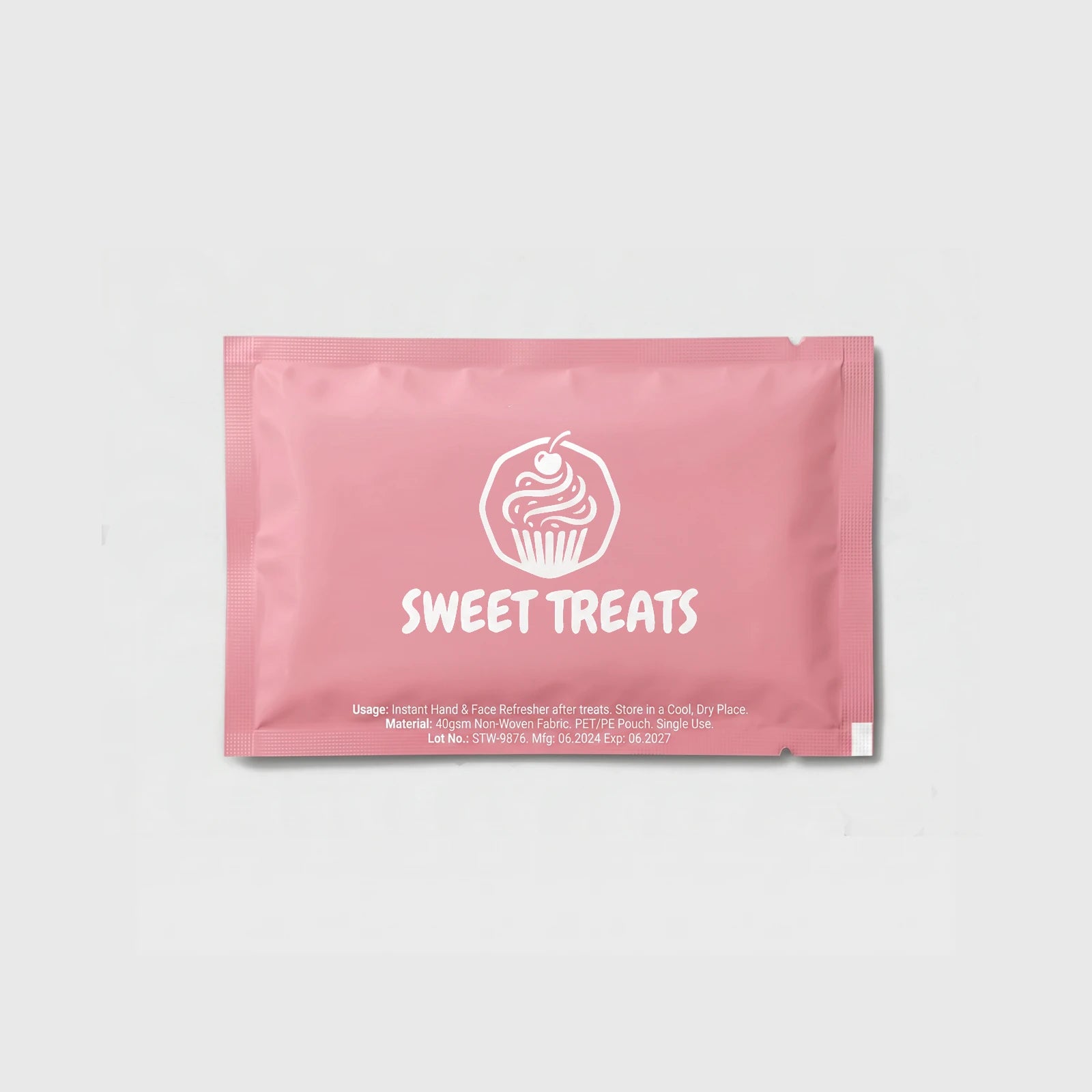
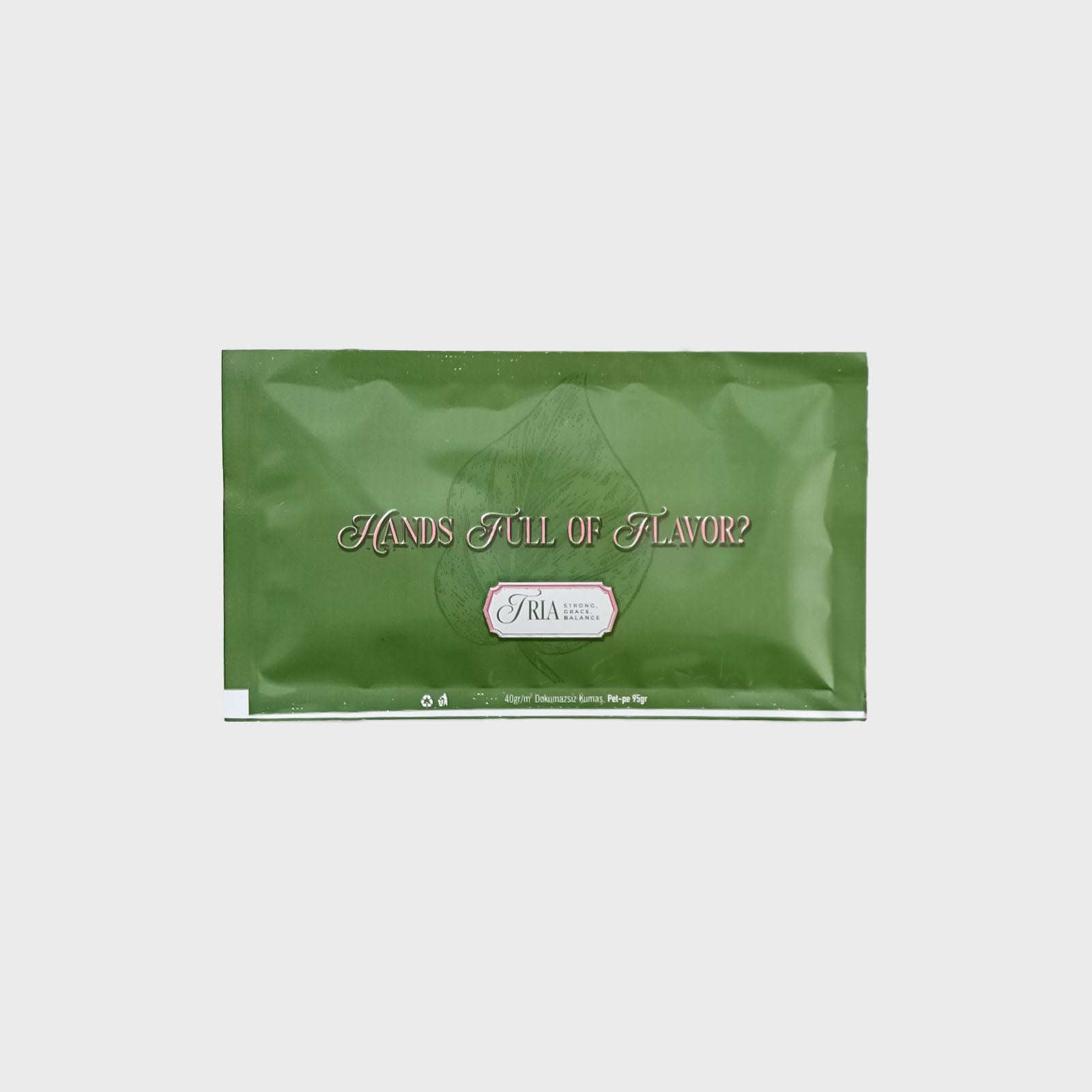
- Paper food pouches
- Takeaway bags
- Napkins and supporting food-service packaging
Not every restaurant or food brand needs every format. The correct combination depends on the menu, portion sizes, whether food is eaten immediately or delivered, how it is handled during service and which parts of the packaging customers actually see.
Custom, Customised, Personalised & Bespoke Food Packaging
UK buyers use several different terms when searching for branded food-service packaging. Custom food packaging, customised food packaging, personalised food packaging and bespoke food packaging often describe closely related requirements, but the emphasis can differ.
- Custom food packaging is the broad commercial term covering packaging selected or produced around a particular food, brand or service requirement.
- Customised food packaging often refers to adapting elements such as print, size, material or format to the business.
- Personalised food packaging usually emphasises adding a company's own logo, artwork or branding.
- Bespoke food packaging is often used where the requirement is more specific than choosing a standard unbranded package.
- Custom printed food packaging places particular emphasis on printing logos, colours and artwork directly onto the packaging.
These searches generally lead to the same first decision: identify the correct packaging format for the food before choosing how extensively it should be customised.
Branded Food Packaging That Keeps Your Business Visible
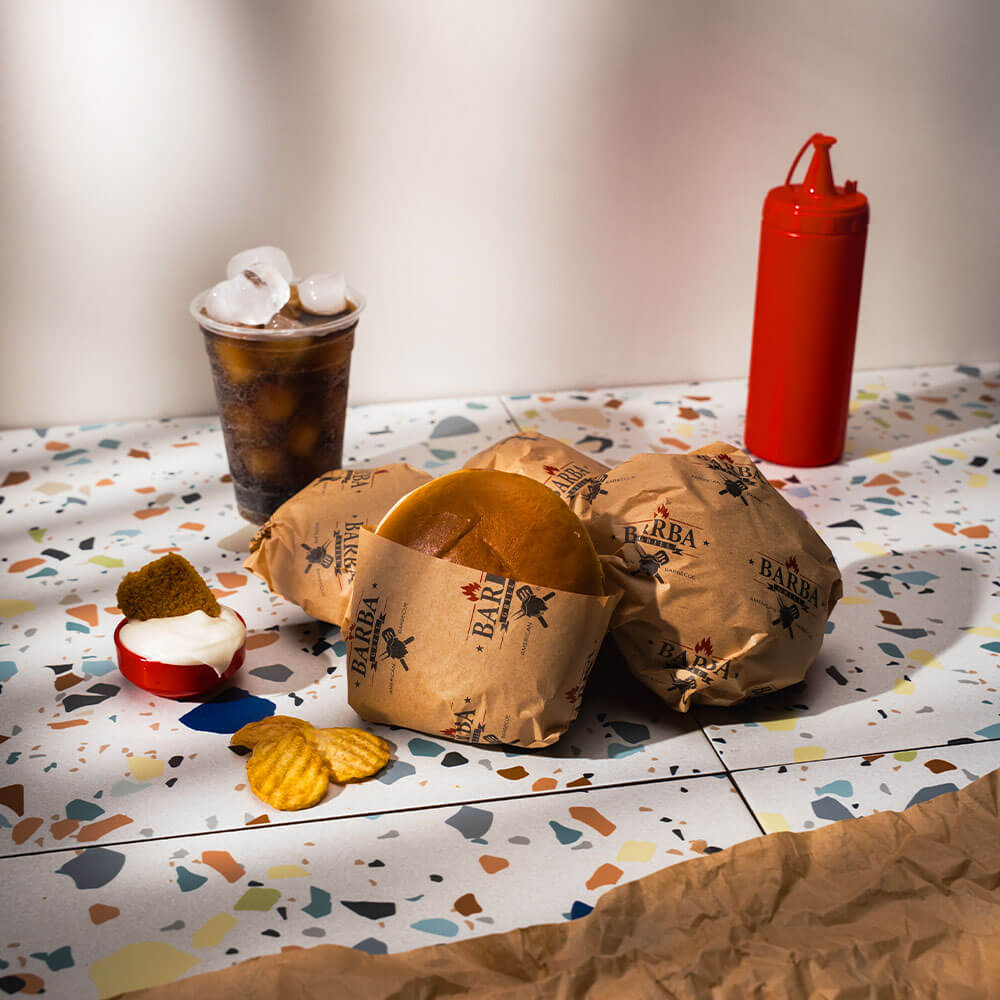
Branded food packaging turns a practical part of food service into a repeated customer-facing brand touchpoint. A takeaway box, food wrap or pouch is handled by staff, carried by the customer, seen during delivery and often remains visible throughout the meal.
For food businesses operating through third-party delivery platforms, packaging can become particularly important because the customer may interact with the delivery platform digitally but interact with the restaurant itself physically through the food and its packaging.
Well-planned food brand packaging can help connect:
- The restaurant or takeaway frontage
- Menu design
- Website and online ordering
- Delivery-platform listings
- Social media
- The physical food order
This does not mean every packaging component needs maximum print coverage. A consistent logo, colour system and design language across the most visible items can often create stronger recognition than several unrelated designs.
Custom Restaurant Packaging for Dine-In, Collection & Delivery
Custom restaurant packaging needs to support more than one service channel. The same restaurant may serve customers at tables, prepare collection orders, operate through delivery apps and cater for larger group orders.
Packaging requirements can therefore vary across the same menu.
For restaurant operators, useful questions include:
- Which foods need a rigid box?
- Which products can use wrapping paper or a pouch?
- Which orders need an outer takeaway bag?
- Which items create the most grease or moisture?
- How long will food remain in the packaging?
- Will several items be stacked or transported together?
- Which packaging surfaces provide the strongest branding opportunity?
Branded restaurant packaging works best when these operational requirements are solved first. The branding can then be applied consistently without making kitchen or counter service more complicated.
Takeaway Food Packaging for Fast, Consistent Service
Takeaway food packaging needs to perform quickly. During a busy service period, staff should be able to identify, assemble, fill and close the packaging without unnecessary steps.
This makes structure and format particularly important for takeaways.
Custom takeaway packaging may include boxes for complete meals, greaseproof paper for wrapping, pouches for handheld food, trays for open serving and bags for carrying the complete order.
When several of these formats are used together, they should form a logical packaging system rather than a collection of unrelated items.
Branded takeaway packaging can then keep the restaurant identity visible whether the customer collects the food directly, takes it back to work or receives it through a delivery service.
Custom Fast Food Packaging for High-Volume Operations
Custom fast food packaging is designed around speed, repeatability and foods that may need to be packed hundreds of times during a busy service period.
Burger restaurants, fried chicken businesses, kebab shops, pizza outlets, fish and chip shops, street food operators and other quick-service businesses often use several packaging formats at the same time.
A fast food packaging system may need to support:
- Rapid assembly
- Grease and moisture management
- Portion consistency
- Stacking during preparation
- Takeaway and delivery
- Simple stock management
- Strong visible branding
Branded fast food packaging should therefore be considered part of the operational system as well as part of the marketing presentation.
Food Delivery Packaging for Orders That Leave Your Premises
Food delivery packaging has to continue performing after the order leaves the restaurant. Packages may be stacked, placed into delivery bags, handled by drivers and transported for longer than a normal collection order.
Businesses should therefore consider:
- How securely the packaging closes
- Whether the food can move inside the pack
- How several items fit together
- Grease and moisture
- Ventilation where relevant to the selected food and packaging
- How easily the order can be carried
- Whether branding remains visible on arrival
The correct solution can be different for pizza, burgers, fries, sandwiches and full meals, which is why specialist product categories remain important beneath this wider Food Packaging hub.
Custom Food Boxes for Meals, Takeaway & Delivery
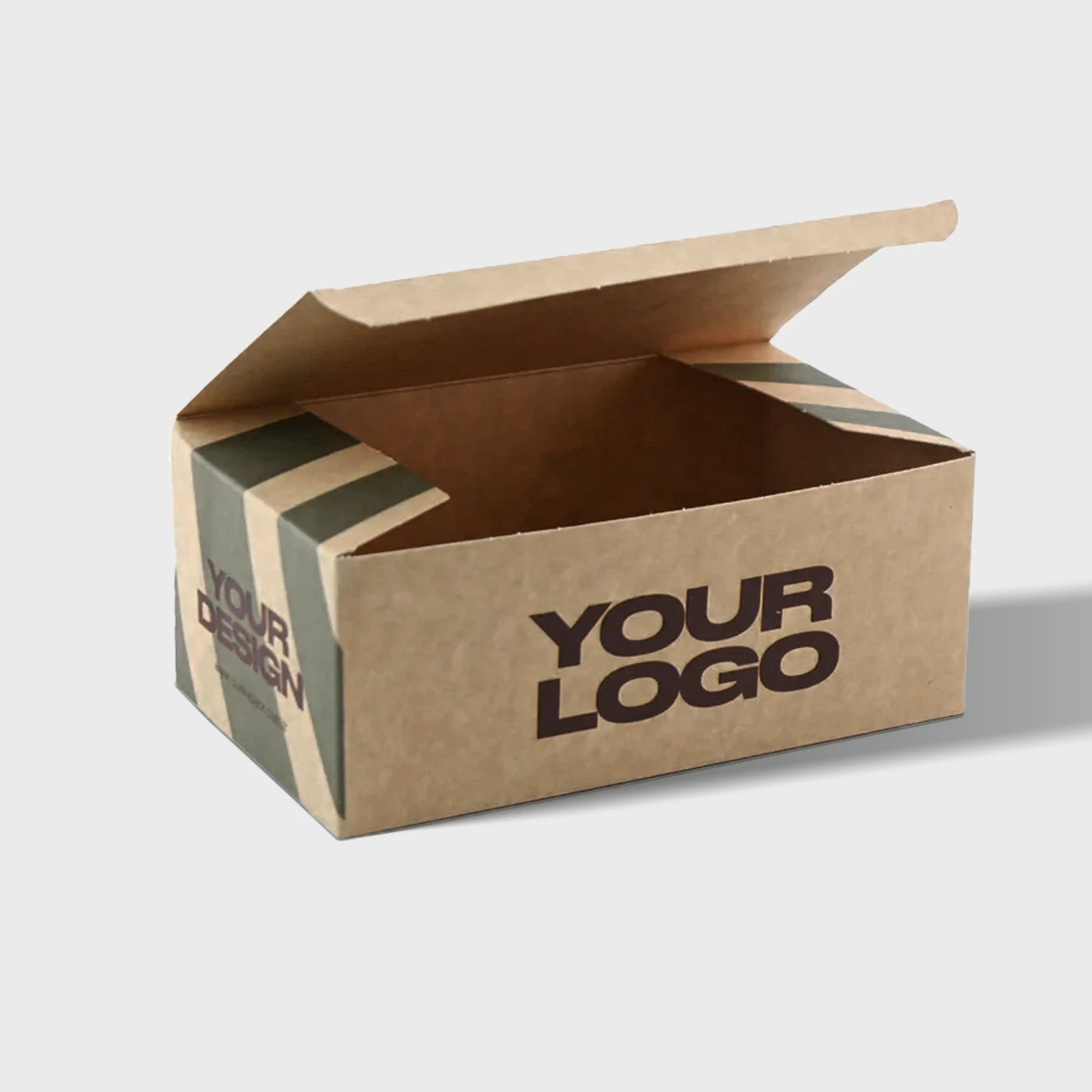
Custom food boxes are one of the main packaging families within food service, but the term covers several structures rather than one universal box.
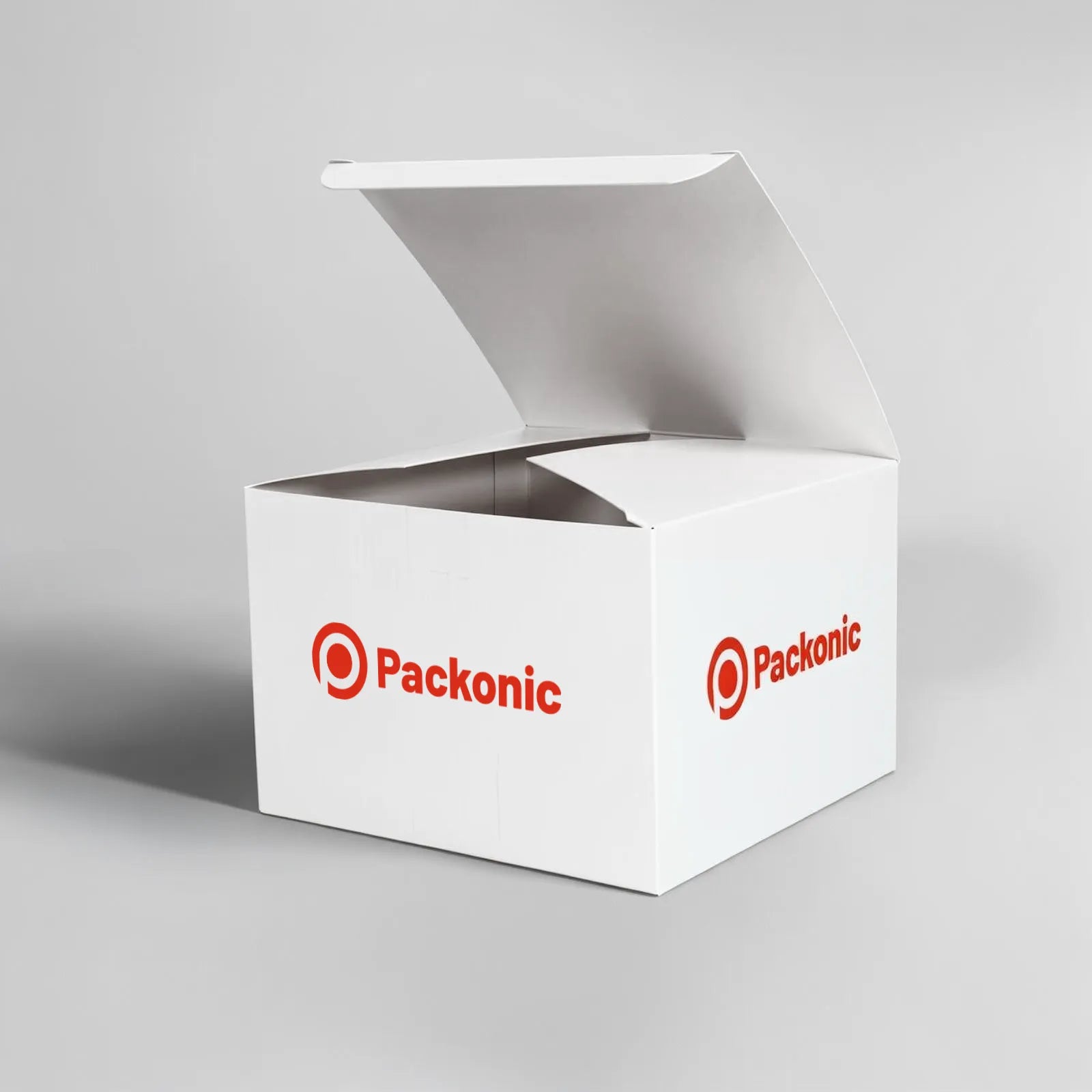
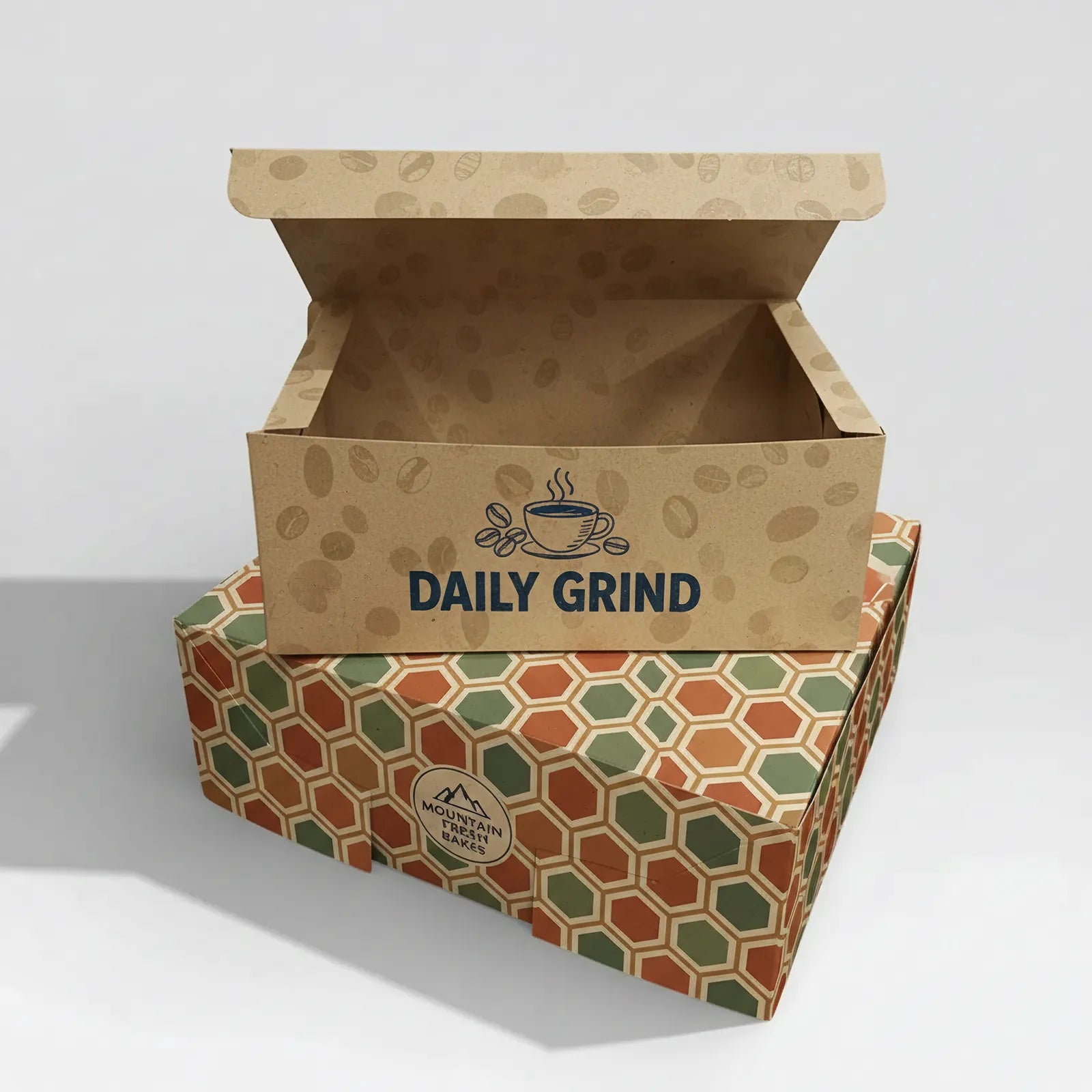
Food boxes can be used for prepared meals, takeaway dishes, burger meals, snacks, bakery products and other applications where a rigid or semi-rigid container suits the food better than a sheet or pouch.
When choosing food boxes, consider:
- Internal dimensions
- Portion size
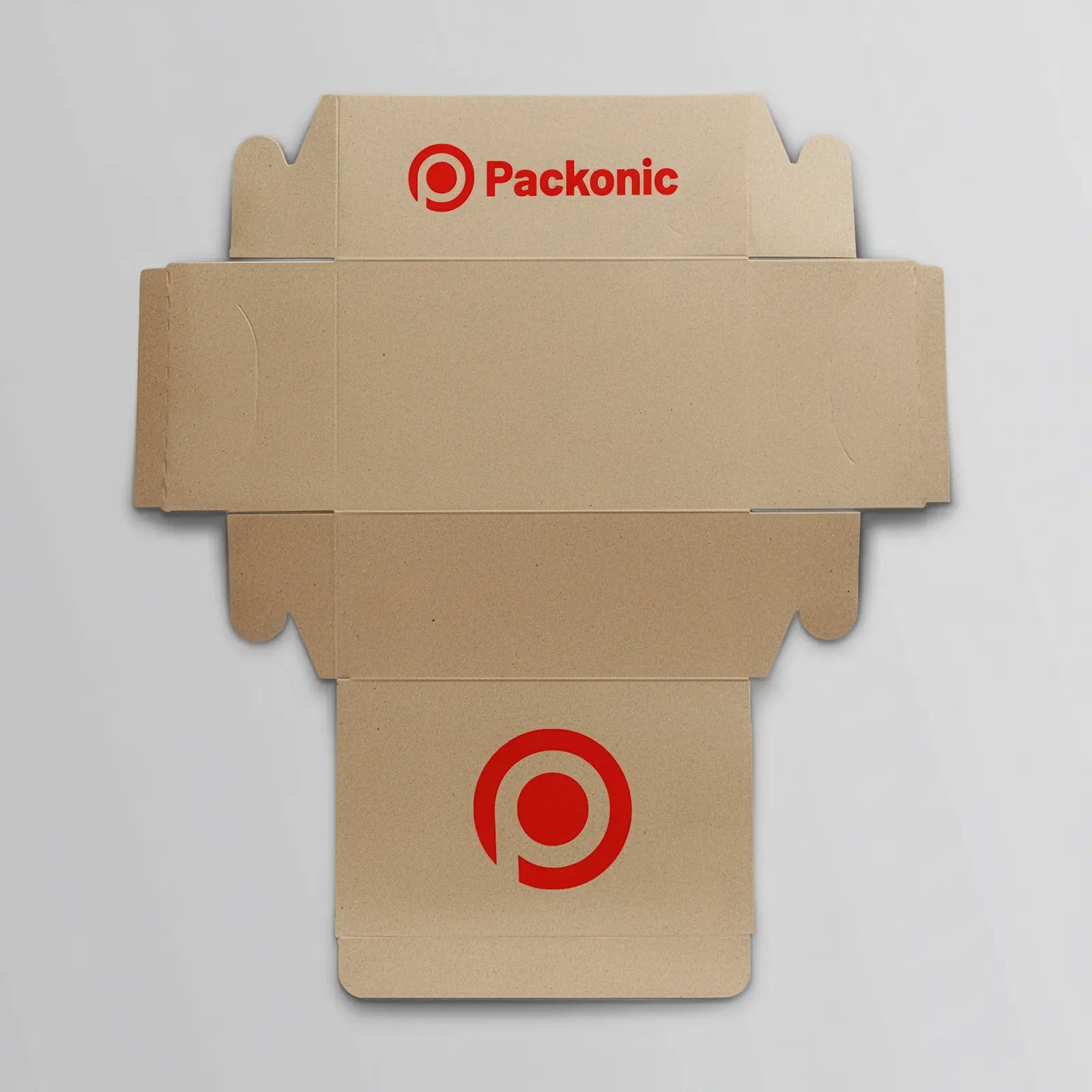
- Assembly method
- How quickly staff need to pack orders
- Whether products will be stacked
- The intended food
- Collection or delivery use
Businesses specifically looking for box formats should move into the dedicated Custom Food Boxes collection for the deeper food-box buying intent.
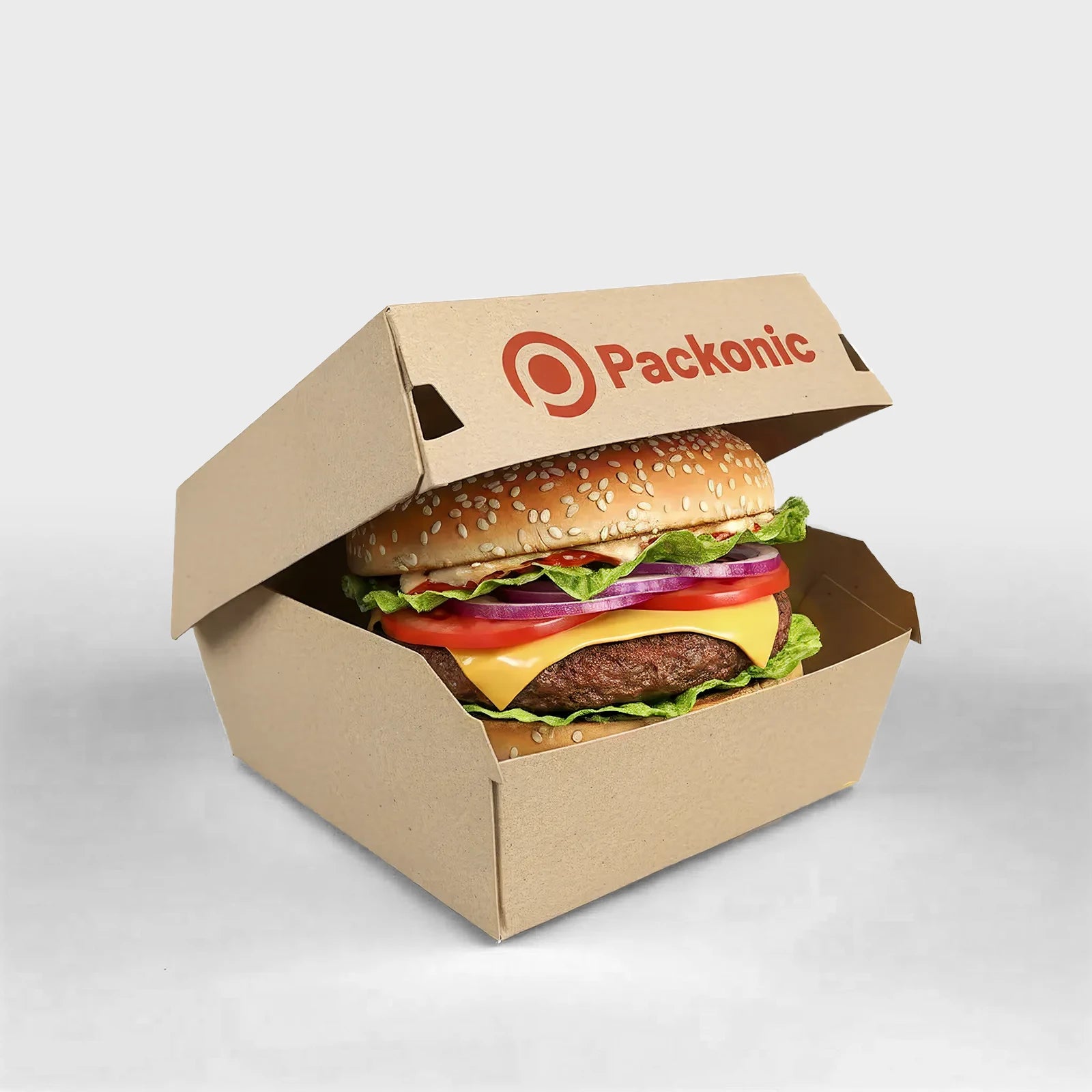
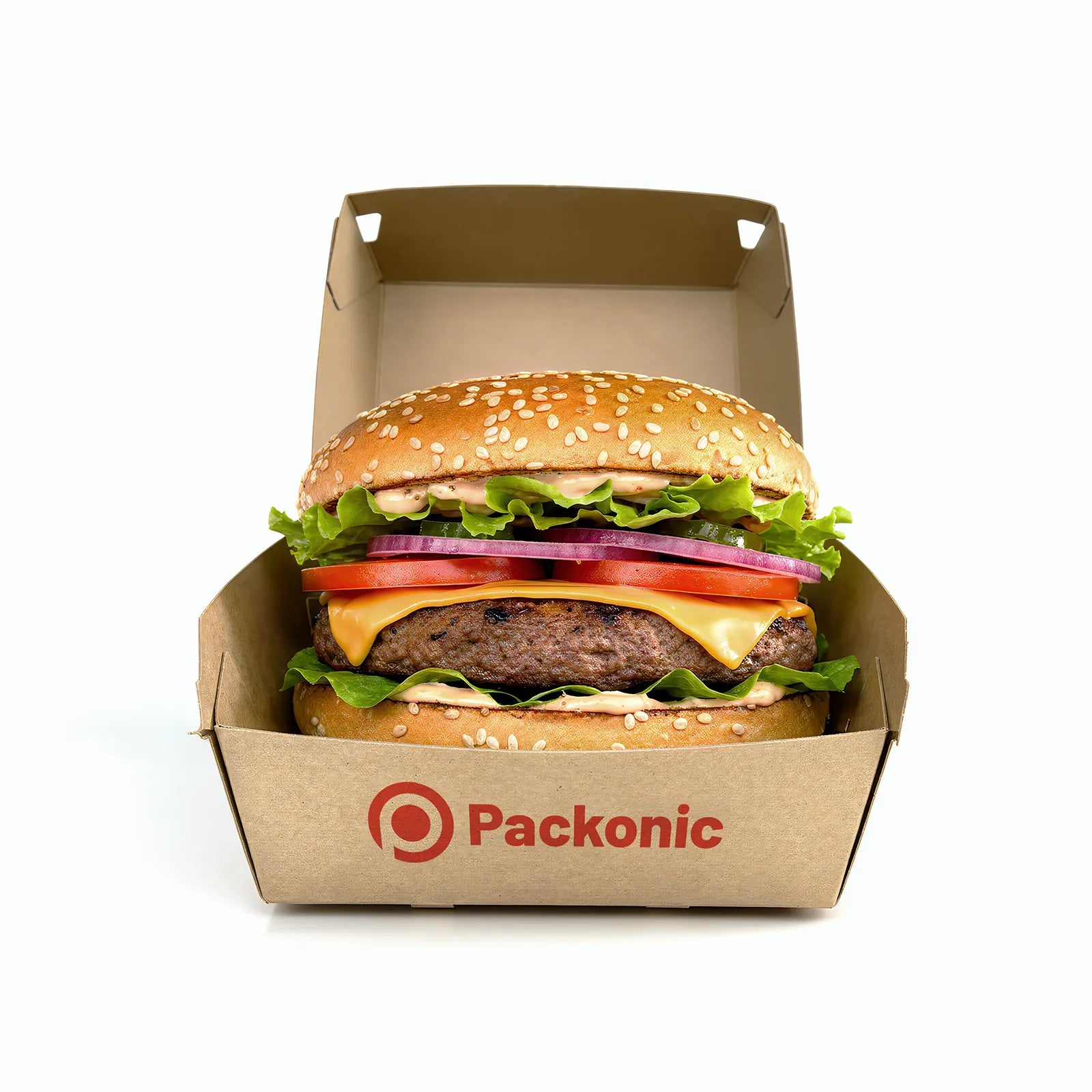
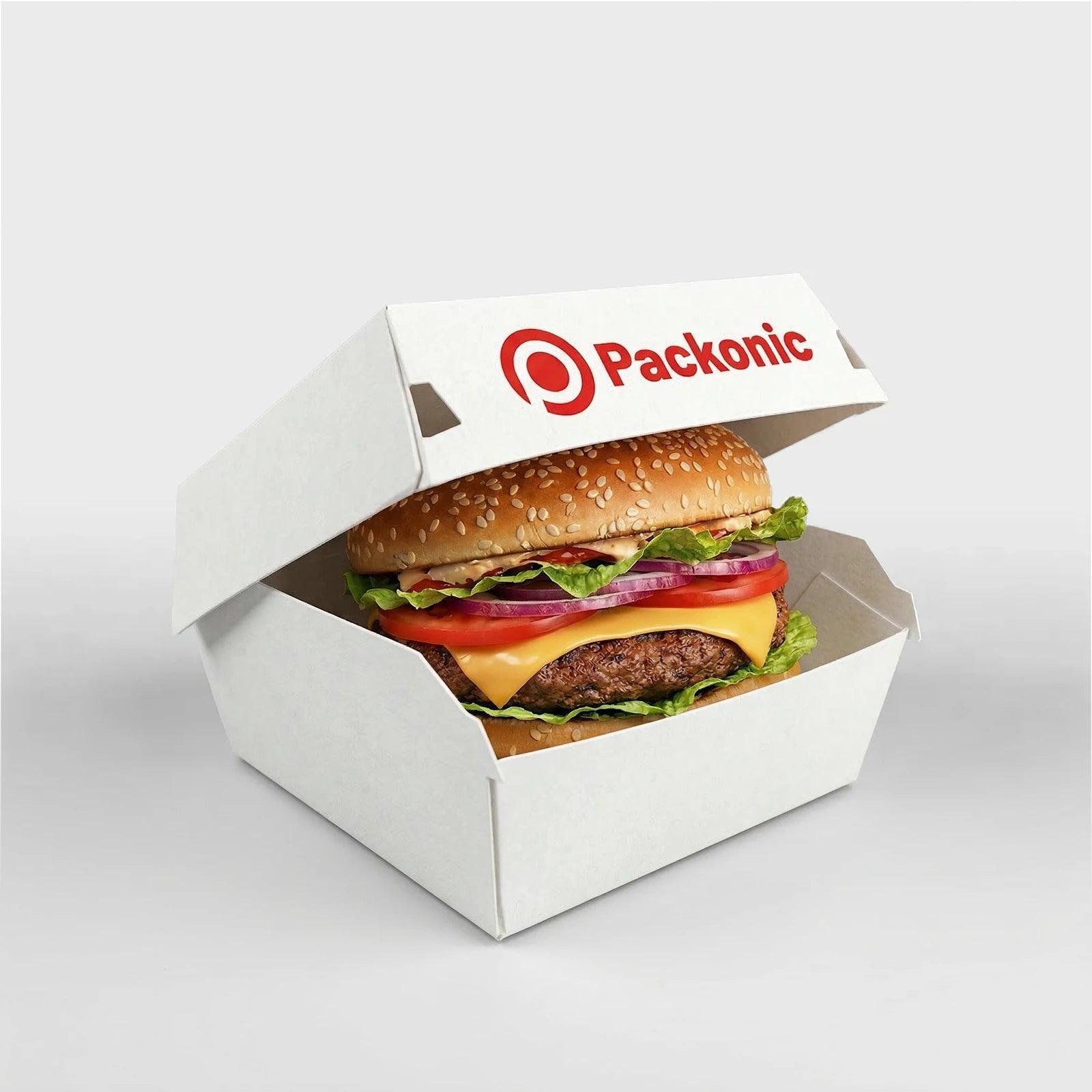
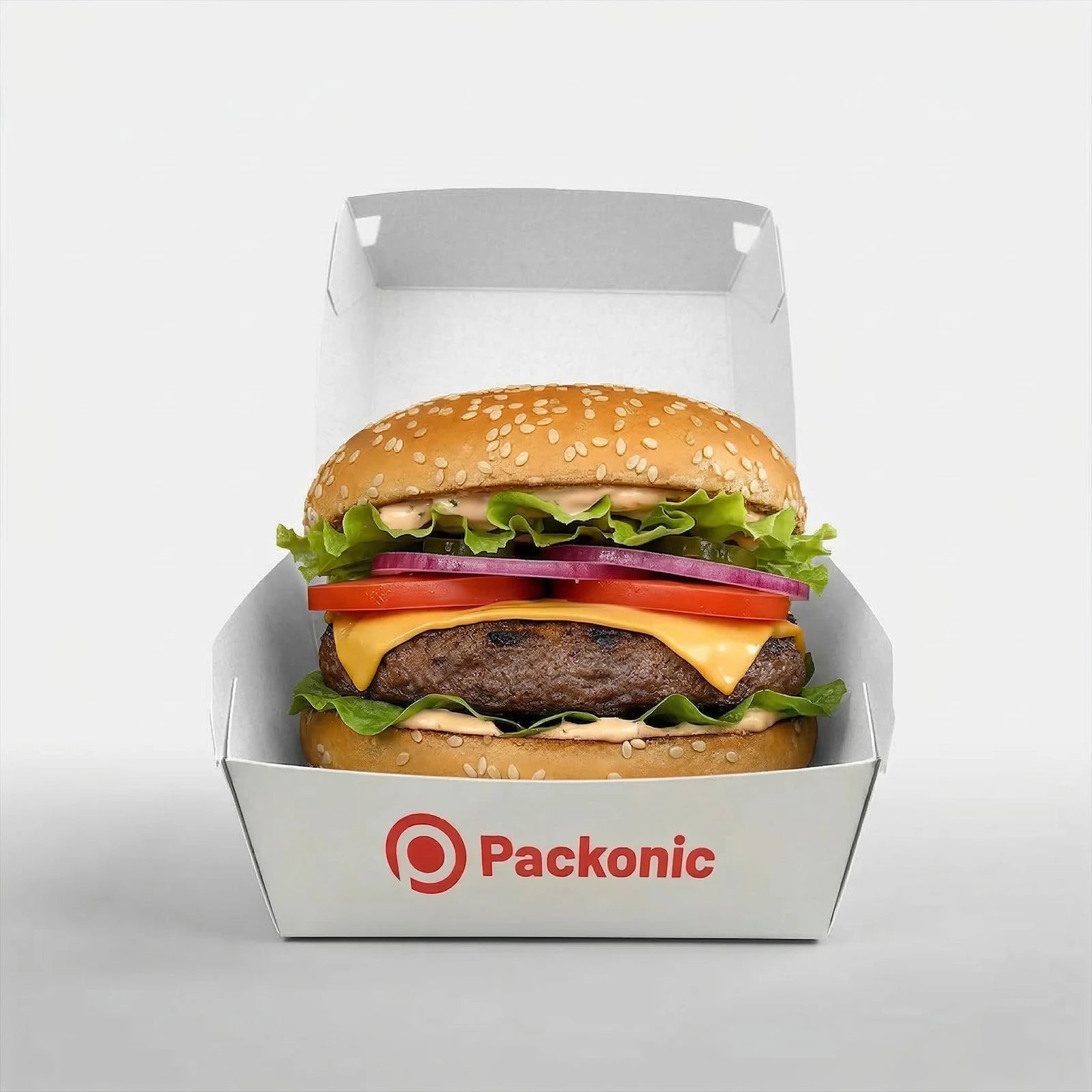
Custom Printed Burger Boxes for Burger Restaurants
Burgers create their own packaging requirements because the box needs to match the size of the product while remaining practical during busy takeaway and delivery service.
A burger business may also need different packaging for individual burgers and complete burger meals, making it useful to separate burger-specific purchasing decisions from the wider custom food packaging category.
Businesses already looking specifically for burger boxes should use the dedicated Custom Printed Burger Boxes collection, where burger box formats and product-specific specifications can be compared without forcing the Food Packaging hub to compete for every burger-related search.
Custom Printed Burger Bags for Quick-Service Packaging
Not every burger needs to be served in a rigid box. Burger bags can provide a more flexible packaging format for particular menu items and service styles.
They can be useful where speed, compact storage and straightforward handling are important during takeaway service.
For businesses that have already decided a bag format suits their menu, the dedicated Custom Printed Burger Bags collection provides the relevant product-specific route.
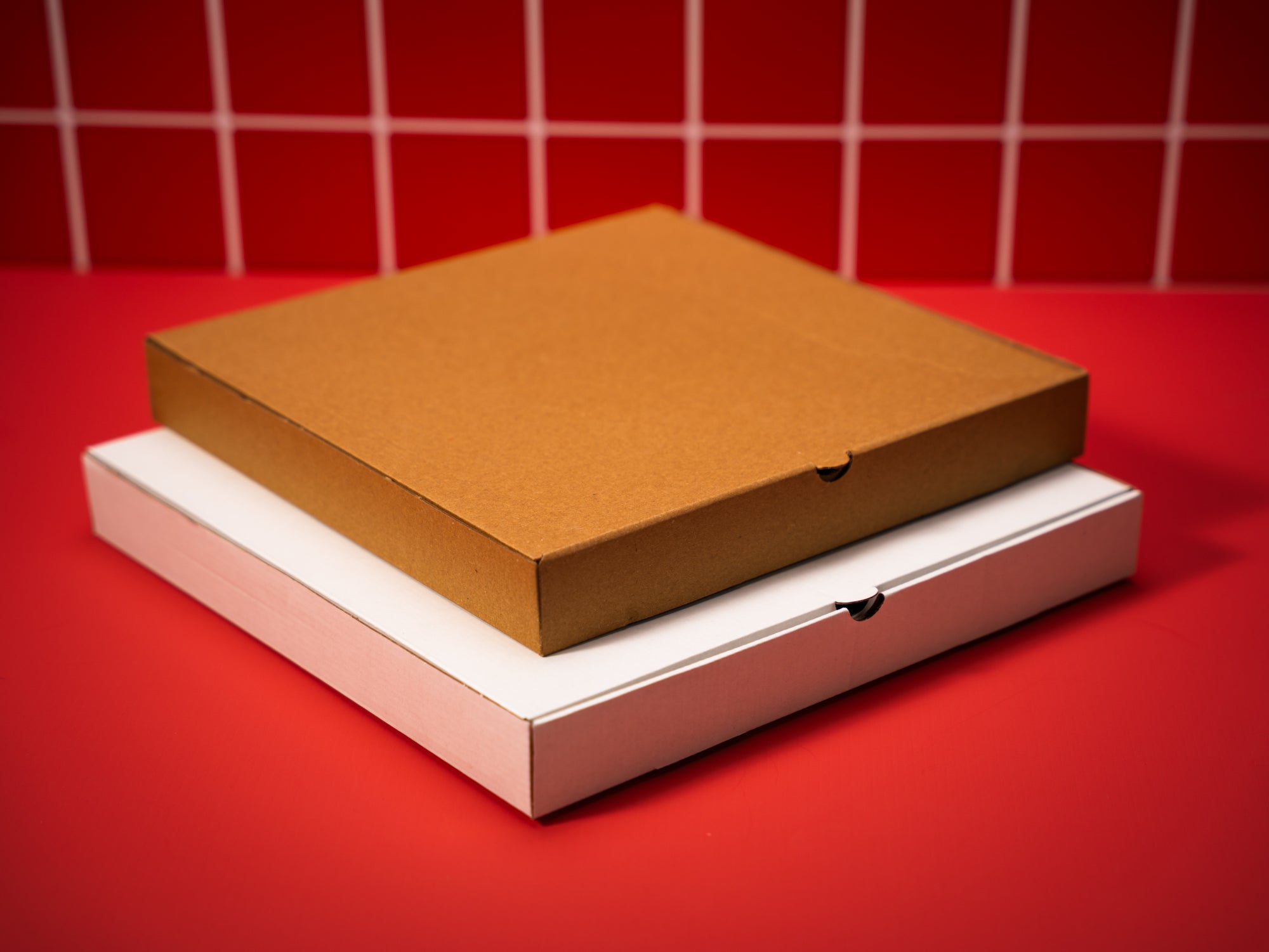
Custom Printed Pizza Boxes for Pizzerias & Delivery
Pizza packaging has a distinctive shape and service requirement, making it one of the clearest specialist categories within food packaging.
Pizzerias and takeaway businesses should consider pizza size, box dimensions, collection and delivery patterns, handling during transport and how the box will be stored before use.
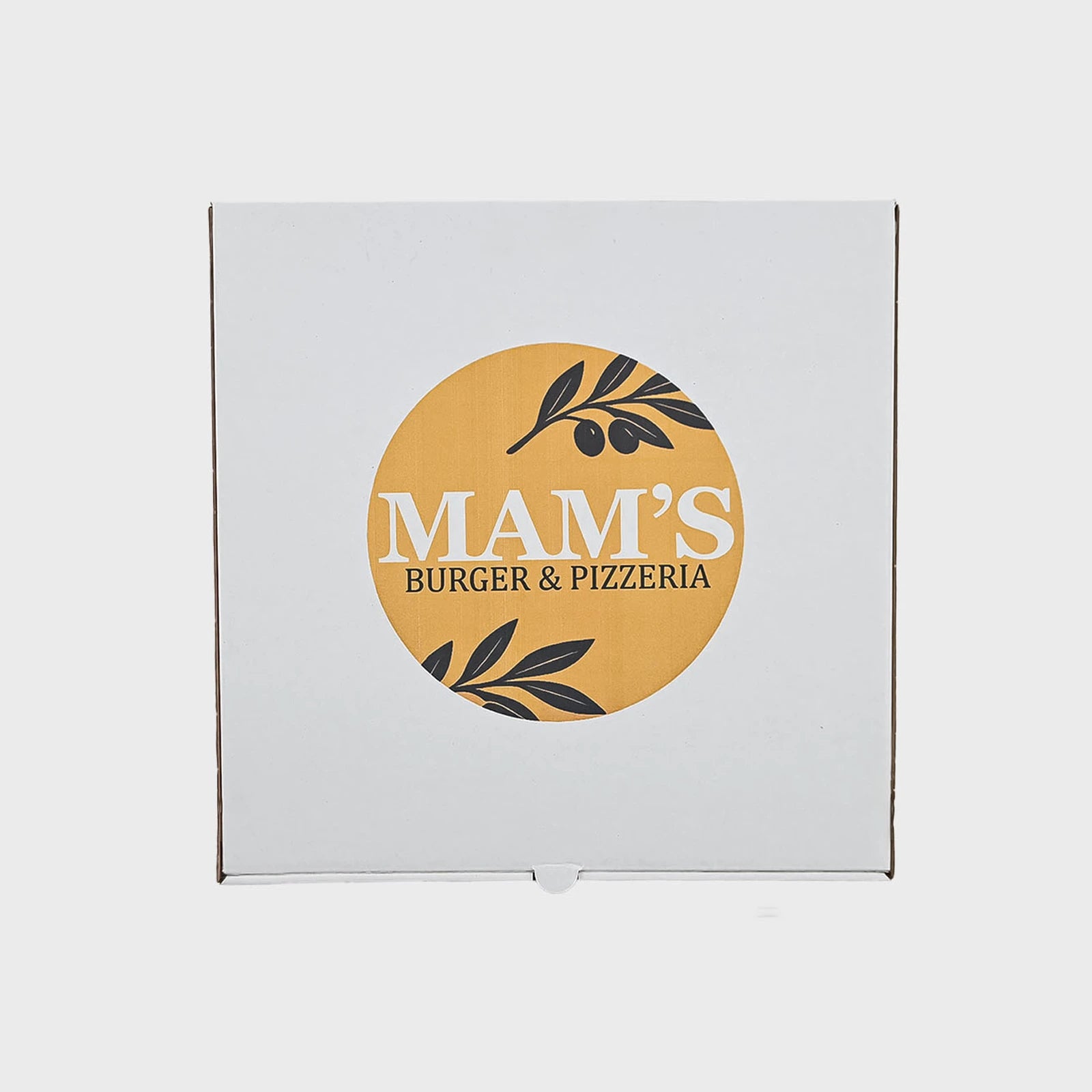
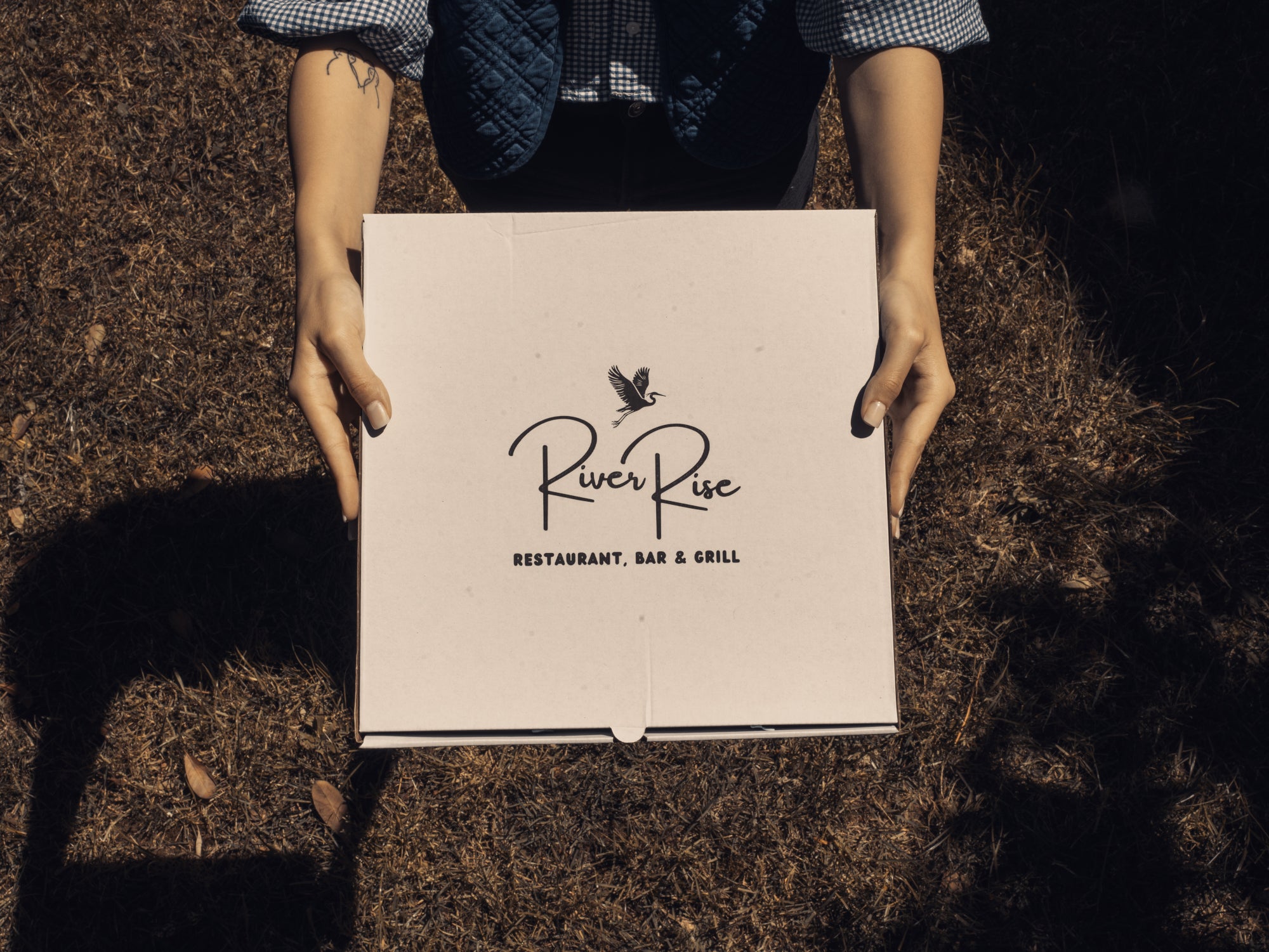
Branding is especially visible on pizza boxes because the top panel provides a large customer-facing surface, but box performance and correct sizing should still come before artwork.
Businesses specifically searching for pizza packaging can continue to Custom Printed Pizza Boxes rather than relying on the broader Food Packaging category.
Custom Printed Greaseproof Paper for Wrapping & Lining
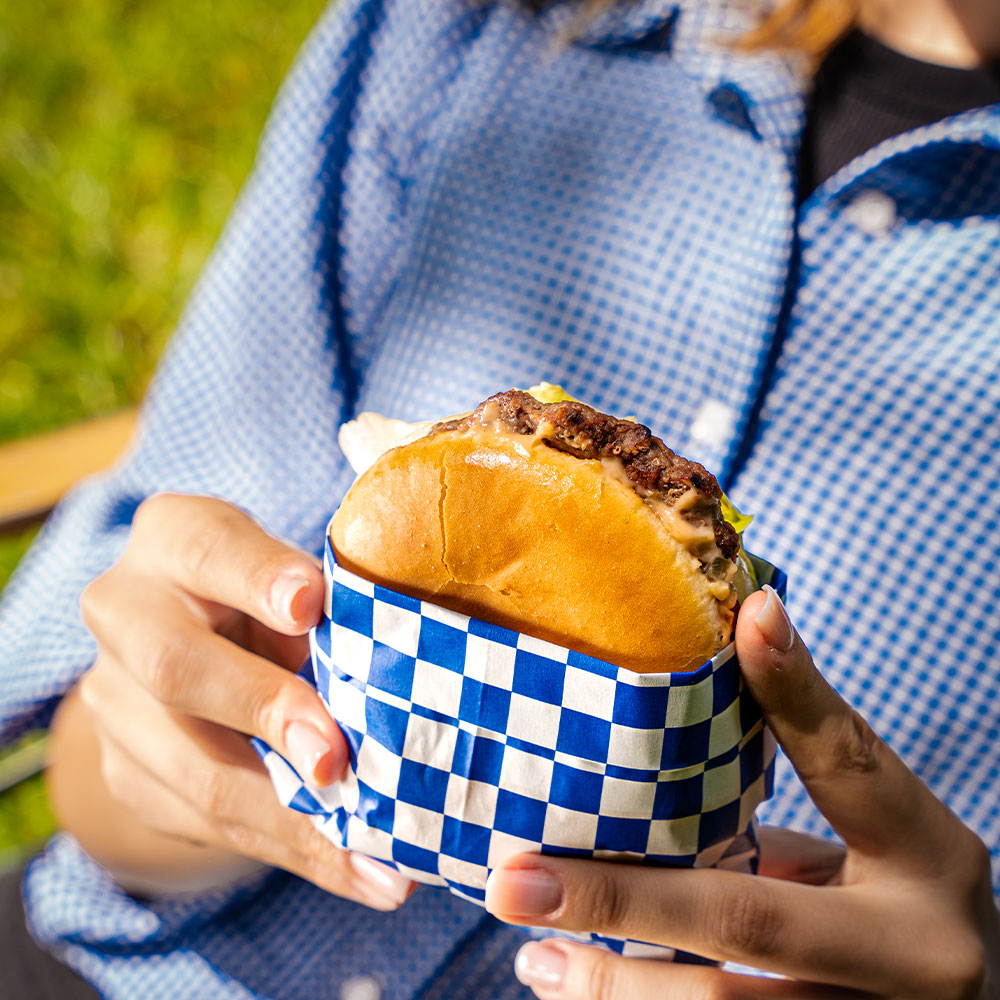
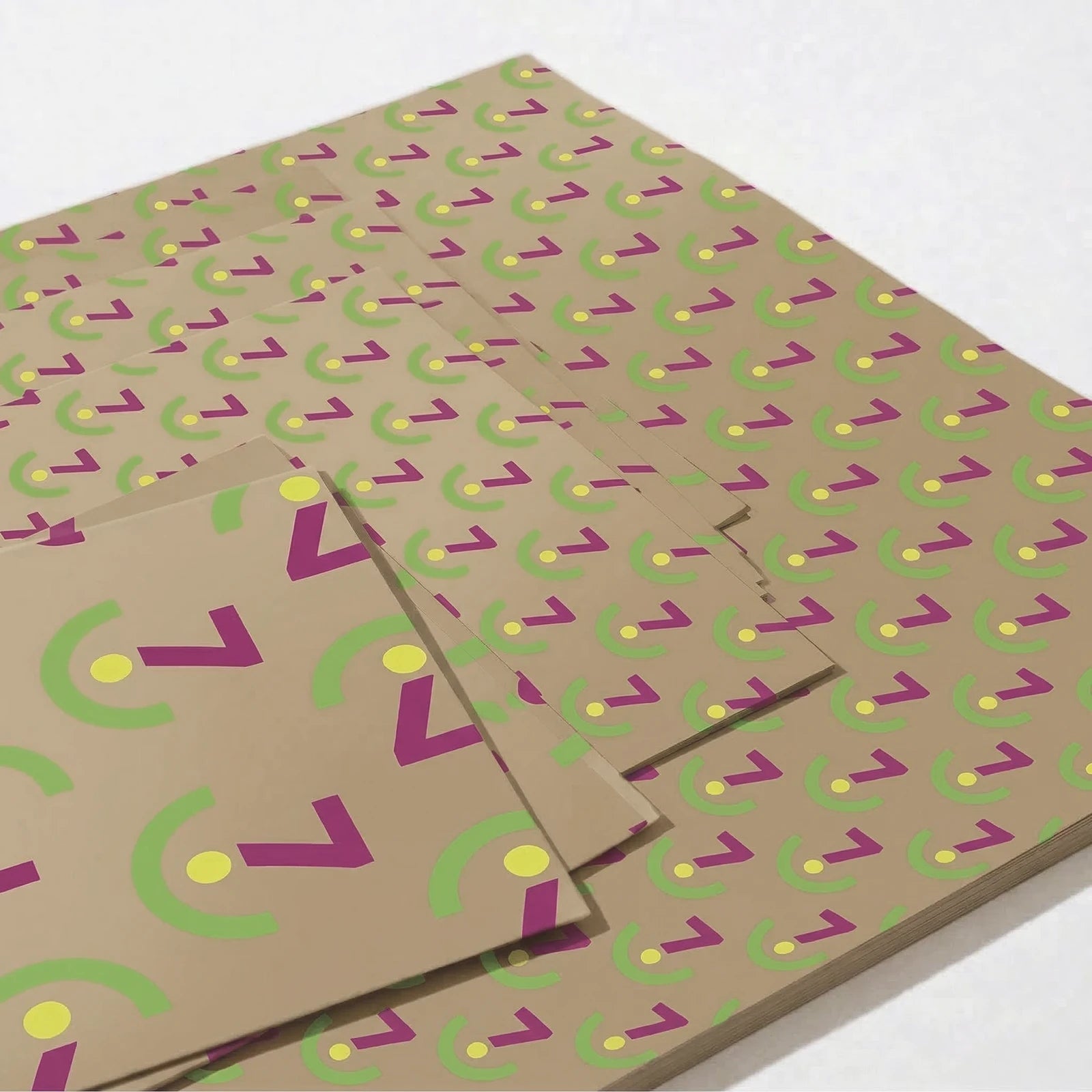
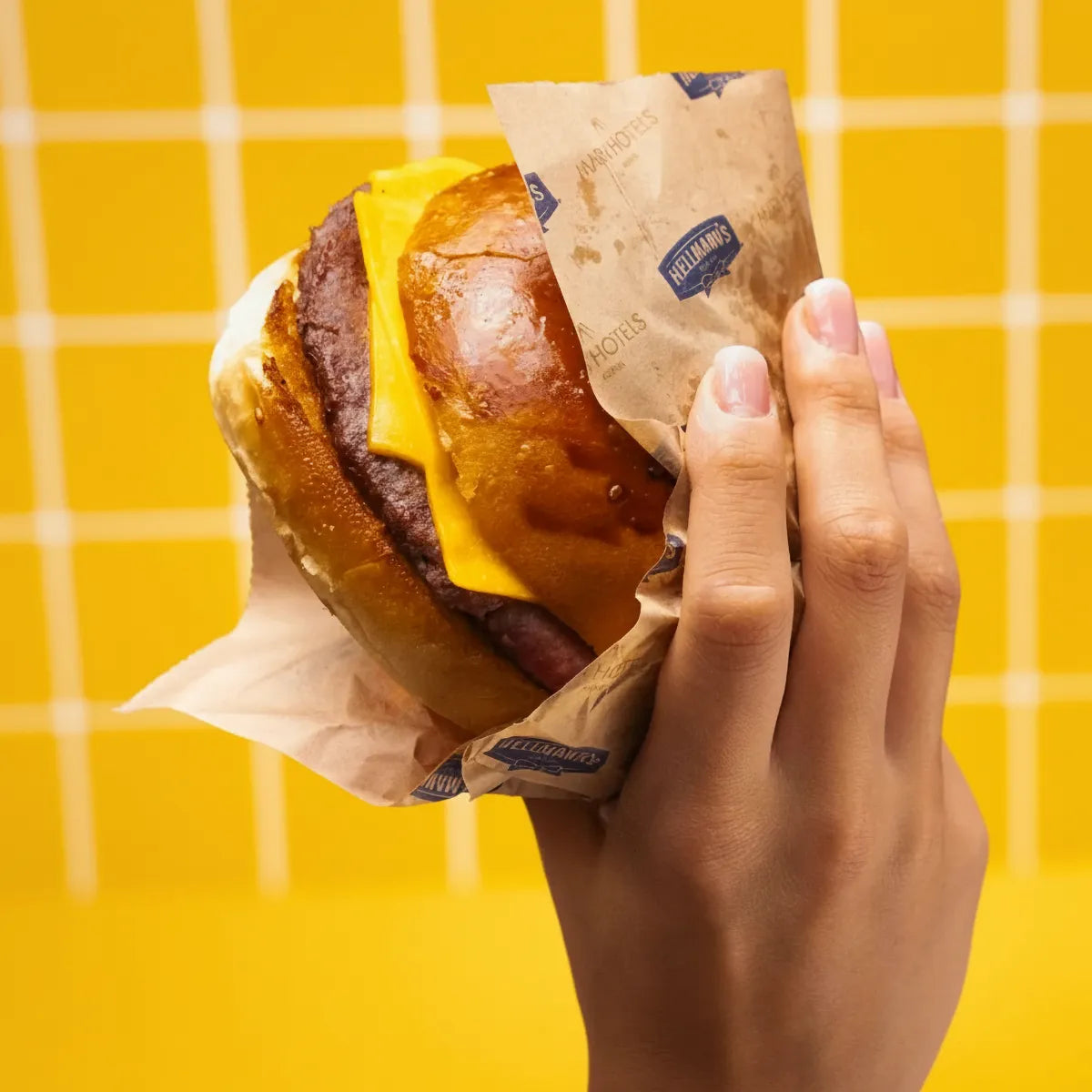
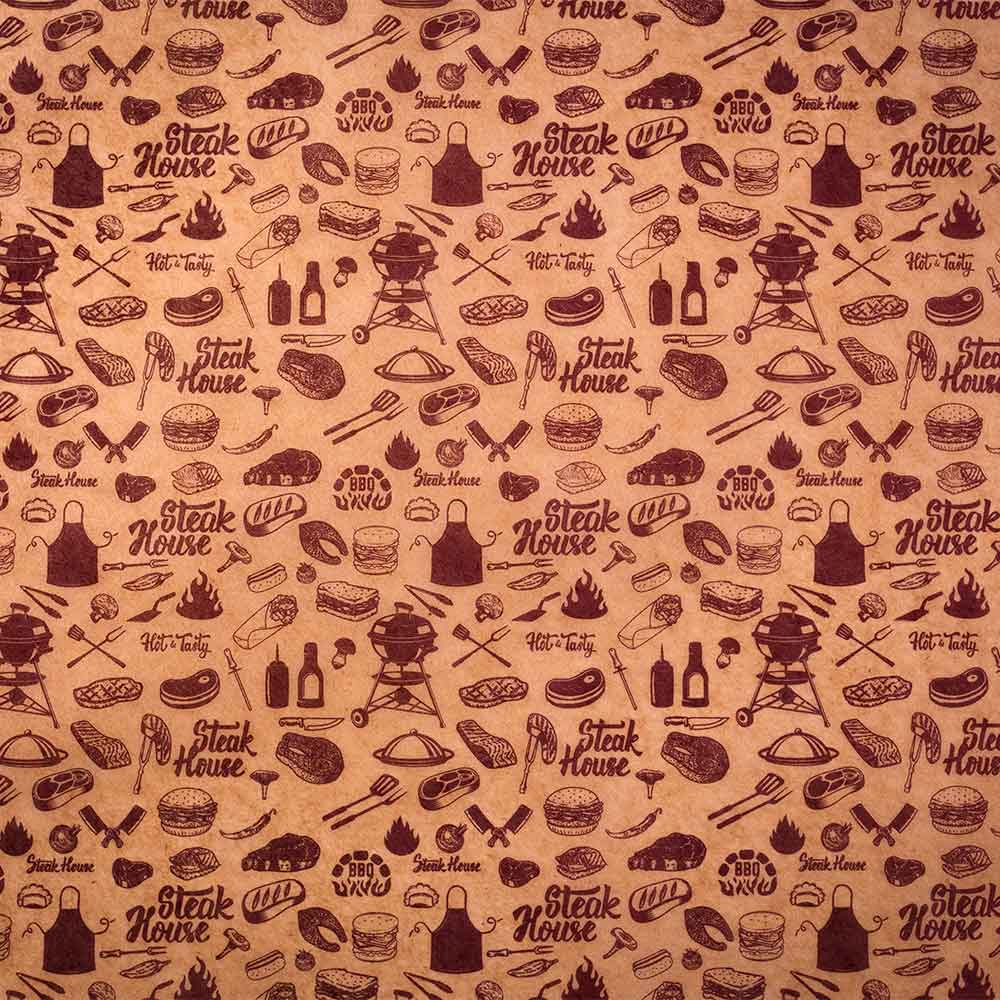
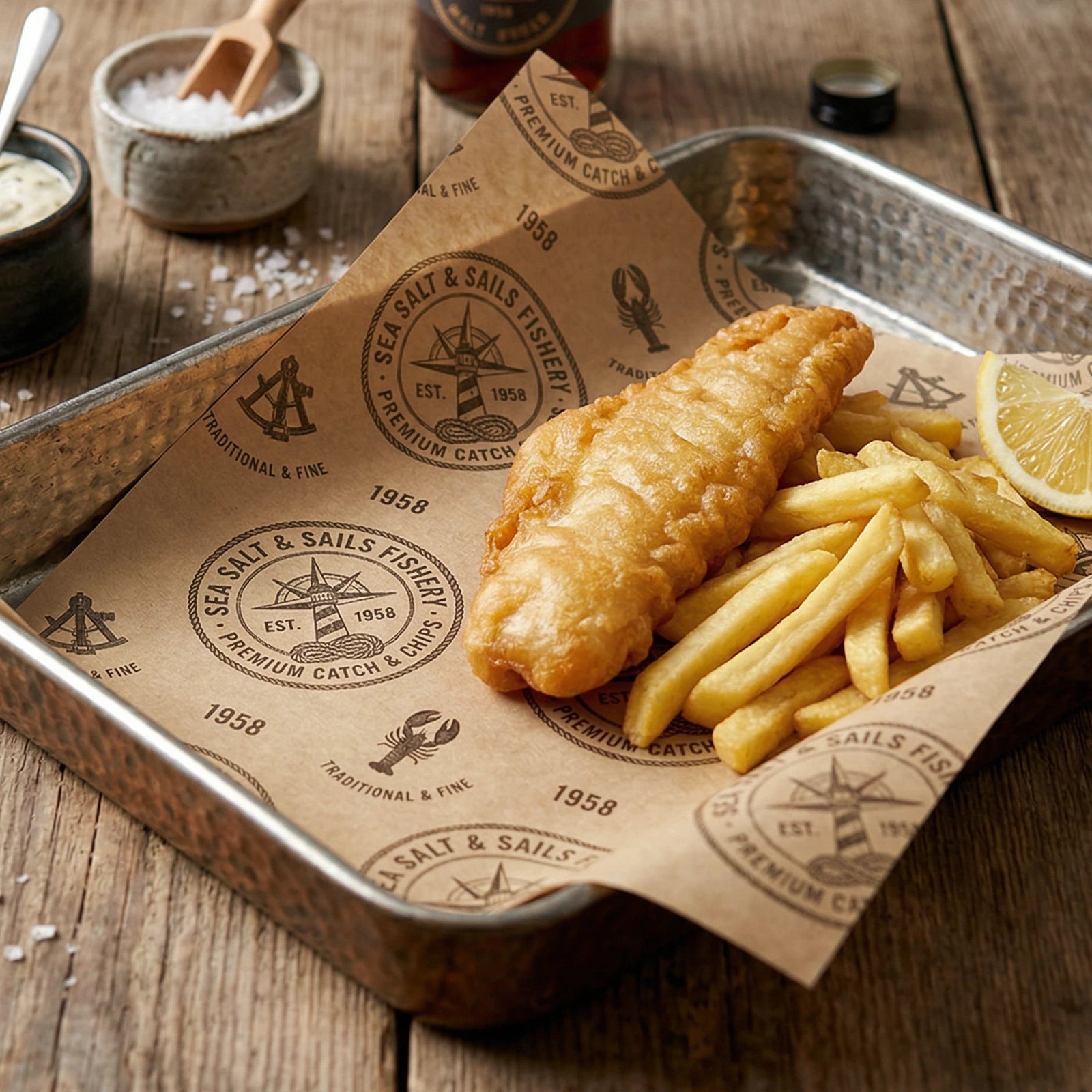
Printed greaseproof paper performs a different role from a rigid food box. It can wrap food directly, line trays and baskets or sit inside another packaging format as a grease-resistant branded layer.
Typical applications can include:
- Burgers
- Sandwiches
- Bagels
- Bakery products
- Street food
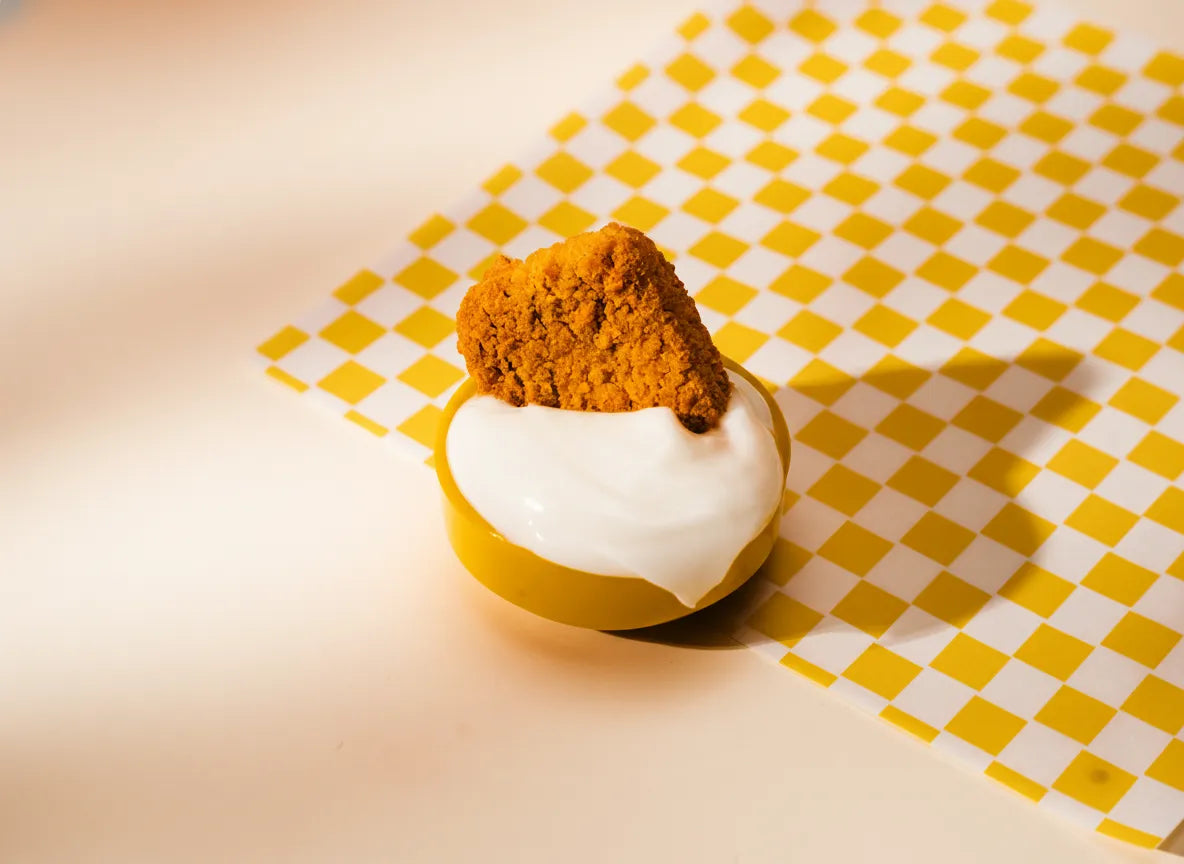
- Basket and tray lining
Because buyers searching for greaseproof paper often care about sheet sizes, paper specifications, printing, rolls and order quantities, those details belong in the dedicated Custom Printed Greaseproof Paper collection.
The Food Packaging hub should establish greaseproof paper as part of the complete packaging system without trying to replace that specialist page.
Paper Food Pouches for Sandwiches, Snacks & Grab-and-Go Food
Paper food pouches provide a compact packaging option for foods that do not necessarily require a rigid box.
Depending on the exact product and format, they may suit sandwich counters, cafés, bakeries and quick-service businesses serving handheld or grab-and-go items.
They are especially useful where counter speed and compact packaging storage are important.
For detailed pouch, sandwich and food-bag options, visit Custom Printed Paper Food Pouches.
Food Trays, Meal Boxes & Open Food Packaging
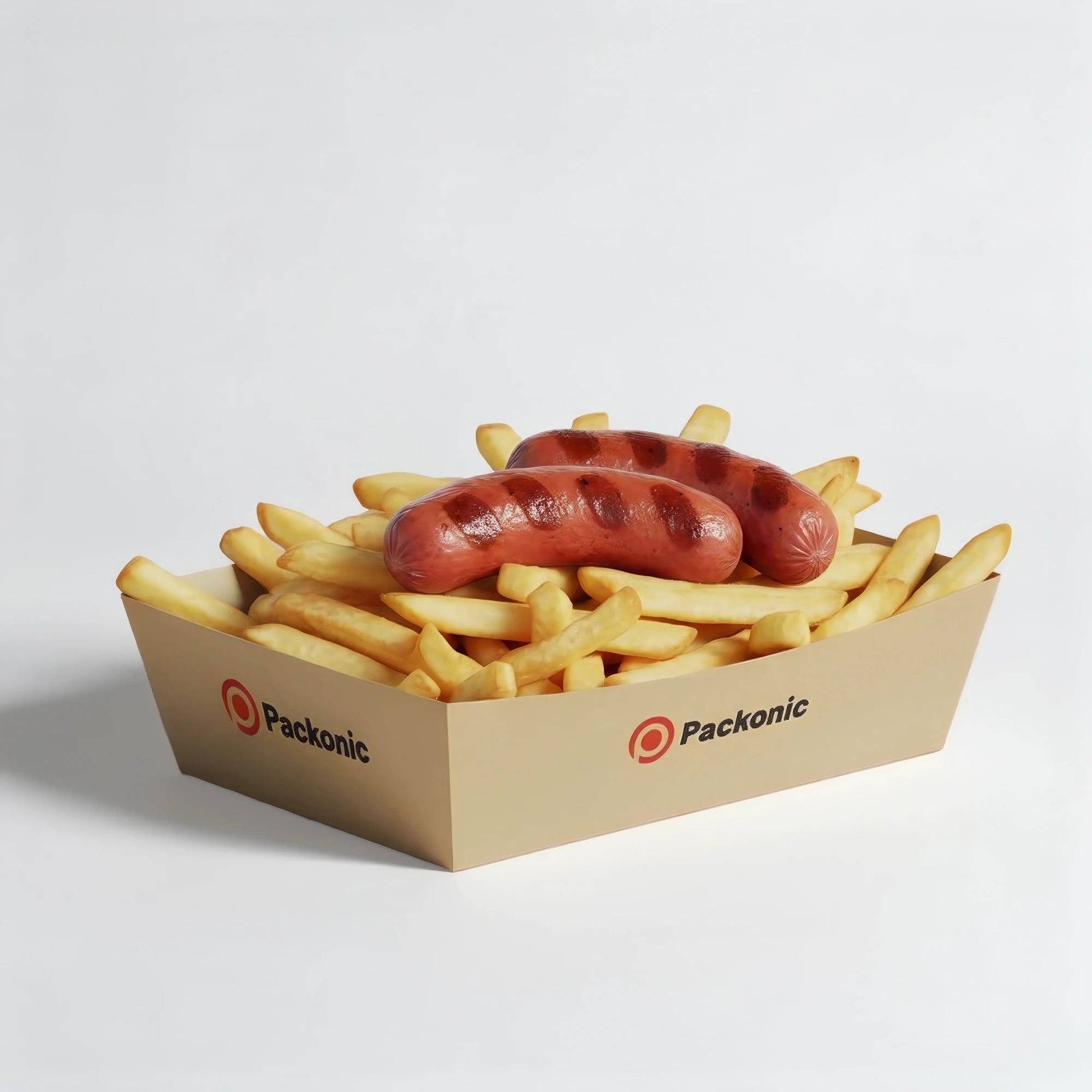
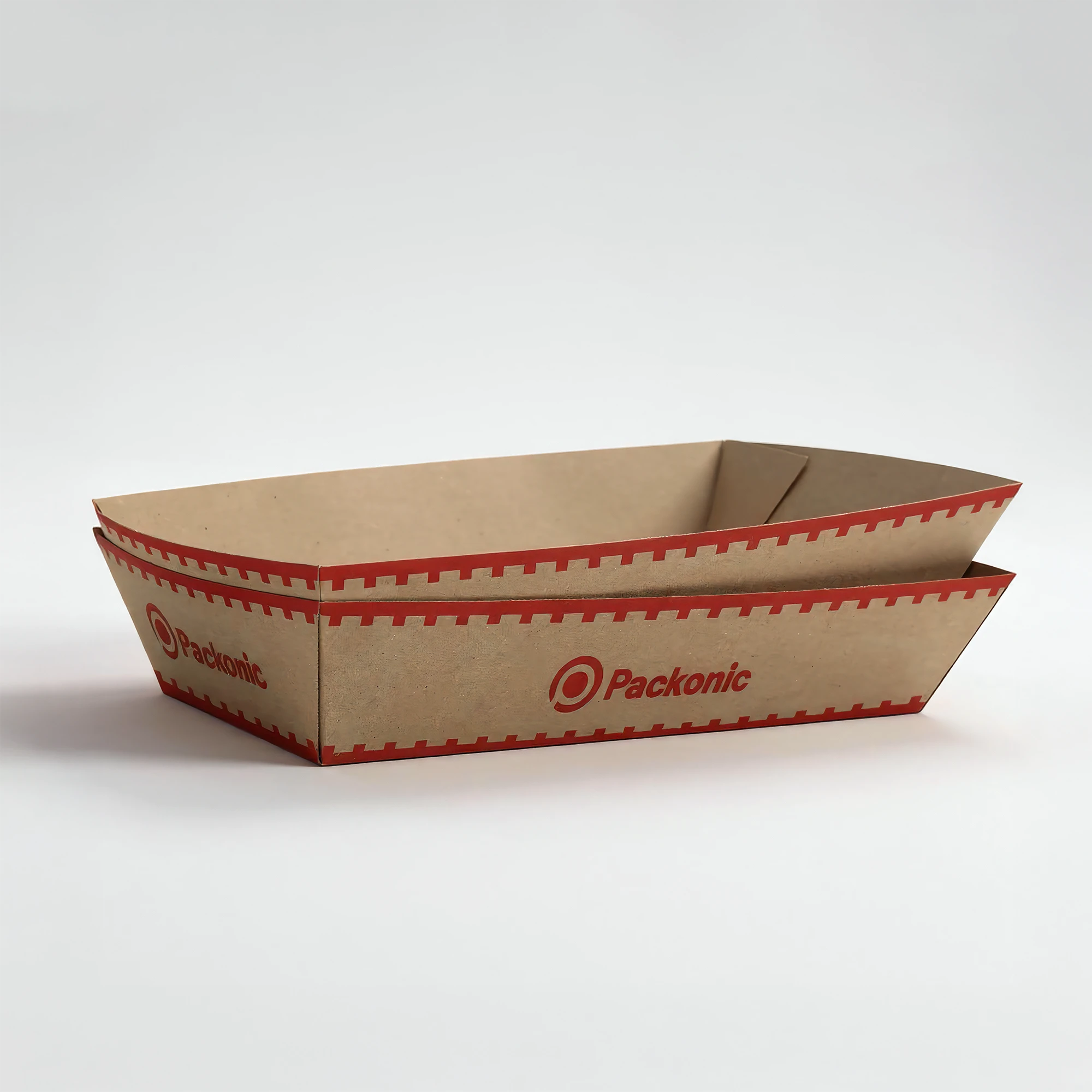
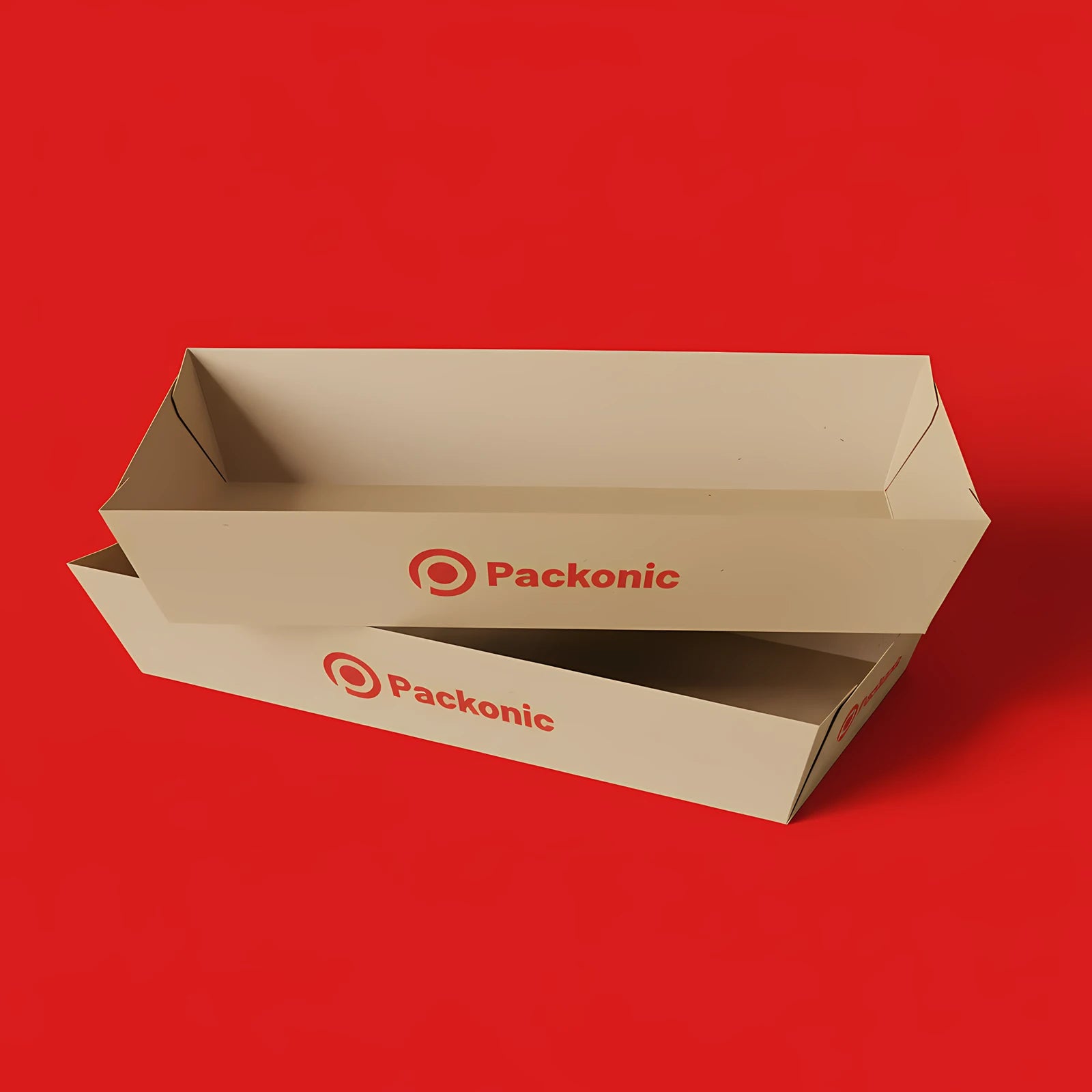
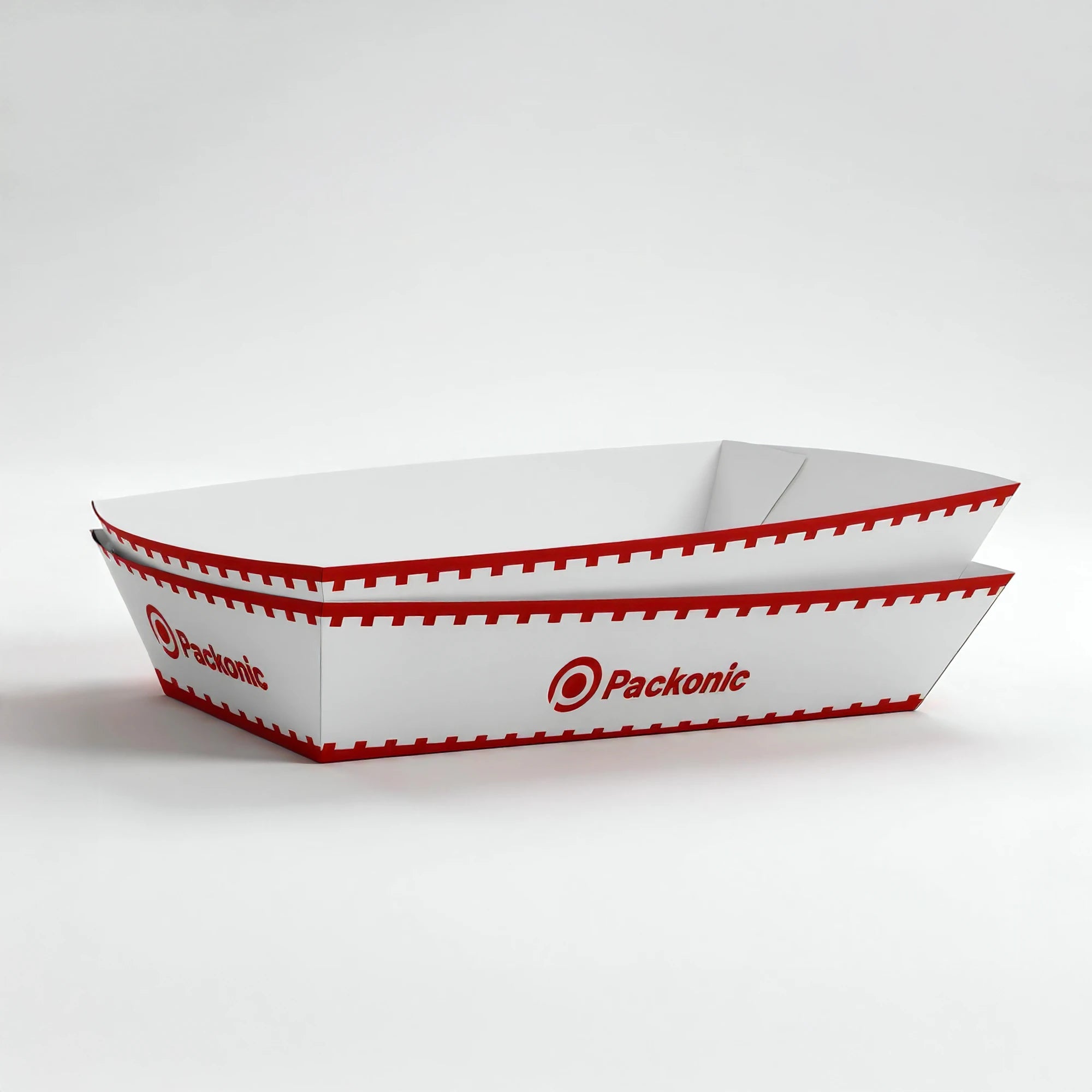
Custom printed food trays and open food packaging can be useful where customers eat directly from the container rather than carrying a completely enclosed meal.
Possible applications include fries, loaded food, snacks, street food, burger meals and event catering.
When selecting a tray, businesses should consider:
- Portion size
- Food weight
- Grease and sauces
- Whether customers will eat directly from the tray
- Whether another outer bag or box will be required
- How quickly staff can prepare and serve the item
The exact packaging format should follow the menu item rather than forcing several very different foods into the same tray simply to reduce stock variation.
Food Wrapping Paper & Basket Liners
Food wrapping paper and basket liners can add a flexible branded layer without requiring another rigid container.
Wrapping formats are useful when food needs to be folded or enclosed, while basket and tray liners are designed more around presentation beneath the product.
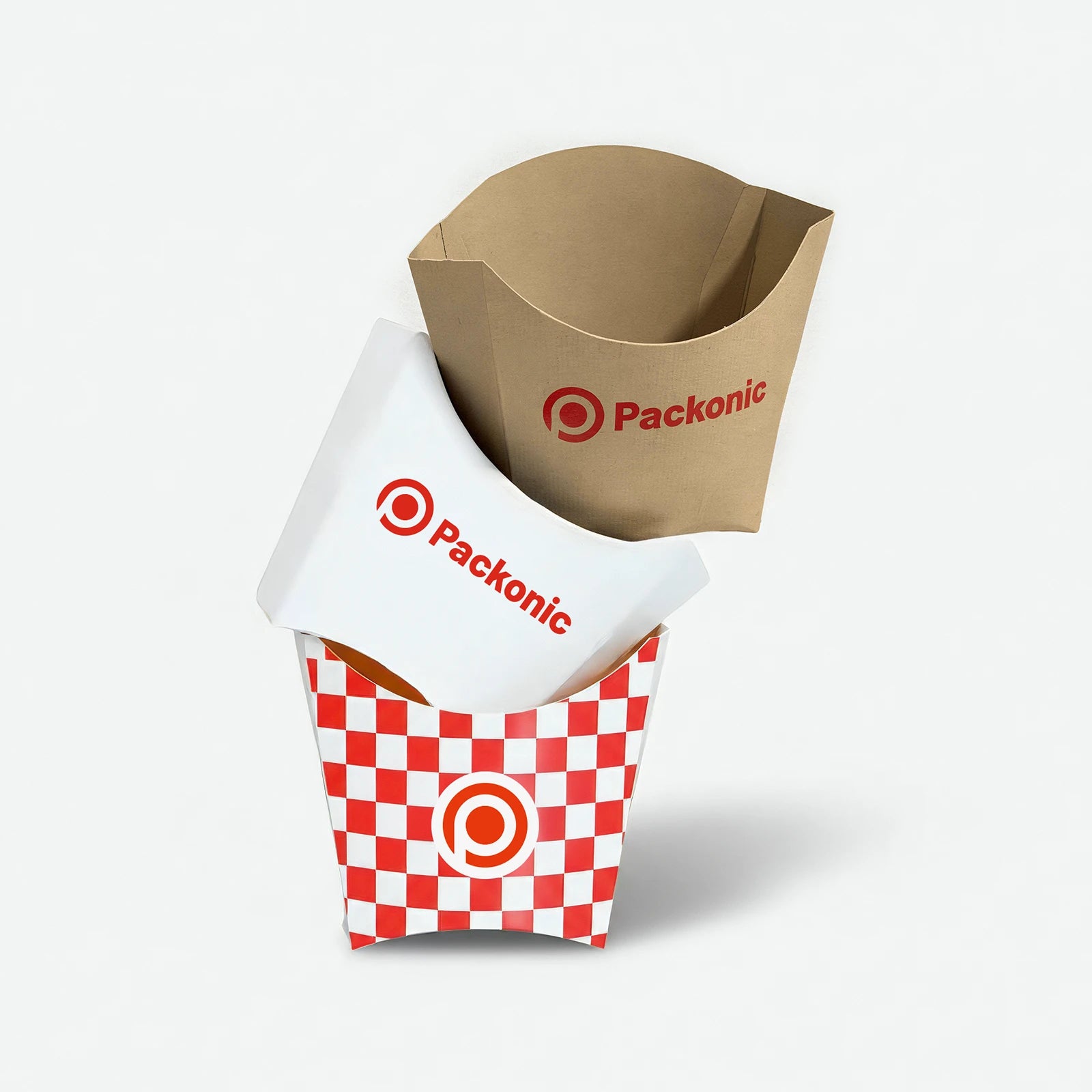
These formats can also work together with boxes and trays. For example, a plain or branded outer package can be combined with a printed grease-resistant internal layer to create a more complete presentation.
The objective is not to add extra packaging unnecessarily, but to choose the format that performs a clear handling, protection or presentation role.
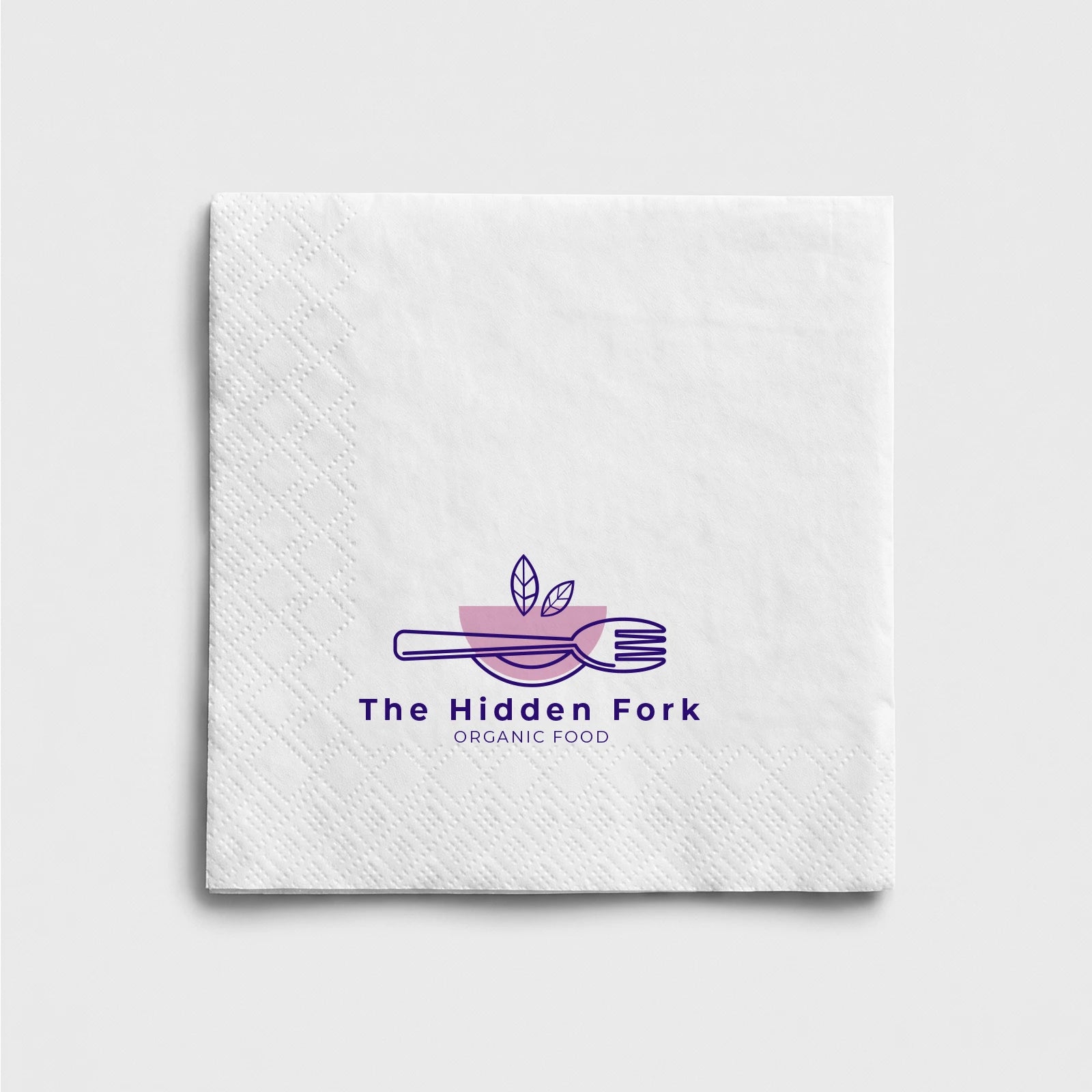
Printed Napkins as Part of a Food Packaging System
Napkins are not primary food containers, but they are part of the wider customer experience for restaurants, cafés, takeaway businesses and catering operations.
When branded consistently with boxes, wrapping paper or other food-service items, printed napkins can support the same visual identity across dine-in and takeaway orders.
Businesses specifically comparing napkin sizes, formats and printing should use the dedicated Custom Printed Paper Napkins collection.
Food Packaging Printing & Logo Customisation
Food packaging printing allows logos, brand colours, patterns and other artwork to be applied to packaging that would otherwise be generic.
The appropriate print approach depends on the exact product. A greaseproof sheet, paper pouch and rigid food box are different substrates and should not be expected to use identical printing specifications.
When preparing printed food packaging, consider:
- Logo visibility
- Brand colours
- Artwork complexity
- Print area
- Folds and closure points
- How the packaging is held or opened
- Which surfaces customers actually see
Custom printed food packaging works best when the design is created around the physical packaging rather than simply placing an existing flat graphic onto every available surface.
Food Packaging With Logo vs Full Branded Artwork
A simple food packaging with logo design can be enough for many restaurants. A clearly positioned logo repeated consistently across key packaging items can create strong recognition without overcomplicating production or presentation.
Other food brands may use:
- Repeating patterns
- Illustrations
- Full brand colours
- Typography-led designs
- Campaign artwork
- Product-specific graphics
The right level of customisation depends on the brand. More artwork is not automatically better; the aim should be packaging that remains recognisable, readable and appropriate to the food being served.
Branded Takeaway Boxes & Complete Takeaway Packaging
Branded takeaway boxes are often the most visible element of an order, but a complete takeaway system may involve more than a box.
An order can include:
- A box or pouch for the individual food item
- Greaseproof paper or a liner
- A separate container for side dishes
- Napkins
- An outer takeaway bag
The best system uses only the components required to keep the order practical, organised and recognisable.
Businesses should avoid adding layers purely to create an unboxing effect if those layers do not improve food handling, protection or presentation.
Custom Packaging vs Custom Food Packaging
Custom packaging is a very broad term that can include retail, ecommerce, shipping, cosmetics, gifts and many other product categories. Custom food packaging is more specific because the packaging is selected around food service and food-related handling requirements.
This Food Packaging hub should therefore remain focused on:
- Restaurants
- Takeaways
- Fast food
- Cafés
- Bakeries
- Food delivery
- Street food
- Catering
- Food brands
That distinction helps the page remain relevant to its own search intent rather than competing with broader packaging categories elsewhere on the site.
Food Packaging for Cafés, Bakeries & Delis
Cafés, bakeries and delis frequently need several packaging formats because their menus can combine sandwiches, pastries, baked goods, hot food and takeaway drinks.
Instead of selecting packaging one item at a time with no overall plan, these businesses should consider which formats can sensibly cover several menu products.
A practical system may use:
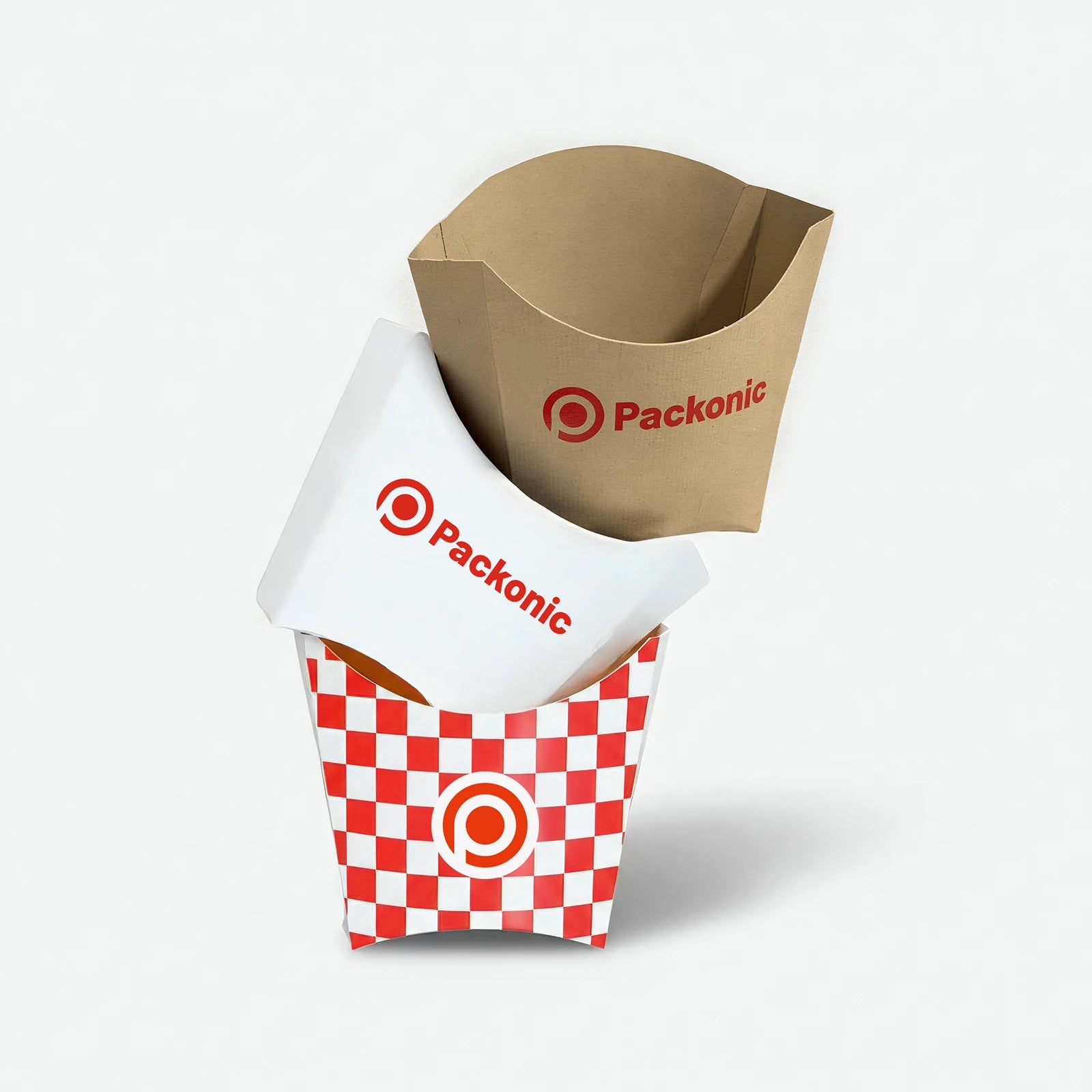
- Paper food pouches for selected handheld foods
- Greaseproof paper for wrapping and lining
- Food boxes for products requiring more structure
- Napkins and other supporting service items
Using a consistent brand design across these formats can make a varied menu feel like part of one business rather than several disconnected packaging systems.
Custom Packaging for Burger Restaurants
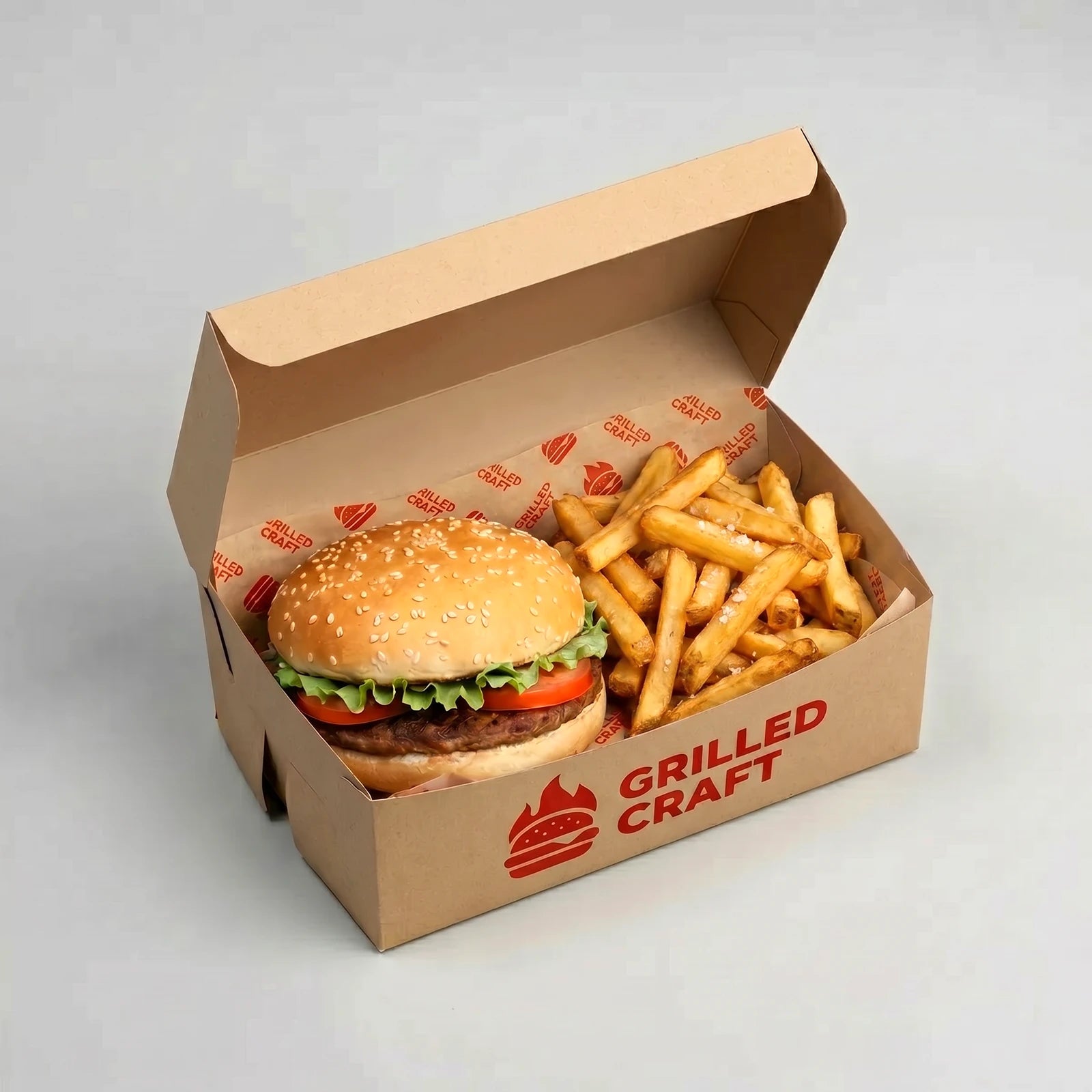
Burger businesses often use a combination of boxes, bags, greaseproof paper, fry packaging, trays and outer takeaway bags.
The correct combination depends on the menu and service model. A dine-in burger served in a basket has a different packaging requirement from the same burger travelling through a delivery network.
For this reason, the broad Food Packaging category can help plan the overall system while specialist Burger Boxes and Burger Bags categories handle their own detailed product searches.
Custom Packaging for Pizza Businesses
Pizza businesses may need packaging for full pizzas, individual slices, side dishes and delivery orders.
Pizza boxes usually form the core packaging format, but supporting products can also be required depending on the menu.
When planning pizza packaging, consider:
- Pizza sizes
- Collection vs delivery
- Storage space for flat boxes
- Assembly speed
- Side-order packaging
- Brand consistency
The dedicated Pizza Boxes collection should own detailed pizza-box search intent while this hub keeps pizza within the broader restaurant packaging architecture.
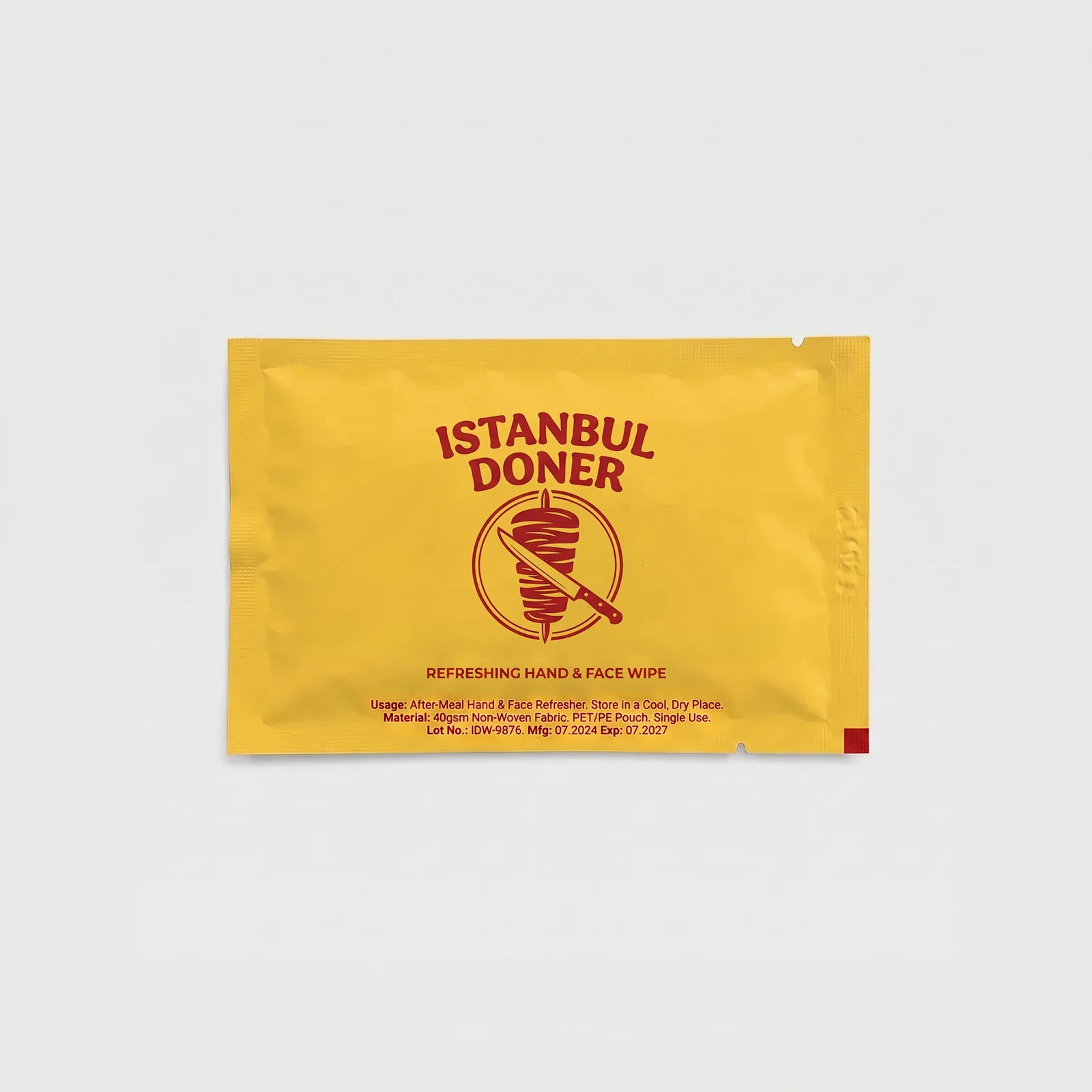
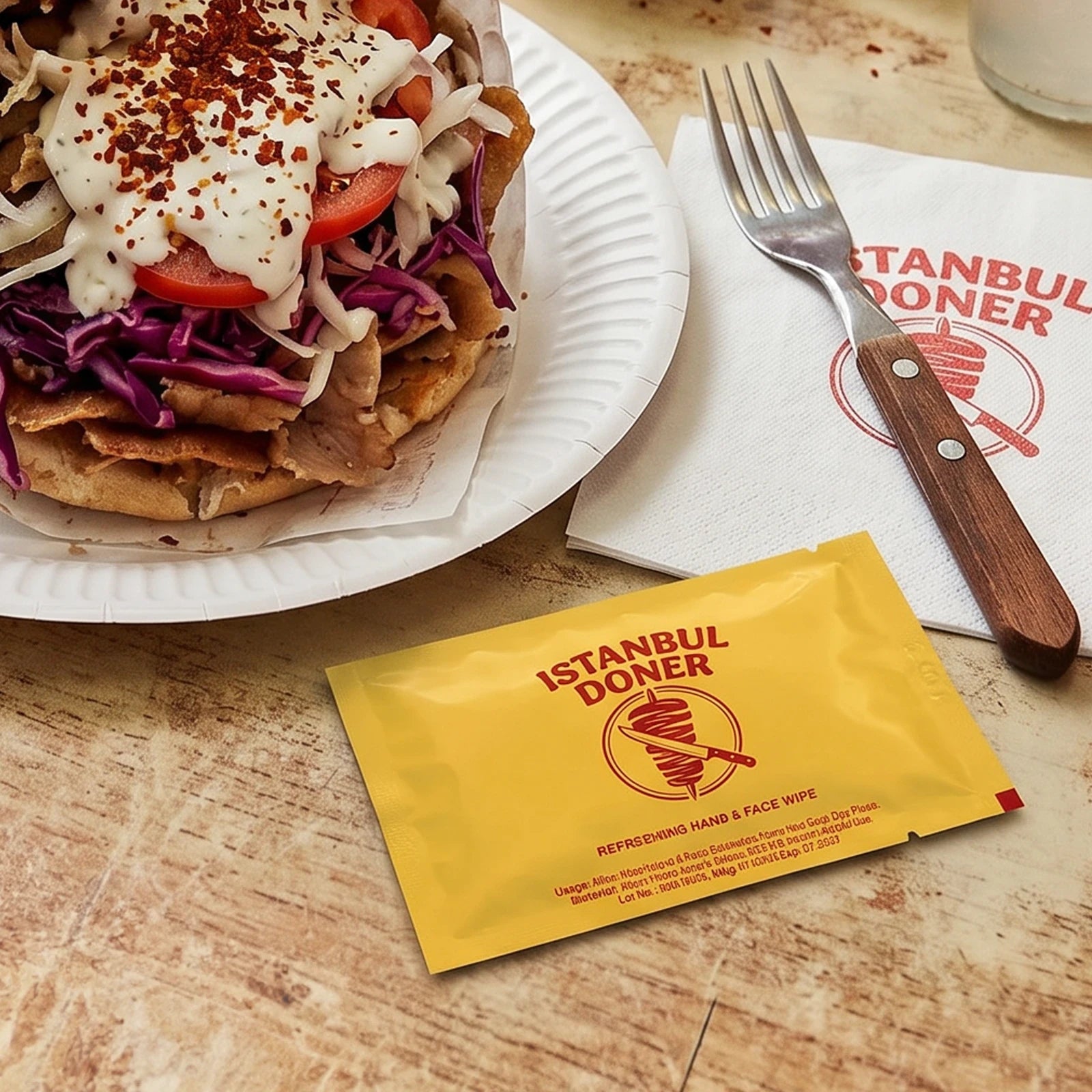
Custom Packaging for Kebab, Doner & Street Food Businesses
Kebab, doner and street food businesses often work in high-speed environments where packaging must be quick for staff to use and convenient for customers to handle.
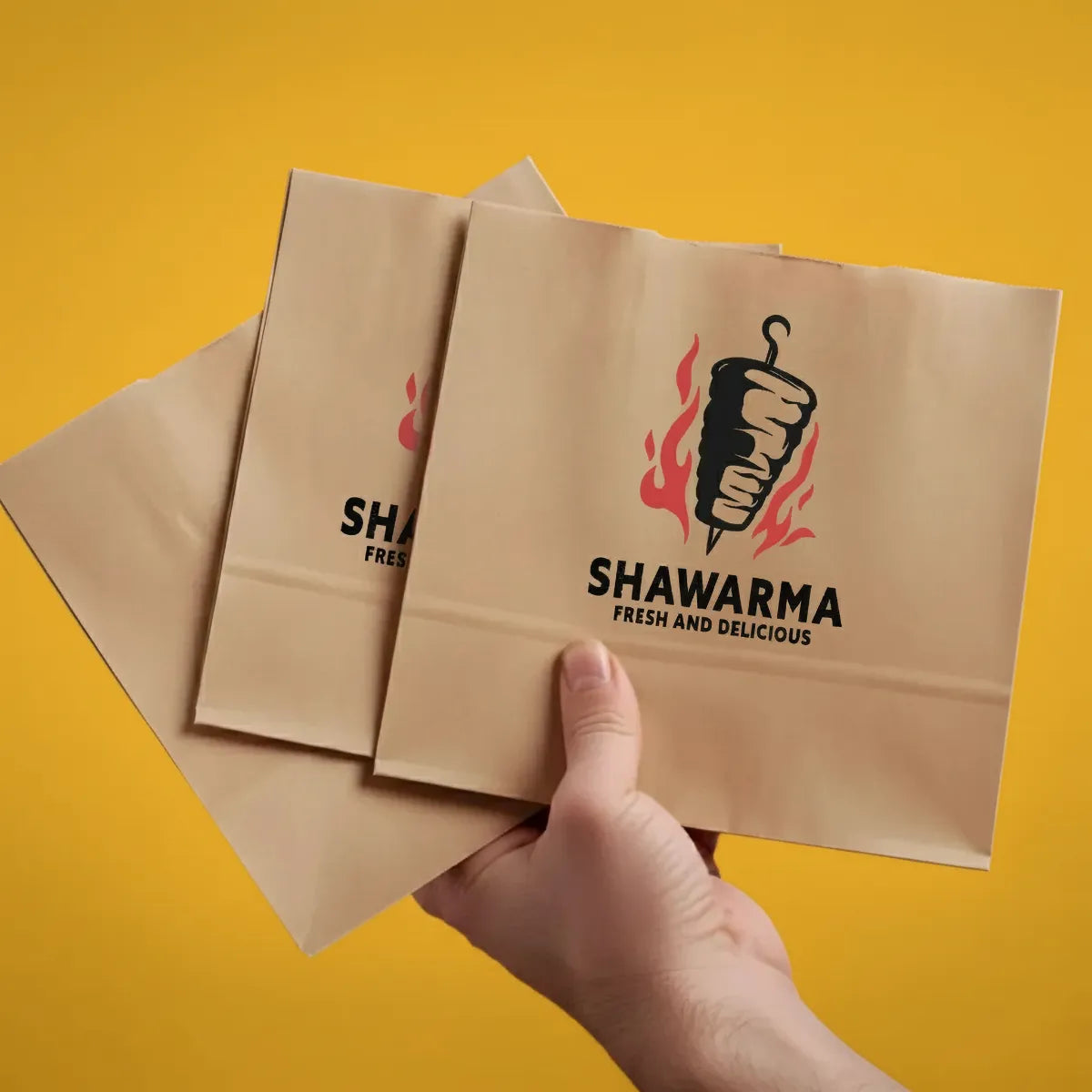
Depending on the menu, suitable formats may include paper bags, pouches, greaseproof wraps, trays and food boxes.
The decision should be based on the specific item rather than assuming one packaging format can handle every part of the menu.
For street food businesses in particular, compact storage and fast assembly can be as important as branding because preparation space may be limited.
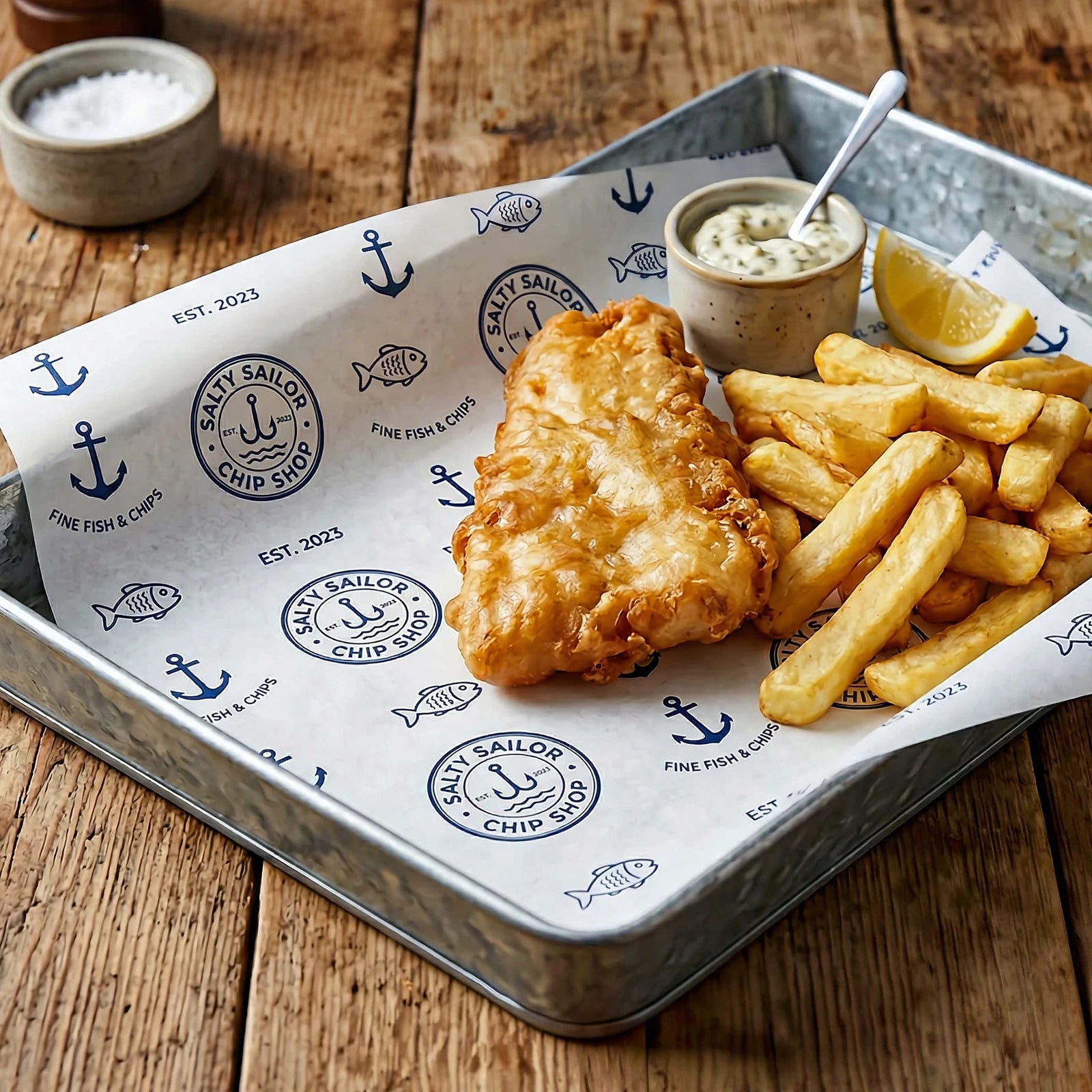
Custom Packaging for Fish & Chips and Fried Food
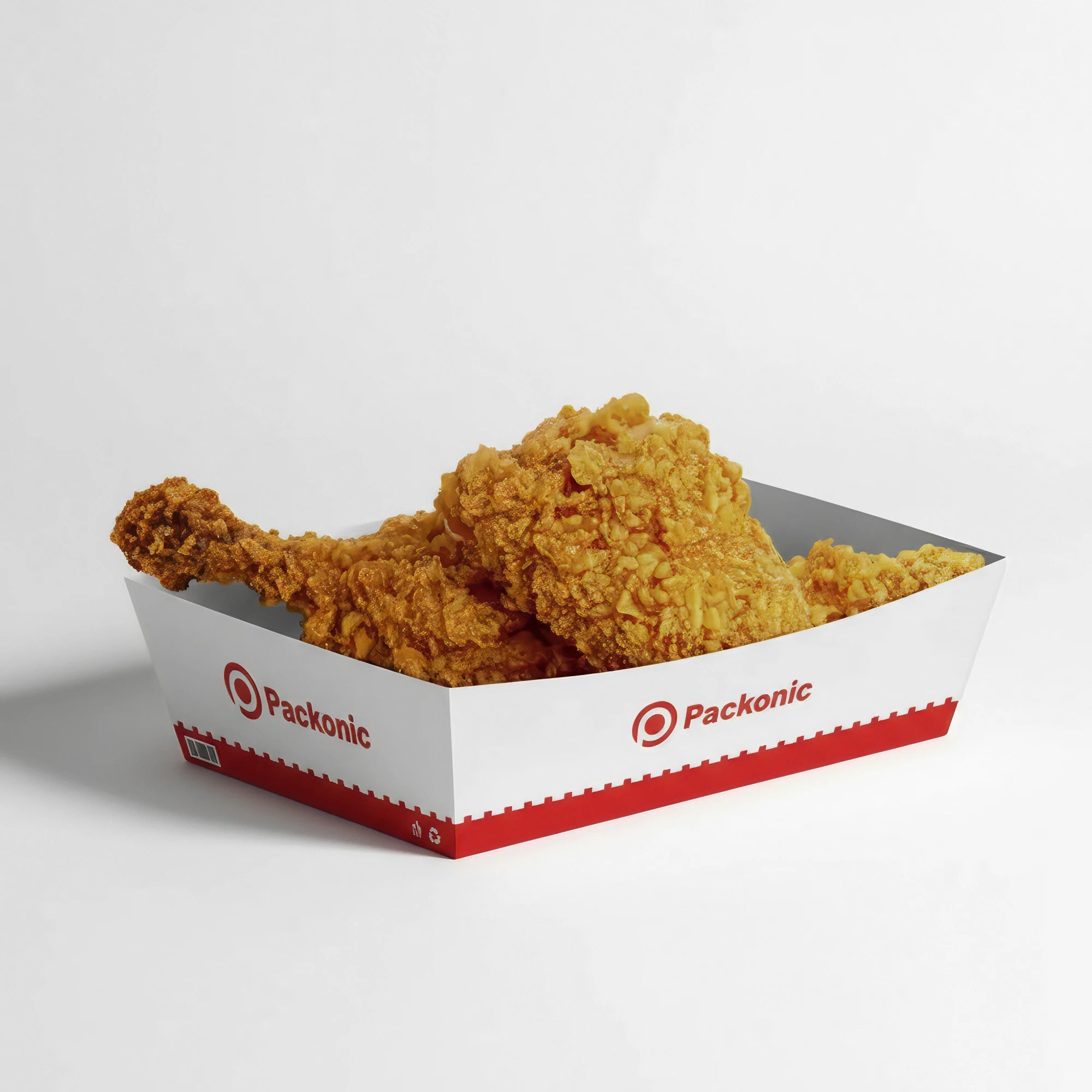
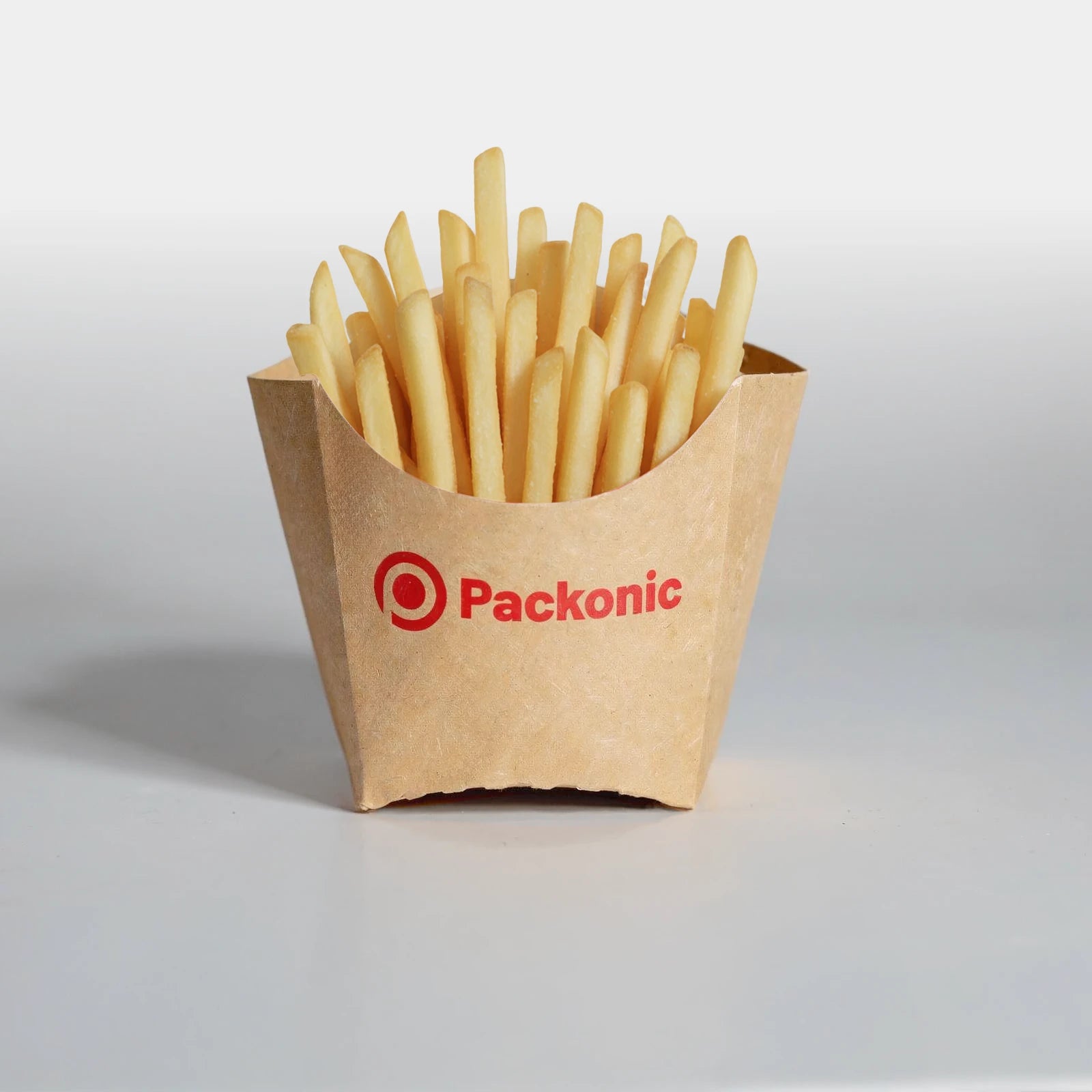
Fried food creates additional grease-management requirements. Fish and chip shops, fried chicken businesses and similar takeaways should select packaging around portion size, oil, ventilation requirements where applicable and the way the food is carried.
Possible formats can include:
- Food boxes
- Trays
- Paper pouches
- Greaseproof wrapping
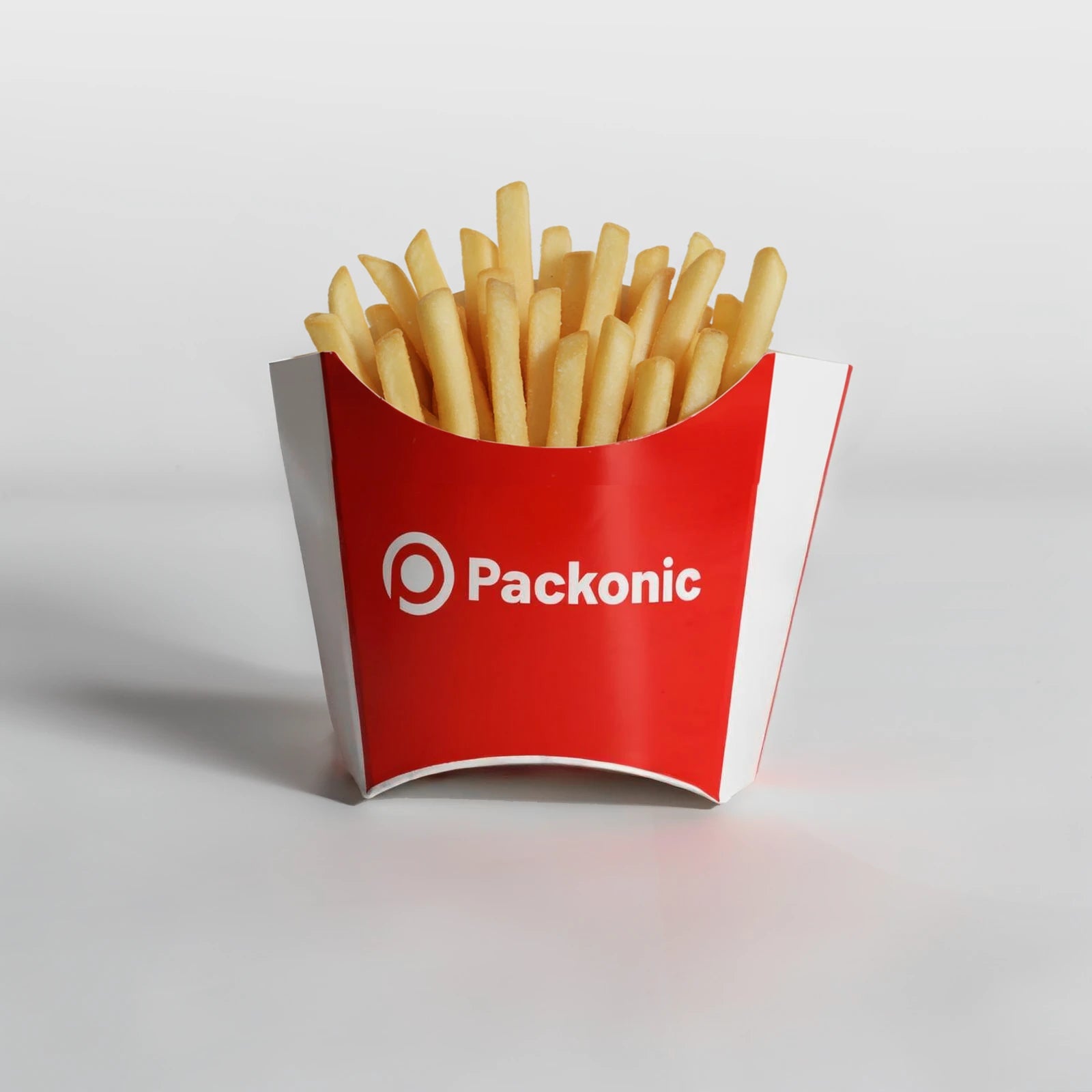
- Fry boxes and bags
The food itself should determine the packaging structure first. Branding can then be added without compromising the intended handling of the product.
Custom Packaging for Street Food, Food Trucks & Events
Street food, food trucks and event catering place unusual pressure on packaging because operators often work in smaller preparation spaces while serving high customer volumes in short periods.
Useful characteristics include:
- Compact storage
- Fast assembly
- Easy handover
- Simple portion matching
- Comfortable handheld use
- Clear visible branding
Boxes, trays, wraps and pouches can all play a role depending on the food being sold.
Food Packaging for Dark Kitchens & Delivery-First Brands
For dark kitchens and delivery-first businesses, packaging often performs more of the customer-facing brand role because there may be no traditional restaurant environment for customers to experience.
Food packaging branding can therefore help create continuity between the digital ordering experience and the meal that arrives.
Delivery-first businesses should give particular attention to:
- Product-to-package fit
- Order organisation
- Closure
- Stacking
- Transport conditions
- Clear identification of different menu items
- Consistent branding across the complete order
This is where packaging needs to work as part of the operation, not simply as printed advertising.
Food Packaging for Catering & Hospitality
Catering and hospitality businesses may need packaging for larger order volumes, events, conferences, private catering and temporary service environments.
These operations should consider not only individual food packaging but how hundreds of portions will be stored, prepared, distributed and cleared efficiently.
Standardising a smaller number of proven packaging formats can be especially useful where different staff members are preparing and serving the same items across several stations.
Online Grocery Packaging & Prepared Food Orders
Online grocery packaging can involve a much broader range of products than restaurant takeaway packaging, particularly where fresh, ambient, chilled or prepared foods are sold together.
The Food Packaging collection can be relevant to prepared foods and food-service items, but businesses selling grocery products should select packaging according to the exact product and storage conditions rather than assuming standard takeaway packaging suits every grocery application.
This distinction becomes especially important where shelf life, refrigeration, sealing or other specialised requirements apply.
What About Custom Frozen Food Packaging?
Custom frozen food packaging has requirements that may differ from ordinary takeaway packaging because materials can be exposed to low temperatures, moisture and longer storage periods.
Businesses requiring frozen-food packaging should therefore confirm that the specific packaging product is suitable for the intended storage and food conditions before ordering.
A standard food box or printed paper package should not automatically be described as suitable for freezing simply because it is food packaging.
How Do I Choose the Right Food Packaging?
The correct customised food packaging begins with the food and service workflow rather than the artwork.
Before choosing a product, consider:
- Food type: Burger, pizza, sandwich, fries, pastry, full meal or another product?
- Portion size: What are the actual dimensions and volume?
- Grease: How much oil or sauce does the food release?
- Moisture: Is condensation or moisture likely to affect the packaging?
- Temperature: How will the food be served and transported?
- Service: Dine-in, takeaway, collection or delivery?
- Journey: How long is the product likely to stay packaged?
- Handling: Will products be stacked or carried together?
- Assembly: How quickly does staff need to prepare the packaging?
- Branding: Which surface will customers actually see?
- Volume: How much packaging will the business realistically use?
Answering these questions usually narrows the choice more effectively than beginning with appearance alone.
How Should Food Packaging Fit the Product?
Packaging that is much larger than the food can create excessive movement and unnecessary material use. Packaging that is too small can make closing difficult, affect presentation and slow staff during service.
The ideal fit should account for:
- Food dimensions
- Portion variation
- Any wrapping or liner used inside
- Side dishes or accompaniments
- How the customer will eat the food
- Whether the item will be transported
A business with a large menu does not necessarily need a unique package for every item. Where practical, several similar products can share a packaging size as long as performance and presentation remain appropriate.
Boxes, Trays, Wraps or Pouches: Which Format Should You Choose?
Each food packaging format performs a different role.
- Boxes provide more structure and enclosure for meals and products that need support.
- Trays suit foods served openly and eaten directly from the packaging.
- Greaseproof sheets and wraps provide flexible wrapping or lining.
- Paper pouches can support fast service for selected handheld and grab-and-go foods.
- Bags can package individual items or carry several packaged products together depending on the design.
The right answer depends on the food rather than which packaging format is currently most popular.
How Should Multiple Food Packaging Products Work Together?
A complete takeaway order may use several packaging components, but they should work as one system.
For example:
- Burger box + fries packaging + outer takeaway bag
- Pizza box + side-order packaging + napkins
- Sandwich pouch + bakery packaging + carrying bag
- Food tray + greaseproof liner + takeaway bag
Each component should have a clear role. If an additional item does not improve handling, food presentation, protection or useful branding, it may not be necessary.
Custom Food Packaging for Small & Growing Businesses
Smaller food businesses need to balance branding with storage space and order volume.
A new takeaway or café may benefit from keeping the packaging system relatively simple at first:
- Prioritise the highest-selling menu items
- Use shared packaging sizes where practical
- Customise the most visible formats first
- Avoid holding excessive quantities of rarely used packaging
- Allow flexibility while the menu is still changing
As sales become more predictable, packaging can be expanded or specialised around proven products and service patterns.
Wholesale Food Packaging for Higher-Volume Businesses
Food packaging wholesale becomes more relevant when a restaurant group, franchise, catering company or high-volume takeaway uses the same formats consistently.
Before moving into larger orders, consider:
- Average weekly and monthly consumption
- Storage capacity
- Number of business locations
- Menu changes
- Seasonal demand
- Upcoming rebrands
- How quickly printed stock will be used
Minimum quantities differ considerably between packaging products, so one MOQ should not be assumed across the complete Food Packaging collection.
Food Packaging for Multi-Site Restaurants & Franchise Operations
Multi-site businesses need packaging that can be repeated consistently across different teams and locations.
Useful areas to standardise include:
- Core packaging formats
- Product-to-package matching
- Packaging dimensions
- Artwork files
- Logo placement
- Brand colours
- Reordering specifications
Standardisation does not mean every menu item needs the same packaging. It means the business establishes clear packaging rules that can be reproduced reliably across locations.
How Can Food Packaging Support Faster Service?
The best packaging should be easy for staff to recognise and use during peak service periods.
Businesses can improve workflow by:
- Keeping frequently used packaging close to the packing station
- Reducing unnecessary packaging size variations
- Matching menu items to packaging clearly
- Choosing structures appropriate to expected service speed
- Separating similar-looking formats where mistakes could occur
- Keeping reordering specifications consistent
Small operational improvements become increasingly important as daily order volume grows.
How Can Food Packaging Reduce Unnecessary Material?
A more efficient packaging system does not necessarily mean adding more layers.
Businesses can review:
- Whether boxes are substantially larger than the food
- Whether an inner wrap is genuinely required
- Whether one package can serve several similar menu items
- Whether a rigid box is necessary where a pouch or wrap would perform the required job
- Whether decorative layers provide useful value
Good packaging design is often about using the appropriate format rather than using the greatest amount of packaging.
Food Packaging Design for Brand Consistency
Branded food packaging design should connect visually with the identity customers already recognise from the restaurant or food brand.
Consider:
- Logo placement
- Brand colours
- Typography
- Patterns
- Artwork scale
- Contrast and readability
- How several different packaging formats look together
A burger box, greaseproof sheet and paper pouch do not need identical artwork, but they should look as though they belong to the same brand.
Custom Food Packaging for Seasonal Menus & Campaigns
Seasonal menus, limited products, festivals and promotional campaigns can create temporary packaging requirements.
Before creating a completely separate printed range, businesses should consider:
- Expected campaign volume
- How long the design will remain relevant
- Whether unused packaging can be used afterwards
- Whether one supporting branded element could create the required seasonal change
This can reduce the risk of holding large quantities of printed packaging once a campaign or menu item has ended.
How to Build a Complete Branded Food Packaging System
A practical branded food packaging system can be developed in a clear order:
- Map the menu: Identify the foods and portion sizes that require packaging.
- Group similar items: Determine where several products can reasonably use the same format.
- Select the packaging type: Box, tray, pouch, bag, wrap or liner.
- Consider service conditions: Dine-in, collection, takeaway or delivery.
- Check handling requirements: Grease, moisture, stacking and transport.
- Plan the branding: Decide which packaging elements should carry the strongest visual identity.
- Estimate quantities: Base ordering on actual sales and storage capacity.
- Standardise successful formats: Keep specifications clear for repeat ordering and staff training.
This creates a packaging system built around how the business actually prepares and sells food rather than selecting every item independently.
Which Food Packaging Category Should I Choose?
If you already know the format your business requires, move into the relevant specialist category for detailed product specifications and purchasing information:
If you are still deciding, start with the food itself. Consider portion size, grease, moisture, service method and delivery requirements, then choose the packaging family that solves those needs before comparing print and design options.
Custom Food Packaging UK for a Complete Food-Service Brand
Custom food packaging UK businesses use effectively should connect operational performance with recognisable branding. Restaurants need packaging that staff can use quickly. Takeaways need formats that remain practical after the order leaves the counter. Delivery businesses need packaging that continues to perform in transit. Food brands need all of these elements to feel connected visually.
This is why custom food packaging, customised food packaging, personalised food packaging, bespoke food packaging, custom printed food packaging and branded food packaging should not be treated simply as different ways to place a logo on a package. The real value comes from choosing the correct format first and then applying branding in a way that supports the complete customer experience.
The Packonic Food Packaging collection provides the broad route for businesses planning that system, while specialist categories handle the detailed buying intent for food boxes, burger packaging, pizza boxes, greaseproof paper, food pouches and other individual formats.