

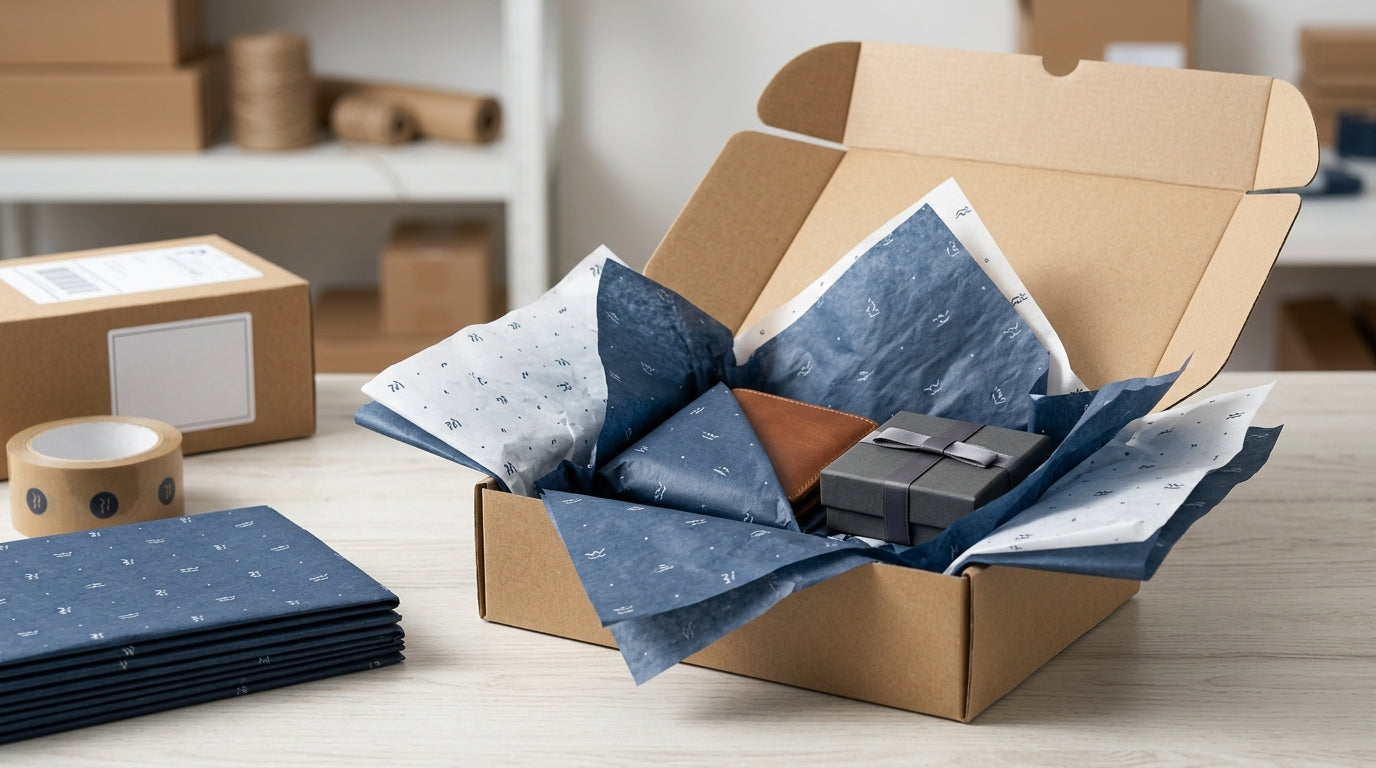
In the rapidly evolving landscape of United Kingdom retail and e-commerce, the first physical touchpoint between a brand and a customer is no longer the shop floor, but the moment a delivery box is opened. This "unboxing experience" has become a pivotal element of brand loyalty. Central to this experience is tissue paper—a versatile, elegant, and functional material that does far more than simply fill space. Whether you are a boutique owner in London or a nationwide e-commerce giant, understanding the nuances of packaging tissue paper is essential for modern product presentation.
As we move through 2026, the expectations for sustainable, aesthetically pleasing, and protective packaging have never been higher. Tissue paper serves as the delicate layer of anticipation, protecting the contents from scratches while signaling to the consumer that the item inside is of high value. In this comprehensive guide, we will explore the technical specifications, branding potential, and environmental considerations of tissue paper, providing you with the insights needed to elevate your packaging strategy.
From the weight of the paper (GSM) to the intricacies of custom printing and sustainable sourcing, every detail matters. We will look at how high-end brands leverage branded tissue paper to create a sensory experience that resonates with customers long after the package has been opened. By the end of this analysis, you will have a professional framework for selecting the ideal tissue paper for your specific business needs, ensuring that your products are not only protected but also presented with the prestige they deserve.
The Evolution of Tissue Paper in Modern Packaging
Historically, tissue paper was viewed as a utility item—a thin sheet used primarily for wrapping fragile items like glassware or separating layers of clothing to prevent wrinkles. However, the retail revolution of the last decade has repositioned tissue paper as a cornerstone of brand identity. In 2026, it is rare to receive a luxury or high-street fashion order that isn't meticulously wrapped in high-quality packaging tissue paper.
The reason for this shift is psychological. When you wrap a product in tissue paper, you are creating a "gift" experience for the customer. It forces a momentary pause in the unboxing process, building excitement. For brands, this translates to higher customer satisfaction scores and increased social media visibility, as "unboxing" videos continue to dominate digital marketing trends.
Why Every Brand Needs a Tissue Strategy
In the UK market, competition is fierce. Consumers are increasingly discerning about where they spend their money, often choosing brands that demonstrate attention to detail and environmental responsibility. Tissue paper bridges these two demands. It is lightweight, which keeps shipping costs down, yet it provides a premium feel that plastic alternatives cannot match.
Furthermore, tissue paper is highly customisable. With modern printing techniques, you can now achieve photographic quality on these thin sheets, allowing for complex logos, seasonal patterns, or even QR codes that lead customers back to your digital storefront. This integration of physical and digital brand touchpoints is a hallmark of the 2026 retail environment.
Defining Tissue Paper: More Than Just Thin Paper
To the untrained eye, all tissue paper might look the same. However, for a professional brand manager or business owner, the differences are significant. Tissue paper is a lightweight paper produced from wood pulp or recycled paper fibres. Its defining characteristic is its "caliper" or thickness, which is significantly lower than standard printing paper.
Technical Characteristics
The quality of tissue paper is typically measured in GSM (Grams per Square Metre). For packaging purposes, the standard range is between 14gsm and 30gsm.
- 14-17 GSM: Very thin and translucent. This is often used for delicate jewellery or as a light decorative layer.
- 18-22 GSM: The industry standard for high-quality retail. It offers a good balance between strength and transparency.
- 25-30 GSM: A thicker, more robust paper. This is ideal for heavier items or when you want a completely opaque look.
The "finish" of the paper also plays a role. You might choose a MF (Machine Finished) tissue, which has a matte appearance on both sides, or an MG (Machine Glazed) tissue, which is shiny on one side and matte on the other. MG tissue is particularly popular for premium packaging tissue as the glazed side provides a superior surface for printing logos and intricate designs.
| Feature | Standard Tissue Paper | Premium Packaging Tissue |
|---|---|---|
| Pulp Quality | Recycled / Low grade | Virgin wood pulp or High-grade Recycled |
| Acid Content | Often acidic | Acid-free (pH Neutral) |
| Bleed Resistance | Low (ink may run) | High (ink-lock technology) |
| Texture | Rough / Fibrous | Silky / Smooth |
| Durability | Tears easily | High tensile strength |
The Role of Branded Tissue Paper in Customer Retention
In 2026, your packaging is your silent salesman. Branded tissue paper acts as a signature. When a customer sees a beautifully printed sheet of tissue paper with your logo, they immediately associate it with quality. This is particularly important for e-commerce brands that do not have a physical store presence.
Increasing Perceived Value
A study of UK consumer habits indicates that products wrapped in branded tissue paper are perceived to be up to 25% more valuable than those shipped in plain boxes. This "perceived value" allows brands to maintain premium pricing models. When you invest in custom tissue paper, you are not just buying paper; you are buying a marketing tool that reinforces your brand’s prestige.
Emotional Connection
The tactile nature of tissue paper—the sound of it rustling, the feel of the texture, and the visual appeal of the print—engages multiple senses. This sensory engagement helps in building an emotional connection with the customer. We recommend that you consider the "crinkle" factor; high-quality tissue paper has a distinct, crisp sound that signals freshness and newness.
Types of Tissue Paper for the UK Retail Market
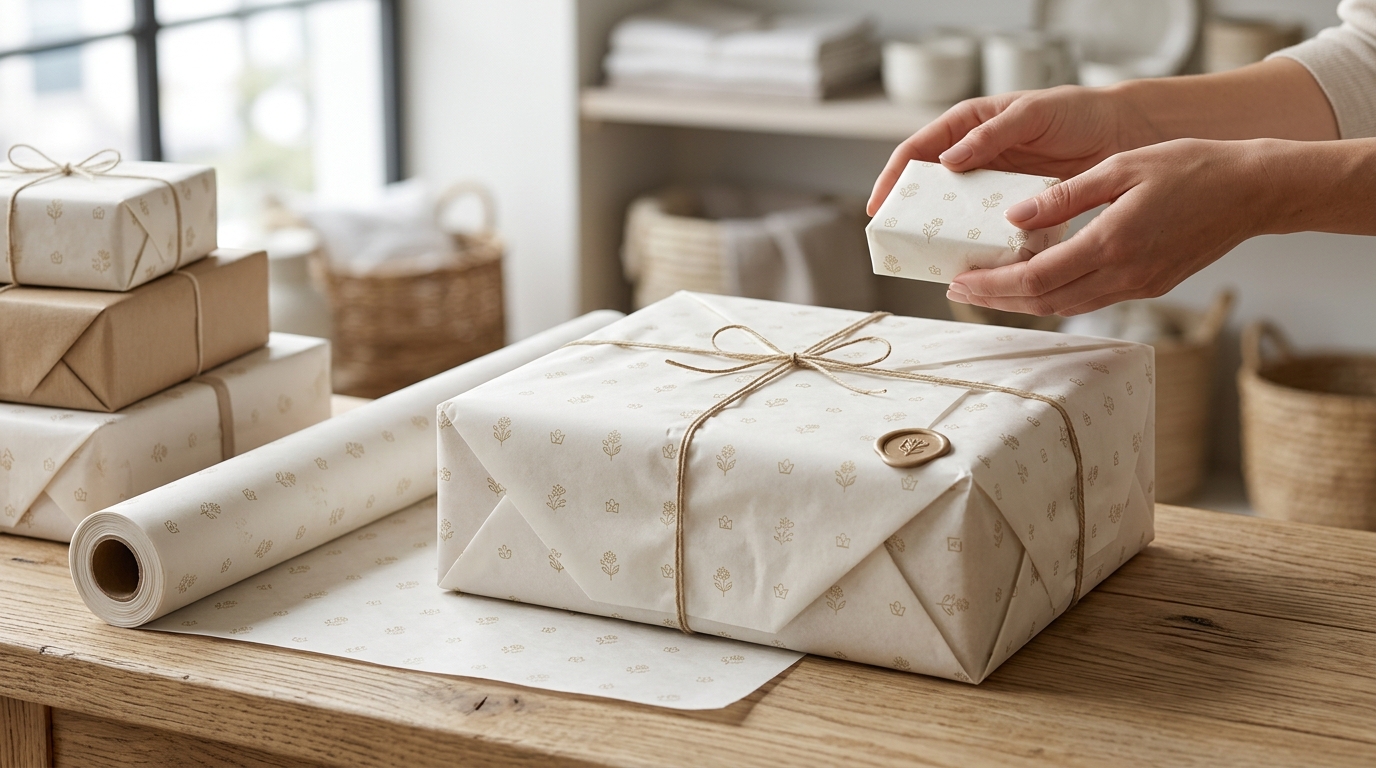
There is no "one size fits all" solution when it comes to wrapping tissue paper. Different products require different specifications to ensure they remain in pristine condition.
1. Acid-Free Tissue Paper
This is perhaps the most critical type for high-end retailers. Standard paper contains acidity that can, over time, yellow or damage delicate fabrics, metals, and photographs. Acid-free tissue paper is pH-neutral. If you are selling wedding dresses, fine silks, or sterling silver jewellery, using acid-free options is non-negotiable to prevent tarnishing and discolouration.
2. Printed Tissue Paper
This involves applying ink to the tissue surface. In the past, printing on such thin material was difficult, but advances in flexographic and digital printing have made custom tissue paper accessible to small businesses. You can choose from:
- Step and Repeat Logos: A classic look where your logo is printed in a grid pattern.
- Full Coverage: The entire sheet is printed in a specific brand colour.
- Metallic Finishes: Gold and silver inks add a layer of luxury packaging tissue that is perfect for holiday seasons.
3. Sustainable and Recycled Tissue Paper
With the UK's stringent environmental regulations and the consumer push for "Green Retail" in 2026, sustainable options are leading the market. Modern recycled tissue paper no longer feels "cheap" or "rough." High-end suppliers like Packonic now offer recycled variants that are indistinguishable from virgin pulp paper, ensuring your brand stays eco-friendly without sacrificing luxury.
Choosing the Right GSM for Your Product
One of the most common mistakes businesses make is choosing the wrong weight (GSM) for their packaging inserts. If the paper is too thin, it may tear during the wrapping process. If it is too thick, it may feel like standard wrapping paper and lose its "tissue" elegance.
Application Guide:
- Fashion & Apparel: We recommend 17-20 GSM. This provides enough strength to wrap around folded garments while remaining soft enough to drape elegantly.
- Cosmetics & Beauty: 14-17 GSM works best here. Smaller items look better when nestled in finer, more delicate folds.
- Glassware & Ceramics: 22-30 GSM or double-layering. You need the extra thickness to provide a cushion against vibrations during transit.
- Footwear: 18-20 GSM is the standard for stuffing shoes and wrapping the pair inside the shoebox.
The Functional Benefits: Protection and Preservation
While aesthetics are a major driver, we must not forget that tissue paper is a functional tool. In the logistics chain, products are subjected to movement, friction, and humidity.
Preventing Scratches and Scuffs
In the UK's busy courier networks, boxes are often tossed and stacked. Even within a snug-fitting box, items can shift. Premium packaging inserts made of tissue paper act as a soft barrier. For leather goods or polished plastics, this prevents "scuffing"—the small abrasions that occur when surfaces rub against cardboard.
Moisture Regulation
Wood-pulp based tissue paper has natural hygroscopic properties, meaning it can absorb small amounts of moisture. This is vital when shipping goods across different climates or storing them in warehouses. It helps maintain a stable micro-environment for the product, preventing the "musty" smell that can sometimes affect textiles.
Custom Tissue Paper: A Strategic Branding Asset
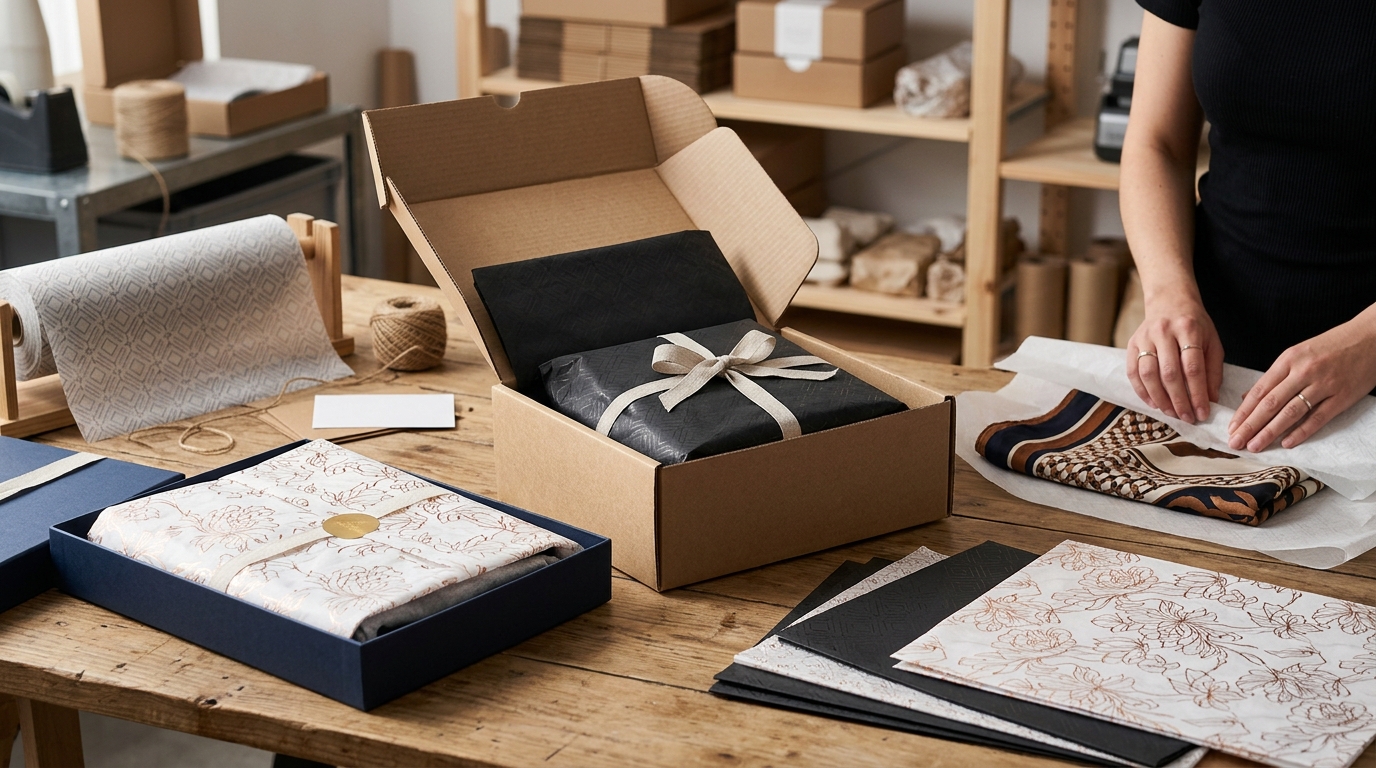
When you decide to move from plain to custom tissue paper, you are making a strategic investment. In 2026, customisation is no longer a luxury reserved for the likes of Harrods or Selfridges; it is a tool for every ambitious SME.
Design Considerations
When designing your printed tissue paper, consider the following:
- Logo Scale: A logo that is too large can look aggressive. A subtle, repeated pattern usually feels more sophisticated.
- Colour Palette: Use your brand’s primary colours, but remember that the translucency of the paper will affect how the colour appears. A dark navy on a 17 GSM white sheet may appear as a slightly lighter blue.
- Ink Type: Ensure your supplier uses soy-based or water-based inks. These are not only better for the environment but also lack the chemical smell that can sometimes linger on petroleum-based inks.
Packonic has been at the forefront of this transition, helping brands integrate their visual identity into their packaging through advanced printing technologies that ensure crisp lines and vibrant colours even on the thinnest of substrates.
Sustainability: The 2026 UK Standard
The UK government's commitment to a circular economy has fundamentally changed how packaging is manufactured. By 2026, "plastic-free" is no longer a goal but a standard expectation. Tissue paper is naturally positioned as a hero material in this eco-conscious era.
Is Tissue Paper Recyclable?
Most tissue paper is recyclable in the UK, provided it is not coated with plastic or excessive glitter/foil. However, because the fibres are already quite short (due to the thinning process), it is often better suited for composting. Many premium brands now include a small "Please Compost Me" or "Widely Recycled" note on the edge of the tissue paper to guide the consumer.
FSC Certification
When sourcing your material, look for the Forest Stewardship Council (FSC) mark. This ensures that the wood pulp used in your tissue paper comes from responsibly managed forests. Using FSC-certified tissue paper is a powerful way to demonstrate your brand's commitment to global conservation efforts.
| Material Type | Biodegradability | Recyclability | Carbon Footprint |
|---|---|---|---|
| Virgin Wood Pulp | High | High | Moderate |
| Recycled Pulp | High | Moderate | Low |
| FSC Certified | High | High | Low |
| Plastic Film/Wrap | Zero | Low/Difficult | High |
Industry Use Cases: Who Uses Tissue Paper?
The versatility of tissue paper makes it applicable across almost every retail sector. Here are some real-world applications we see dominating the UK market in 2026.
Luxury Fashion
In high-end fashion, the wrapping tissue paper is often scented. This creates an olfactive branding experience. When the customer opens the box, a signature scent is released, immediately triggering brand recognition.
Subscription Box Services
Subscription boxes rely heavily on the "reveal." Layers of brightly coloured or branded tissue paper are used to hide the contents, making the discovery of each item a mini-event. It also serves to fill the gaps in the box, preventing items from rattling during delivery.
Artisanal Food & Drink
While not used for direct food contact (unless specifically greaseproof-treated), tissue paper is used to wrap artisanal wine bottles, luxury chocolate boxes, and specialty coffee beans. It adds a "hand-crafted" feel to the product.
Floristry
Modern UK florists use heavy-duty, water-resistant tissue paper to wrap bouquets. This provides a soft, colourful backdrop that enhances the natural beauty of the flowers while protecting the delicate petals during transport.
Step-by-Step Guide to Choosing the Right Tissue Paper
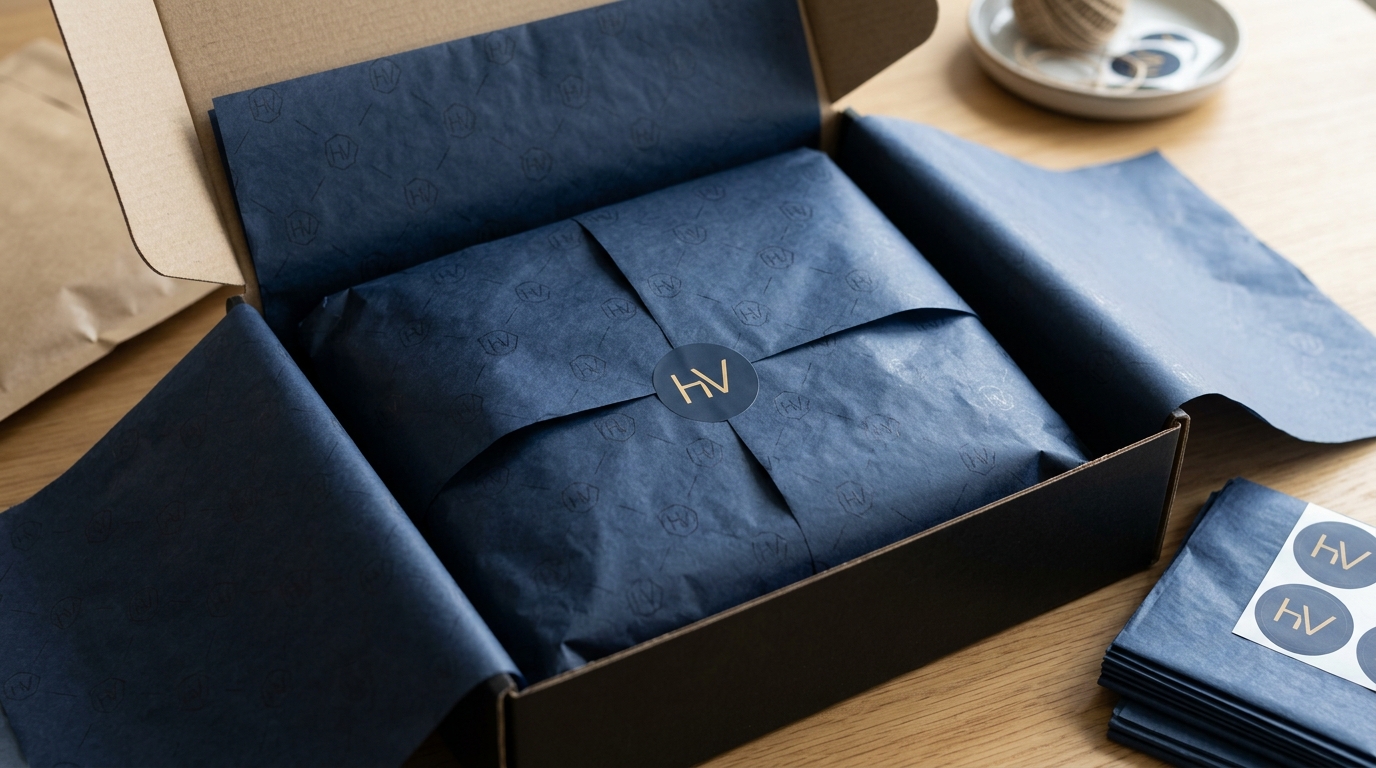
Selecting the right supplier and product can be daunting. We have developed this checklist to help you navigate the process.
- Identify the Primary Goal: Are you looking for protection, or is this purely for branding?
- Determine the GSM: Use the guide provided earlier to match the weight to your product's weight and fragility.
- Check for Acid-Free Status: Especially if your products are meant to be stored for long periods in the packaging.
- Review the Print Capabilities: If you want custom tissue paper, ask for samples of previous work to check for ink clarity and "bleed" (where ink spreads unintentionally).
- Evaluate Sustainability: Ensure the paper is FSC-certified and the inks are eco-friendly.
- Calculate Quantities: Retailers often over-order. Consider your storage space. However, buying in bulk typically reduces the price per sheet significantly.
Common Mistakes to Avoid
Even with the best intentions, packaging can go wrong. Here are the most frequent errors we see in the industry:
- Using Too Much Paper: While it looks nice, excessive use of tissue paper can be seen as wasteful by eco-conscious consumers. Aim for two to three sheets per average-sized item.
- Poor Colour Choice: Using a dark-coloured tissue paper with a product that has light-coloured fabrics can occasionally lead to colour transfer if the paper gets damp. Always ask for "colour-fast" or "bleed-resistant" tissue.
- Ignoring the Box Size: If your tissue paper sheets are too small for your shipping boxes, the "wrap" will look messy and unfinished. Ensure your sheets are at least 1.5 times the size of the product you are wrapping.
- Neglecting the Supplier's Reputation: Not all paper is created equal. Working with an established authority like Packonic ensures that the GSM, ink quality, and sustainability standards are met consistently across every batch.
Expert Insights:
The Future of Tissue Paper in 2027 and Beyond
As we look toward the end of the decade, the technology behind tissue paper continues to advance. We are beginning to see "smart tissue"—paper that is embedded with subtle, almost invisible markers that can be scanned by a smartphone to verify product authenticity. This is particularly relevant for the luxury goods market in the UK to combat counterfeiting.
Furthermore, we expect to see a rise in "seed paper" tissue. Imagine a customer unwrapping their new garment and then planting the tissue paper in their garden to grow wildflowers. This ultimate circularity is the direction the industry is heading.
"The packaging is no longer a cost centre; it's a value driver. In an era of digital saturation, the physical touch of a premium tissue paper provides a moment of reality and luxury that screens simply cannot replicate." — Market Analyst, UK Packaging Federation (2026)
Practical Tips for Your Warehouse Team
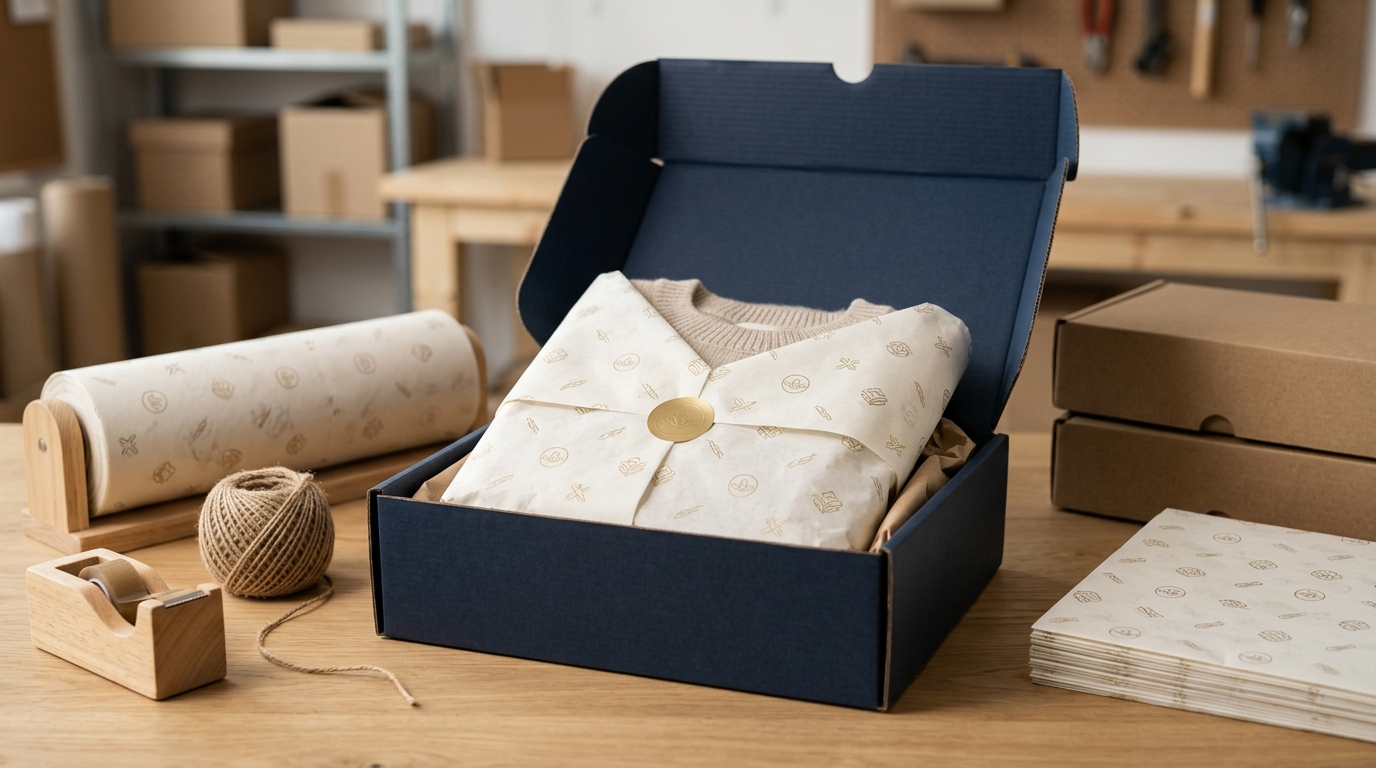
How you handle and apply tissue paper is just as important as the paper itself.
- Flat Storage: Always store tissue paper flat in its original packaging. Moisture in the air can cause the edges to curl if left exposed.
- The 'Pinch and Twist' Technique: For a professional look in gift bags, pinch the centre of the tissue sheet, lift it, and give it a slight twist before placing it in the bag. This creates volume and "petals."
- The Fold Over: For e-commerce boxes, place the tissue sheet flat, put the product in the centre, and fold the sides over like a parcel. Use a branded sticker to seal the join for a clean, secure finish.
Comparison: Premium vs. Standard Tissue Paper
When you are deciding where to allocate your budget, it is helpful to see the tangible differences between the two tiers of paper available on the market today.
| Criteria | Standard (Budget) | Premium (Packonic Quality) |
|---|---|---|
| Material Composition | Mixed recycled fibres | 100% Virgin or High-grade FSC Recycled |
| Transparency | High (Often looks "cloudy") | Controlled (Elegant translucency) |
| Ink Adhesion | Risk of smudging | Permanent, crisp, no-bleed |
| Tactile Feel | Paper-like, occasionally rough | Silky, smooth, luxurious |
| Odor | May have a chemical "paper" scent | Odorless / Neutral |
| Consistency | GSM varies between sheets | Strict quality control on thickness |
Sector Examples: How to Use Tissue Paper Effectively
To give you a better idea of how to implement these strategies, let's look at three specific sectors within the UK.
1. The Independent Boutique (Brighton)
A small boutique selling handmade ceramics and linen clothing.
- Choice: 20 GSM Acid-free white tissue paper with a simple charcoal grey logo.
- Why: The acid-free nature protects the linens, while the thickness provides a bit of cushion for the ceramics. The minimalist design reflects the "hand-crafted" brand ethos.
2. The Tech Start-up (London)
An e-commerce company selling high-end headphones and accessories.
- Choice: 17 GSM MG (Machine Glazed) black tissue paper with metallic silver printing.
- Why: The shiny side of the MG paper gives a high-tech, sleek appearance. The metallic ink suggests innovation and premium quality.
3. The Organic Skincare Brand (Edinburgh)
A brand focused on natural ingredients and zero-waste packaging.
- Choice: 18 GSM Unbleached, natural kraft tissue paper.
- Why: The brown, "raw" look of the unbleached paper immediately tells the customer the brand is environmentally conscious. It pairs perfectly with glass jars and wooden lids.
Logistics and Ordering: What You Need to Know
When you are ready to order, you will likely encounter several industry terms. Understanding these will help you communicate effectively with your supplier.
- Ream: This is the standard unit for paper. A ream of tissue paper usually contains 480 or 500 sheets.
- MoQ (Minimum Order Quantity): For custom tissue paper, suppliers often have a minimum order (e.g., 5 or 10 reams) to cover the setup costs of the printing plates.
- Lead Time: In the UK, lead times for custom orders in 2026 are typically 2-4 weeks. Plan your holiday packaging well in advance!
- Plate Charges: This is a one-time fee for creating the physical plate used to print your logo. Once made, these can usually be reused for future orders.
Key Takeaways for Your Brand
To summarise the importance and application of tissue paper in the current market, keep these points in mind:
Key Takeaways Box:
* Brand Identity: Tissue paper is a vital component of the unboxing experience, increasing perceived value by up to 25%.
* Quality Matters: Choose your GSM based on your product (17-20 GSM for fashion, 22+ for fragile items).
* Go Acid-Free: Always use acid-free tissue for long-term protection of fabrics and jewellery.
* Sustainability is Essential: Ensure your tissue is FSC-certified and uses eco-friendly inks to meet 2026 UK consumer expectations.
* Strategic Partner: Working with a dedicated supplier like Packonic ensures you receive professional-grade material that reflects your brand's excellence.
Frequently Asked Questions (FAQ)
What is tissue paper used for in packaging?
Tissue paper is used primarily for three reasons: protection, presentation, and branding. It protects items from scratches and dust during shipping, creates an elegant "gift-like" unboxing experience for the customer, and can be custom-printed to reinforce brand identity.
Is tissue paper good for product protection?
Yes, for lightweight and medium-weight goods. It provides a soft barrier against friction, which prevents scuffing on delicate surfaces like leather, glass, and polished metal. However, for very heavy or extremely fragile items, it should be used in conjunction with more robust materials like corrugated cardboard or honeycomb paper.
What GSM is best for packaging tissue paper?
The "sweet spot" for most retail and e-commerce brands is between 17 GSM and 20 GSM. This weight offers a perfect balance—it is strong enough not to tear easily when being wrapped but thin enough to provide that classic, luxurious tissue feel and "crinkle."
Can tissue paper be custom printed?
Absolutely. Modern printing techniques allow for high-resolution logos, patterns, and even full-colour designs to be printed on tissue paper. Many brands use custom tissue paper to create a unique and memorable brand experience that encourages social media sharing.
Is tissue paper recyclable in the UK?
Most standard tissue paper is recyclable and biodegradable in the UK. However, if the paper is coated with metallic foils, heavy glitters, or plastic laminates, it may not be suitable for standard recycling bins. We recommend using FSC-certified paper and water-based inks to ensure maximum recyclability.
Is tissue paper suitable for e-commerce packaging?
Yes, it is one of the most popular materials for e-commerce. Because it is incredibly lightweight, it adds almost no cost to shipping fees while significantly improving the internal aesthetics of the delivery box. It is the gold standard for "Direct-to-Consumer" (DTC) brands.
What is the difference between standard and premium tissue paper?
Standard tissue paper is often made from lower-grade recycled pulp, may be acidic, and can feel rough to the touch. Premium tissue paper, such as that provided by Packonic, is usually acid-free, pH-neutral, made from high-quality fibres, and has a much smoother, silkier finish that does not bleed ink onto the products.
How does tissue paper improve packaging presentation?
Tissue paper adds a layer of mystery and anticipation. It hides the product from immediate view when the box is opened, forcing the customer to engage with the packaging. This ritualistic aspect of "unwrapping" makes the purchase feel like a special treat or a gift, regardless of who bought it.
Which businesses should use branded tissue paper?
Any business that ships physical products can benefit. However, it is particularly effective for luxury fashion, cosmetics, jewellery, artisanal food, and subscription box services where the "unboxing experience" is a key part of the product's value proposition.
Where can businesses buy premium tissue paper in the UK?
For businesses looking for high-quality, professional-grade tissue paper with options for customisation and sustainability, specialized packaging providers like Packonic are the industry leaders. They offer the technical expertise and manufacturing quality required for modern UK brands.
Conclusion: Making Tissue Paper Work for You
As we have explored, tissue paper is far more than a simple sheet of thin paper. In 2026, it is a sophisticated tool that sits at the intersection of logistics, marketing, and sustainability. For any UK brand looking to survive and thrive in a competitive marketplace, the way you wrap your products is a direct reflection of how you value your customers.
By selecting the correct GSM, ensuring your materials are acid-free, and embracing the branding potential of custom prints, you transform a mundane shipping box into a premium brand statement. Remember that in the world of retail, the "first impression" happens on the doorstep, not the shelf. Using high-quality packaging tissue paper ensures that the impression is one of quality, care, and professional excellence.
We recommend that you audit your current packaging strategy. Does it excite your customers? Does it protect your products? Is it environmentally responsible? If the answer to any of these is no, it may be time to reconsider your tissue paper strategy. With the right choice, you aren't just wrapping a product; you are wrapping your brand’s future. For those seeking to elevate their presentation to the highest standard, partnering with experts like Packonic provides the assurance that your packaging will always meet the premium expectations of the modern consumer.
The Best Burger Packaging: A Comprehensive Comparison for 2026